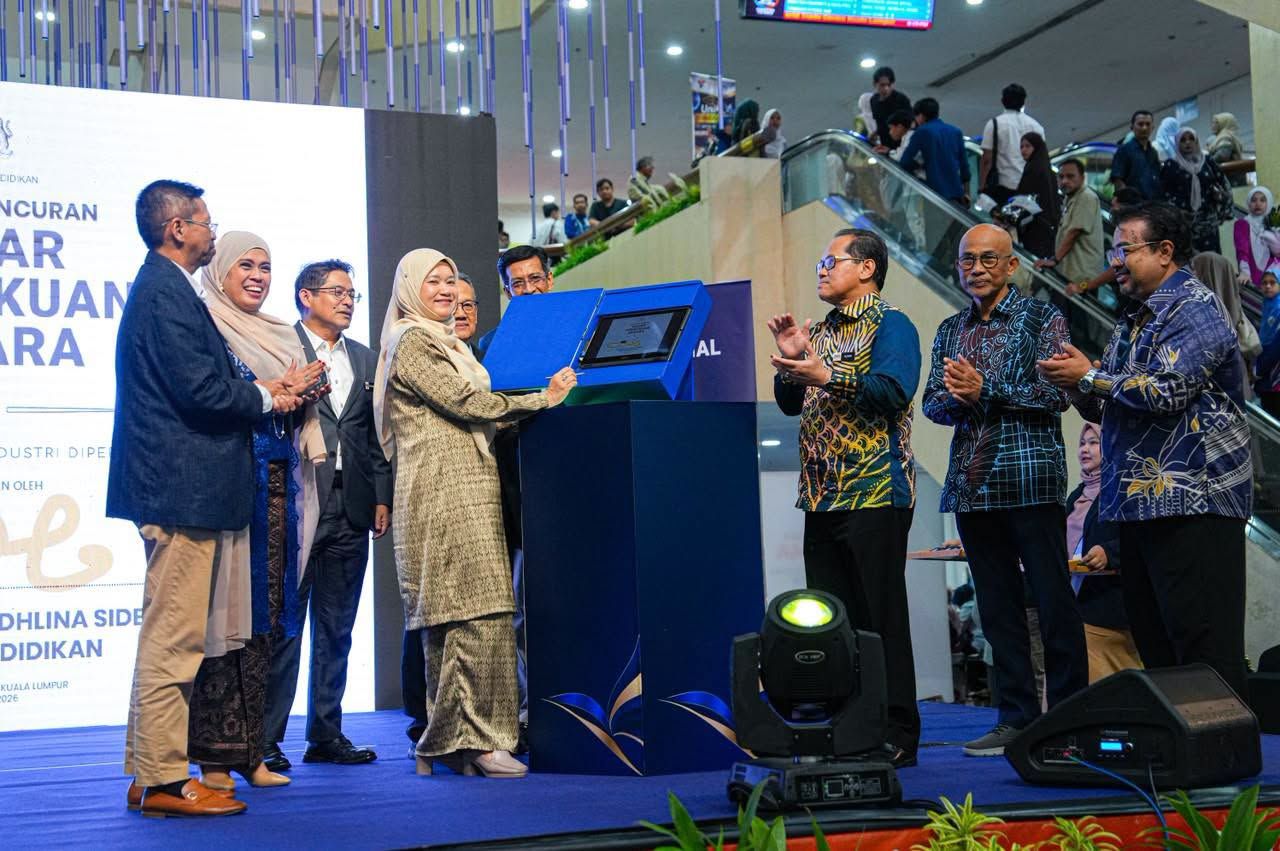
KUALA LUMPUR, Nov 24 — The National Book Policy was launched today with nine key pillars to strengthen the public's reading culture and empower the national book industry ecosystem in a holistic and sustainable manner.
They cover reading culture, digitalisation, legal and copyright literacy, professional translation, and professional development.
The pillars also include a national book one-stop centre, a new book economy, incentives, and an inclusive book ecosystem that is friendly to disabled persons.
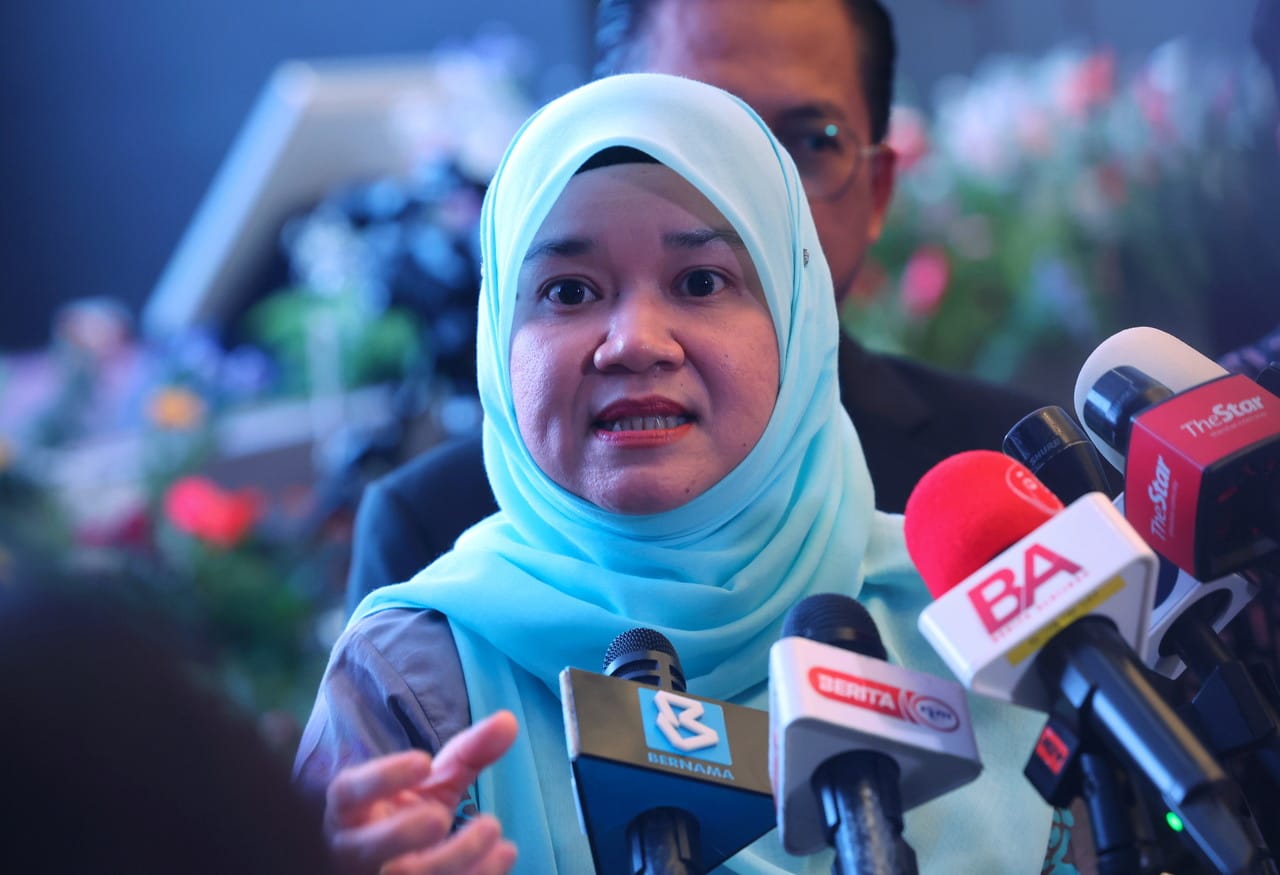
Education Minister Datuk Seri Fadhlina Sidek said the policy is a strategic step to deepen the reading culture and elevate Malaysia's intellectual sovereignty on the international stage.
The nation must look beyond the domestic market, strengthen its position as a copyright trading partner, and boost local publishers' ability to penetrate global markets.
"We want Malaysian books published abroad, reaching new readers and securing a place in the world market…we want Malaysian works to cross borders, carrying the nation's voice, and thinking into the heart of the global community," she said.
Fadhlina added that the policy's success should not depend on documents alone, but on the change it brings to society, the opportunities it opens for creators, and progress across the national book industry chain, including writers, editors, translators, and small publishers.
She emphasised the need to strengthen copyright protection and safeguard the welfare of creators and translators, with returns commensurate with their expertise.
The minister also voiced concern over current reading trends, with young people tending to become hasty readers and a scrolling generation that does not engage in reasoning.
"We have never been poor in access to books…but what we need to set in motion now is a movement to read seriously," Fadhlina said.
The policy, approved by the Cabinet on August 5, improves and rebrands the National Book Policy 1985, which was approved on November 27, 1985.
Its formulation takes into account changes in the global book landscape, particularly developments in digital technology, human capital development needs, and knowledge-based economic growth, in line with the aspiration to make Malaysia a reading nation under Sustainable Development Goal 4.