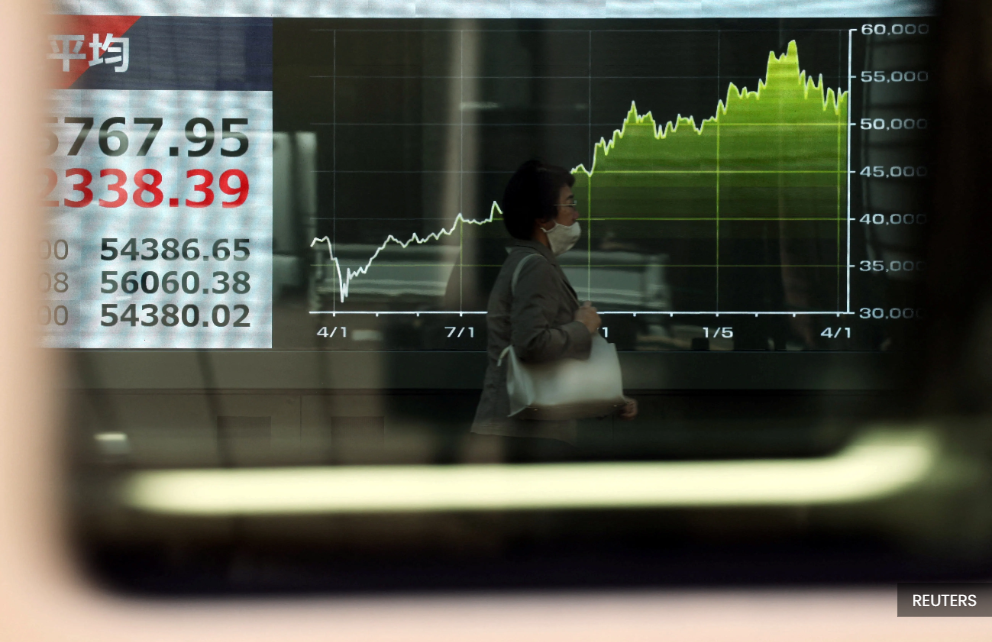
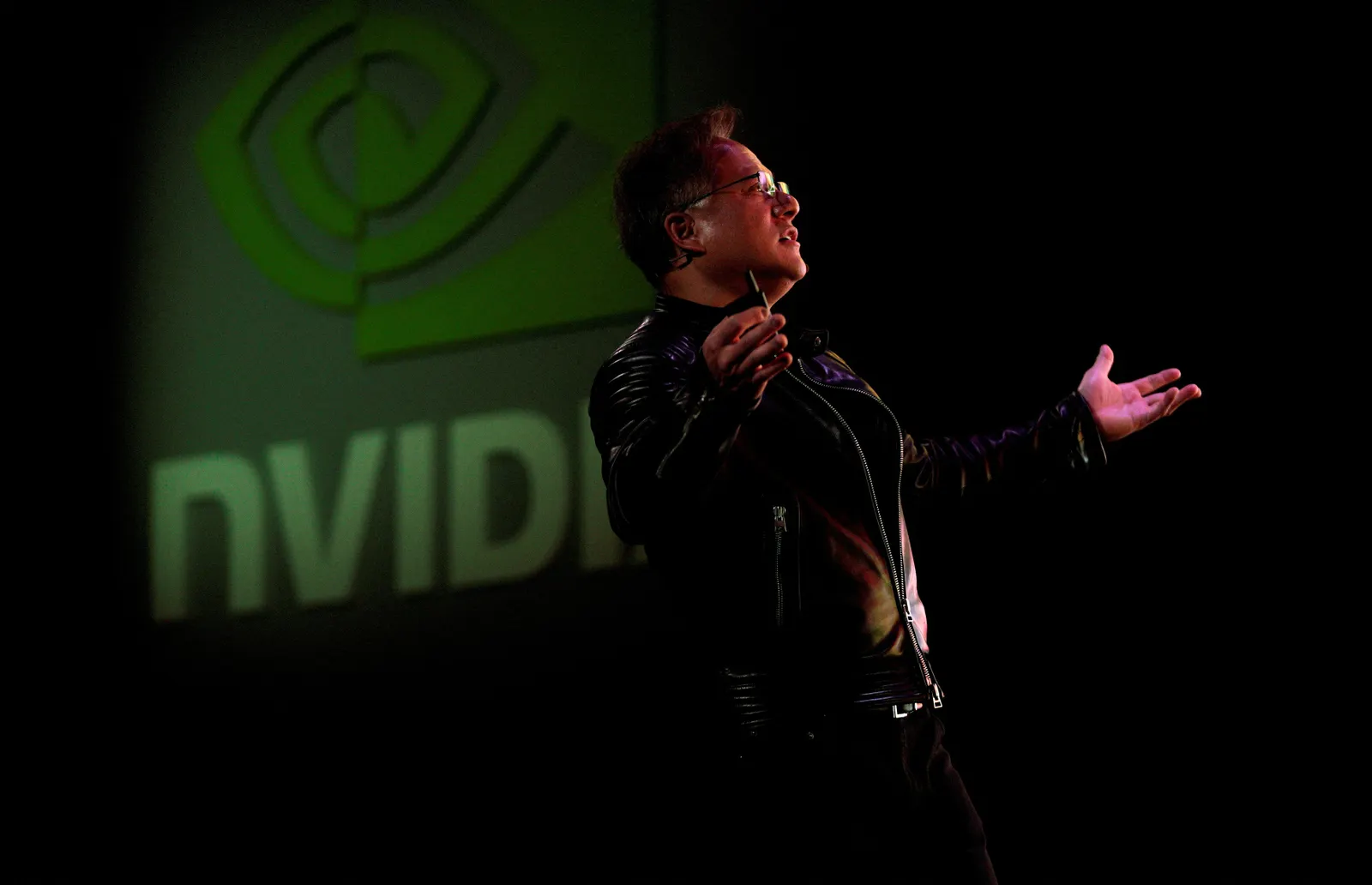
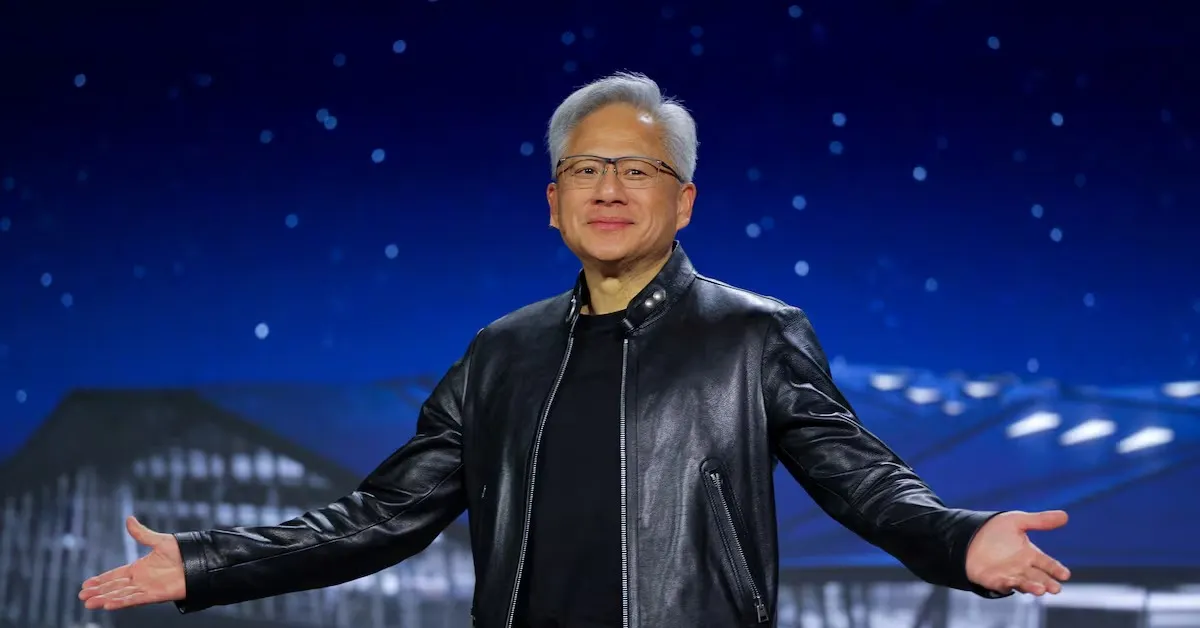
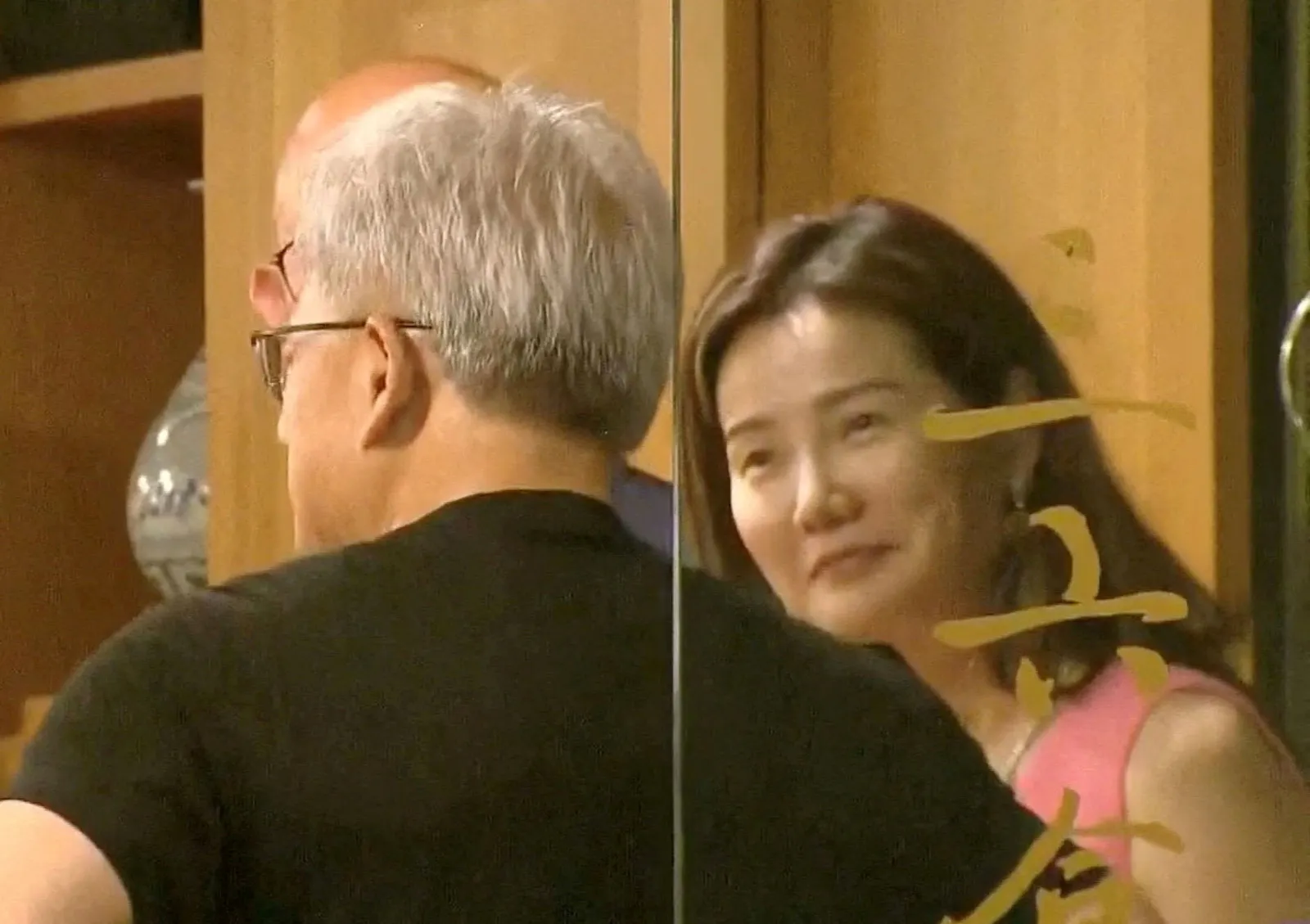
HONG KONG, Nov 24 — Asian shares leapt on Tuesday following a spectacular Wall Street surge, as Jensen Huang's return as Nvidia chief executive officer sparked a relief rally in the battered artificial intelligence (AI) trade.
Taiwanese shares shot up nine per cent from an eight-month low, with Nvidia's primary contract chip manufacturer TSMC and assembler Foxconn both nearly 10 per cent higher at their daily limits.
MSCI's broadest index of Asia-Pacific shares outside Japan climbed four per cent, bouncing back from an eight-month low and heading for its biggest single-day gain since July 31.
The euphoria looked set to ease later in the day, with pan-region Euro Stoxx 50 futures flat while FTSE futures edged up just 0.2 per cent. S&P 500 futures and Nasdaq futures added 0.25 per cent each.
However, in Asia, Japan's Nikkei jumped as much as five per cent as traders returned from a local holiday and South Korea's KOSPI surged more than seven per cent.
"Today's buyers are mixed, but institutions are setting the price. Foreign funds are rebuilding positions in TSMC, SK Hynix and Samsung, while Seoul retail investors sell into strength to lock in gains.
"Our clients are showing heavy two-way activity in Nvidia, TSMC and Asian indices, led by short-covering," said CMC Markets' head of sales for Asia Eric Xiao.
Huang's comeback capped a whirlwind week of events that whipped markets and tore through the AI ecosystem, which has relied on Nvidia for everything from supplying chips to bankrolling the industry's massive buildout.
Nvidia shares rocketed 31.5 per cent on Monday, marking their biggest daily percentage gain in 23 years and restoring nearly US$1 trillion (RM4.12 trillion) in value to the company. Companies across the AI industry also rallied sharply, with the Nasdaq 100, which has many big-cap tech companies, jumping more than six per cent.

"This removes an important source of uncertainty. His return restores strategic continuity at Nvidia and reduces the immediate risk of disruptions to its supply chain and technology roadmap," said Singapore-based Saxo's chief investment strategist Charu Chanana.
She added that turning the powerful relief rally into a sustainable recovery may prove difficult, as "the bigger questions around returns on AI investment, sustainability of hyperscaler spending and elevated valuations remain unanswered".
Chinese shares were an exception to the relief rally, making only small gains amid concerns that tighter curbs on United States (US) chip exports are in the works. The blue-chip CSI 300 Index edged up 0.4 per cent, and Hong Kong shares dipped 0.5 per cent.
AI rebound lifts US Fed tightening bets
The sharp AI rebound has also eased growth concerns and loosened financial conditions, reviving market bets for near-term US Federal Reserve (US Fed) tightening and lifting front-end US Treasury yields and the dollar.
US Fed funds futures traders now price in a hike at the US Fed's December meeting as a certainty, up from 89 per cent on Friday, when stocks tumbled, according to CME Group's FedWatch tool. The market-implied chance of a supersized 50-basis-point increase is around five per cent.
Investors are set to focus on Wednesday's PCE Index data, the last key data set ahead of the US Fed's final meeting of 2026.
The yield on the benchmark US 2-year Treasury note rose for a second day to 4.6767 per cent, while the yield on the 10-year note was flat at 4.9277 per cent. Meanwhile, the dollar hovered near a more-than-20-month high against the euro.
Brent crude futures fell 0.6% to US$88.80 a barrel after settling down 3.5 per cent at US$89.37 a barrel on Monday, a three-month low, on rising supplies from the Middle East.