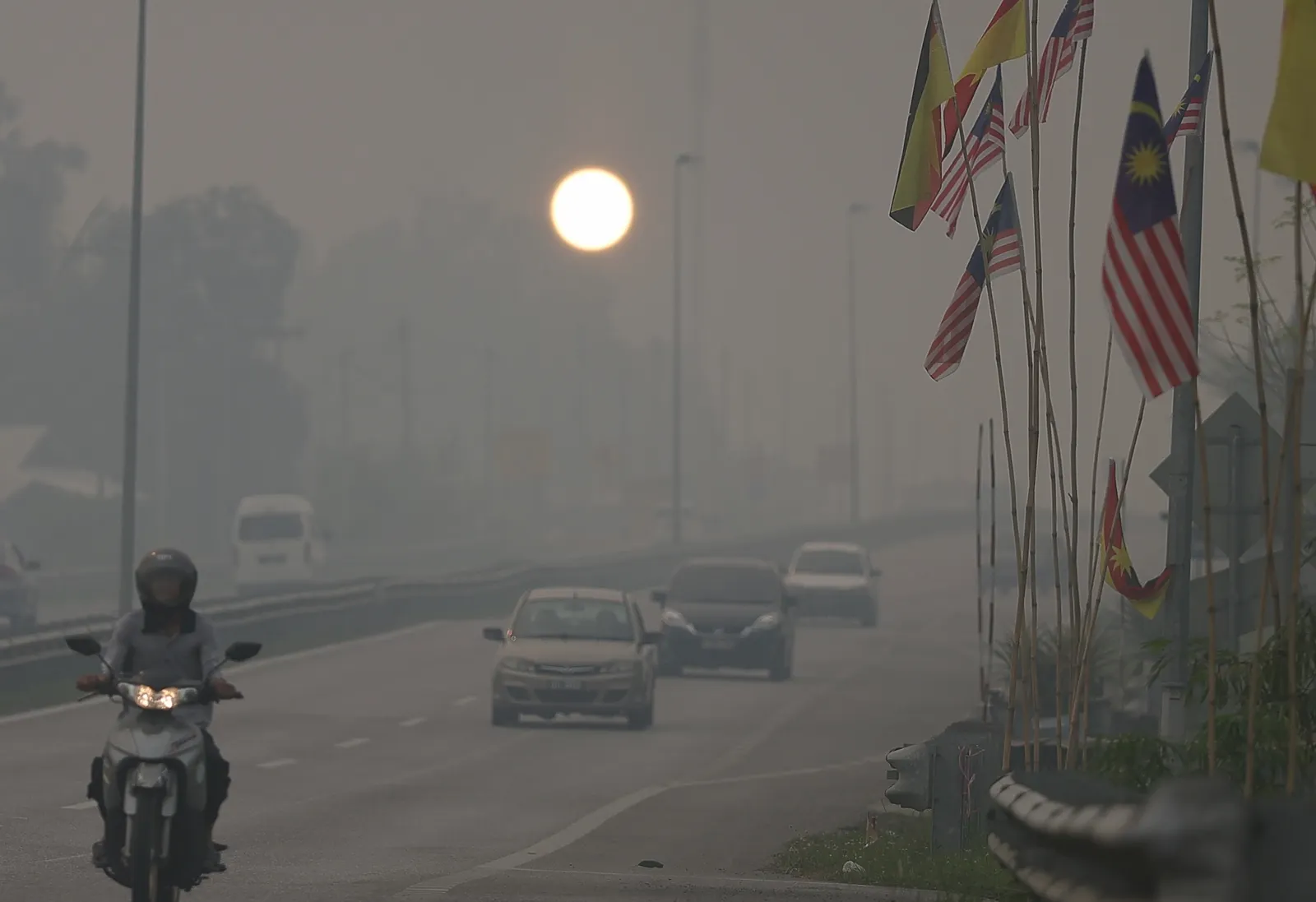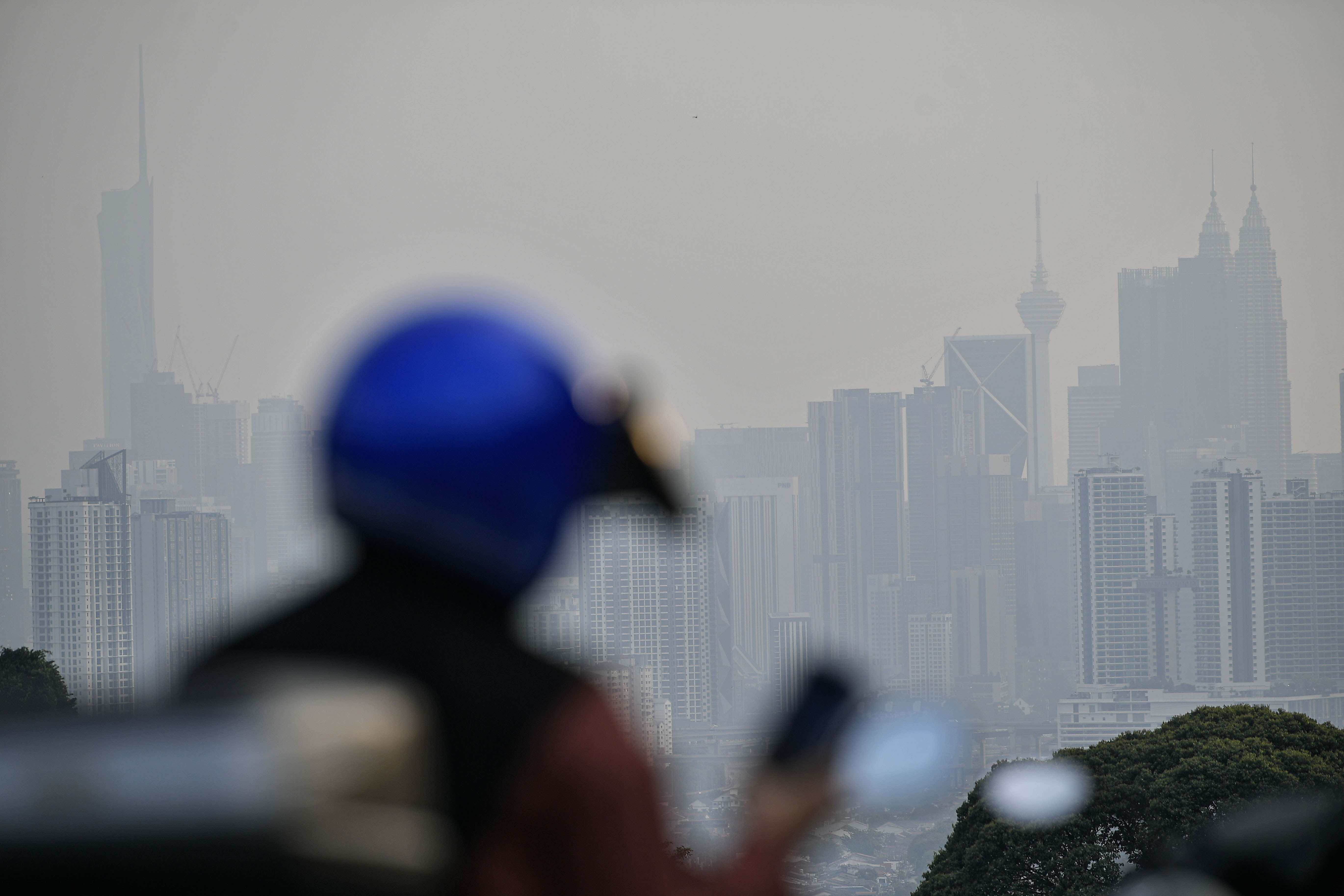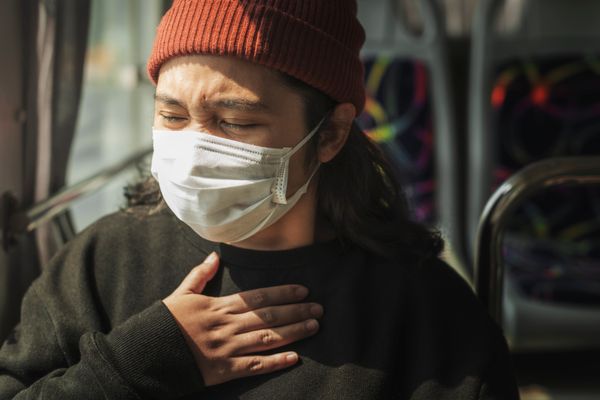
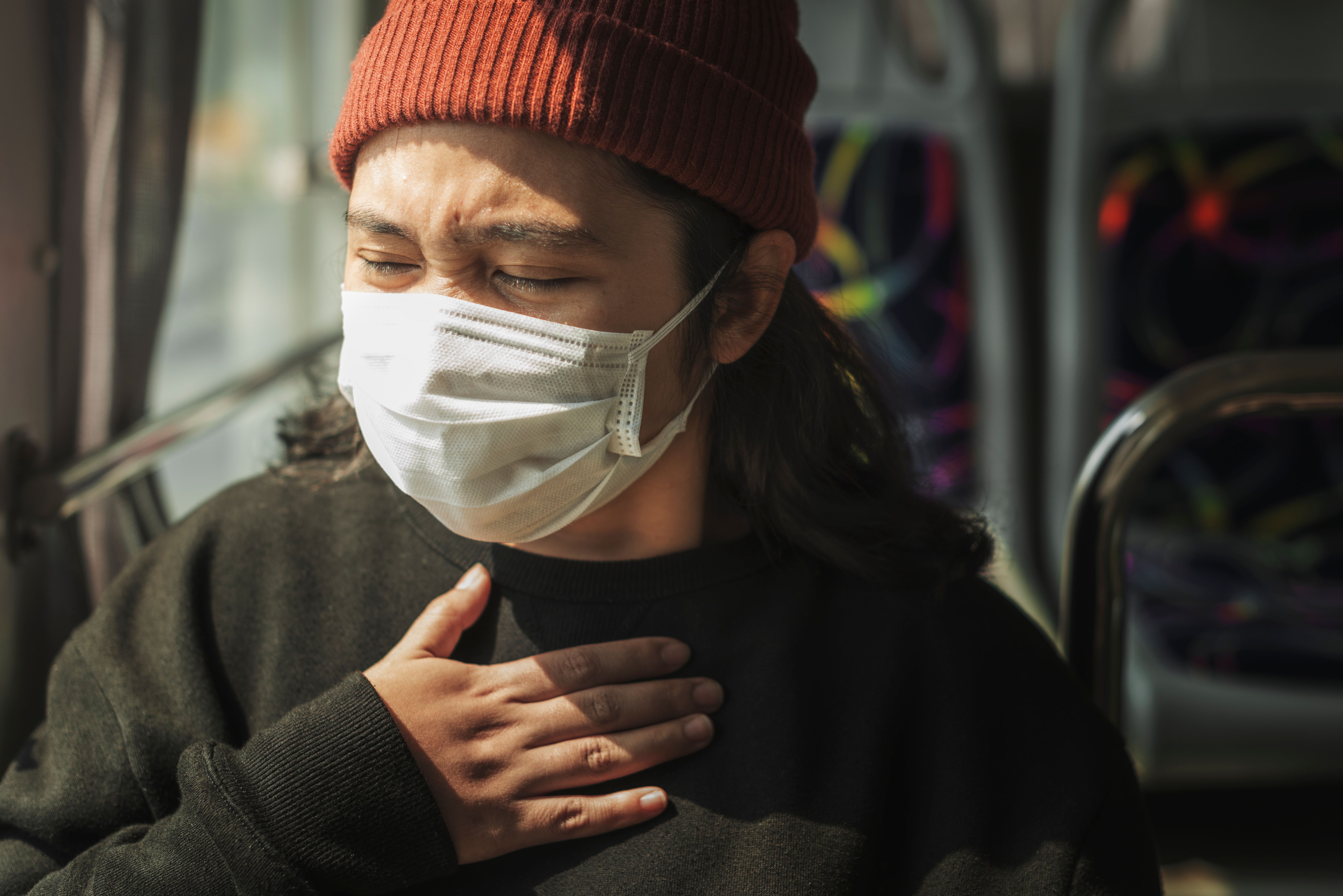
SHAH ALAM, Nov 23 — More than 18,000 cases of haze-related illnesses, including asthma, upper respiratory tract infections (URTI) and conjunctivitis, were recorded at five sentinel health clinics across Selangor between August and October this year, said state executive councillor for public health and environment Jamaliah Jamaluddin.
These clinics are in Kota Damansara in Petaling Jaya, Section 7 in Shah Alam, Pandamaran in Klang, Telok Datok in Banting, and Kuala Selangor.
Jamaliah said surveillance data collected by the Selangor State Health Department (JKNS) showed there were 15,554 URTI, 2,186 asthma, and 592 conjunctivitis cases.
She said the Kota Damansara clinic recorded the most URTI cases at 4,525, followed by Telok Datok (3,578) and Pandamaran (3,292), while the Section 7 Shah Alam clinic had the most asthma cases at 1,053, followed by Kota Damansara (512) and Telok Datok (391).
“This data only covers sentinel facilities and does not represent the total number of cases in each district or Selangor as a whole,” she told the Selangor State Legislative Assembly today.
Jamaliah said other than the five clinics, JKNS is also monitoring haze-related illnesses at Shah Alam Hospital, another sentinel healthcare facility, which involves analysing illnesses data alongside Air Pollutant Index (API) readings to identify disease incidence trends in relation to air quality levels.
She added that there are no plans to establish mobile health centres in hazy areas.
“Nevertheless, residents experiencing health problems due to haze exposure may seek medical screening and treatment at any healthcare facility under the Health Ministry.”
She said JKNS, through its district health offices, is keeping an eye on haze-related illnesses and conducting health education, especially among high-risk groups such as children, the elderly, pregnant women, and patients with chronic illnesses.
Jamaliah added that the state government is boosting haze prevention and enforcement, including by monitoring high-risk peatland sites, preventing open burning, and coordinating early detection using the Fire Danger Rating System (FDRS).