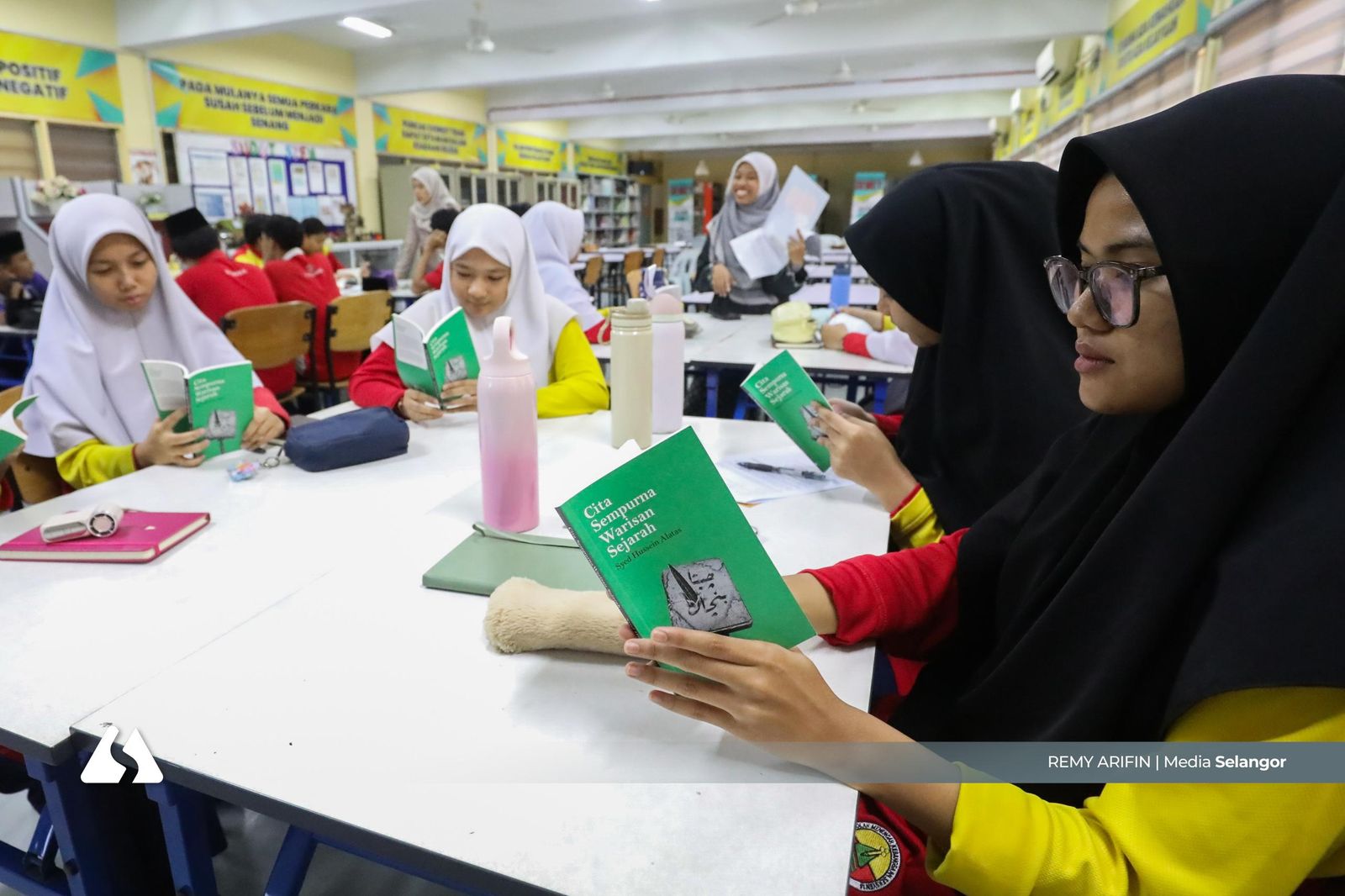
SHAH ALAM, Nov 21 — Typically, once reading material has been studied, it is returned to the bookshelf and left untouched for a long time.
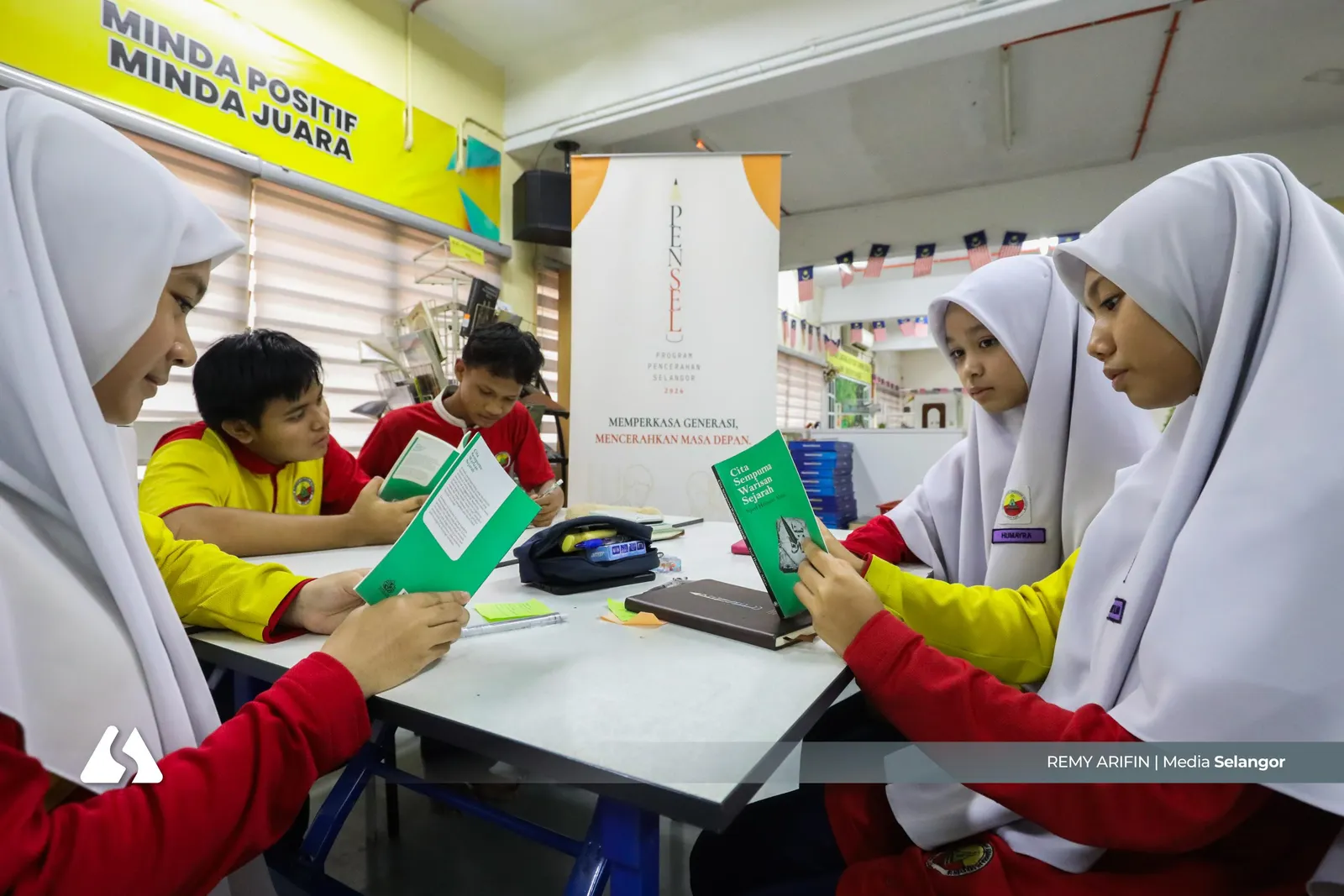
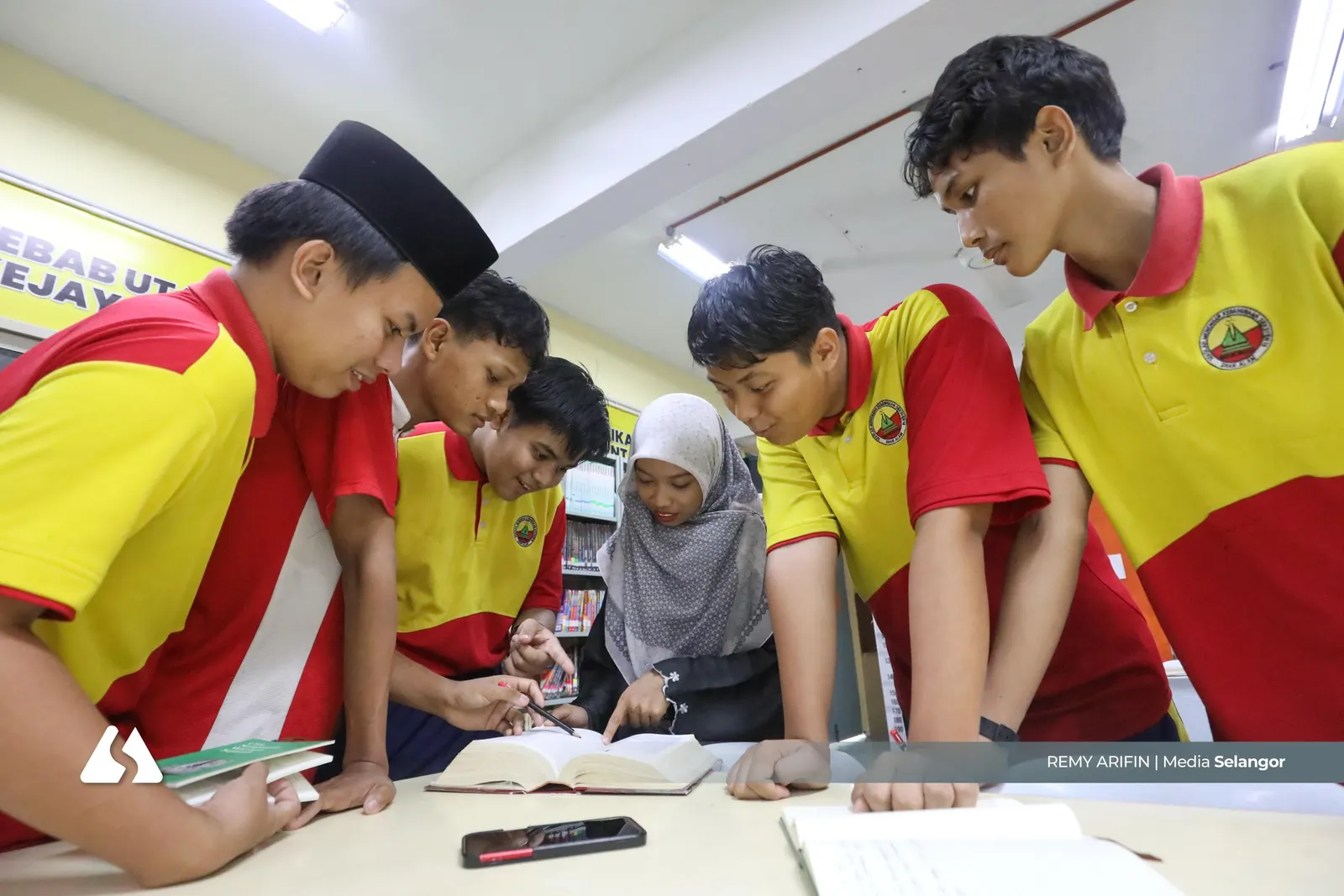
It is a different story for Form Four students taking part in the Pencerahan Selangor (PENSEL) programme. After completing their reading, they discuss the contents chapter by chapter in groups.
Guided by facilitators, the students are divided into two groups to examine the text's key ideas. They then put forward their views, both for and against the author’s original ideas.
Students are also given selected phrases from various pages of the book to examine, interpret, and critique.
Such an exercise is relatively unfamiliar to Form Four students. Even adult readers may not necessarily have had a similar experience.
Nevertheless, most PENSEL participants enjoy the discussion sessions, as they are free to agree or disagree with a book’s content. Unlike other reading programmes or clubs, their views are heard, and their interactions also help sharpen their critical thinking.
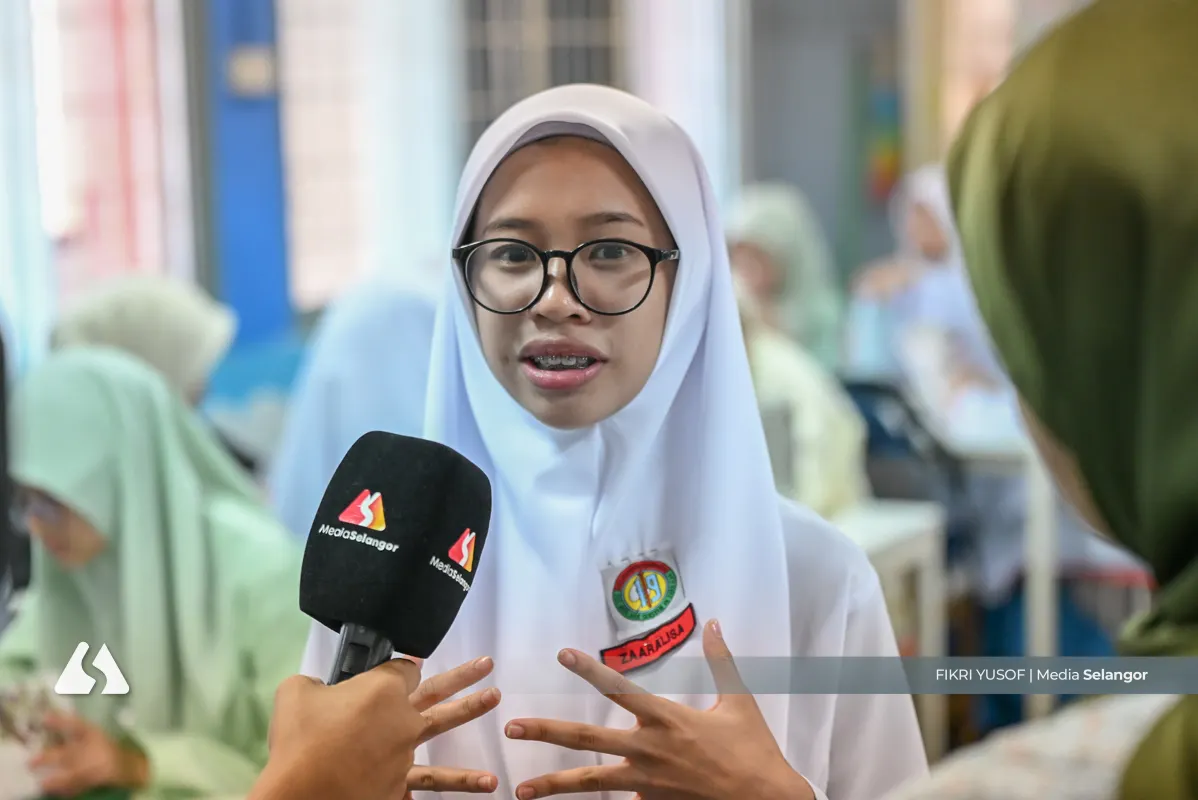
“PENSEL is a very good programme because it gives students my age the opportunity to speak up. At least people outside can understand how we feel and realise that we are not just ‘kids’,” Haniey Zaaralisa Hazri told Media Selangor.
The SMK Seksyen 19 student from Shah Alam is not afraid to express her opinions. After all, there are no right or wrong answers in the discussions, as long as arguments are supported by facts.
“For example, we are now analysing the book The Serviceberry. The author says it is good to give and receive. But I wonder, if everyone is on equal footing, who would be above or below?” she queried.
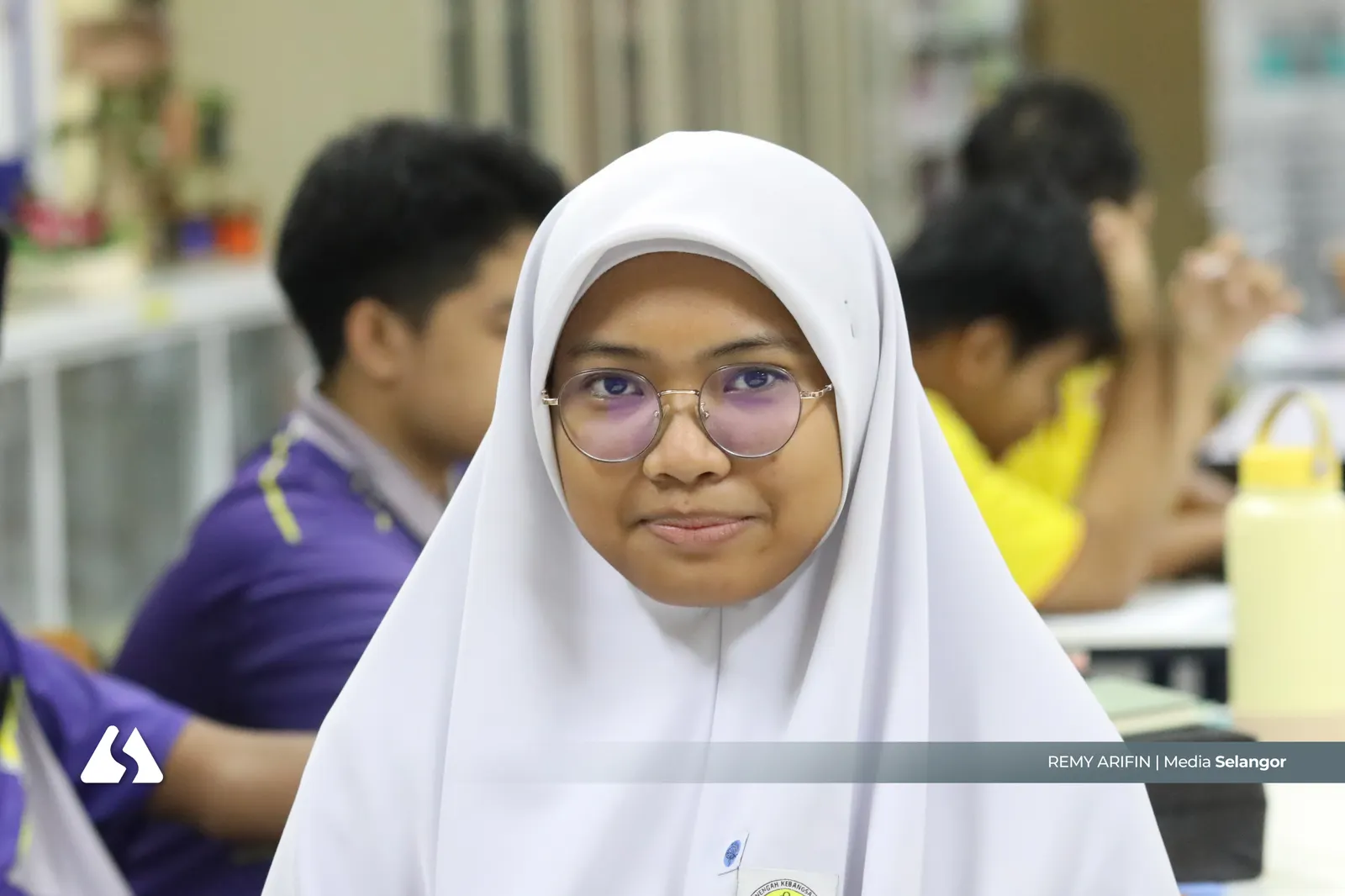
The enjoyment of the sessions also motivates her schoolmate Zulaikha Nor Ain Mat Zaki to give up her time after school to attend the free, one-hour programme. Despite feeling tired after lessons, she feels more energised when taking part in PENSEL activities with the facilitators.
“We are not simply forced to read books; during the book discussion sessions, we take part in all kinds of fun activities. We are constantly moving around.
"So my brain, which gets tired from studying, feels refreshed and energised again,” said the student, who is currently reading Cita Sempurna Warisan Sejarah.
Meanwhile, Amirul Najwan Mohd Najib admitted that he used to read very little. Yet since joining PENSEL, his interest in books has grown, and his vocabulary has improved.
“I have learnt to work as part of a team. When we work together as a team, we train ourselves to cooperate with others.
“When we enter the workforce, we will not be working alone. We will be working in groups. So I feel a little more confident,” he said.
One of the things Amirul enjoys most is finding interesting expressions or trying to understand words and phrases with deeper meanings.
“For example, in a book written by Syed Hussein Alatas, there is a sentence: ‘although its aspiration contains a perfect ideal, the means by which it is pursued are driven by destructive ideals…’
“That sentence is very interesting, and the facilitator asked us to find its meaning or a similar analogy. We had to think and come up with ideas,” he said.
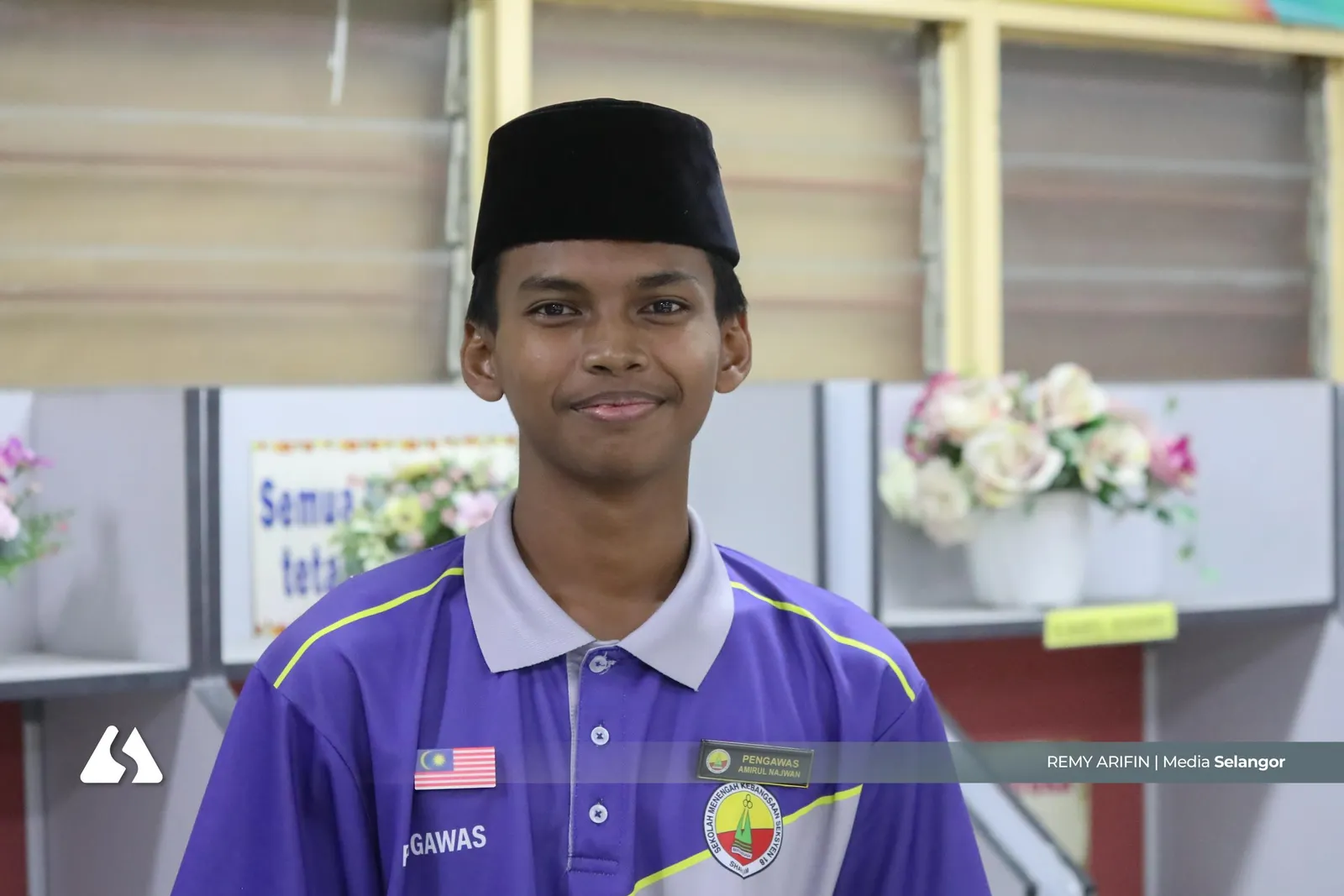
Nur Aliya Azra’i has had a similar experience. She has learnt many new terms in both English and Malay, further expanding her vocabulary.
“At first, I found these books very difficult. The language was advanced, whether in Malay or English. But after studying them and understanding the content, I realised how interesting they were.
“My Malay was not particularly fluent, but after joining this programme, I managed to score an A+ in my examination,” she said.
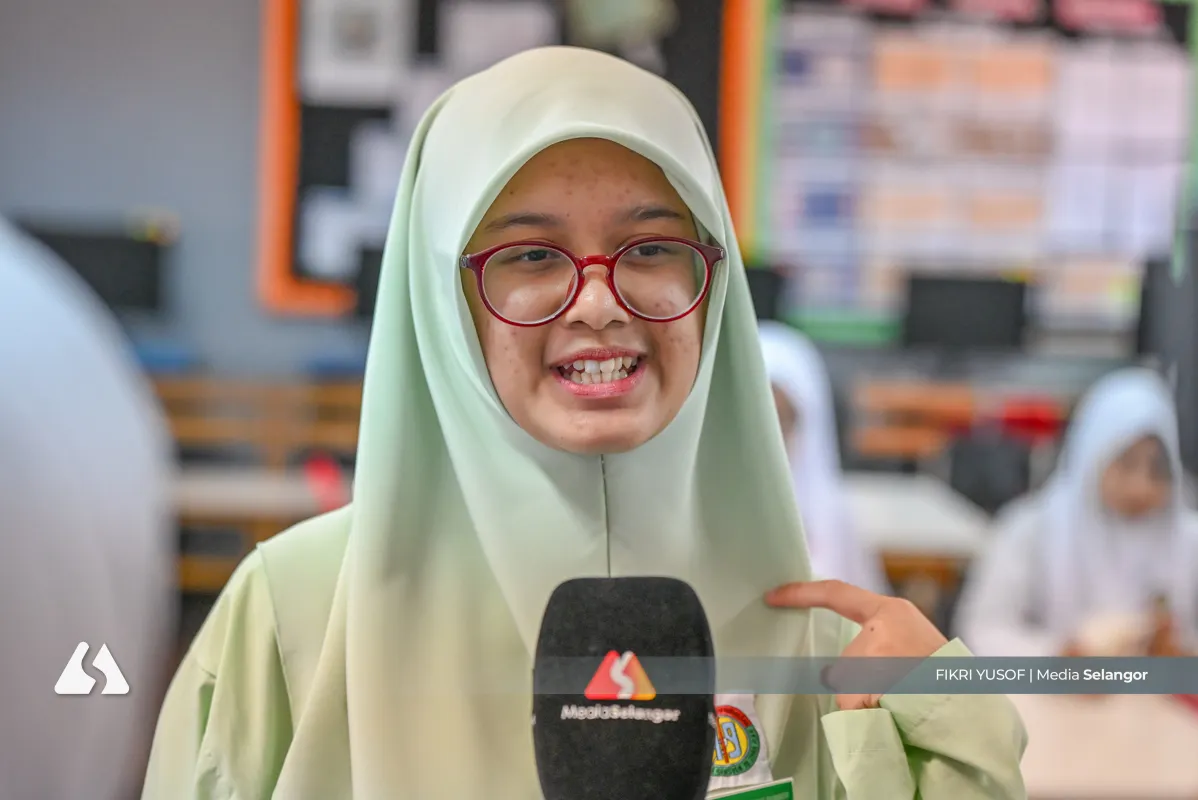
On her part, PENSEL facilitator and local university lecturer Novi Ma’rifatu Dayyana Iskandar believes teenagers need interactive activities to help them understand reading material.
As such, students are not required to read an entire book within a short period. Instead, the content is divided into smaller sections so they can engage more deeply with and understand the text.
She added that this approach also indirectly challenges the perception held by some that reading is a passive activity.
“Reading becomes an active process when students have to express their opinions, find the meanings of words, defend their views, and relate the contents of a book to real-life situations,” said Novi, who specialises in English for International Communication.
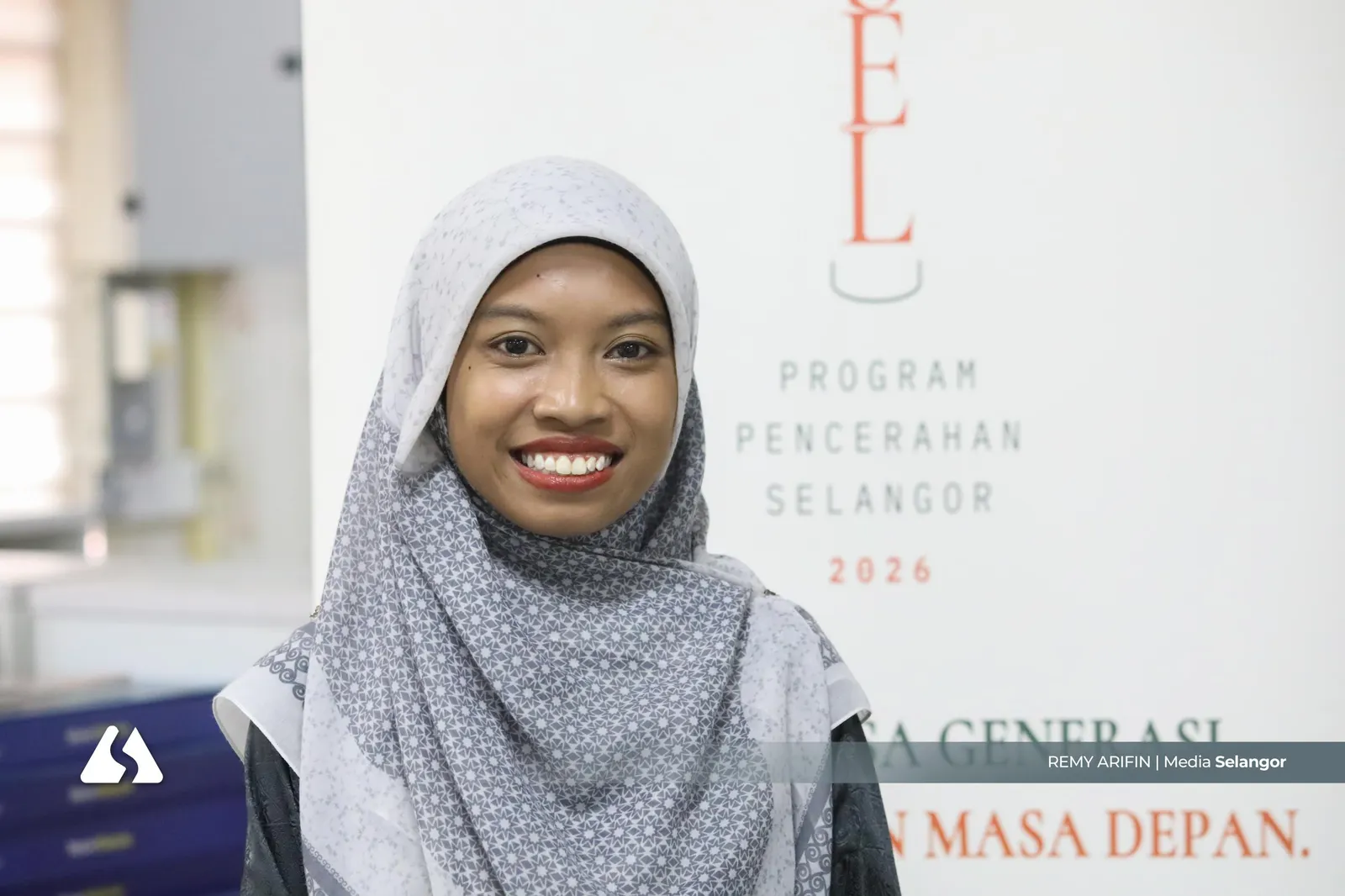
Another facilitator, Norsyafiqah Muhamad Azmi, believes the PENSEL programme, launched in July, can help develop critical and analytical thinking among students.
“In a learning system that is sometimes too tied to prescribed formats and structures, students may not have much room to develop their own opinions. Programmes like this provide that space.
“Students who initially know nothing about economics can eventually discuss for themselves how an economic system affects people’s lives,” she said.
Norsyafiqah, who is also involved in providing free education to low-income groups, said students were beginning to enjoy expressing their views rather than simply reading about an issue.
“It is not just about knowing what has been written, but understanding how to think about it. Complex books are not necessarily too difficult. Interestingly, most of the books selected for this programme are not light reading,” she said.
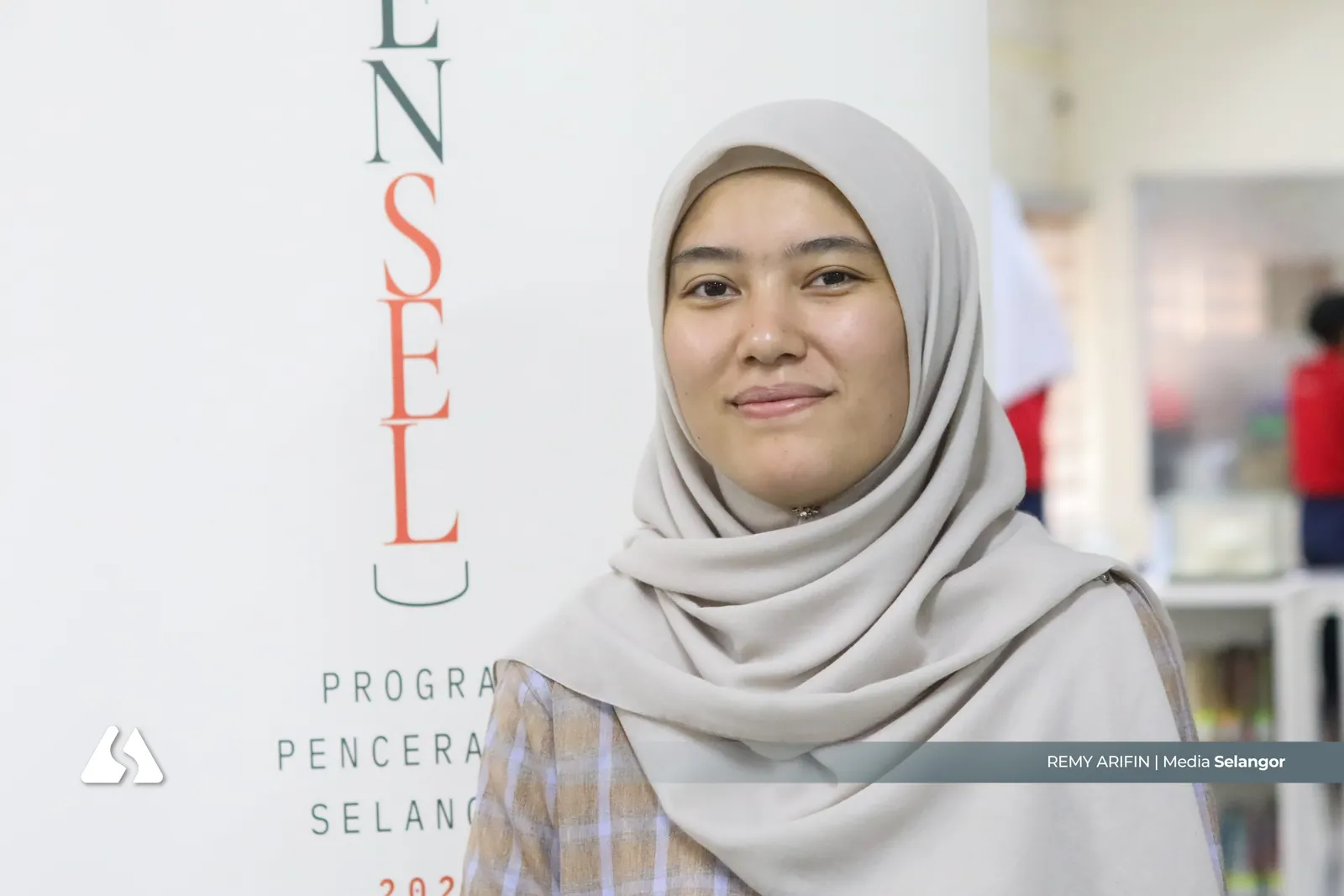
PENSEL manager Norafrina Syamsul Azwan said that the programme goes beyond teaching students to read and analyse books. Participants are also required to write essays, with selected works to be compiled and published in book form.
“They are not just readers; they are also given the opportunity to become writers. That is where another important transformation takes place. Instead of simply receiving knowledge, they learn to shape it into ideas and eventually into written works,” she said.