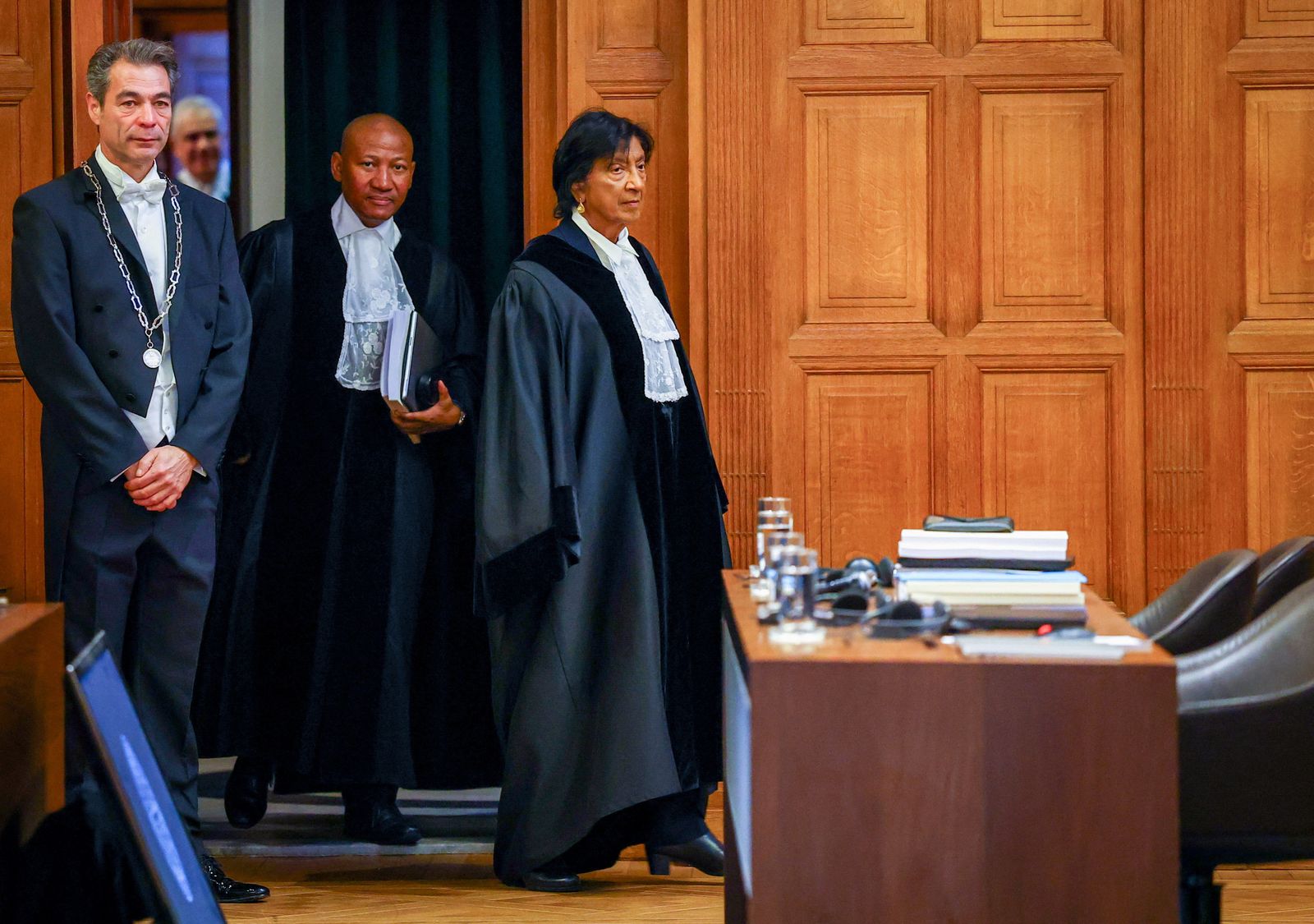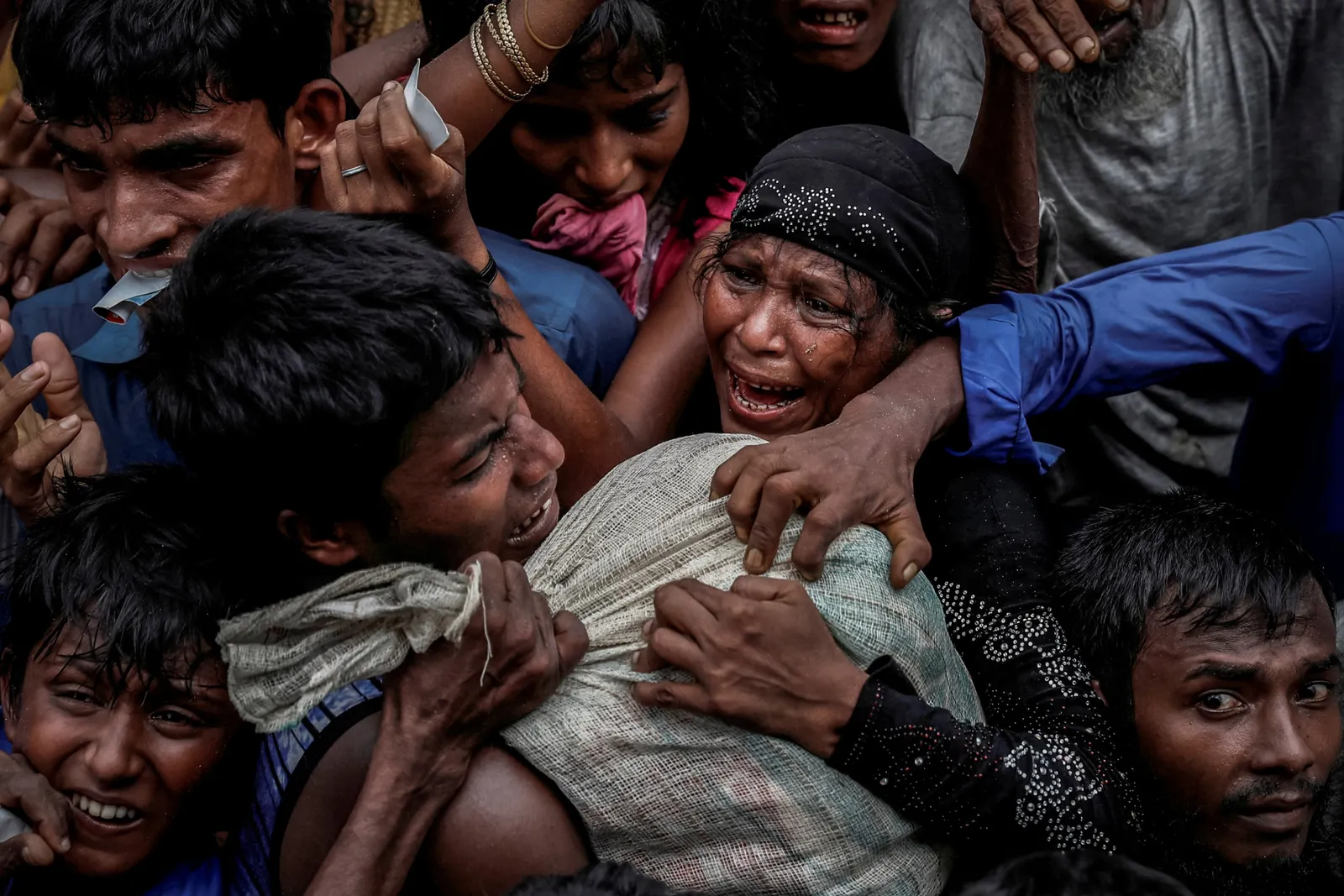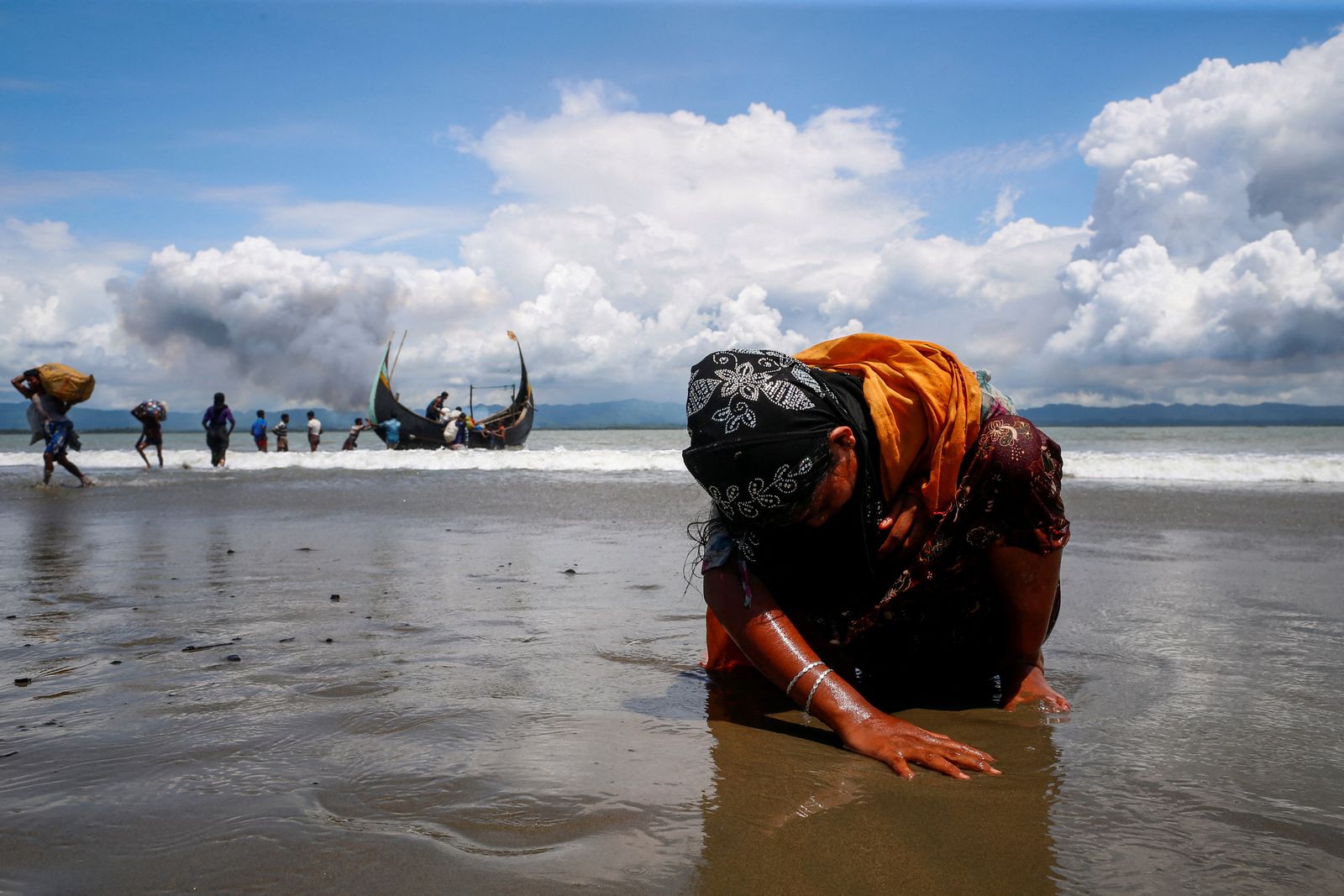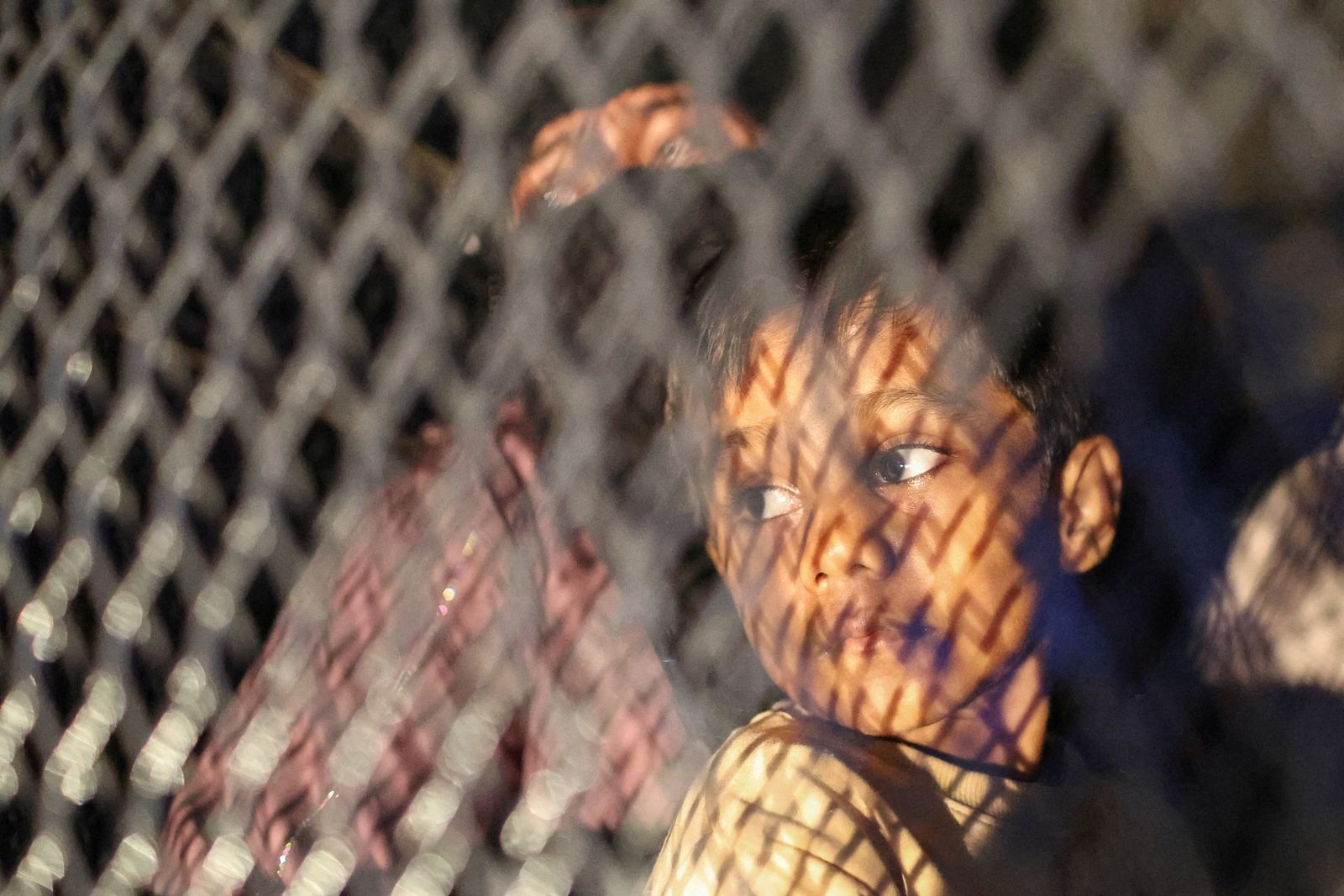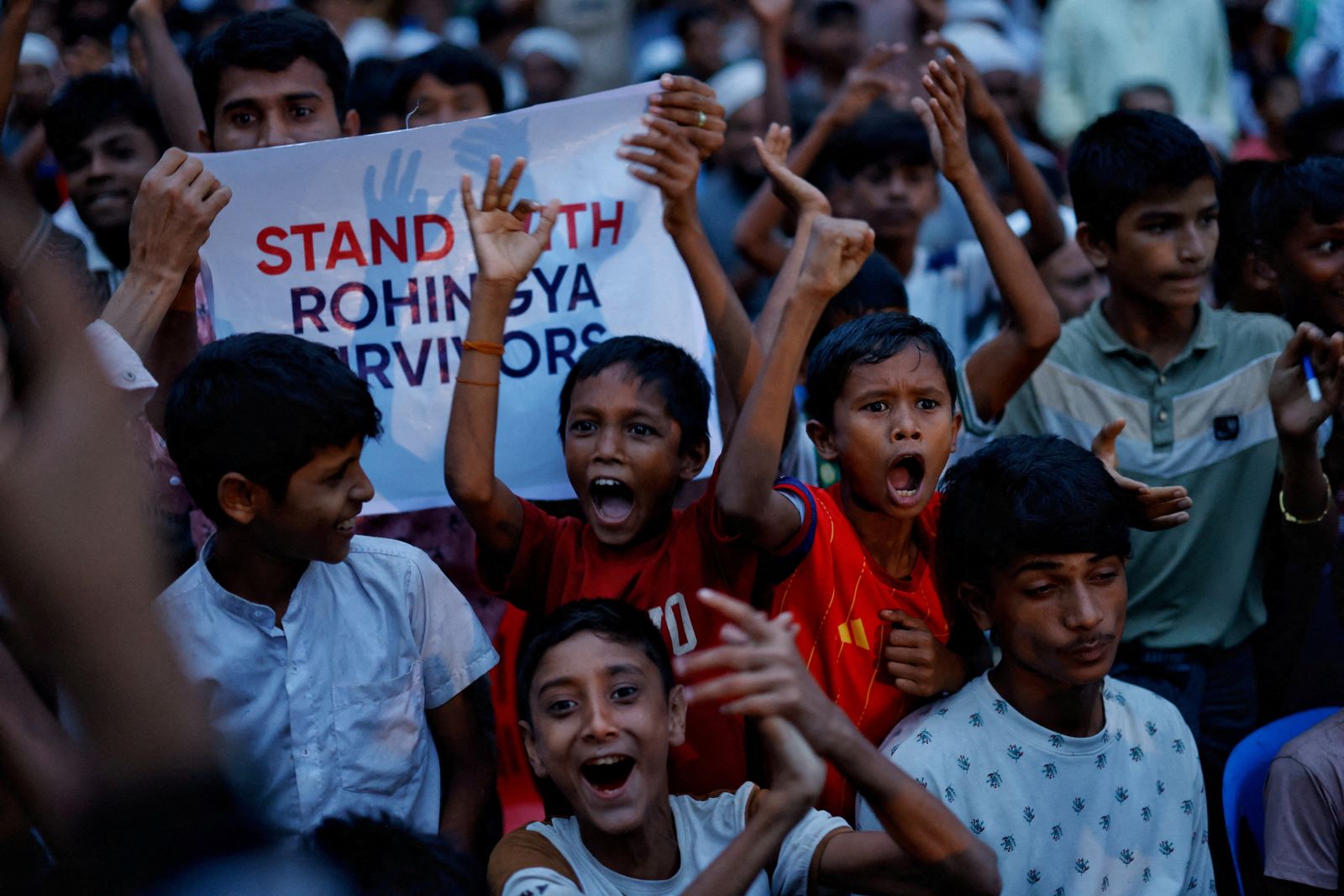
COX'S BAZAR, Nov 20 — Inside sprawling camps in Bangladesh, thousands of Rohingya refugees celebrated a landmark ruling by the United Nations' (UN) top court yesterday that Myanmar committed genocide against the mainly Muslim minority during a 2017 military campaign.
But the verdict may not bring the 1.2 million Rohingya living on a southeastern sliver of Bangladesh, near the border with Myanmar, closer to returning to their Buddhist-majority homeland, where a civil war has raged since a 2021 coup.
For Bangladesh, struggling to support the massive Rohingya population as international aid dwindles, its Foreign Ministry said that the judgment could be a catalyst for their repatriation, which "remains the only viable solution to the crisis".
"It would not happen tomorrow or very soon. We would put pressure multilaterally with other agencies to ensure a safe passage within one to 1.5 years," Bangladeshi State Minister for Foreign Affairs Humaiun Kobir told Reuters today, providing the first possible timeline for the repatriation since the verdict.
Years of efforts to send refugees back have failed, and analysts note that Myanmar's government, backed by a military that was chastised by the International Court of Justice (ICJ) for mass executions, sexual violence, and arson, is unlikely to embrace repatriation.
"Among the orders is ensuring the safe return to their homeland. However, in reality, the likelihood of that happening remains low," said independent Myanmar analyst Sai Kyi Zin Soe, pointing to the civil war that followed the overthrow of Aung San Suu Kyi's elected government in February 2021.
Earlier today, Naypyidaw said that the ICJ's decision was not unanimous and unfair, adding that the country has been unjustly accused.

Fighting in Rakhine State
Six years after about 750,000 Rohingya escaped a military crackdown that was central to the genocide case, renewed fighting between Myanmar's military and the Arakan Army rebel group erupted in Rakhine State in late 2023, sending more people fleeing to Bangladesh, where refugee numbers have swelled.
One of Myanmar's most powerful armed outfits, the Arakan Army has wrested control of nearly all of Rakhine State from the military since then and holds the areas to which most refugees would return.
The Arakan Army, which has also been accused of atrocities against the Rohingya, has made no public comments on the ICJ verdict, and a spokesman for the group did not respond to questions from Reuters.
In August, Myanmar said that it had verified 308,797 people living in camps in Bangladesh as former residents of Rakhine State, but repatriation would begin only when security conditions there improve.
According to multiple estimates, before the 2017 exodus, some 1.1 million Rohingya people lived in Myanmar but only around 600,000 remain in Rakhine State today, including 140,000 living inside displacement camps.
Myanmar has long seen the Rohingya as illegal migrants from neighbouring Bangladesh and denied them citizenship, even though Rohingya families have lived in the Southeast Asian country for generations.
"Without citizenship, rights, and genuine security, return is not possible," said Arakan Project director Chris Lewa, whose group monitors the Rohingya crisis.
"I am deeply concerned for the Rohingya still in IDP (internally displaced people) camps in Sittwe, who are confined, dependent on the military for access to aid and movement, and highly vulnerable to reprisals," she said, referring to Rakhine's capital.

Bangladesh's options
Cash-strapped Bangladesh, which has a population of 175 million people, does not allow Rohingya to earn a living in the country and is keen for them to leave, but has repeatedly said they can only go back when conditions are right.
Although the judgment strengthens Dhaka's case for eventually sending the refugees home, including by using diplomatic leverage, the verdict also sharpens Bangladesh’s dilemma.
"Dhaka will have to keep negotiating returns with a state the court has now found responsible for genocide, and increasingly also with the Arakan Army," said think tank International Crisis Group's senior adviser for Asia Richard Horsey.
Meanwhile, Kobir noted that Bangladesh, which holds the presidency of the UN General Assembly for a one-year term that started in September, will seek to strengthen multilateral efforts with the UN and other agencies to create conditions for repatriation.
But funding has been a major concern to sustain the Rohingya in Bangladesh, as UN data reveals that only around 69 per cent of US$710 million (RM2.92 billion) in humanitarian funding required for 2026 has been met.
Malaysia has also sought to send Rohingya refugees back to Myanmar amid rising tensions with local communities. Its Home Minister Datuk Seri Saifuddin Nasution Ismail, citing UN figures, said that an estimated 133,400 Rohingya have been registered as refugees and asylum seekers in Malaysia as of end-September.
Earlier today, Putrajaya said that it would resettle 10,000 Rohingya refugees in Turkiye through a structured skills training programme, in what would be a major resettlement initiative.
For Mohammed Zubair, living in a densely packed camp in Bangladesh, the ICJ verdict is a shot in the arm for Rohingya refugees like him.
"As a Rohingya, this moment gives me renewed strength. My greatest dream is not simply to see the world recognise what happened to us.
"It is to see the day when we can walk freely on our ancestral soil," the 24-year-old said.