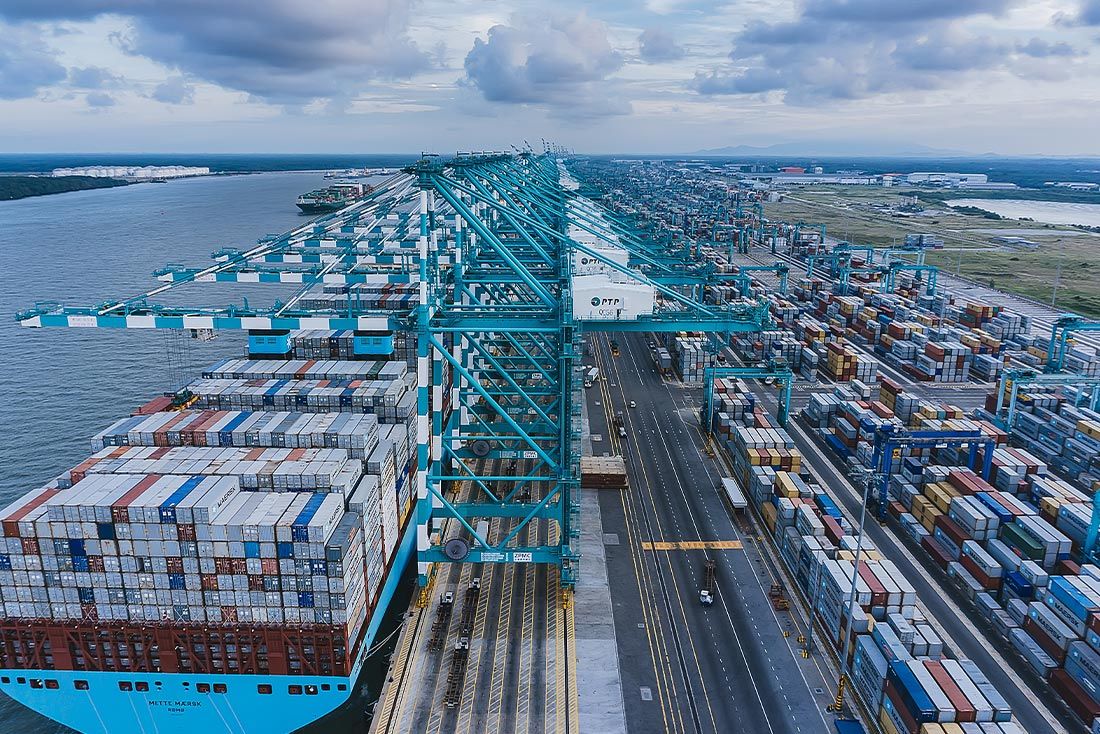
KUALA LUMPUR, Nov 20 — Malaysia’s export growth is expected to remain supported by resilient electrical and electronics (E&E) shipments and sustained demand for commodity-related products, particularly liquefied natural gas and petroleum products, according to RHB Investment Bank Bhd (RHB IB).
It maintains its 2026 export growth forecast of 34.4 per cent, supported by resilient year-to-date growth of 37.1 per cent, which reinforces its “constructive” outlook for the country's external trade performance.
"Other manufactured exports, including chemicals, machinery and metal products, could also benefit from sustained regional production activity and infrastructure-related demand," RHB IB said in a note today.
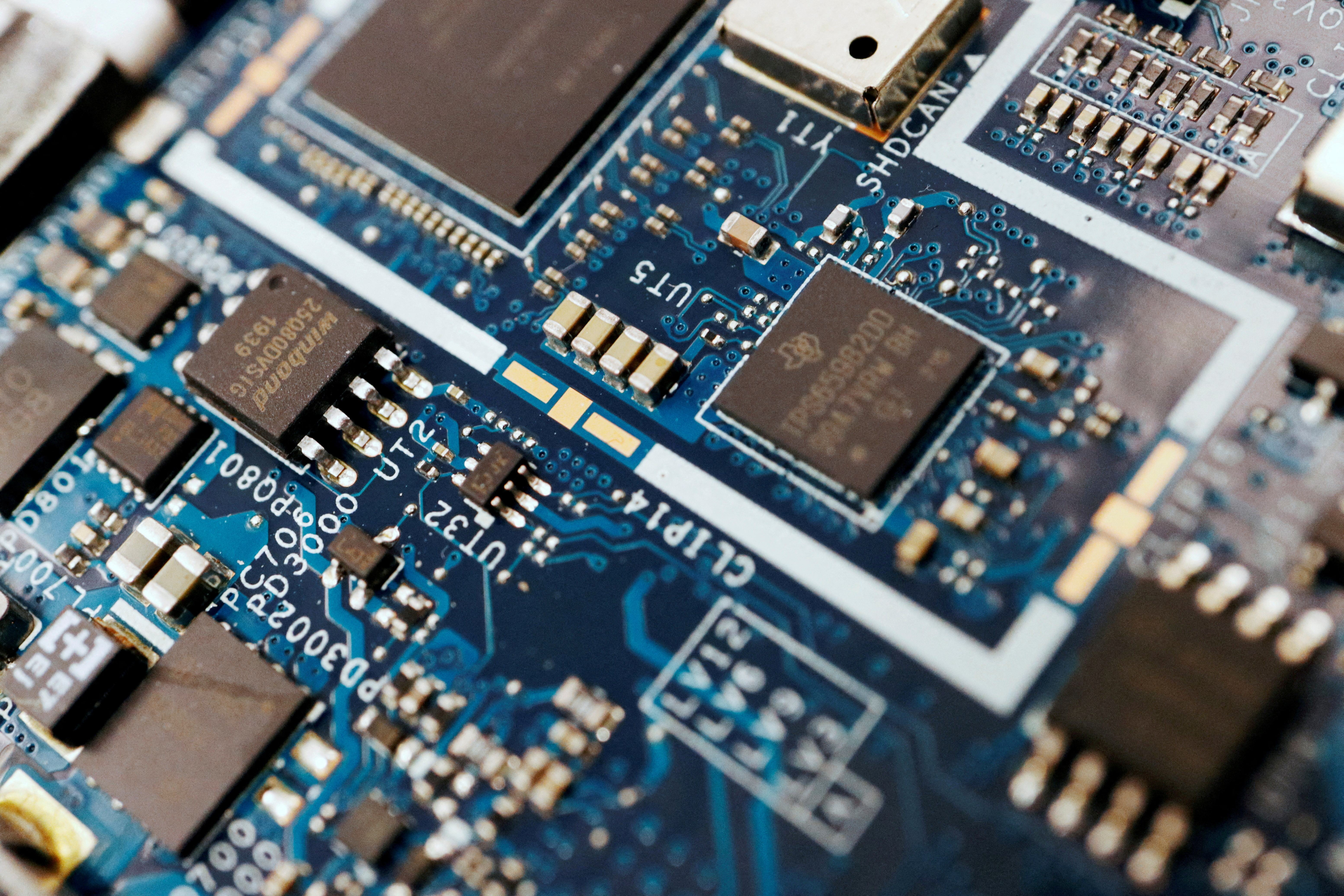
E&E exports should remain a key growth driver, underpinned by the ongoing global technology upcycle, particularly the acceleration in digitalisation, artificial intelligence (AI) adoption, and rising demand for high-performance computing.
Other manufactured exports, including chemicals, machinery, and metal products, could also benefit from sustained regional production activity and infrastructure-related demand. It added that Malaysia’s diversified export base, established manufacturing ecosystem and deep integration into regional and global supply chains will continue to support export activity despite lingering global uncertainties.
E&E exports should remain a key growth driver, underpinned by the ongoing global technology upcycle, particularly the acceleration in digitalisation, AI adoption, and rising demand for high-performance computing.
"Malaysia’s deeper integration into the AI-driven global semiconductor supply chain has strengthened the linkage between global semiconductor demand and domestic E&E exports, with integrated circuits exports accounting for more than 50 per cent of E&E shipments.
"In addition, sustained investment in data centres, cloud computing, and supporting digital infrastructure should continue to underpin demand for semiconductors and related electrical components," RHB IB said.
However, the sustainability of the AI-driven technology upcycle remains a key downside risk, as a moderation in AI-related capital expenditure, inventory normalisation, or tighter financial conditions could dampen global semiconductor demand.
It also cautioned that geopolitical developments and movements in crude oil prices remain important external factors, with prolonged tensions potentially disrupting global trade flows and increasing production, transportation, and operating costs.
Recent disruptions to shipping through the Strait of Hormuz have contributed to tighter global energy supply conditions, with Brent crude trading above US$90 per barrel.