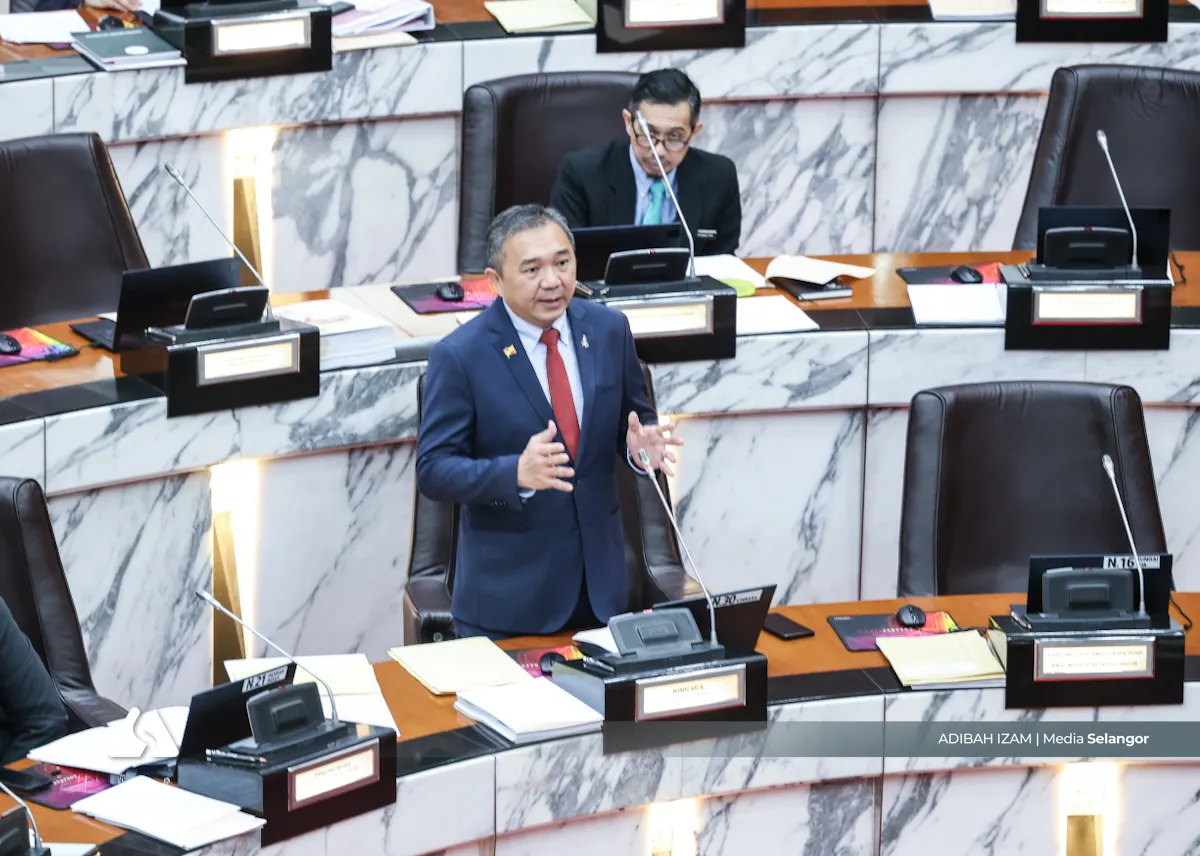
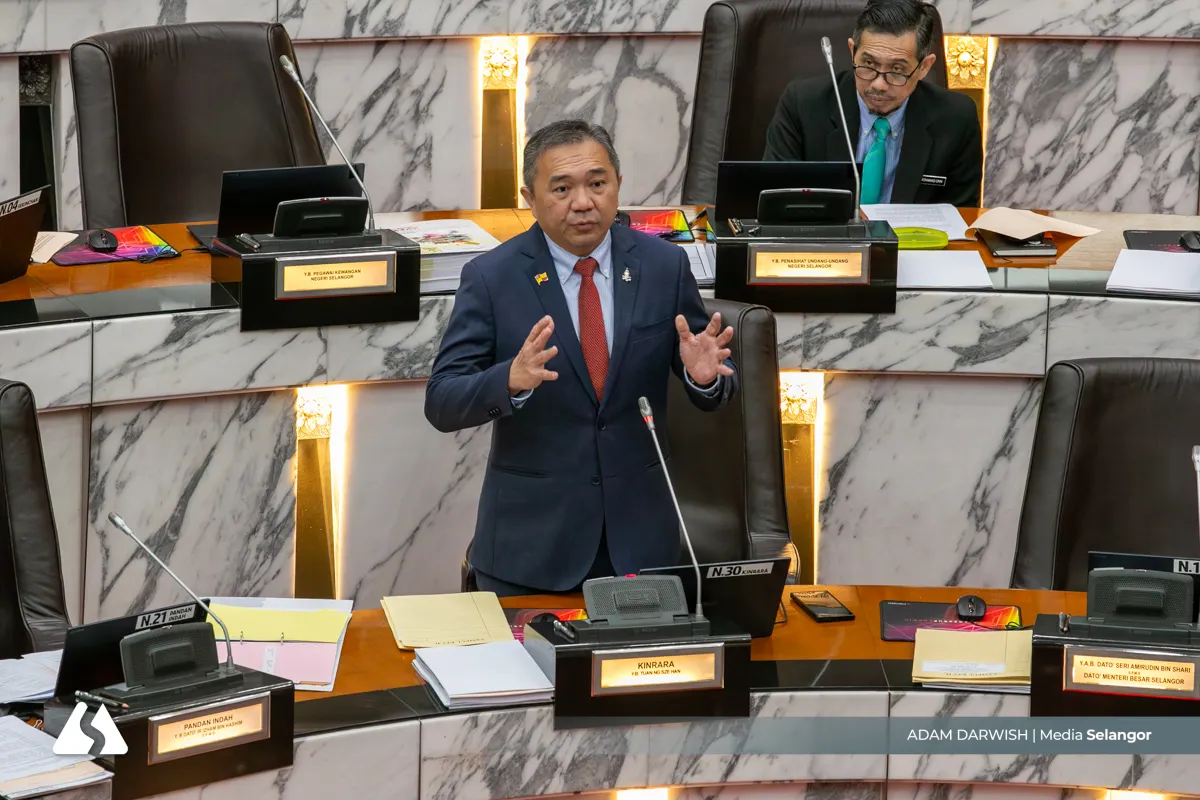
SHAH ALAM, Nov 19 — The state government’s efforts to attract quality investments are not confined to its five main investment partner countries, state executive councillor for investment, trade, and mobility Ng Sze Han said.
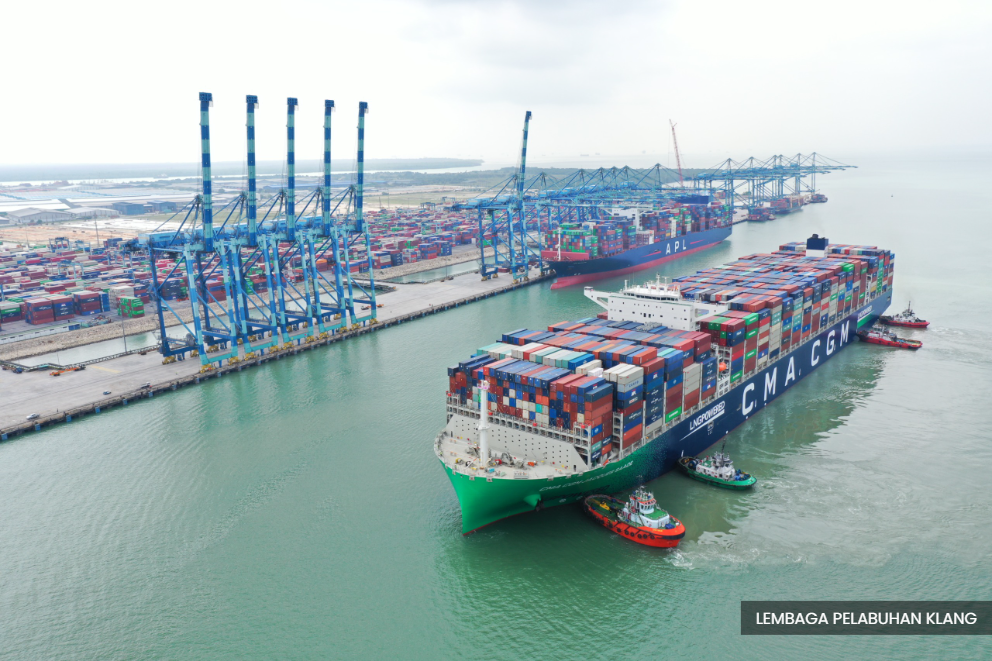
The state, through Invest Selangor Bhd, regularly engages with a range of countries, particularly those involved in the Comprehensive and Progressive Agreement for Trans-Pacific Partnership (CPTPP) and asset management companies, to promote the state’s strengths and position Selangor as a “gateway to ASEAN”.
Efforts to attract quality investments to Selangor are not limited to the five principal investing countries.
“Invest Selangor consistently organises visits and engagement sessions with various countries, especially those under CPTPP, to showcase Selangor’s strengths and to establish it as the gateway to ASEAN.
“Even if the value of approved investments from certain countries is not among the top five, it does not mean there are no investments at all from regions such as Europe.
“In fact, many companies from the Netherlands have established a presence in Selangor and have set up manufacturing facilities here. We will continue these efforts to ensure Selangor remains the top choice for all countries, not just the leading five, but also others looking to expand into the Asian market,” he said in his winding-up speech during the Selangor State Legislative Assembly sitting today.
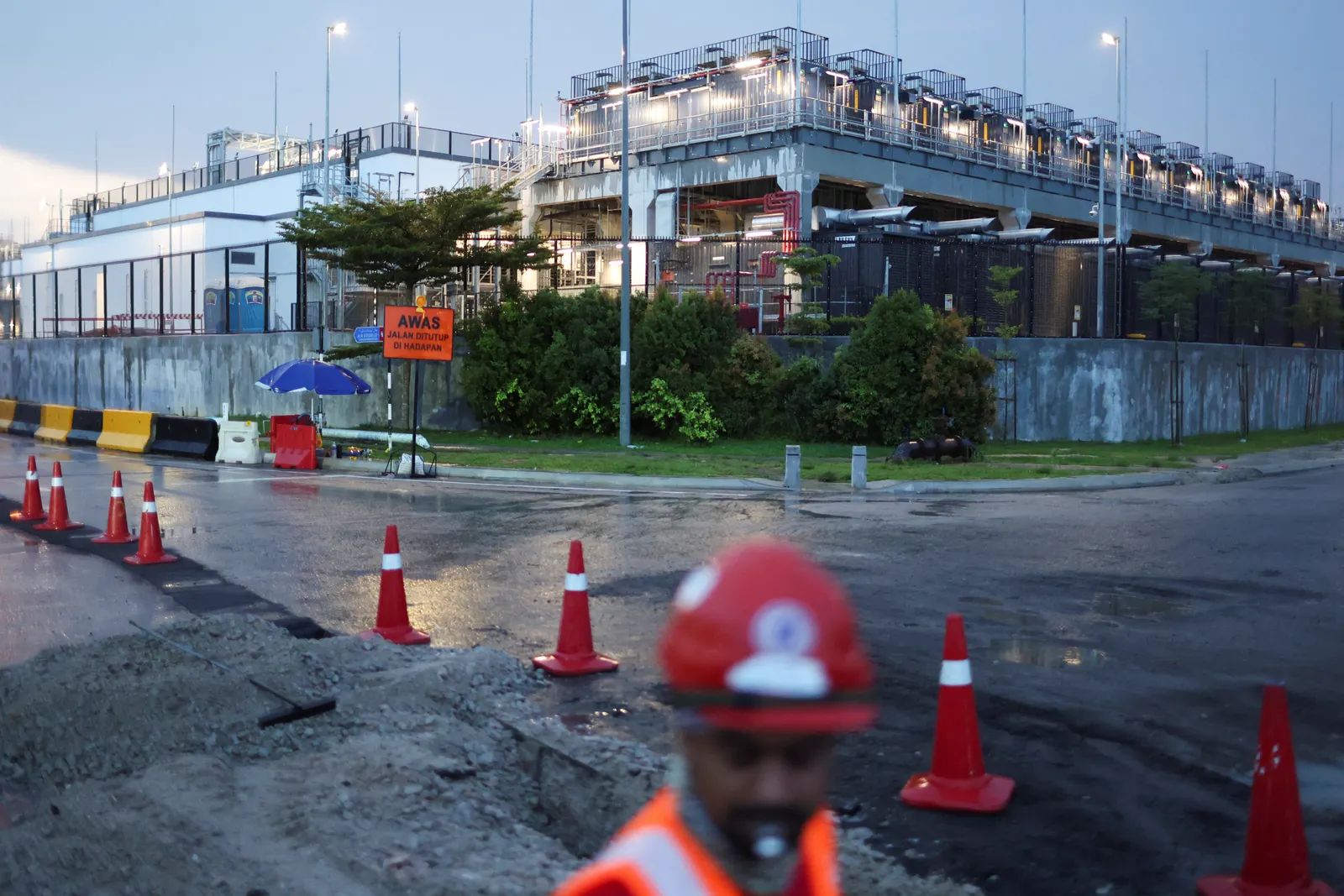
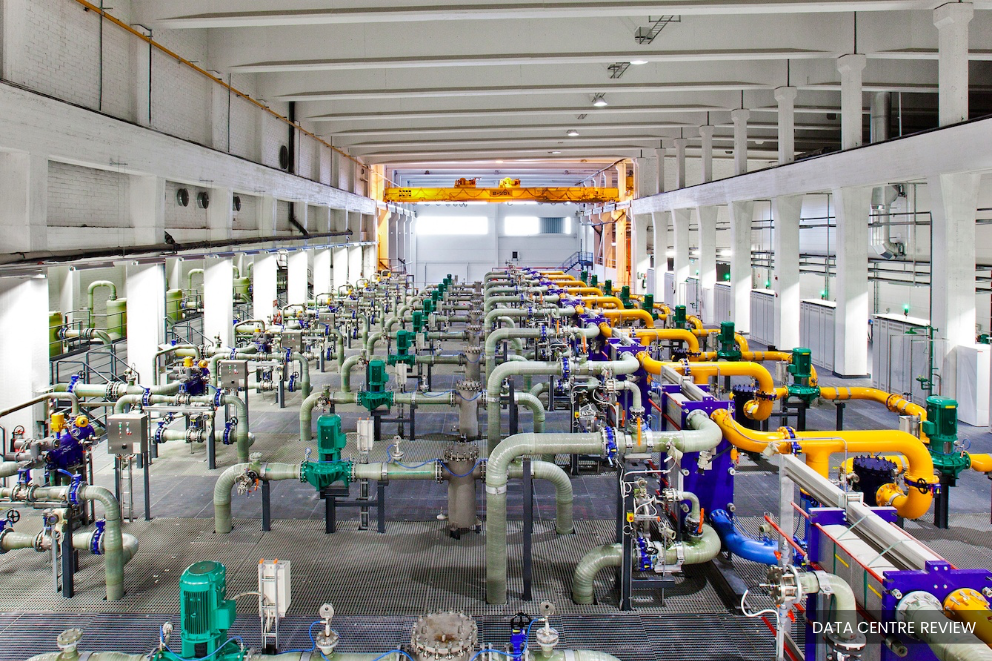
Ng also shared details on the state's data centre industry, with 39 data centres currently operating in Selangor.
“For new applications, I will need to check with the Data Centre Task Force (DCTF), as these applications are typically submitted to DCTF first and, upon approval, then proceed to the relevant local authorities or agencies in Selangor.
“As for DC Union, I have not yet received confirmation of full approval from the state government or its agencies for this year,” he said when responding to questions on data centres in Selangor.
Turning to public transport incentives, Ng highlighted the SEL30 initiative, which aims to encourage more Selangor residents to use public transport daily, regardless of whether they are new or existing users.
“The main aim of the SEL30 incentive is to encourage more people in Selangor to try or use public transport every day,” he said.
The initiative began in June with Demand Responsive Transport (DRT) services, as DRT users previously did not receive any government incentives, unlike bus or rail users who benefit from My50 or My100 travel passes.
“We started with DRT because, unlike rapid buses or the LRT and MRT, DRT users did not receive any incentives. That is why the state government introduced incentives for DRT users to encourage greater uptake.
“In October, we expanded this initiative to KTM train services, as KTM users also did not previously enjoy any incentives. As a result, combining both modes, we have received, if I am not mistaken, close to 15,000 approved applications for the SEL30 pass so far,” Ng said.
He also announced that the proposal to establish a Mobility Nexus next year had been approved, with the Mobility Committee set to integrate data from all modes of transportation to form a more comprehensive dataset.
“The Mobility Nexus will allow us to collect and analyse data across all transport modes. This will also include a study on changes in travel patterns following the introduction of SEL30,” Ng said in response to Hulu Bernam state assemblyman Mui'zzuddeen Mahyuddin’s query on whether it is feasible to include changes in travel patterns in Selangor since SEL30 was introduced.