



SHAH ALAM, Nov 19 — A total of 52 grocery shops have been registered as panel retailers under the Bantuan Kehidupan Sejahtera Selangor (BINGKAS) programme, said state executive councillor for women empowerment and welfare Anfaal Saari.
Anfaal also urged state assemblymen to recommend more shops in their constituencies for inclusion in the programme.
“Although BINGKAS is not specifically targeted at small retailers, the programme has indirectly helped stimulate their businesses through purchases of essential goods by aid recipients at registered panel shops.
“SELCARE, as the implementing agency, is always open to welcoming more retailers, particularly small businesses and neighbourhood grocers, into the BINGKAS and Kita Selangor voucher ecosystem, subject to the stipulated terms and conditions,” she said during the question-and-answer session at the State Legislative Assembly.
She was responding to a question from Sungai Panjang assemblyman Mohd Razali Saari, who sought clarification on the programme's effectiveness and its socio-economic impact on retailers.
Anfaal said participation in the programme could help local businesses attract more customers, increase sales and expand the network of registered panel shops.
She added that the locations of these neighbourhood grocery shops also made it easier for aid recipients to purchase essential goods close to home.
Anfaal reaffirmed the state government's commitment to ensuring the scheme benefits both recipients and the local economy.
“Through this approach, the state government aims to ensure that social assistance not only provides direct benefits to recipients but also supports the local economy, particularly small-scale retailers,” she said.

On inclusivity, Anfaal said the state government continuously reviews and improves BINGKAS eligibility criteria and implementation mechanisms to ensure assistance remains relevant, targeted and reaches those who genuinely need it.
The state has also collaborated with Universiti Malaya's Social Wellbeing Research Centre (SWRC) and Universiti Teknologi MARA (UiTM) to assess the programme's effectiveness.
“The findings from this research have informed improvements to BINGKAS 3.0, including the introduction of a new 'caregiver' category for vulnerable groups, which will be announced in the near future,” she said.
Anfaal assured that the state government was prepared to provide detailed data, noting that SELCARE, as the implementing agency, conducts internal audits in accordance with established standards.
“The state government will continue to audit the BINGKAS programme annually to strengthen governance, improve the efficiency of aid distribution and ensure that every allocation achieves its intended objectives,” she said.
Addressing concerns over transparency and effectiveness, Anfaal said the state government currently had no plans to engage independent auditors or the National Audit Department.
“Internal audits conducted last year have already led to several interventions and system improvements. Should further issues or complaints arise from subsequent internal audits, we will address them accordingly,” she said.
Citing research conducted by UM and UiTM, Anfaal said recipients generally appreciated BINGKAS as it helped ease their financial burden and meet their families' basic needs.
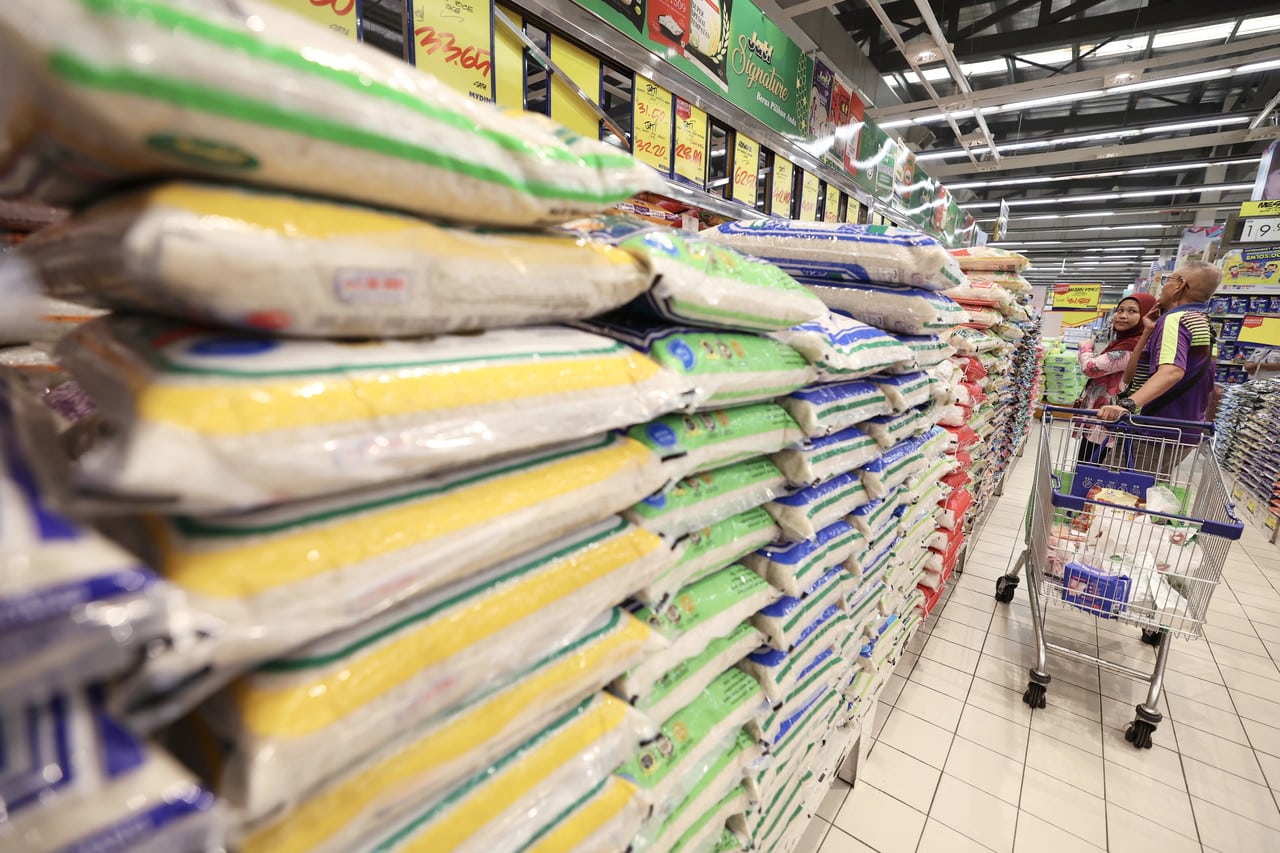
“Transaction analysis also shows that rice is the most frequently purchased item, reflecting the use of assistance in line with the programme's objectives.
“BINGKAS is not specifically aimed at small retailers. However, earlier this year, during the launch of the Selangor economic resilience package, the menteri besar emphasised the importance of using vouchers to stimulate economic activity by encouraging BINGKAS recipients to make purchases at grocery shops,” she explained.
At the administrative level, Anfaal again encouraged state assemblymen to nominate grocery shops in their constituencies for inclusion in the BINGKAS panel.
“This would give these shops the opportunity to become part of the BINGKAS ecosystem. Although supporting small grocers is not the programme's primary objective, the initiative has nevertheless had a positive impact on them,” she added.

