KUALA LUMPUR/SINGAPORE, Nov 17 — Shares of data centre and chip supply chain companies in Southeast Asia tumbled today, as fresh United States (US) curbs on advanced chip exports to the region threatened its US$100 billion (RM409.3 billion)-plus artificial intelligence (AI) industry that has become a major driver of economic growth.
The new rule restricts shipments of advanced chips to the region's major economies, including Malaysia, Singapore, and Thailand, where some Chinese companies have used them to access computing power to train AI models.
It also imposes new requirements on overseas data centres that supply "significant volumes of computing power" to firms headquartered in China.
"Chinese AI developers can no longer bypass physical hardware embargoes by renting advanced US compute power...from overseas data centres.
"The regulatory burden has fundamentally shifted from hardware manufacturers to cloud service providers and enterprises," said research firm Counterpoint's vice president Neil Shah, adding that data centre firms in the region will now face massive "Know Your Customer" requirements.
Shares in Malaysia's data centre infrastructure firms MN Holdings and Critical Holdings both plunged nearly 20 per cent, while Nvidia's AI infrastructure partner YTL Power tumbled nearly 10 per cent.
"For overseas data-centre operators reliant on Chinese customers, this could mean weaker utilisation, pricing pressure, and delayed expansion. Chinese AI developers, meanwhile, could face rising costs and slower development timelines," said Singapore-based Saxo's chief investment strategist Charu Chanana.
Singapore's Frencken, a supplier to Dutch chip equipment maker ASML, slid 3.91 per cent, while semiconductor testing company AEM, which works with Intel, fell 2.9 per cent.
The selloff spread to data centre material suppliers and printed circuit board, thermal-management and energy stocks across China, South Korea, Japan, and Taiwan.
Japan's Mitsui Kinzoku and Furukawa Electric, Taiwan's Delta Electronics, Asia Vital Components, and Auras Technology all dropped more than five per cent.
Chinese technology stocks also fell, with Alibaba shedding five per cent and Tencent losing three per cent.
However, a winner in the fallout was SMIC, China's top contract chipmaker and a key player in Beijing's push for domestic alternatives, which jumped seven per cent.
"Losing remote access creates a severe short-term compute bottleneck for Chinese tech giants, but it is a massive long-term catalyst for decoupling.
"Washington is forcing domestic capital and engineering talent to double down on full-stack sovereign alternatives, accelerating ecosystems," Shah said.
'Unacceptable risk'
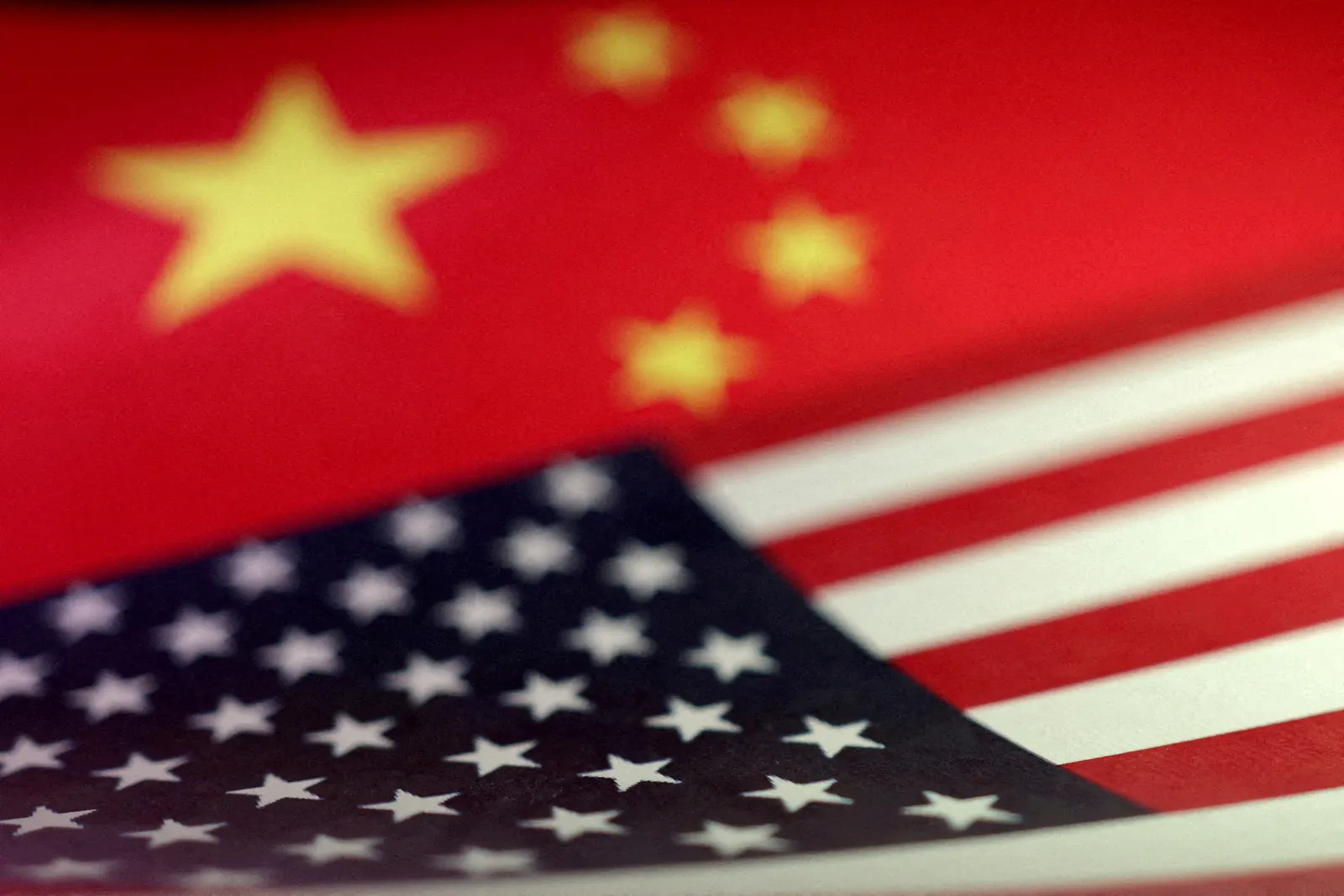
The new rule identifies Singapore, Thailand, Malaysia, Indonesia, and Brazil as countries where advanced chips face an "unacceptable risk" of diversion, requiring shipments of covered chips to those markets to obtain US export licenses.
The rule came days after Nvidia chief executive officer Jensen Huang resigned following reports of an affair with a suspected Chinese spy who worked at Singapore-based cloud company Megaspeed.
The Nvidia partner, which rents computing power at its data centres, has come under scrutiny for possible illegal diversion of advanced AI chips to China.
After the relationship cast a spotlight on Southeast Asia’s data centre and chip industries last week, they braced for heightened scrutiny.
The new rule excludes US companies operating data centres in the region, which some industry executives hope will cushion the impact.
"The situation has triggered...a halt of Chinese end users to utilise GPU as a service in Thailand. That same supply can be re-pivoted to US customers," said the Thai Data Centre Association's vice chairman Supparat Sivapetchranat Singhara, whose organisation has over 100 members.
Economic drivers
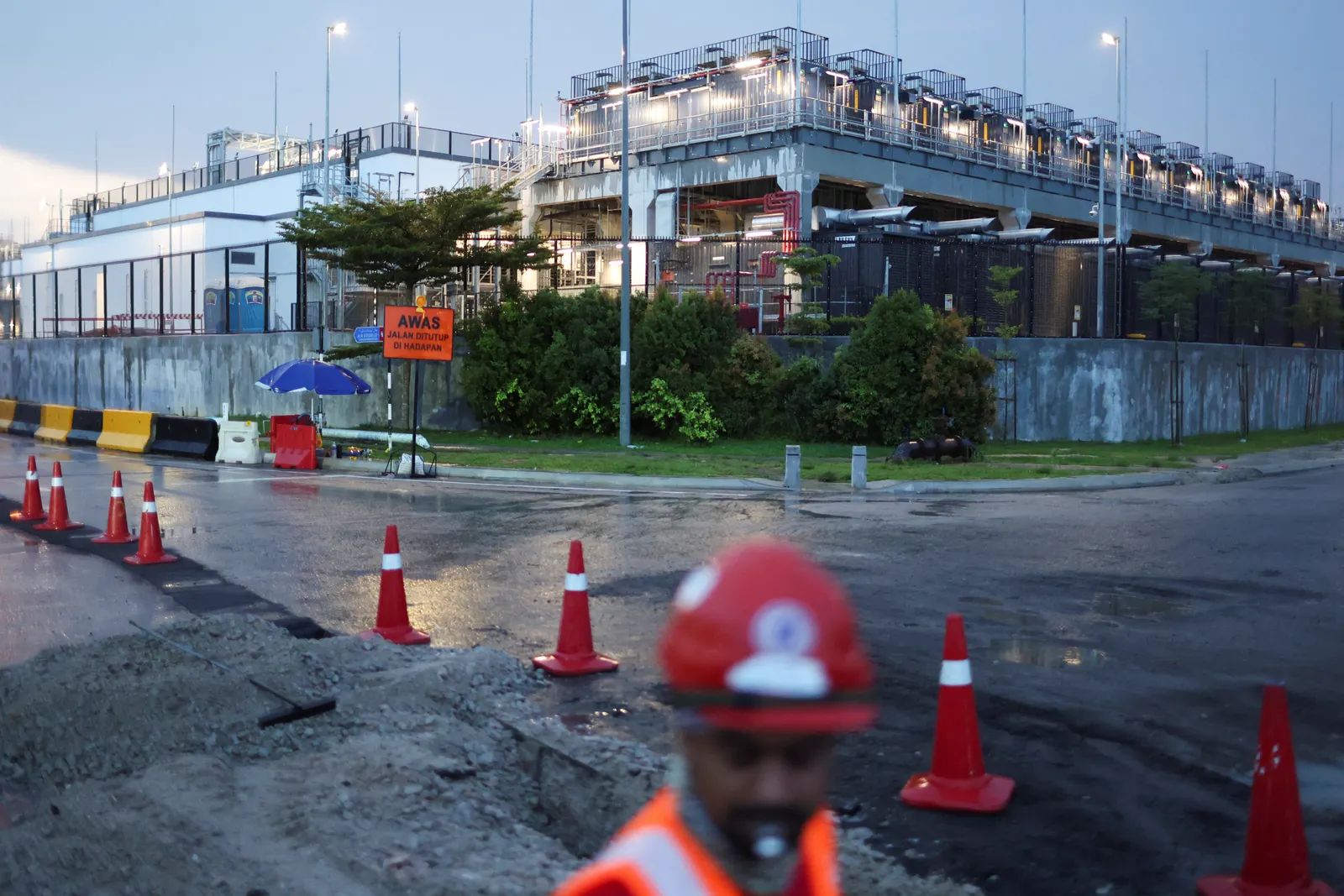
Southeast Asia has emerged as one of the world's fastest-growing data centre markets, attracting tens of billions in investment as global technology companies race to build AI capacity.
The Malaysian Investment, Tradem and Industry Ministry states that the country has approved RM385.7 billion of data centre-related investments since 2021.
Thailand has 42 data centres, representing 3,400 MW of IT load and about ฿750 billion (RM 90.77 billion) in investment as of February.
Indonesia's data centre market was valued at US$2.81 billion (RM11.50 billion) in 2025.
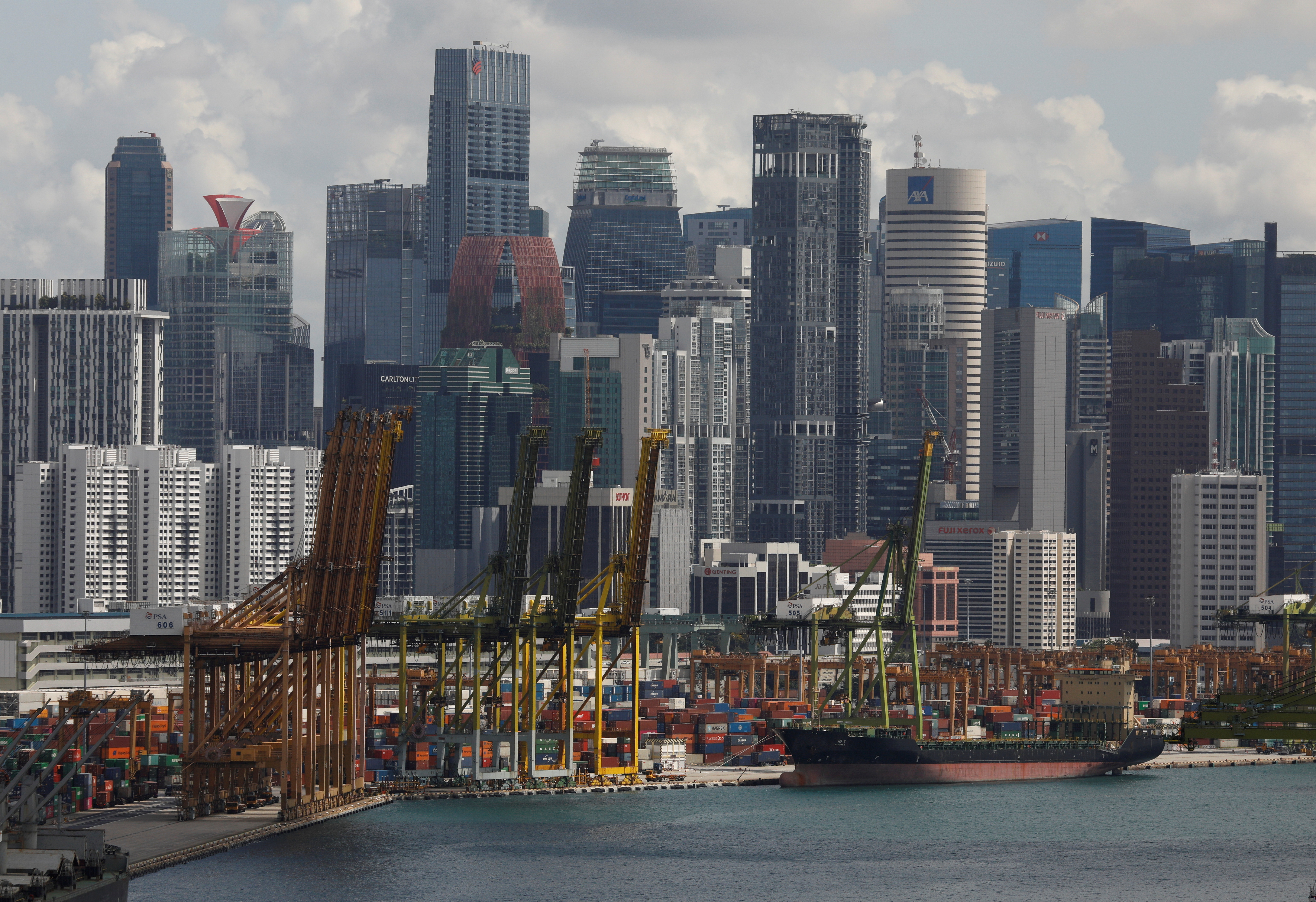
The AI boom has increasingly fuelled regional economic growth, with Singapore raising its economic growth forecast in August to 4.5 per cent-5.5 per cent this year, from 2.0 per cent-4.0 per cent, citing the AI boom.
In Malaysia, growing data centre development projects pushed the construction sector up 6% in the third quarter of 2026.
Investment, Trade, and Industry Minister Datuk Seri Johari Abdul Ghani said there are no plans to talk with the US about the new curbs, and data centre firms must comply.
"If you want to be in this game, you have to follow the regulation," he told the media today.
Singapore authorities said they are studying the details of the new US measure carefully and engaging with affected companies to assess its impact. They are also contacting US authorities about the rule's scope and implementation.
The wealthy city-state has become a key site for Chinese firms to set up offices in recent years, in efforts to "Singapore-wash", or domicile in trade-focused Singapore to reduce risks from China-US tensions.