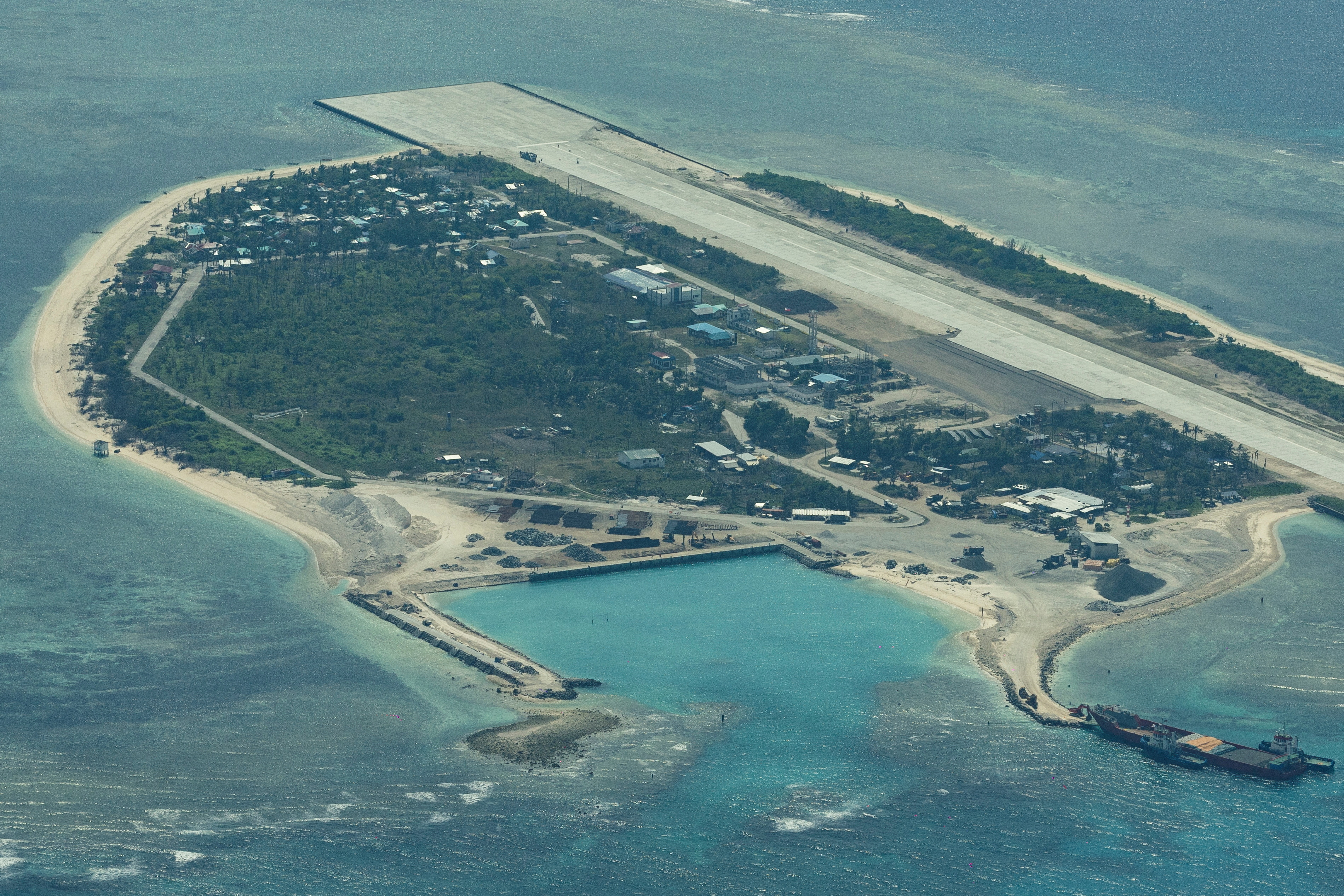
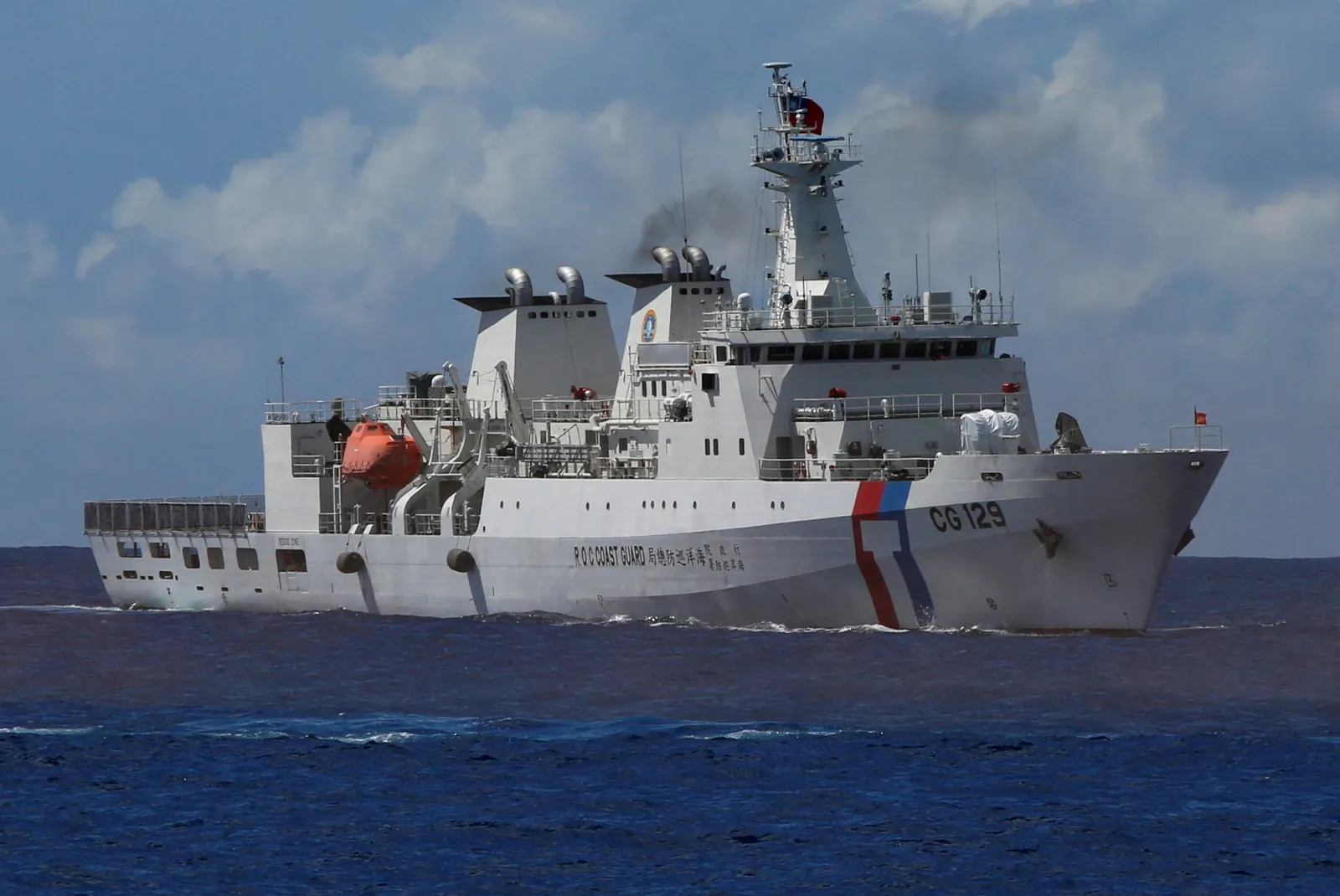
MANILA, Nov 16 — Philippine President Ferdinand Marcos Jr. has urged ASEAN and China to exercise self-restraint and resolve disputes peacefully in the South China Sea as negotiations on a long-awaited Code of Conduct (COC) remain unfinished despite substantial progress.
He acknowledged progress towards a substantive and effective COC, saying both sides had built on guidelines adopted in 2023 to advance work on a code consistent with international law, including the 1982 United Nations Convention on the Law of the Sea (UNCLOS).
“Our shared commitment to international law and the peaceful settlement of disputes must be reflected in our actions,” Marcos said during the 29th ASEAN-China Summit today, calling for mutual respect and practical cooperation.
The ASEAN-China Summit comes as negotiations on the COC, originally targeted for completion by year-end, are set to continue into 2027 under Singapore’s ASEAN chairmanship.
Yesterday, Philippine Foreign Affairs Secretary Ma. Theresa Lazaro said that negotiations are in their final stage, with provisional agreement reached on about 80 per cent of the draft.
ASEAN and China signed the Declaration on the Conduct of Parties in the South China Sea (DOC) in 2002 to promote peaceful dispute settlement and regional stability. The proposed COC is intended to build on that declaration by establishing more substantive rules to manage tensions and prevent incidents in the disputed waters.
The ASEAN-China Summit also marked 35 years of ASEAN-China dialogue relations and five years of their Comprehensive Strategic Partnership.
Marcos noted that this year marked the 50th anniversary of the Treaty of Amity and Cooperation in Southeast Asia (TAC), to which China became the first ASEAN dialogue partner to accede in 2003.
China's accession affirmed Beijing’s commitment to the treaty’s principles and its recognition of ASEAN’s central role in the region.
“Even amid regional and global concerns, ASEAN and China continue to find common ground and pursue tangible cooperation,” he said, citing a joint statement on addressing the regional impact of developments in West Asia and strengthening regional energy cooperation.
The President also highlighted opportunities for ASEAN and China to tackle plastic pollution, citing the participation of companies from both sides in an International Atomic Energy Agency forum held in Manila in November 2025.
Meanwhile, Chinese Premier Li Qiang called on ASEAN and China to safeguard free trade amid rising trade restrictions, saying the upgraded ASEAN-China Free Trade Area (ACFTA 3.0) would help build a more integrated regional market.
“China and ASEAN countries share a long history of friendly exchanges,” he said, adding that cooperation in the digital and green economies and artificial intelligence had advanced rapidly over the past five years.
He cited the Jakarta-Bandung High-Speed Railway and the China-Laos Railway as examples of stronger regional connectivity.