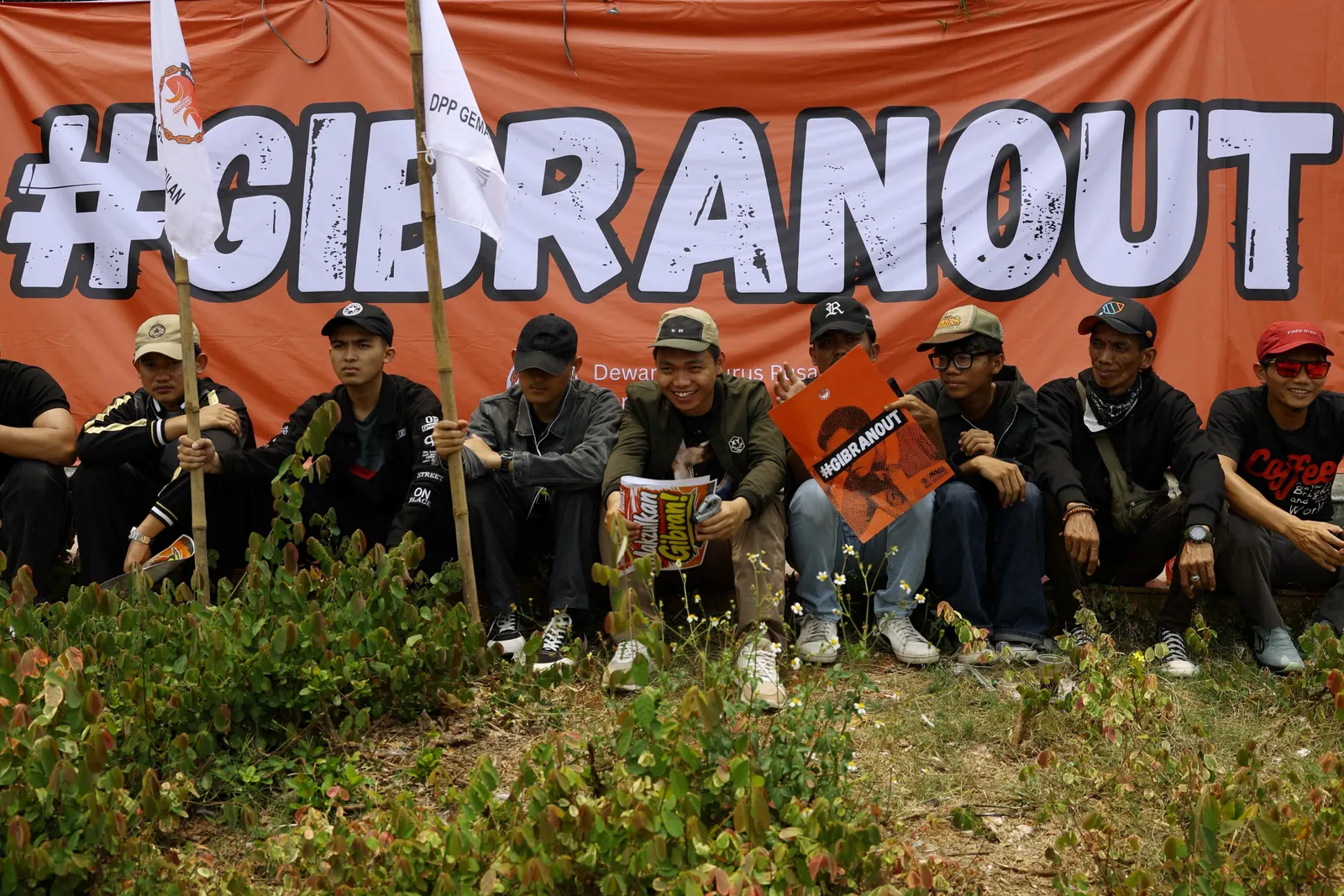
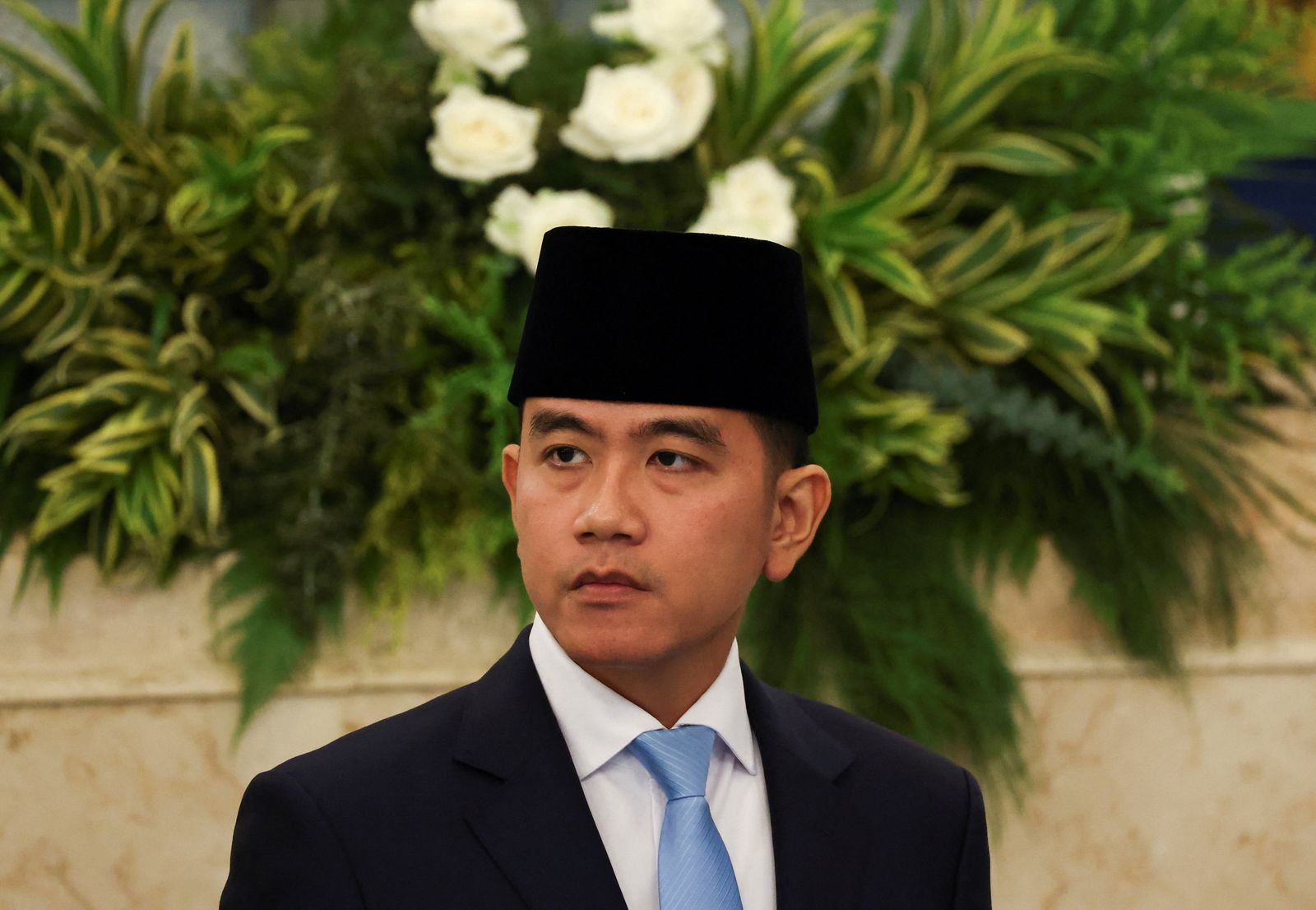
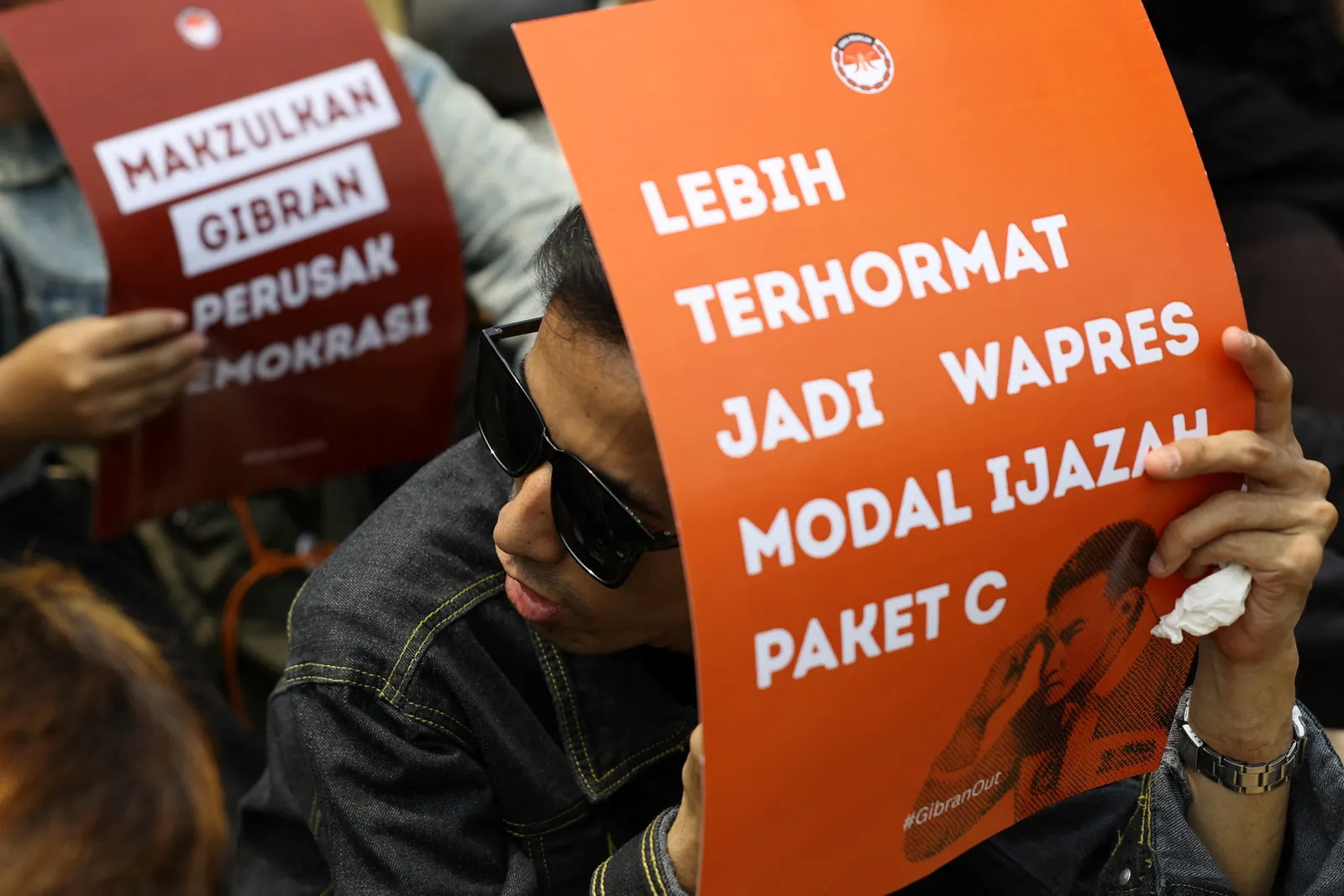
JAKARTA, Nov 11 — Indonesia's Vice President Gibran Rakabuming Raka has resigned, a move that threatens to split a key political alliance and risks further political uncertainty in Southeast Asia's largest economy.
Gibran, the 39-year-old son of former president Joko Widodo, has come under intense scrutiny from lawmakers following Constitutional Court and Supreme Court rulings last month that his education documents did not meet election requirements.
His aide Budi Arie Setiadi told Reuters that Gibran tendered his resignation to President Prabowo Subianto earlier today.
Separately, two sources at the Parliamentary Upper House, which will oversee the process of approving his resignation and selecting a replacement, said he will submit his resignation letter to the Upper House tomorrow morning.
Gibran's departure comes amid growing signs of strain in the political alliance between Prabowo, a powerful former general, and Widodo, also known as Jokowi, a highly popular leader who twice defeated Prabowo for the presidency before throwing him his support after facing term limits.
Political analysts say an open split could spark further instability for an administration hit by scandals over signature programmes, such as its free school meals policy, and doubts over its handling of the economy.
Investor sentiment has weakened towards Indonesia this year amid heightened scrutiny of the government's fiscal plans and broader policy direction, as well as lingering downgrade risks for its stock market from global index provider MSCI.
Gibran's office did not immediately respond to a request for comment.

Last week, Prabowo fired his chief of staff Listyo Sigit Prabowo (unrelated), who was widely seen as a Jokowi loyalist, after he was arrested on accusations of bugging the President, among other figures.
Calls for impeachment
Gibran said he would resign during a meeting with Prabowo yesterday.
Senior Law Minister Yusril Ihza Mahendra said that the Parliamentary Upper House will have to convene a session to declare a vacancy after Gibran submits his resignation letter, while writing a letter to the President requesting that he submit two names for his replacement.
After that, the Upper House will have to hold an election within 60 days.
Earlier today, some 120 Indonesian lawmakers from across the political spectrum submitted a petition demanding Gibran's impeachment, fuelling tensions around his political future.
Mardani Ali Sera, one of the lawmakers who signed the petition, said that he "no longer meets the requirements as vice president as stipulated in Indonesia's constitution".
Eligibility questions
Gibran faced complaints over whether his education credentials met legal requirements, and yesterday, the Supreme Court said it was instructing the Education Ministry to withdraw Gibran's education equivalence certificate, which the court had annulled.
Gibran, who studied abroad, used the certificate to comply with education requirements and run in the 2024 election, which he won alongside Prabowo.

Indonesian election law requires vice-presidential candidates to have completed senior high school or an equivalent level of education, but the court found that the certificate was issued based on evidence that did not actually prove Jokowi's eldest son had graduated.
"No evidence was found to show Gibran had a foreign diploma or certificate that could serve as the basis for equivalency with a senior high school or equivalent qualification," the court said in the ruling.
The Supreme Court also considered the Constitutional Court's ruling, which said Gibran's education documents did not meet election requirements.
His spot on the 2024 ticket was previously marred by ethics complaints after the Constitutional Court, then led by his uncle, removed an age limit that would have prevented his candidacy.
Australian National University researcher Sana Jaffrey said the crisis showed how the political fortunes of a small number of elites took precedence over the country’s need for effective and stable governance.
"Prolonged uncertainty at the highest levels of power will only deepen anxieties at home and abroad about where the country is headed," she said.