SHAH ALAM, Nov 9 – The Health Ministry has placed 85 emergency medical response teams comprising 873 personnel on standby as floods in Selangor and Perak affected 987 people from 283 families.
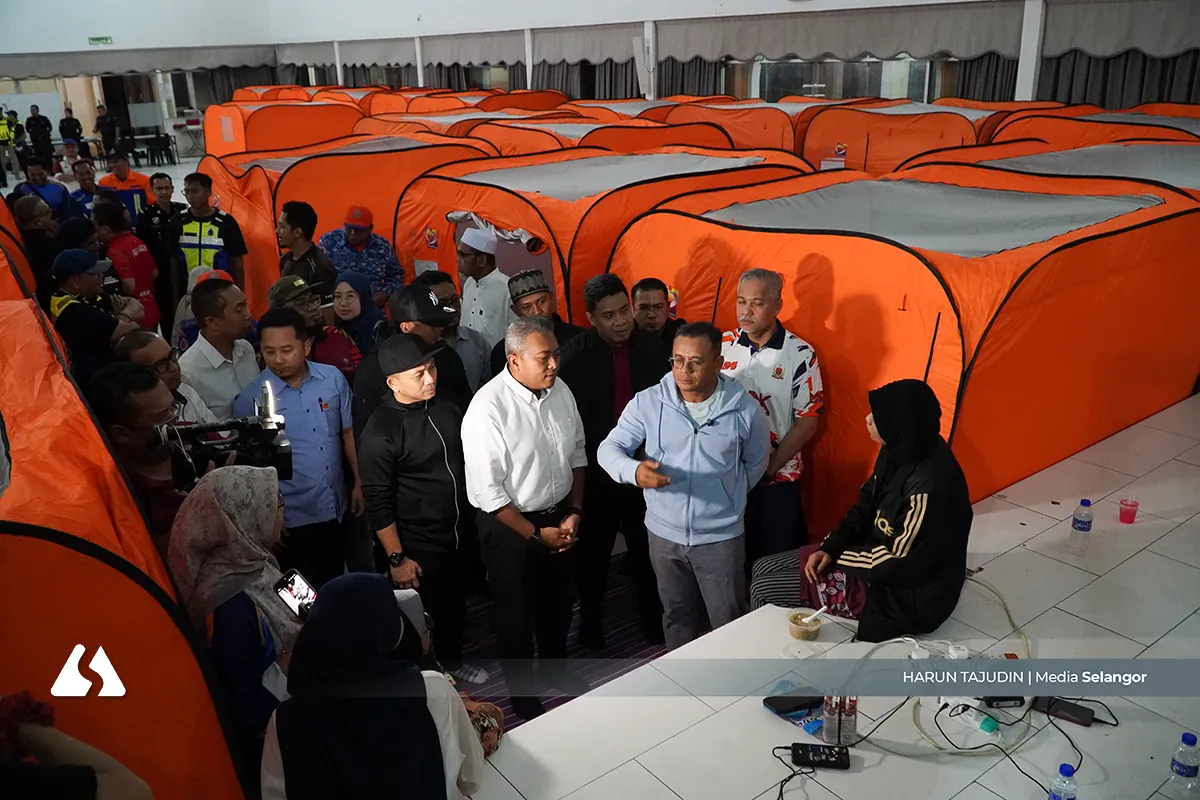
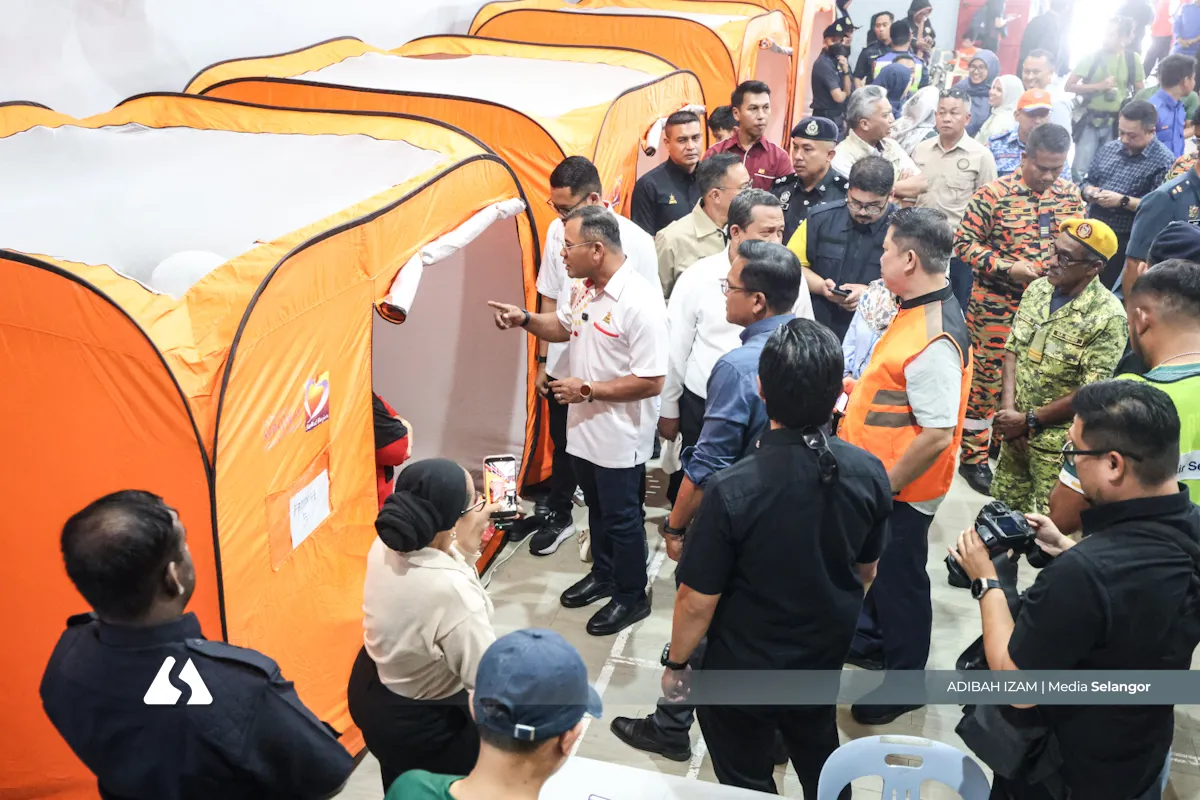
In a statement today, the ministry said the flood victims were being sheltered at seven active temporary relief centres (PPS) across the two states as of 6am.
It said the teams, which would be mobilised when necessary, comprise 36 Rapid Assessment Teams (RAT), Health Rapid Response Teams (RRT), 34 Medical Rapid Response Teams and 15 Mental Health and Psychosocial Support (MHPSS) teams.
“These teams are responsible for conducting health risk assessments, providing medical services and emergency treatment, carrying out infectious disease surveillance and control, as well as offering mental health and Psychosocial support to flood victims,” it said.
The ministry also has prepared 128 vehicles to support personnel mobilisation and field operations, while medicine supplies related to floods remain stable, with sufficient stocks estimated to last between one and three months.
“Stock monitoring and coordination of additional supplies will continue to ensure sufficient medical supplies to meet treatment needs,” it said.
The ministry said the National Crisis Preparedness and Response Centre (CPRC) has been on alert mode since October 27, with continuous monitoring of flood conditions, healthcare facility preparedness and coordination of response efforts.
It said the Northeast Monsoon (MTL) season, which began on October 27, is expected to continue until March 2027.
“During this period, the Malaysian Meteorological Department (METMalaysia) expects three to five monsoon surges that could bring heavy rainfall, particularly to the eastern and southern parts of Peninsular Malaysia, eastern Sabah, and western and southern Sarawak.
“The risk of flooding could increase if continuous rainfall coincides with high tides,” it said.
Meanwhile, the ministry has also identified healthcare facilities at risk of flooding, along with alternative facilities to ensure uninterrupted medical services.
Preparations include protecting medical equipment and arranging early evacuations for high-risk patients, including pregnant women and those requiring haemodialysis.
At PPS, the ministry also provides health assessments, infectious disease monitoring, environmental hygiene inspections, food and water safety checks, vector control and mental health support.
“These measures aim to reduce the risk of flood-related illnesses such as diarrhoea, food poisoning, leptospirosis and respiratory infections,” it said.
The ministry also advised flood victims to maintain personal hygiene, avoid contaminated food and water, and seek immediate medical attention if they experience symptoms such as fever, diarrhoea, vomiting or muscle pain.
The public was also reminded to follow evacuation instructions and avoid wading through floodwaters because of the risk of injury, drowning, and electrocution.
“Members of the public are reminded to always comply with instructions from the authorities, evacuate to temporary relief centres when directed and avoid wading or playing in floodwaters, as this could lead to injuries, drowning and electrocution,” the statement read.