


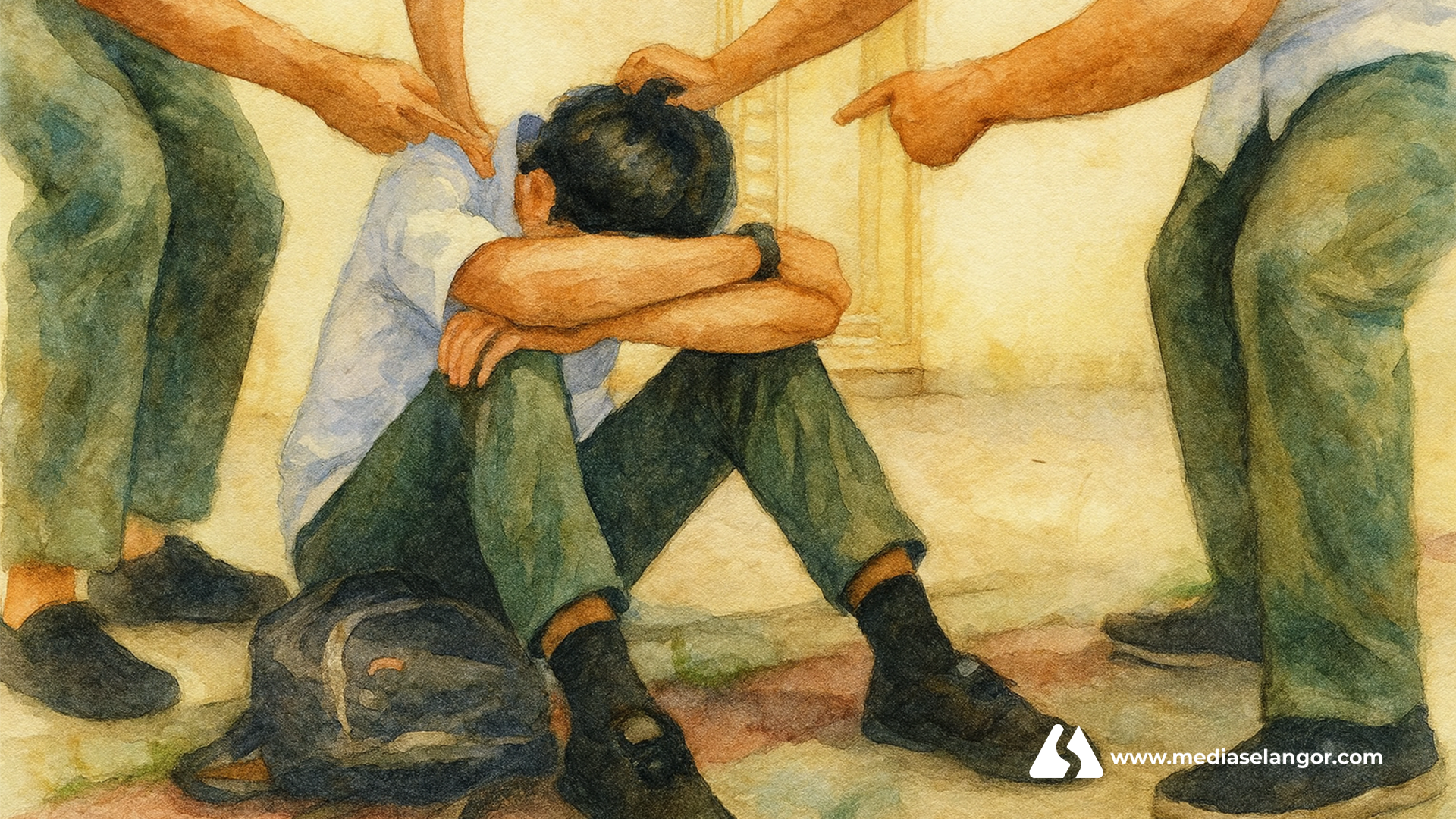

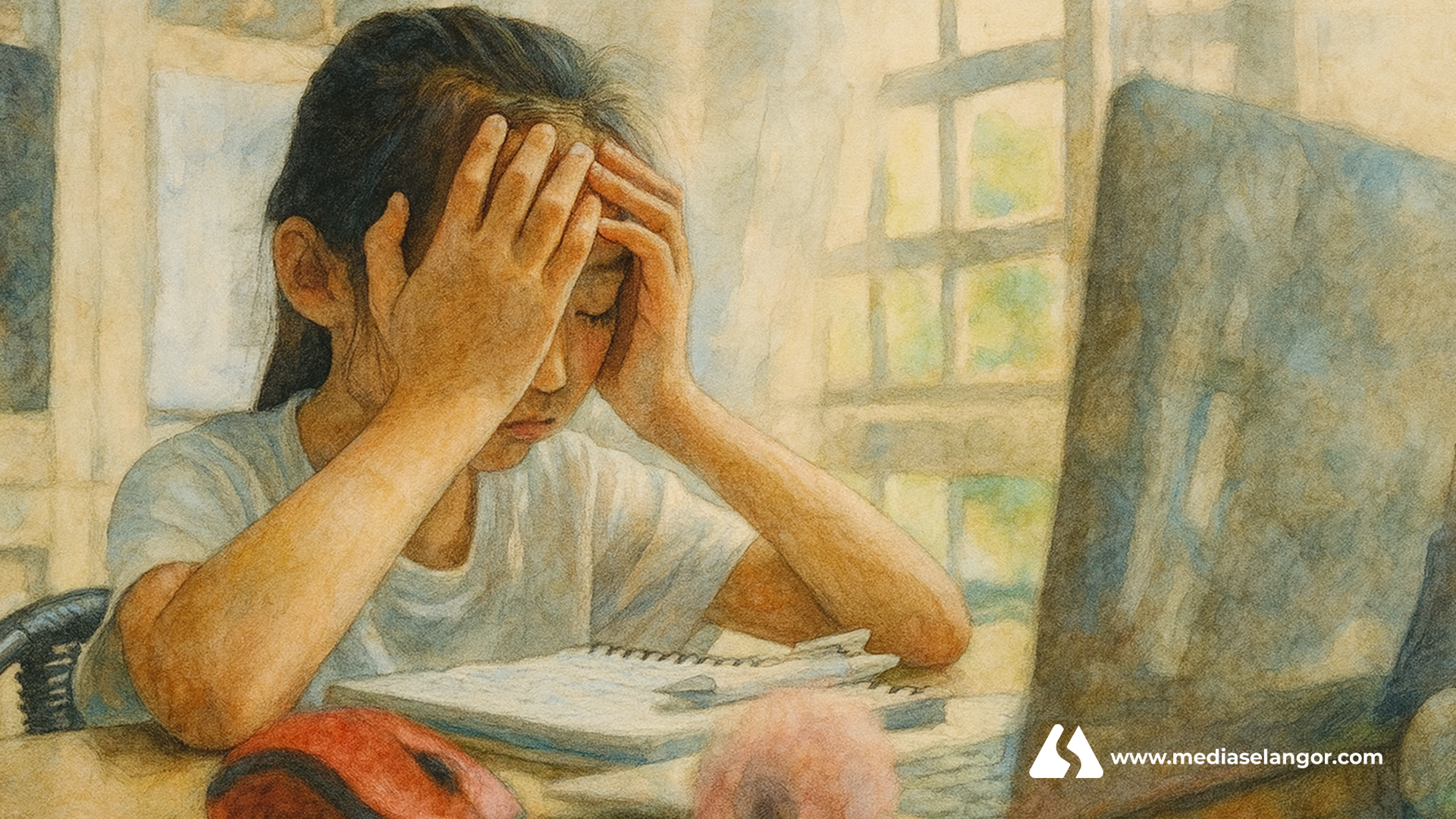
SHAH ALAM, Nov 21 — Exposure to violent film, series or other media content may influence how teenagers perceive and respond to aggression, but it does not automatically lead to violent behaviour.
Psychologist Dr Liley Afzani Saidi said several factors, including family backgrounds and social environments, determine how teenagers interpret and react to such content.
“But I would not say that watching violent films or dramas will automatically make someone violent.
“We need to look at the individual, their emotional development, family background, and the environment they grow up in,” she said in an interview with Media Selangor.
Dr Liley was responding to whether violent content could be a contributing factor to more extreme bullying cases among teenagers nowadays.
She said that adolescents are still developing their emotional regulation, judgement, and impulse control, making some more vulnerable to negative influence.
“Teenagers who struggle to manage their anger, rejection, or frustration may be more susceptible to such content, particularly when violence is portrayed as a way to gain power, attention, or respect,” Dr Liley said.
However, she emphasised that the issue is not merely what they watch on the screen but how they process and manage their emotions and receive guidance from teachers and parents.

While studies have found an association between exposure to violent media and aggressive behaviour among adolescents, Dr Liley noted that the relationship may work both ways.
“For example, a longitudinal study by Kjærvik and colleagues last year, involving more than 2,000 adolescents, examined how exposure to violent media was associated with different forms of aggression over time.
“Another study by Dou and Zhang, also published in 2025, also reported a reciprocal relationship between violent media exposure and aggression.
“Some adolescents may become more accepting of aggressive behaviour through repeated exposure, while those who already have aggressive tendencies may also be more attracted to violent content.
“However, we need to be careful when interpreting these findings. Aggressive thoughts or behaviours are not necessarily the same as serious acts of violence,” Dr Liley said.
Media exposure alone is rarely sufficient to explain why teenagers become violent, but there is a need to understand their emotional experiences, family relationships, peer environment, and existing behavioural patterns.
She also urged parents and teachers to watch for repeated threats, rising hostility, intimidation, difficulty controlling anger, and aggressive reactions to minor disagreements, warning that such behaviour could escalate into violence.

Teenagers may respond differently to the same violent content depending on their emotional resilience, self-esteem, impulse control, upbringing, and peer influences.
Dr Liley noted that teenagers may imitate actors, influencers, or fictional characters as they develop their identities and seek social acceptance, particularly when likes, views, and online approval become closely linked to their self-worth.
The concern arises when teenagers associate aggression, intimidation, or dominance with confidence, respect, and power, although positive role models can also encourage discipline and empathy.
Online conflicts, cyberbullying, and family environments where aggression is normalised may increase emotional pressure on teenagers, particularly those struggling to manage difficult emotions.
“If a teenager grows up in an environment where shouting, threats, or aggression are commonly used to settle disagreements, these responses may gradually become normalised,” she said.

On mental health, Dr Liley cautioned against assuming that teenagers experiencing psychological difficulties would become violent, since most do not engage in such behaviour.
However, difficulties involving emotional regulation, impulsivity or behavioural control may become relevant when combined with previous aggression, substance use, exposure to violence, or ongoing conflicts.
She said that sadness, withdrawal, and irritability may indicate emotional distress, while repeated threats, escalating aggression, or plans to harm others require closer attention and assessment.
“We should also take specific threats, discussions about harming others or indications of planning violence seriously,” Dr Liley said.
Digital resilience, family support, and positive role models are similarly important in helping teenagers think critically, regulate their emotions and make responsible decisions.
She said that digital resilience refers to an individual’s ability to recognise and manage online risks, cope with negative digital experiences, and recover from their emotional impact, according to the United Kingdom Council for Internet Safety.