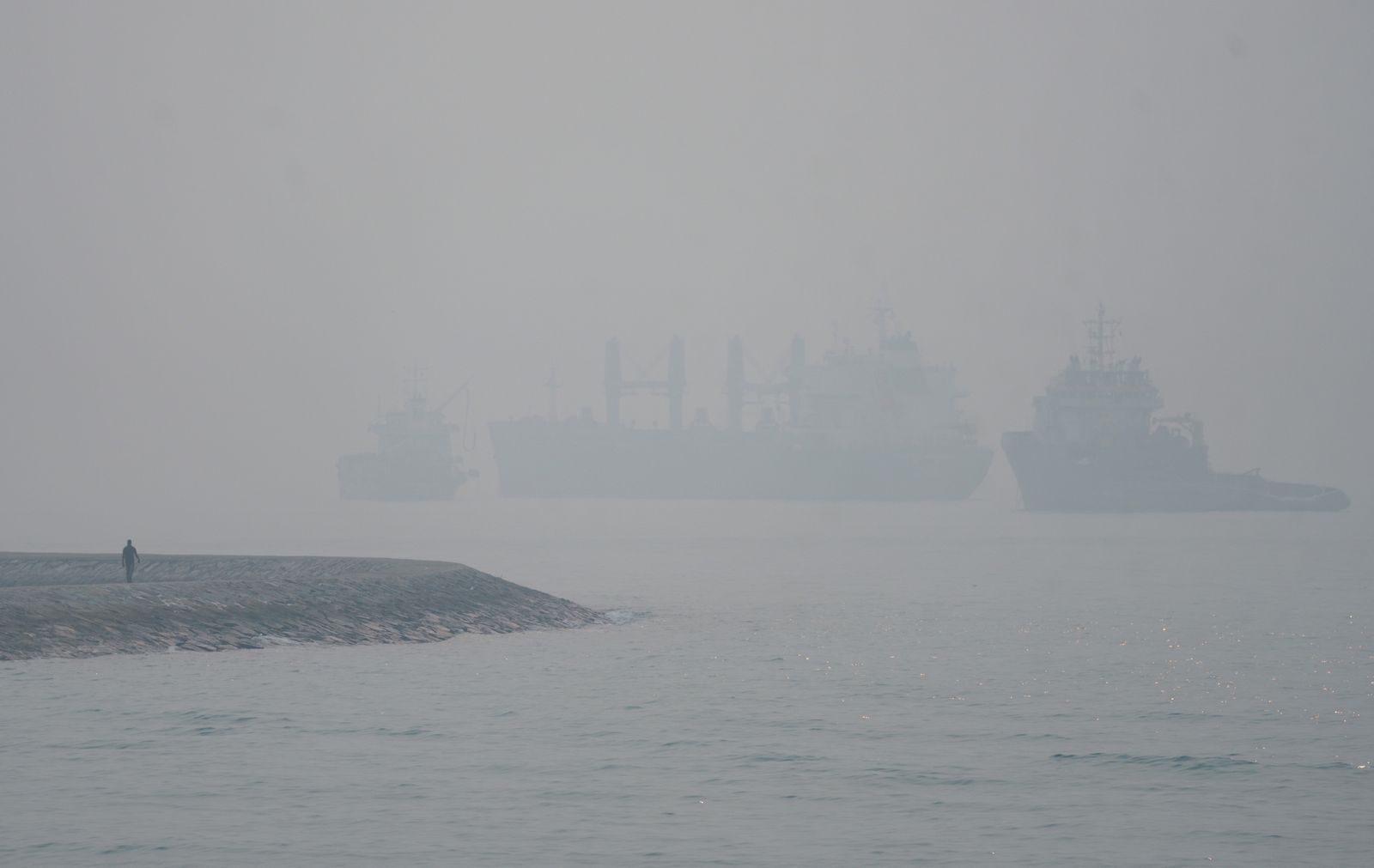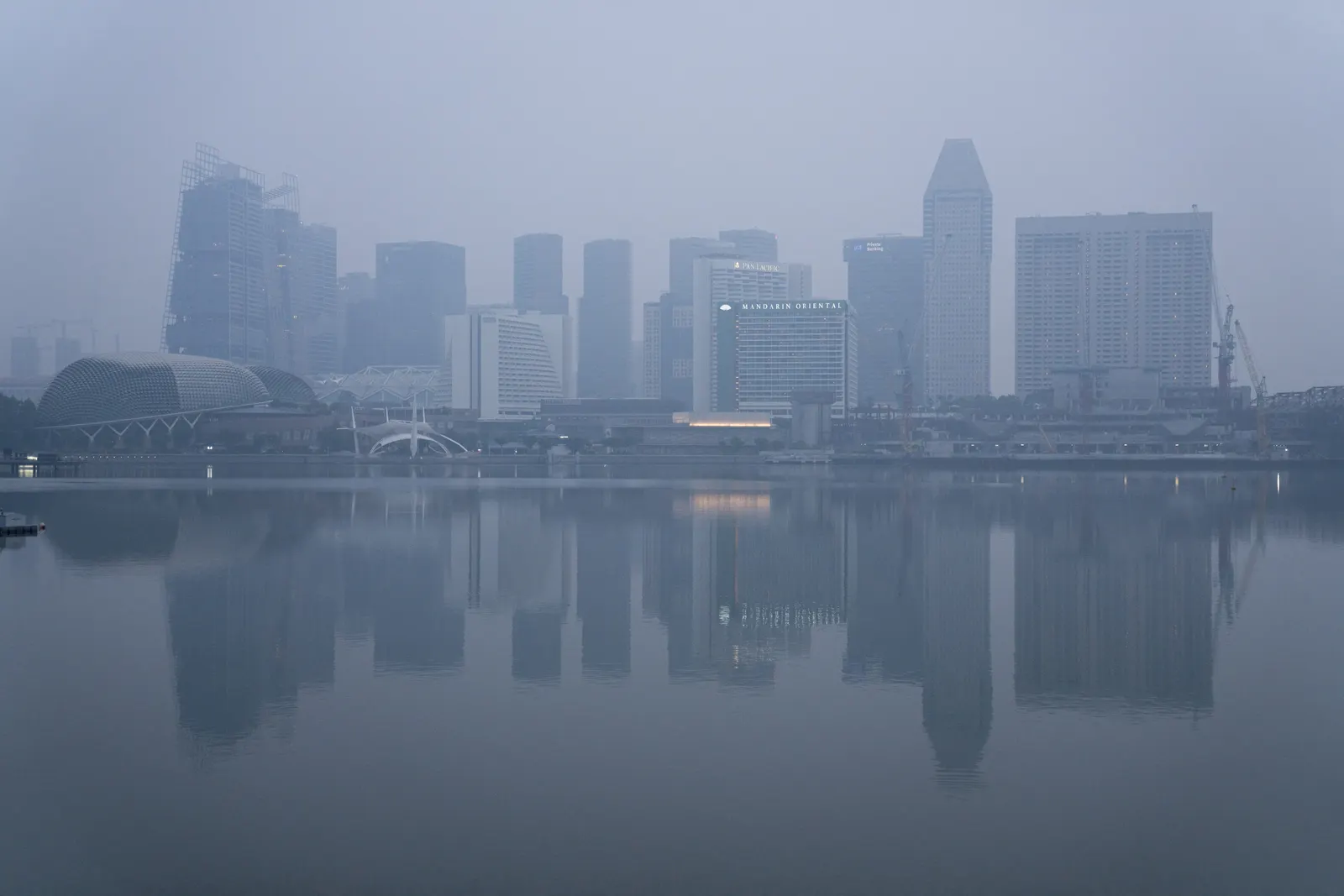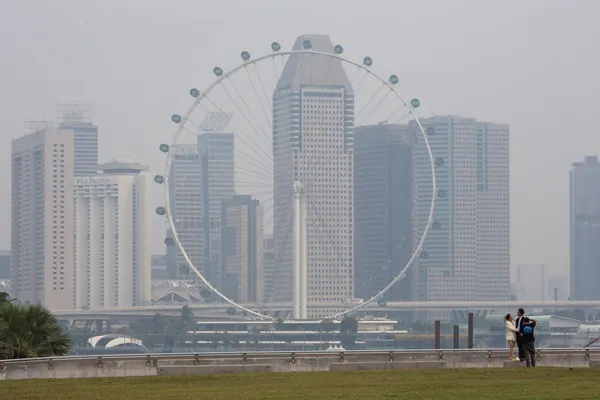
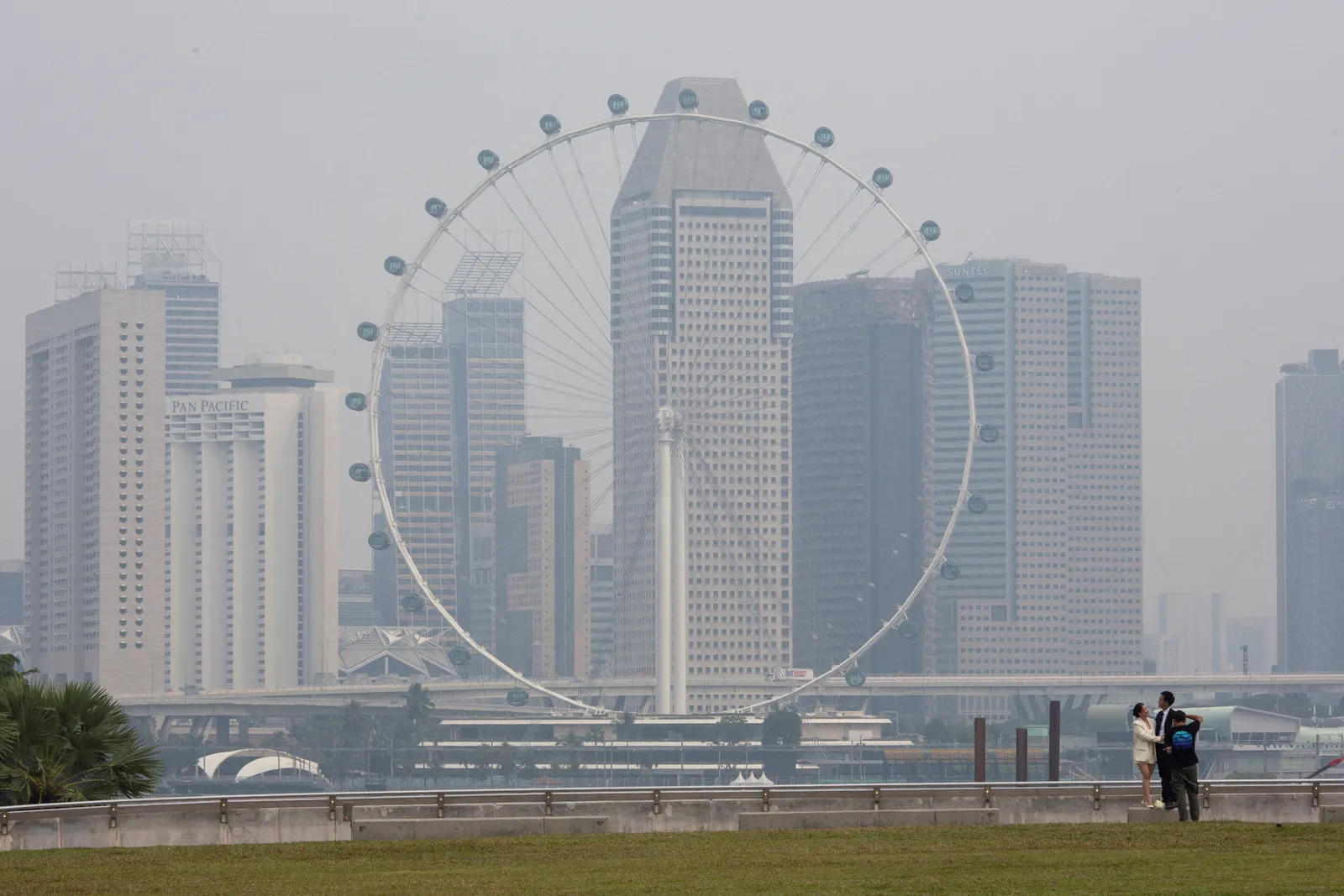
SINGAPORE, Nov 5 — Singapore's Parliament passed amendments to the Transboundary Haze Pollution Act (THPA), including higher maximum fines and stronger investigative and enforcement powers against entities responsible for cross-border haze.
The amendments raise the maximum fine for the main offence tenfold from SG$2 million (RM6.35 million) to SG$20 million (RM63.51 million), while increasing the daily fine from SG$100,000 (RM317,538) to SG$1 million (RM3.18 million) for causing or contributing to land or forest fires that risk causing haze in Singapore.
The amendments also expand investigative powers to trace commercial links and impose restrictions across business arrangements and supply chains to hold entities accountable, while removing legal barriers to enforcement in line with international law.
Sustainability and the Environment Minister Grace Fu said the amendments would strengthen Singapore's standing as a jurisdiction with credible and robust environmental standards.
"Transboundary haze is complex, but we are committed to doing what we can within our powers to reduce incentives for unsustainable forestry and agricultural practices.
"The amendments we are making show our commitment to ensuring traceability of our supply chain and curtailing economic benefits of companies engaged in or linked to unlawful practices," she said in her winding-up speech following the Parliamentary debate yesterday.
Fu added that Singapore will continue working with regional partners, including through its role as host of the ASEAN Specialised Meteorological Centre and its 2027 ASEAN Chairmanship, to strengthen the bloc's long-term capacity to tackle transboundary haze.
"The THPA is not a silver bullet; it is one of many tools we must use to address the transboundary haze situation," she said.
Meanwhile, Singapore Institute of International Affairs chairman Simon Tay said the amendments will strengthen penalties against companies responsible for transboundary haze.
"The THPA is a legal weapon that can be used against corporations; it will enable Singapore to act effectively against errant companies," he told Bernama.
However, Tay cautioned that tougher legislation alone cannot prevent future haze incidents, particularly amid climate change.
"Cooperation within the ASEAN framework and with Indonesia and neighbouring countries will also be essential," he said.