LONDON, Oct 29 — Oil prices fell today, paring gains made a day earlier, as hopes for peace talks took the edge off renewed concerns over West Asia supply disruptions from escalating regional conflict.
Brent crude futures declined US$1.55, or 1.34 per cent, to US$113.77 a barrel by 1314 GMT. US West Texas Intermediate (WTI) crude futures were down US$2, or 1.95 per cent, at US$100.78.
Brent rose 1.3 per cent and WTI gained 3 per cent yesterday.
US Vice-President JD Vance sought to revive peace negotiations by sending a letter to Iranian Security Council chief Mohsen Rezaei, the Wall Street Journal said yesterday, citing US officials and people familiar with the matter.
“Oil prices are under pressure today amid renewed diplomatic efforts to de-escalate the conflict in West Asia,” UBS analyst Giovanni Staunovo said.
Qatari mediators have presented Iran with a new draft deal to end the war with the US and Israel, an official briefed on the negotiations said, but a senior Iranian official dismissed it as unacceptable ideas that did not amount to an offer.
Iran’s foreign minister yesterday said Tehran continued to give diplomacy a chance to succeed and flagged the possibility of completing its seven-day plan in less than a week if adopted.
Concerns over intensified attacks by Yemen’s Iran-aligned Houthis and fears the US may launch an attack on Iran following its midterm elections set for November 3, limited the decline, however.
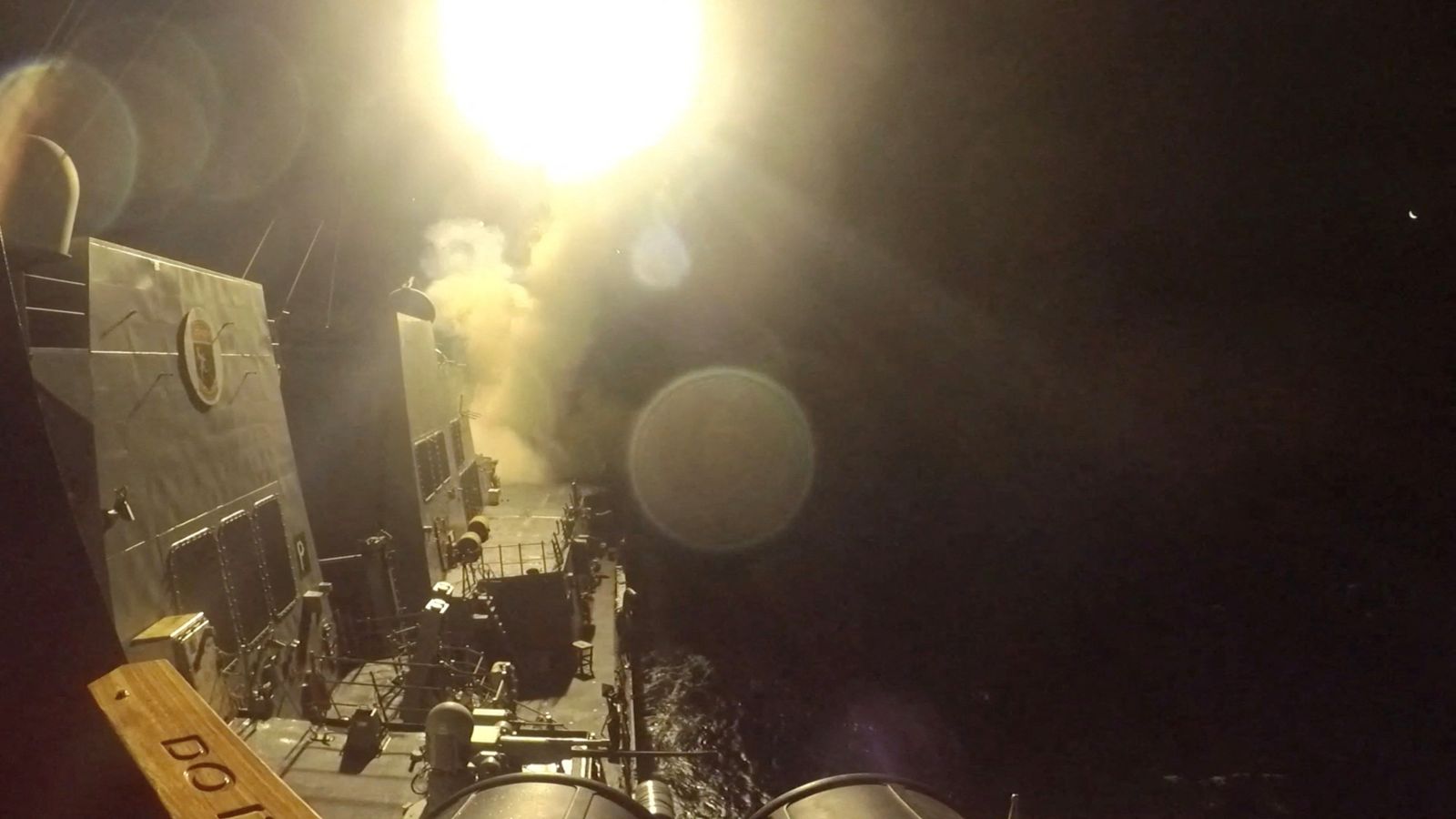
The Saudi-led coalition fighting the Houthis said it destroyed a ballistic missile fired by the group towards the kingdom’s eastern region early today, as hostilities between the two sides show no signs of abating.
The Houthis attacked Aden airport yesterday, Yemeni government forces said.
The attack came a day after the Houthis said they hit Saudi Arabia’s biggest oil refinery with a missile, stepping up strikes against the world’s second-largest crude producer after the US.
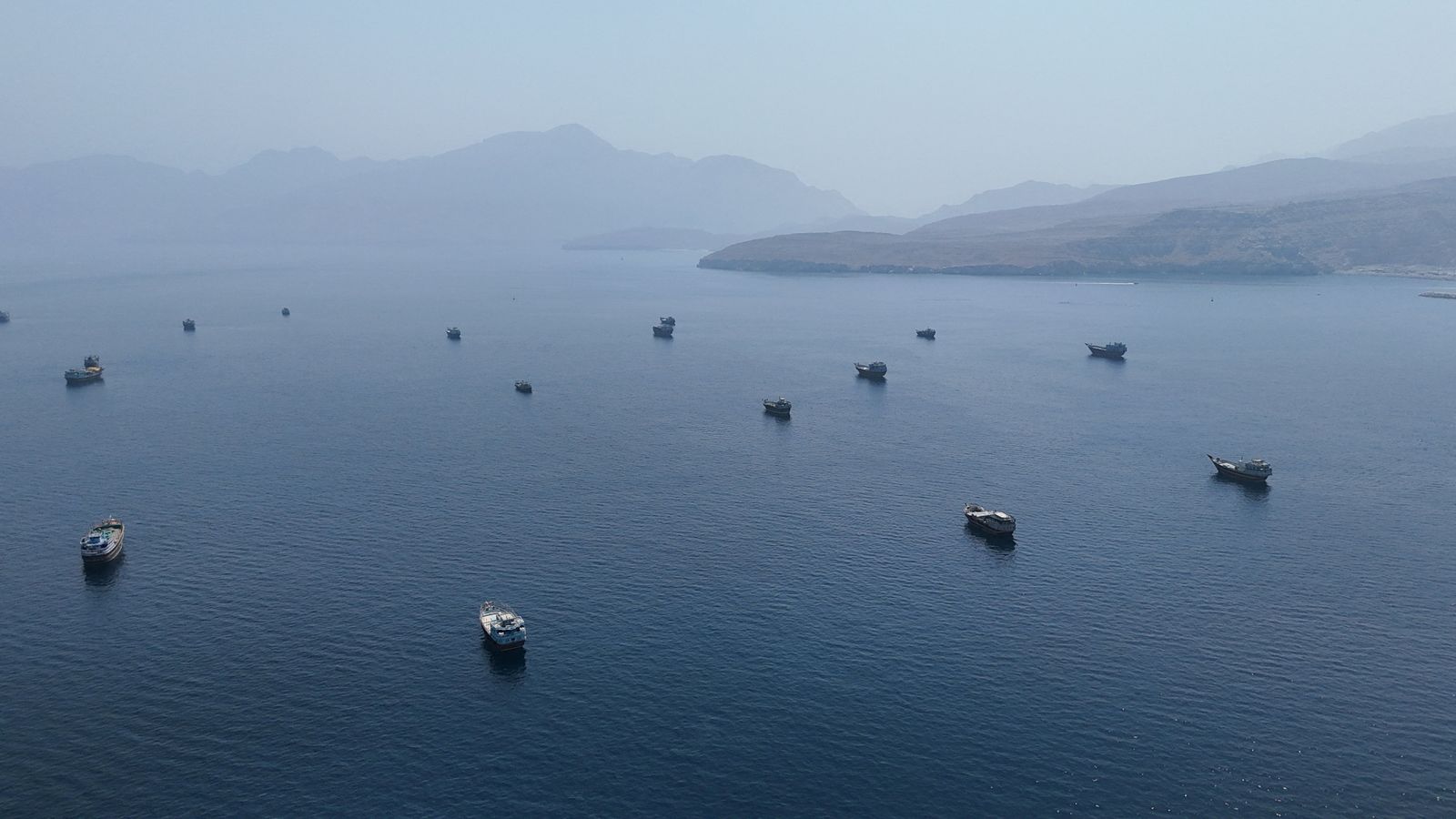
Meanwhile, Iran’s Revolutionary Guards said three tankers hit sea mines, exploded and caught fire while attempting to use an unauthorised route south of the Strait of Hormuz over the past 24 hours.
Some expectations of rising crude and diesel production from Russia also kept a lid on prices.
“Since the October 15 strike on the Ryazan refinery, there have been no further confirmed attacks on Russian refining infrastructure,” JPMorgan analysts said in a note late yesterday. “The silence has allowed Russian refinery runs to rebound by 350,000 barrels a day last week, to four million barrels a day.”
US crude and distillate inventories fell due to higher demand, while gasoline stockpiles rose in the week ended October 23, the Energy Information Administration said yesterday. However, analysts at ship-tracking firm Kpler highlighted that export figures reported by the EIA are higher than their own tracking systems.