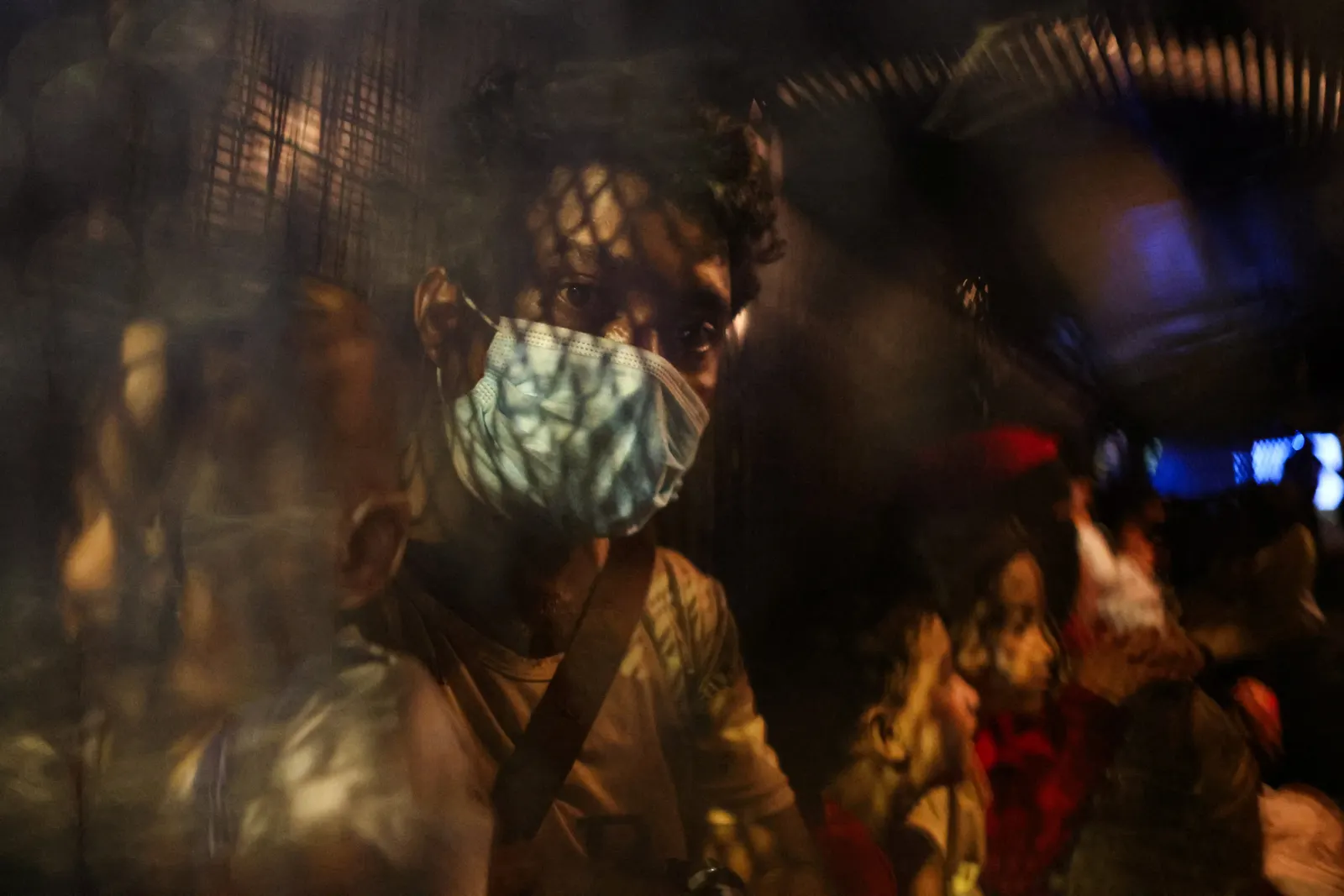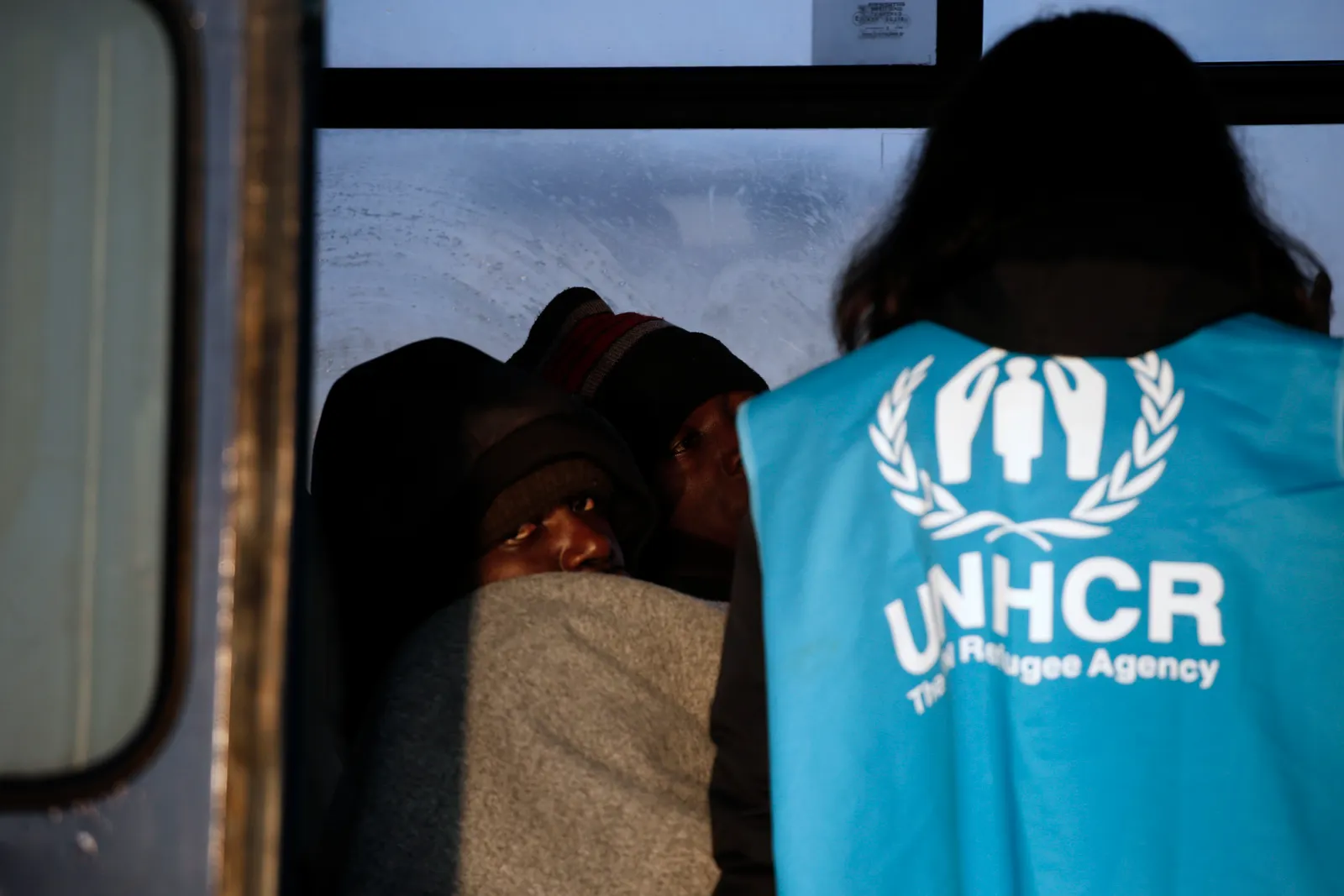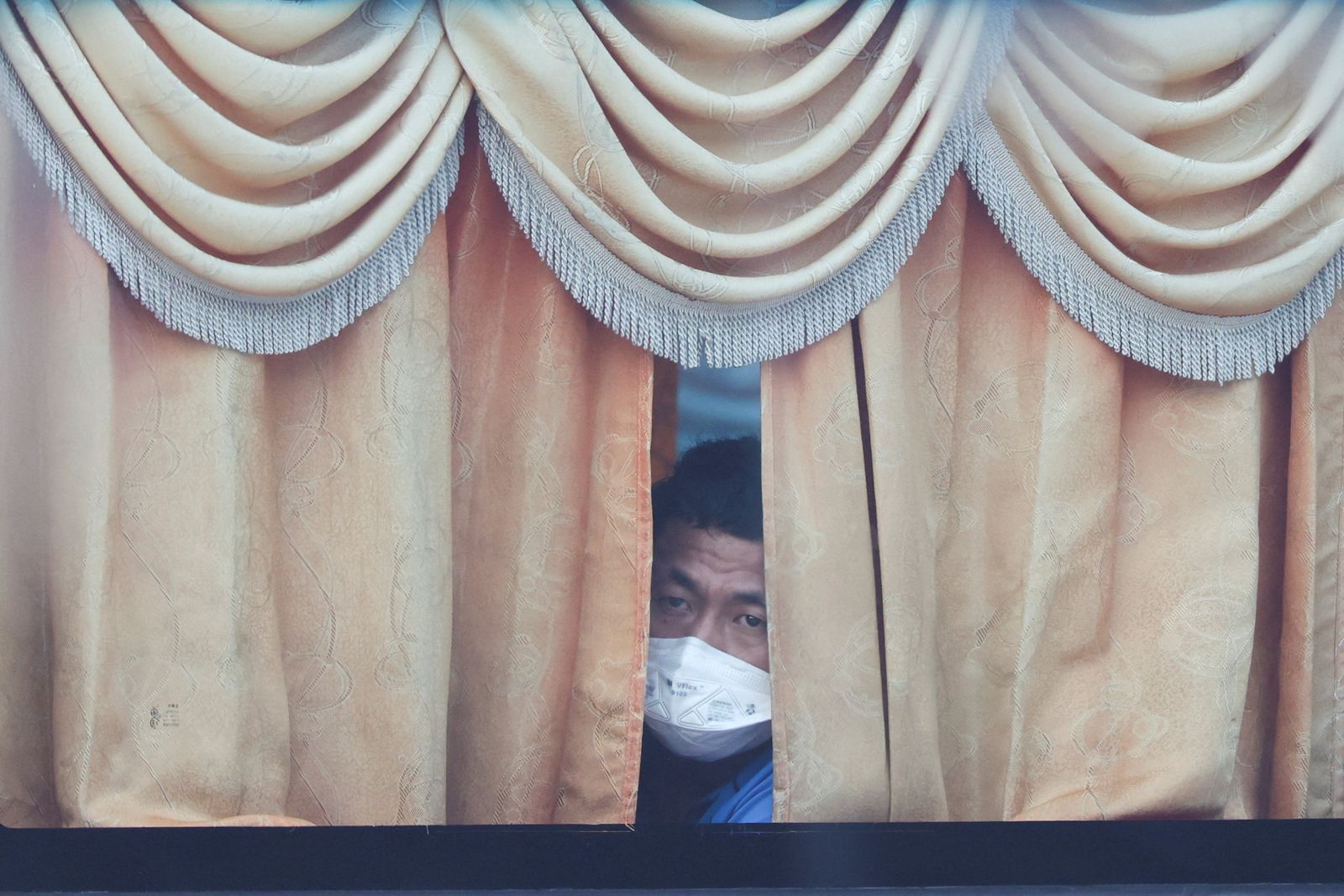
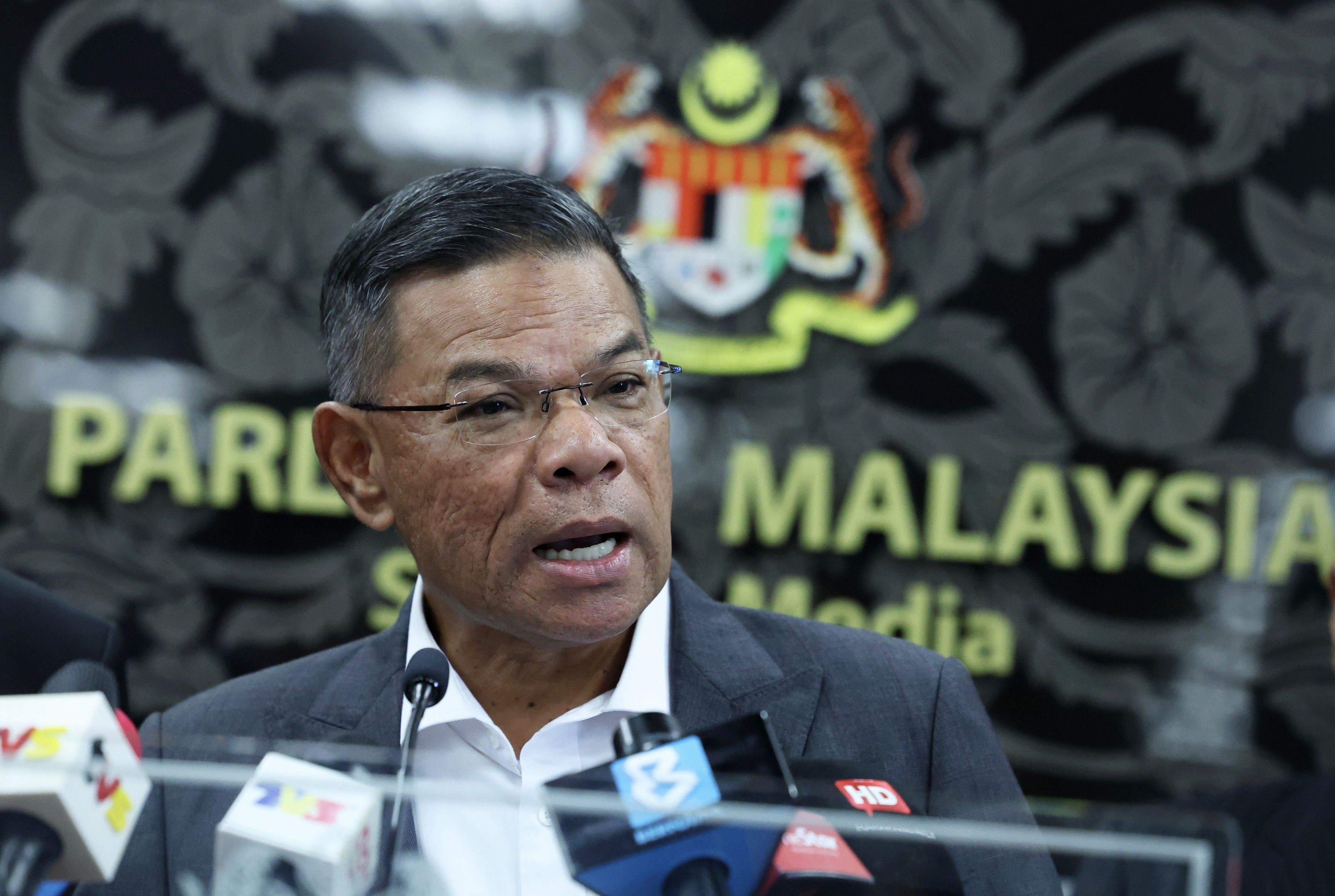
SHAH ALAM, Oct 28 — Refugees and asylum seekers registered under the government's Refugee Registration Document (DPP) programme will be granted conditional access to formal employment to prevent exploitation and reduce Malaysia's dependence on foreign workers.
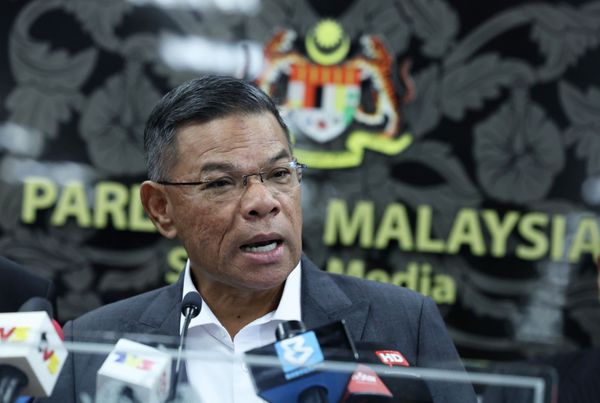
Home Minister Datuk Seri Saifuddin Nasution Ismail said the initiative aimed to prevent refugees from entering the shadow economy or falling victim to exploitation by syndicates.
"This work authorisation serves as an alternative to bringing in new foreign workers from abroad, in line with the 13th Malaysia Plan (13MP), which aims to reduce the country's economic dependence on foreign labour.
"In addition, the skills and work experience acquired by DPP holders will improve their prospects of securing resettlement in third countries through complementary pathways," he said in a parliamentary reply yesterday.
He was responding to Batu Gajah MP Sivakumar Varatharaju Naidu, who had asked about the government's long-term strategy for managing Rohingya refugees.
Introduced on January 1, 2026, the DPP programme aims to register personal information, collect biometric data, conduct background checks and security screenings, and determine the refugee status of individuals holding United Nations High Commissioner for Refugees (UNHCR) cards or those claiming to be asylum seekers.
The programme, currently in its first phase, focuses on individuals held at immigration detention depots.
"A total of 4,008 detainees have been identified as individuals who may qualify for temporary protection in Malaysia as refugees, subject to the outcome of the government's security screening and refugee status determination process," Saifuddin said.
He said verified refugees would receive a DPP card allowing them to reside temporarily in Malaysia, excluding Sabah, Sarawak and Labuan, provided they renew their passes annually and obtain special permission from the Immigration Department before travelling between states.
He added that healthcare would be provided through insurance or paid services without government subsidies, while refugee children would receive basic education and training through private institutions.
"The implementation of the DPP aims to manage the temporary presence of its holders, not to grant them permanent settlement in this country."
Saifuddin said that, in the long term, refugees would either be resettled in a third country, returned to their country of origin when conditions permit, or deported if they committed crimes or violated DPP conditions.