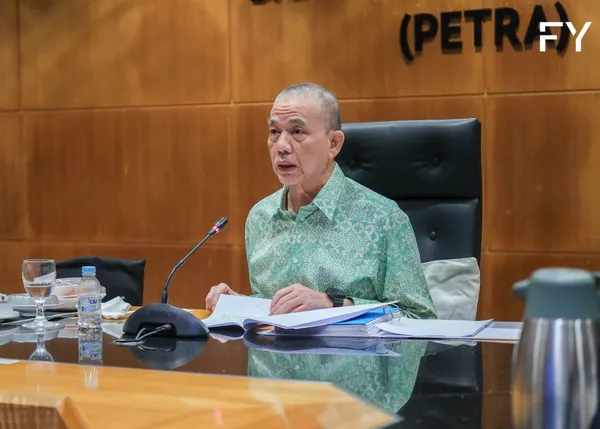

KUALA LUMPUR, Oct 27 — The government is studying a proposal about activating the Automatic Fuel Adjustment (AFA) mechanism in phases from 2027 to ensure fairer, better-targeted electricity bill protection, said Deputy Prime Minister Datuk Seri Fadillah Yusof.
He said the study is being conducted by the Energy Transition and Water Transformation Ministry (PETRA), which he heads, along with the Energy Commission (ST).
“The main objective of this study is to provide protection to consumers according to their respective categories, which is considered fairer and more targeted in addressing the prolonged uncertainty in global market fuel prices,” he said when winding up the policy-stage debate on the Supply Bill (Budget) 2027 for his ministry in the Dewan Rakyat today.
He said the increase in electricity bills experienced by some domestic consumers in Peninsular Malaysia is influenced by factors including a surge in global fuel prices due to the West Asia conflict and security disruptions in the Strait of Hormuz.
He said this has caused gas and coal prices in the second and third quarters of 2026 to rise above baseline projections, consequently driving up electricity generation costs, as reflected in the AFA surcharge on consumers’ monthly bills.
He added that prolonged hot weather increases the use of high-capacity electrical appliances, especially air conditioners, while reduced hydropower generation and scheduled shutdowns of coal-fired power plants had increased reliance on imported liquefied natural gas (LNG).
In this regard, Fadillah said the government has agreed to raise the domestic electricity consumption threshold for exemption from 600kWh to 800kWh per month from September to Decembe, adding that the expanded protection would include exemptions from the AFA surcharge, retail charges and Sales and Service Tax (SST).
“This expansion will benefit approximately 90 per cent, or about eight million domestic consumer accounts in Peninsular Malaysia,” he said.
On a separate issue concerning non-revenue water (NRW), Fadillah said the government is prioritising states with high NRW for grants for the phased replacement of ageing pipes.
He explained that this approach was taken in view of the government’s budgetary constraints, given that the cost of replacing ageing pipes nationwide would be prohibitively high.
He said the government has divided its aid mechanism into two categories — grants for states with high NRW rates and matching grants for states with certain levels of performance.
“For NRW and pipe replacement, replacing all the old pipes in Malaysia would involve enormous expenditure. That is why we are doing it in phases, as we are also aware that allocations are limited. If the state government spends money and achieves savings, we will provide it with a matching grant,” Fadillah added.