SHAH ALAM, Oct 27 — Ex-husbands who deliberately refuse to comply with maintenance payment orders may face stern action, including salary deductions, asset seizure and sale, and imprisonment through judicial processes.
Buletin TV3 reported that Deputy Minister in the Prime Minister’s Department (Religious Affairs) Marhamah Rosli said the proposed amendment to enable such a move is currently in the drafting process by the Malaysian Syariah Judiciary Department (JKSM), in collaboration with the Federal Territories Syariah Court.
These amendments aim to strengthen enforcement against individuals who willfully disregard court orders.
She said the proposal focuses on improving existing legal provisions and procedures, specifically regarding ex-husbands' failure to comply with maintenance payment orders.
Marhamah emphasised that failing to pay court-ordered maintenance is not trivial, as it constitutes non-compliance with a court ruling.
“Depending on the circumstances and facts of a specific case, the court has several enforcement mechanisms at its disposal, including judgment debtor summonses, the seizure and sale of assets, hiwalah (transfer of debt/liability) proceedings, and committal orders for imprisonment,” she said.
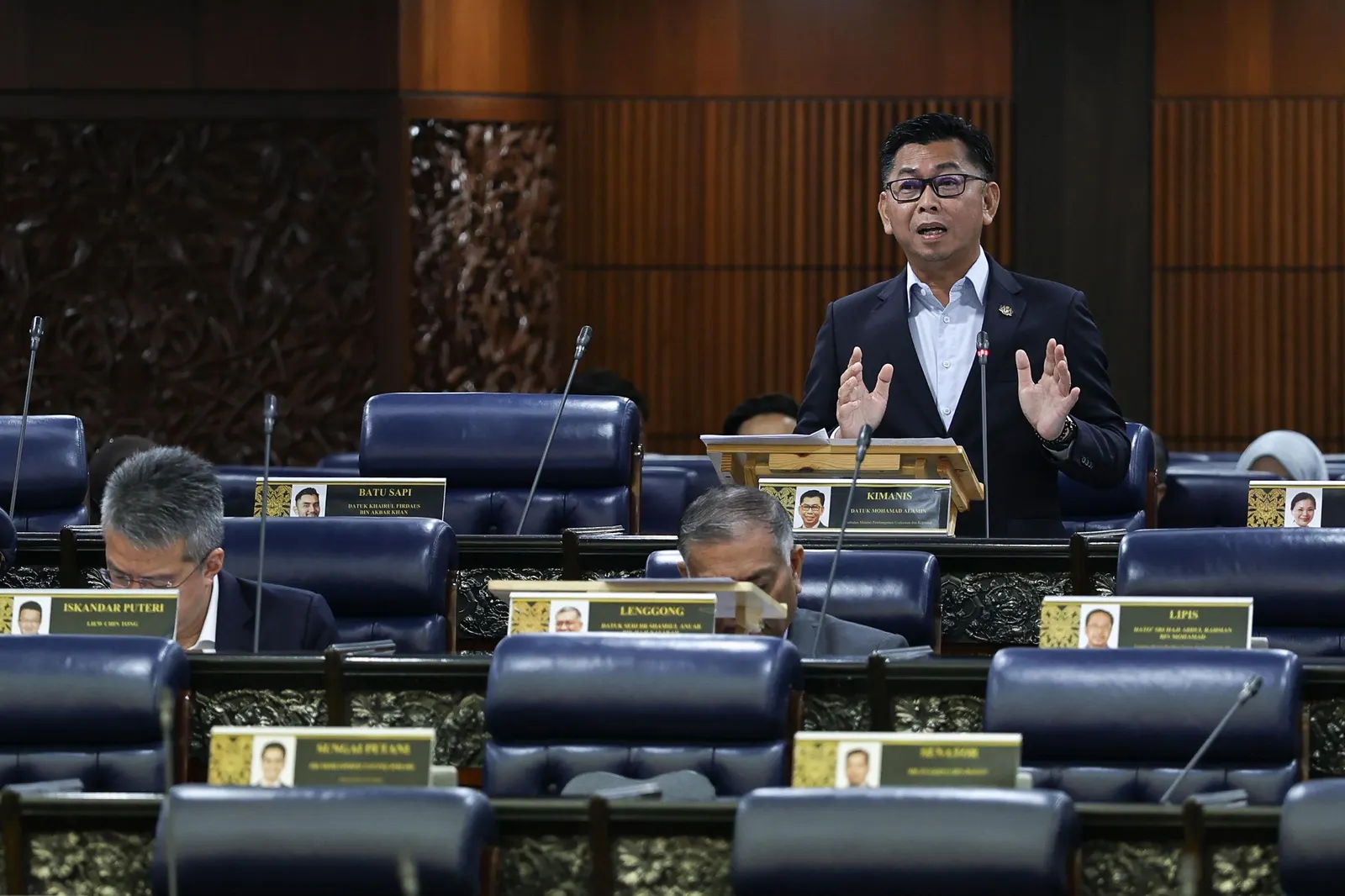
Marhamah was responding to Jasin MP Zulkifli Ismail’s query on strict measures against ex-husbands who deliberately delay proceedings or fail to comply with maintenance payment orders, during the oral question-and-answer session in the Dewan Rakyat.
She added that the court may also take action against a judgment debtor's funds or assets under existing laws, for instance, issuing an earnings attachment order or mandating salary deductions by an employer to ensure maintenance payments are made.
This mechanism essentially enables enforcement through legal channels, ensuring that the recipient of maintenance does not have to rely solely on the ex-husband’s voluntary commitment to make payments.
The deputy minister noted that measures such as imprisonment are not automatically imposed by the Family Support Division; rather, they must go through a judicial process and be based on a court order, taking into account the specific facts and the extent of non-compliance in each case.
JKSM is also exploring improvements to the maintenance advance mechanism and financial assistance provided to eligible recipients.
"This is to ensure that aid can be channelled more effectively to those in need. Nevertheless, such assistance does not absolve the responsible party, or the party obligated to pay maintenance, of their duties," Marhamah said.