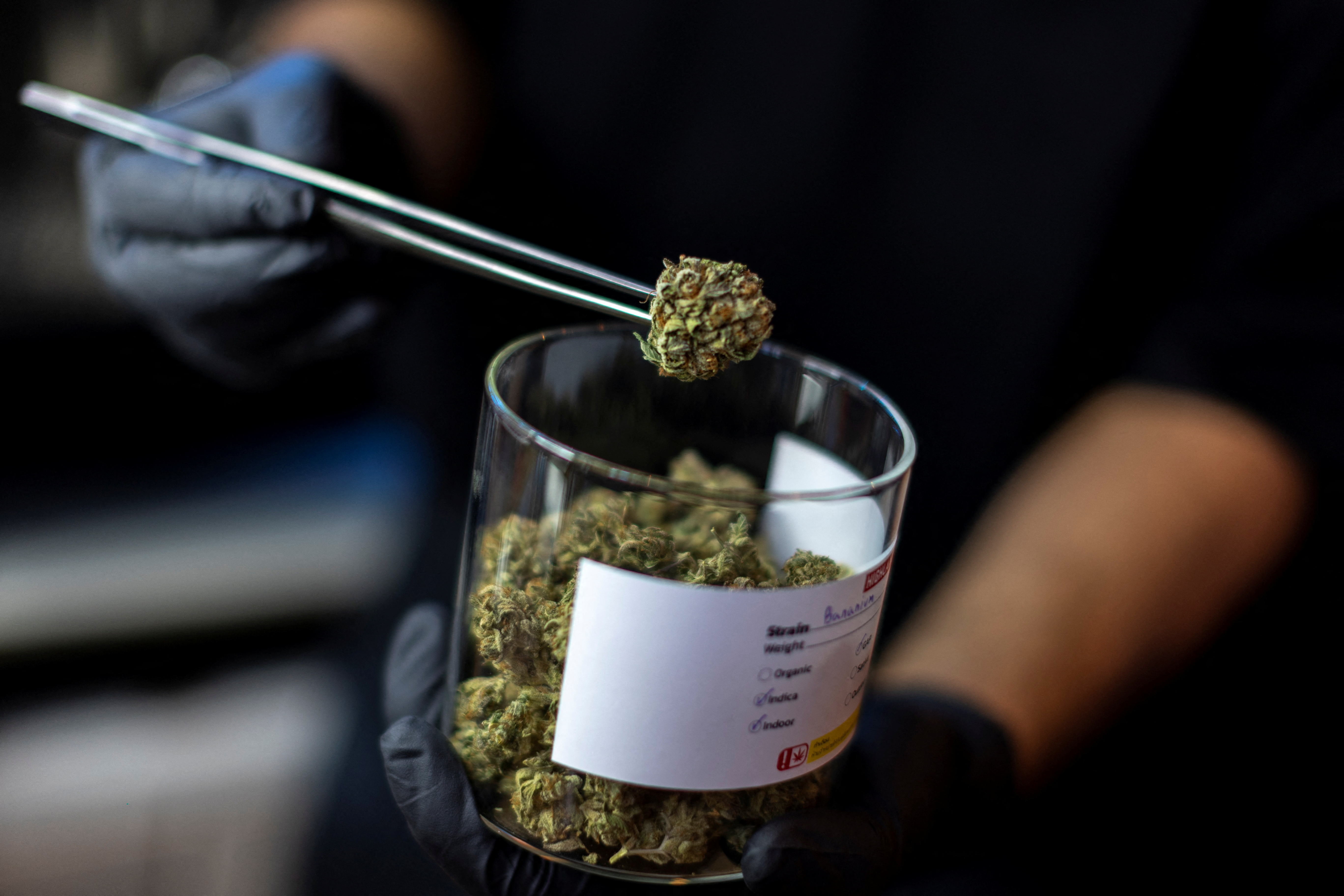

BANGKOK, Oct 22 — Thailand plans to tighten cannabis regulations and propose tougher penalties for violations as part of broader efforts to strengthen drug prevention and enforcement.
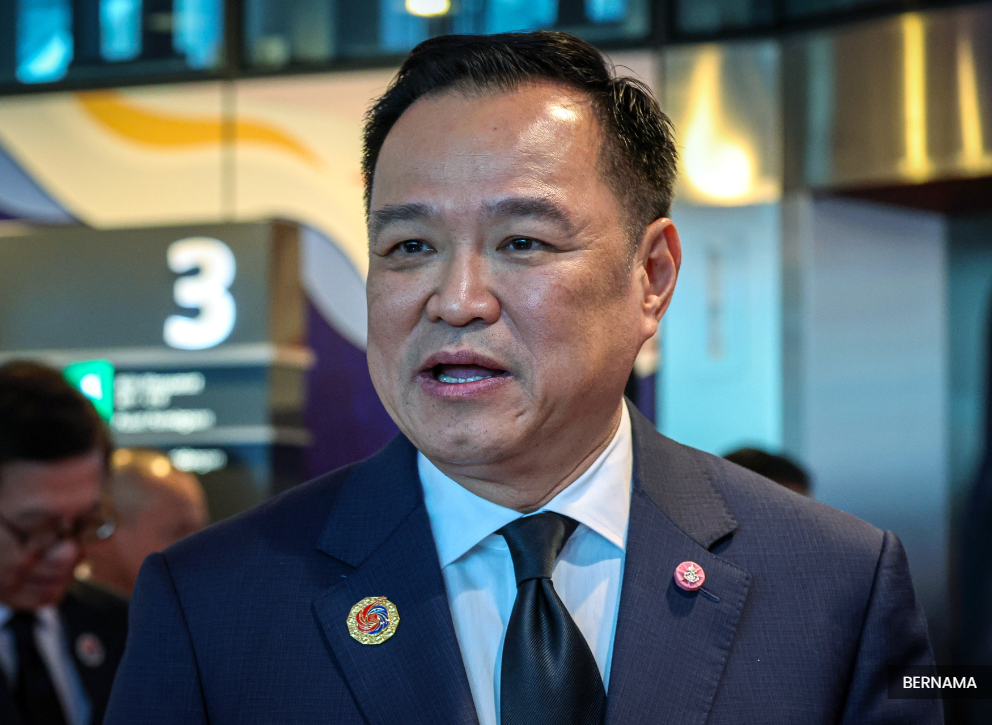
Prime Minister Anutin Charnvirakul said the proposed amendments to the Narcotics Act concerning cannabis were discussed at the third meeting of the Office of the Narcotics Control Board today.
“Drug policies must be guided by scientific evidence, facts and the public interest,” he said in a statement published on the Royal Thai Government website.
Anutin added that the government will maintain a clear distinction between medical cannabis use and recreational consumption.
The Public Health Ministry and relevant agencies have also been directed to inspect licensed establishments and take legal action against operators who breach their licence conditions, including possible revocation.
The meeting also discussed amendments to drug laws to improve enforcement against drug possession, including small-quantity offences, while ensuring that treatment and rehabilitation were appropriately considered alongside legal action.
He has also instructed the Customs Department to step up inspections, intelligence gathering, and random checks to prevent the illegal export of goods, particularly those potentially linked to narcotics.
"Exports of cannabis stems, leaves and flower buds must strictly comply with Thai law, while cannabidiol extracts could be exported subject to licensing requirements and regulations set by the Food and Drug Administration," Anutin said.
Thailand decriminalised cannabis in 2022, but amid concerns about recreational use and the rapid expansion of cannabis-related businesses, the government has since moved to tighten regulations.
On September 22, the Cabinet approved a draft Cannabis and Hemp Act to restrict cannabis strictly to medical use and phase out the recreational market.
Separately, on security in the southern border provinces, he said the National Security Council has convened relevant security, intelligence, and administrative agencies to formulate a unified operational strategy.
"The aim is to ensure that all agencies have a common understanding and work together under the same strategic plan in a unified manner," Anutin said.
The Prime Minister said security agencies have been instructed to closely monitor developments, strengthen surveillance, and coordinate intelligence to prevent further escalation and safeguard public order and residents' safety.