SHAH ALAM, Oct 21 — Tax system reforms must be expanded to boost national revenue and ensure the government has sufficient resources to fund development and provide sustainable aid for the people, said Menteri Besar Dato’ Seri Amirudin Shari.
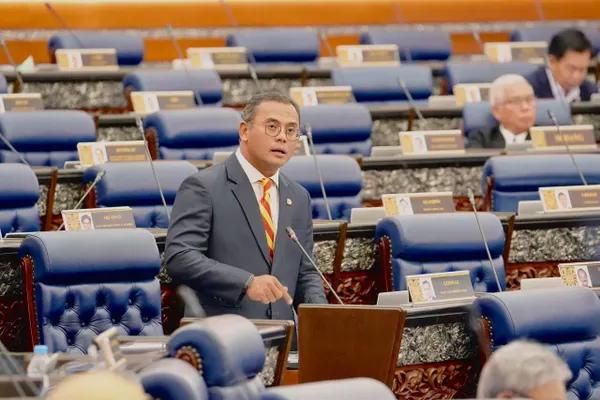
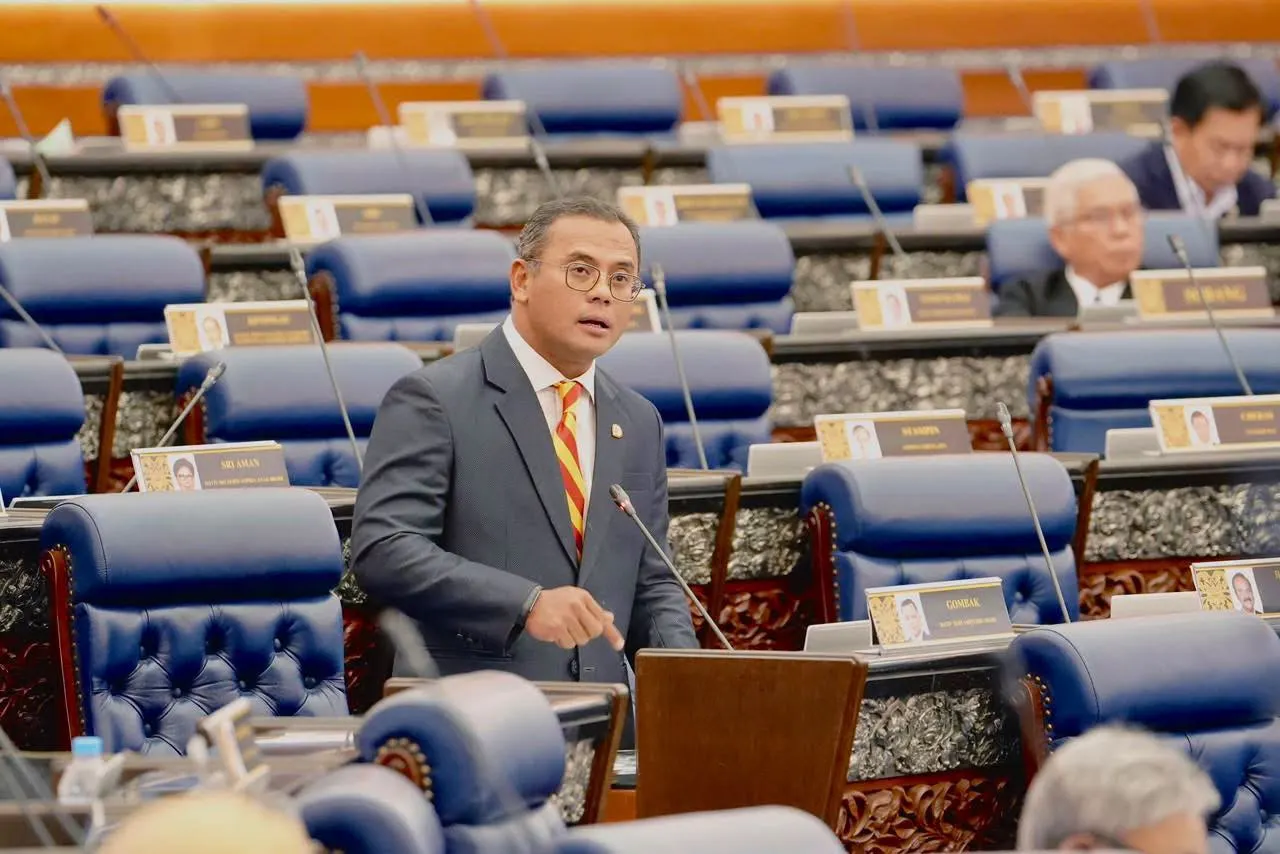
Amirudin, who is Gombak MP, told the Dewan Rakyat that tax reforms are increasingly critical as government revenue relative to the Gross Domestic Product (GDP) is set to decline from 22.3 per cent in 2009 to 16.4 per cent by 2027.
While economic growth, investment, and trade show positive trends, Amirudin said these achievements must translate into higher government revenue to ensure fiscal sustainability.
He added that a significant portion of the government’s operating expenditure goes toward meeting commitments such as subsidies, salaries, debt-servicing costs, and pensions, limiting the fiscal space available to fund new programmes and implement policy transformations.
“The components I mentioned earlier, including subsidies, salaries, debt service payments, and retirement expenditures, account for 76.9 per cent of the government’s operating expenditure.
“This means that whenever officials from the Finance Ministry start the budget planning process, for every RM100 of federal government revenue, nearly RM80 must be allocated to cover commitments for salaries, wages, debt, and subsidies.
“Consequently, there is only a 20 per cent margin available in national management policy planning to develop any reform or transformation programmes intended for implementation,” he said while debating the Supply Bill (Budget) 2027 in the Dewan Rakyat today.
In this regard, Amirudin asked whether existing measures are sufficient to ensure economic growth can boost government revenue and deliver benefits to the people.
“What reviews are conducted by the Finance Ministry to ensure economic growth and economic value can truly generate tangible value, thereby advancing the economy, bolstering government revenue, and fostering the development of the people?” he asked.
Amirudin also highlighted the need for a comprehensive assessment of the tax system, following discussions about potentially reintroducing the Goods and Services Tax (GST) or restructuring the Sales and Service Tax (SST).
“There are suggestions to return to the GST, while others propose restructuring subsidies or the SST, among other options.
“However, discussions regarding taxation must take into account the nation’s overall revenue requirements, rather than focusing solely on a single type of tax.
“A broader context of taxation should be considered and deliberated upon, alongside an assessment of appropriate revenue sources for the country,” he said.
Amirudin noted that efforts to strengthen national revenue are essential to ensure the government can continue development initiatives and provide subsidies to the people sustainably.
“This is a serious fiscal matter that must be addressed to secure what is called ‘revenue sustainability’ for the nation; revenue that will ultimately be channelled back to the people through development projects and subsidies,” he added.
On October 9 when tabling Budget 2027, Prime Minister Datuk Seri Anwar Ibrahim announced that the individual tax relief limit would be increased from RM9,000 to RM12,000, alongside a reduction in individual tax rates.
Anwar said the scope of tax relief has been expanded to cover medical treatment, education, sports, lifestyle expenses, as well as subscriptions to AI services and adoption fees of pets.
The individual tax rate for those with an income exceeding RM1 million has been adjusted to 30 per cent, while five million taxpayers are expected to see an increase in their disposable income of up to RM1,600.