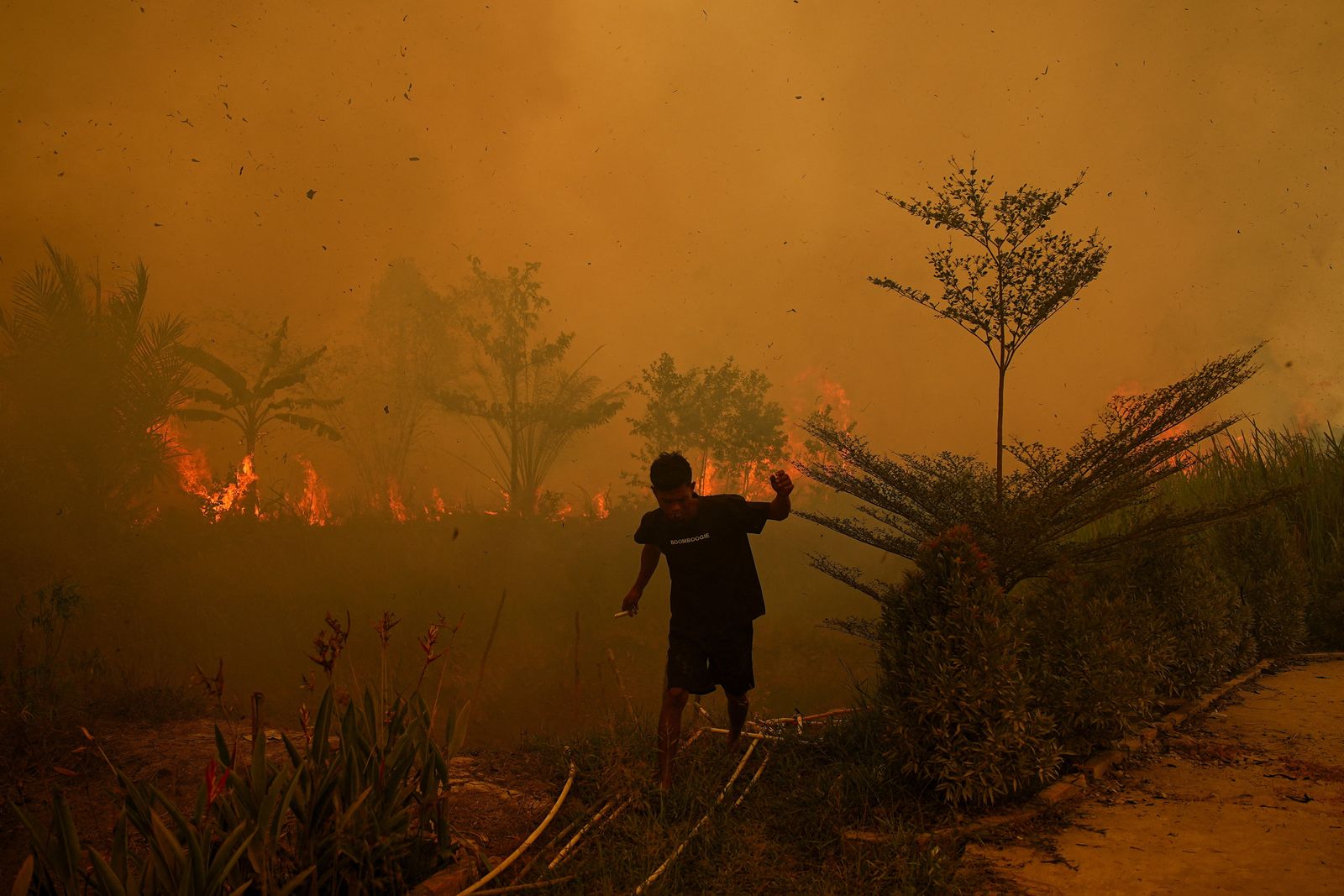
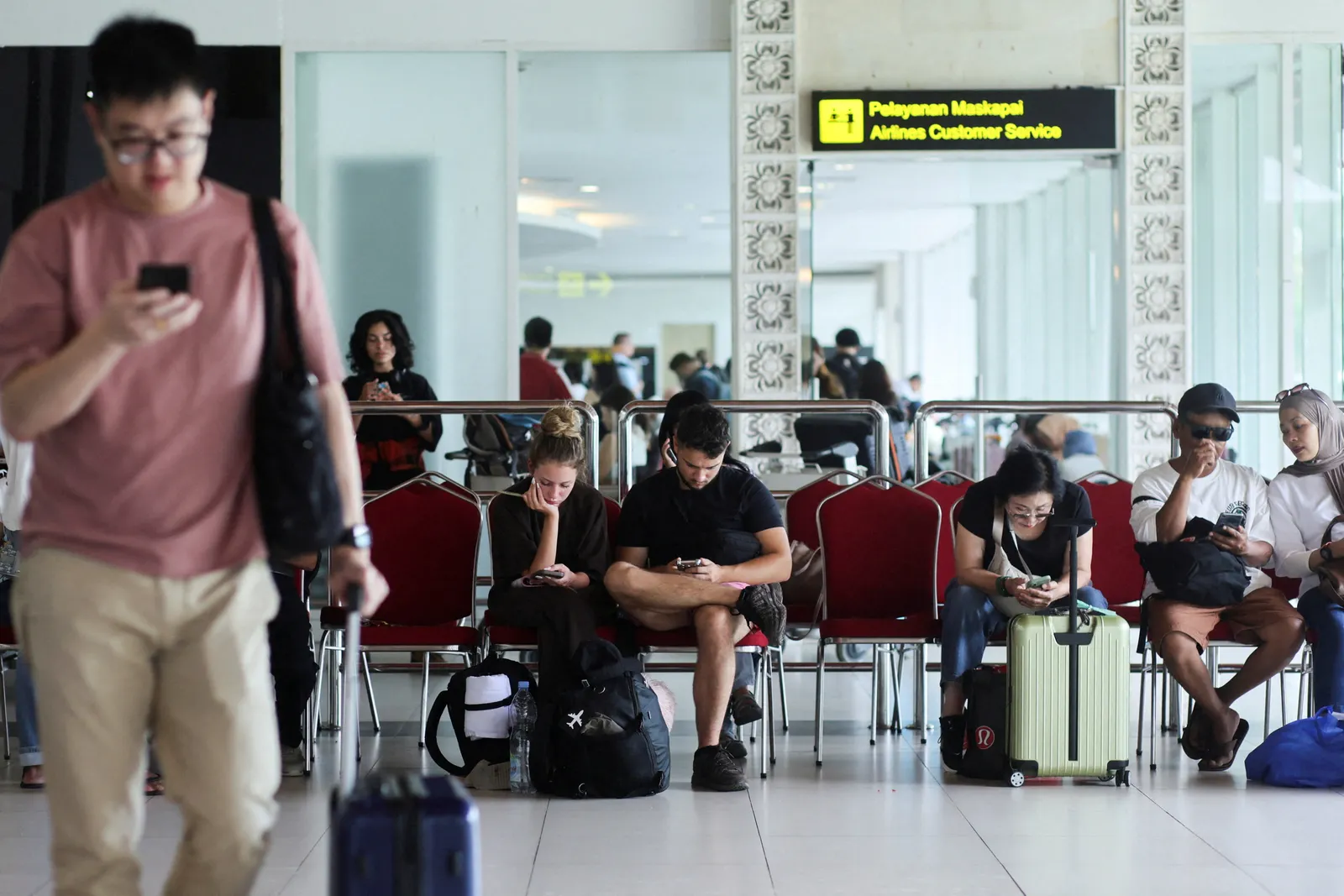
JAKARTA, Oct 20 — Indonesia’s prolonged haze from forest and land fires has taken a toll on air travel, disrupting 2,604 domestic flights since August and forcing the cancellation of 14 international services.
Civil Aviation Director-General Lukman F. Laisa said the disruptions recorded between August 11 and yesterday involved 1,420 flights cancelled or postponed, 1,129 delayed, 23 diverted to other airports, six returned to their departure airports, and 26 rescheduled to depart earlier.
The 14 international cancellations involved 12 flights on Singapore-Pontianak return services between September 12 and September 23, and two on Singapore-Palembang return services on Thursday (October 15).
“Flight safety and security remain our top priorities. Every operational decision must take into account weather conditions, visibility, and safety assessments by the relevant authorities.
“Flight schedules may therefore be adjusted if conditions on the ground do not permit safe operations,” he said in a statement.
Lukman added that airport operators in affected areas have been instructed to strengthen safety measures, including low-visibility procedures, coordination with air navigation and meteorological authorities and the issuance of aviation notices.
Meanwhile, the Forestry Ministry said that the number of high-confidence hotspots nationwide fell to 487 as of 9pm yesterday, down from 1,104 hotspots the previous day.
Across six priority provinces, hotspots fell from 748 to 172. South Sumatra recorded 64, Central Kalimantan 49, South Kalimantan 40, West Kalimantan 12 and Jambi seven, while Riau recorded none.
Despite the overall decline, it said hotspots increased in South Sumatra and South Kalimantan.
“Air quality remained unhealthy to very unhealthy in parts of Kalimantan, Sumatra and Papua, with hazardous conditions reported in some localities,” the ministry said in a social media update.
61 aircraft remain on standby for firefighting operations, comprising 44 for water bombing and 17 for aerial patrols and weather modification, while ground teams continued firefighting and peatland cooling operations.