

BANGKOK, Oct 19 — Malaysia’s message at the International Monetary Fund (IMF)-World Bank Group Annual Meetings here is clear: the country is back in business, backed by political stability, policy clarity, and sustained reforms that are strengthening investor confidence amid global uncertainty.
Finance Minister II Datuk Seri Amir Hamzah Azizan said these factors had helped attract foreign direct investment (FDI), while Malaysia’s economy remained resilient despite geopolitical tensions and disruptions to global trade.
The country recorded gross domestic product (GDP) growth of 5.2 per cent in each of the past two years, with growth reaching 5.7 per cent in the latest quarter, reflecting the resilience of its industries and their continued role in global supply chains.
“The biggest message that Malaysia tells people is that Malaysia is back in business,” he told Bernama on the sidelines of the meetings.
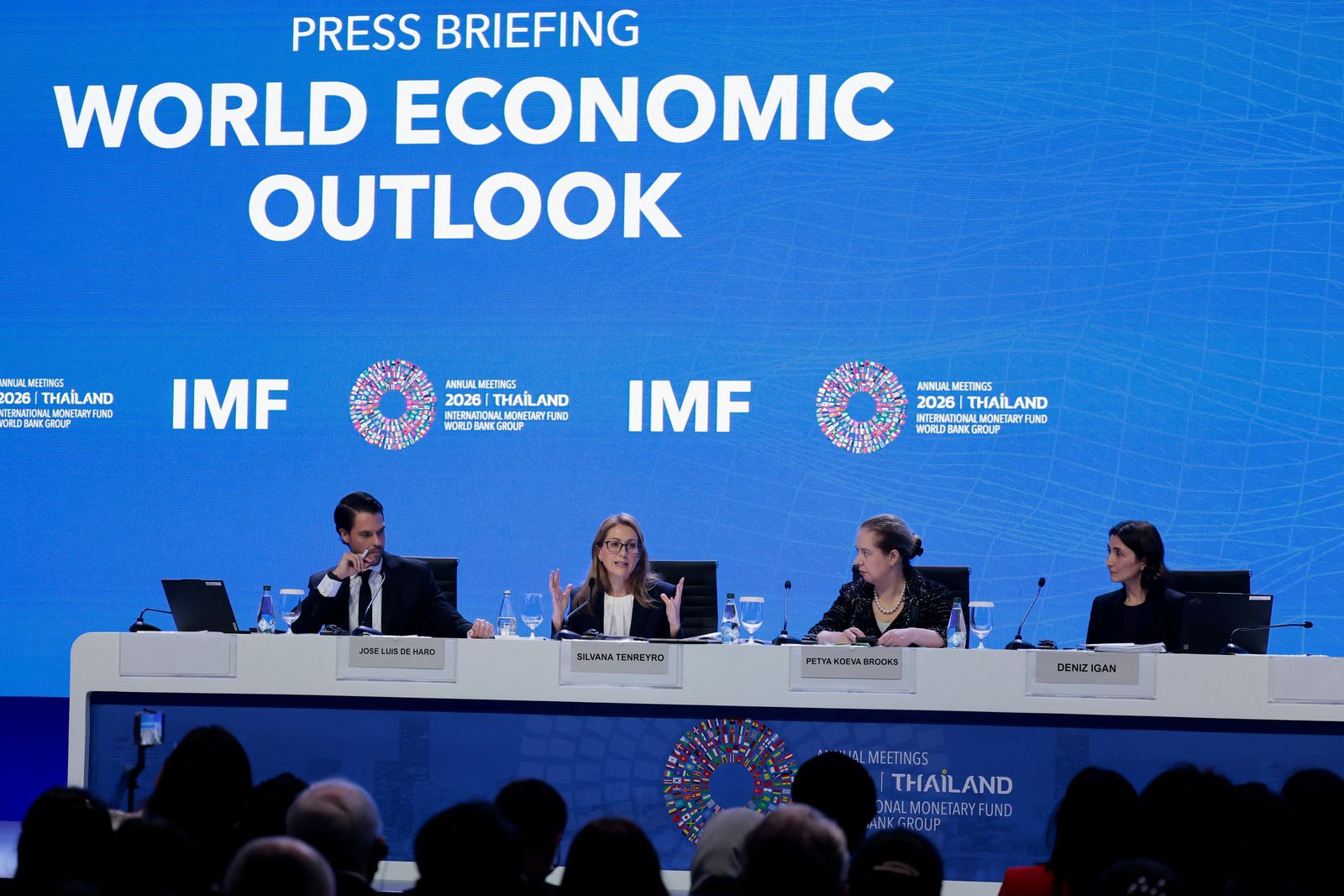
Amir led the Malaysian delegation to the annual meetings, held at the Queen Sirikit National Convention Centre in Bangkok from Monday (October 12) to yesterday.
He added that Malaysia is also demonstrating its commitment to fiscal discipline and good governance through reforms, including the Public Finance and Fiscal Responsibility Act 2023 and the Government Procurement Act 2026. Further legislation covering subsidies and government-linked enterprises will strengthen transparency and accountability.
“These reforms were important in assuring investors that Malaysia’s policies and institutions were becoming more robust and sustainable, reinforcing confidence in the country’s economic prospects,” Amir said.
Investor confidence was also reflected in Malaysia’s recent US$1.5 billion (RM6.12 billion) global sukuk issuance, which was oversubscribed 4.7 times and secured competitive pricing.
The government is focused on ensuring that investment and economic growth translate into better incomes and opportunities for Malaysians through higher wages, skills development, and greater participation by local businesses in supply chains.
Malaysia is also embracing artificial intelligence (AI) and digitalisation to improve productivity, modernise public services, and create higher-value jobs, while ensuring that new investments, particularly in data centres, generate greater benefits for the domestic economy.
“The world has seen that, and is actually very impressed that Malaysia has been able to do all these things, which means that FDI has come in very strongly,” he said.
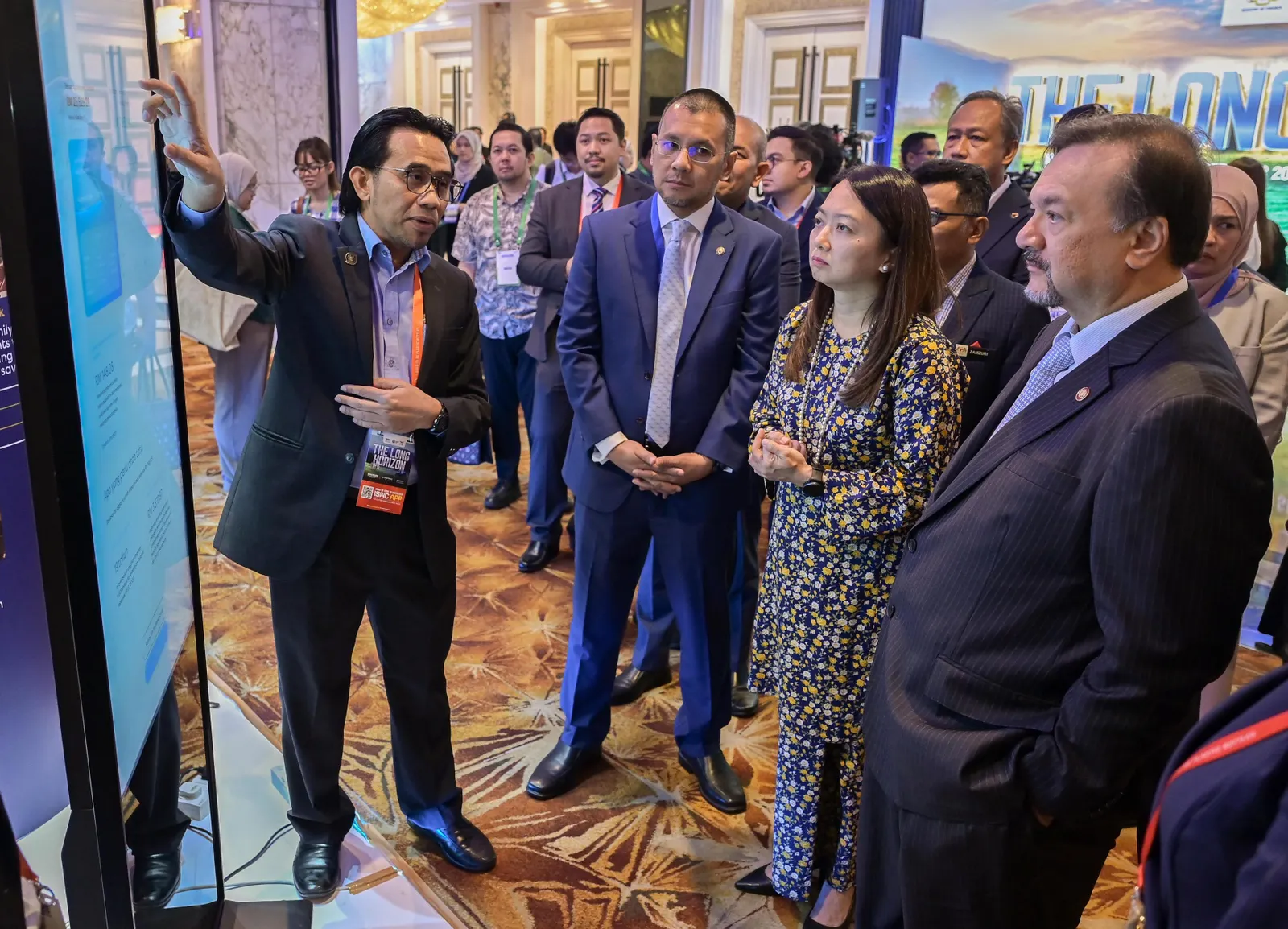
The minister noted that the annual meetings provide an important platform for Malaysia to showcase its economic progress, strengthen international confidence, and learn from global developments to accelerate domestic reforms.
The ultimate goal is to build a stronger, high-income economy in which the benefits of growth are shared more widely among Malaysians, including future generations.