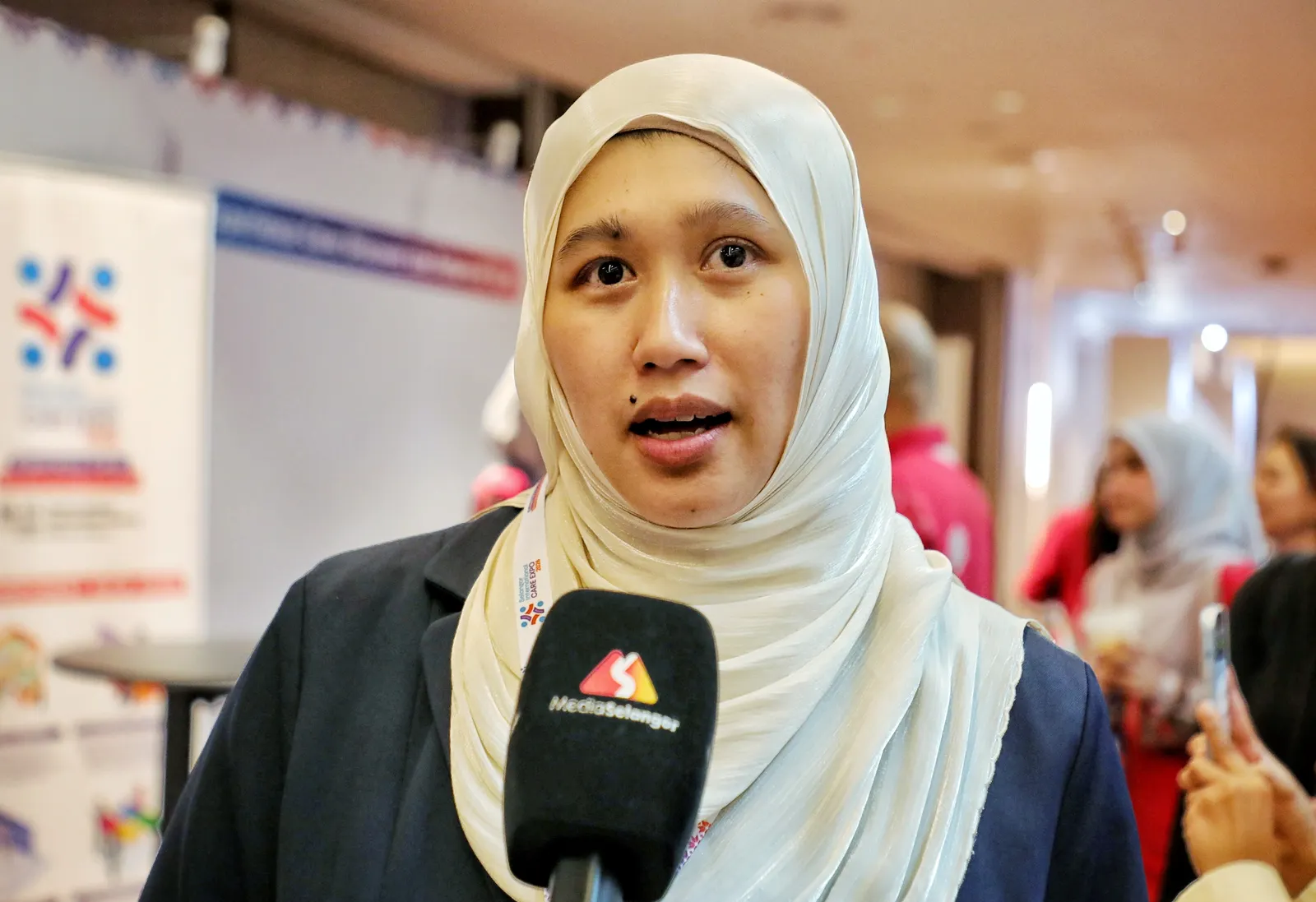

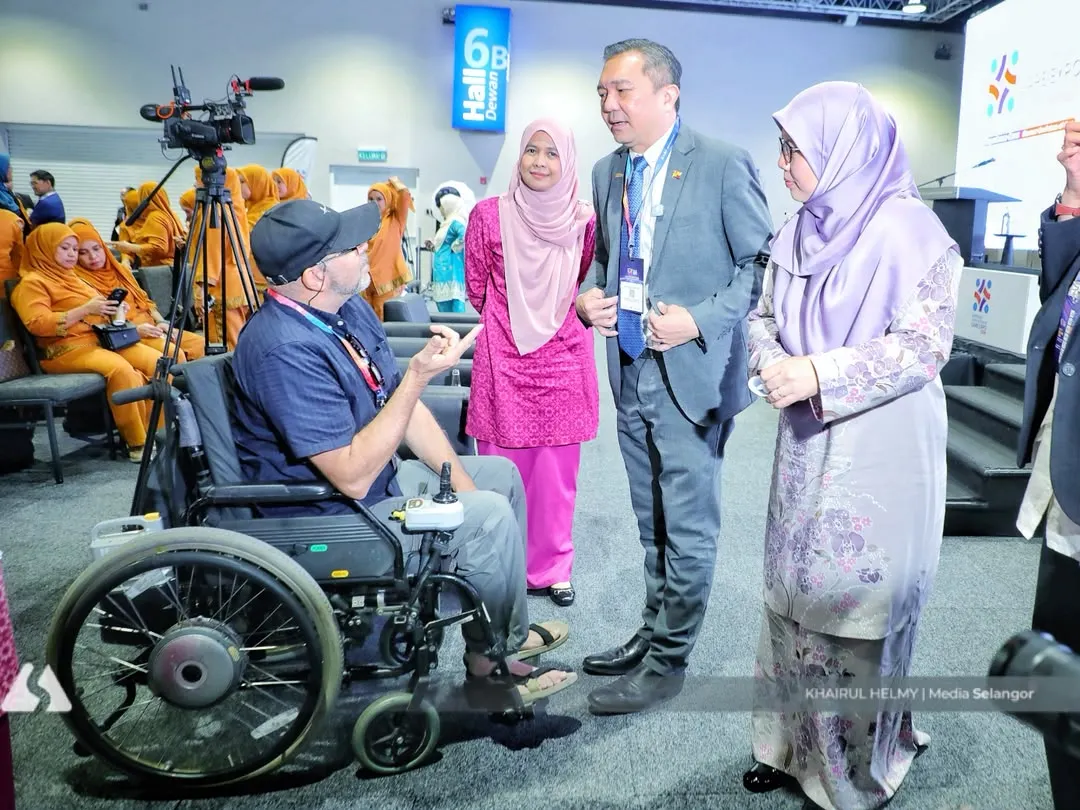
KUALA LUMPUR, Oct 16 — Selangor is aiming to become Asia’s care economy hub by 2030, following its success in sparking partnerships with regional neighbours, said state executive councillor for women empowerment and welfare Anfaal Saari.
She said the state government’s empowerment of the sector, which started a few years ago, has become a model for other states and drawn interest from neighbouring countries to learn from Selangor.
“Our policies have become other states and countries’ benchmarks. For example, in July we signed an MOU with Indonesia, which wants to send trainees to learn this sector and about our system, like the Child and Elderly Care Centre Mapping System (SEJAGAT).
“We could also potentially form a partnership with South Korea, that wants to invest in terms of technology and AI use. Yesterday we exchanged an MOU with Nagoya Institute of Technology (NiTech), Japan, to strengthen bilateral strategic cooperation.
“They have expertise in research and technology field development to help patients like stroke (patients). They want their prototype or model to be used in the market,” she told reporters at the Selangor International Care Expo (SICE), held on the sidelines of the Selangor International Business Summit (SIBS), at Kuala Lumpur Convention Centre today.
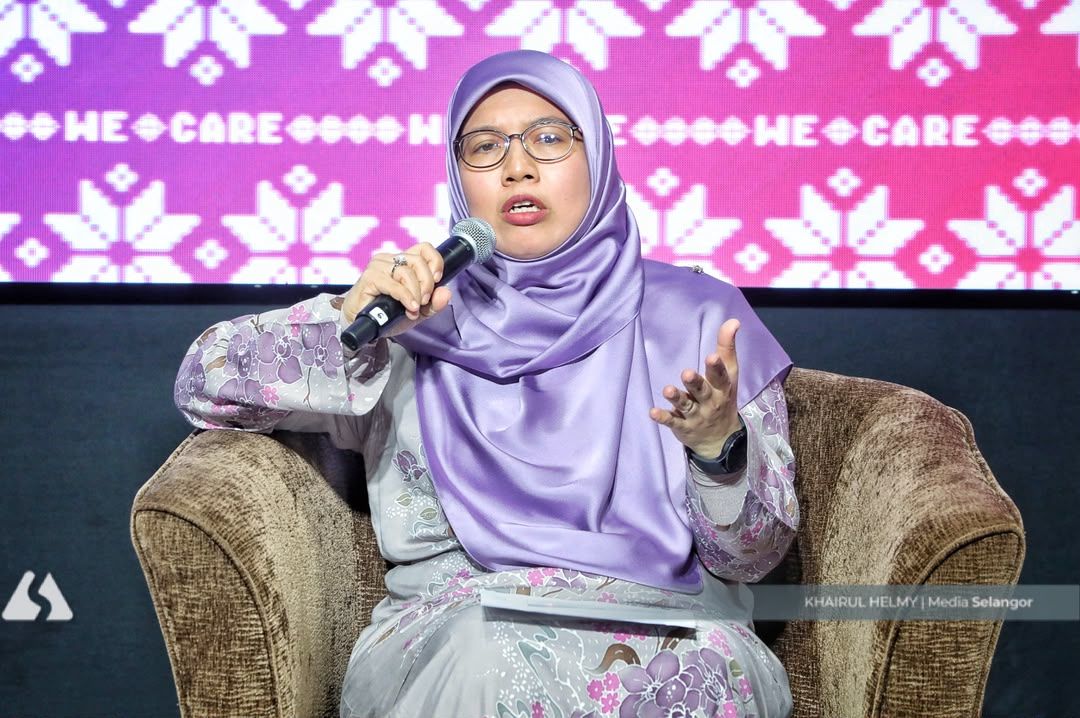
In 2024, Selangor launched the Care Economy Policy 2024-2030 to make families more resilient, especially by empowering women’s roles in the care sector.
The policy encompasses five cores — advocacy and promotion; governance and oversight; care labour development; investment and cooperation; and innovation, technology and data.
Anfaal said the policy also recognises caregivers’ roles, especially women, as important components in economic development. The plan also supports them so they may remain or return to work in the formal sector.
To improve public access to care services, the state government also introduced SEJAGAT, which is powered by AI, as well as new guidelines for elderly, child and disabled care centres to encourage better governance in the care economy sector.