

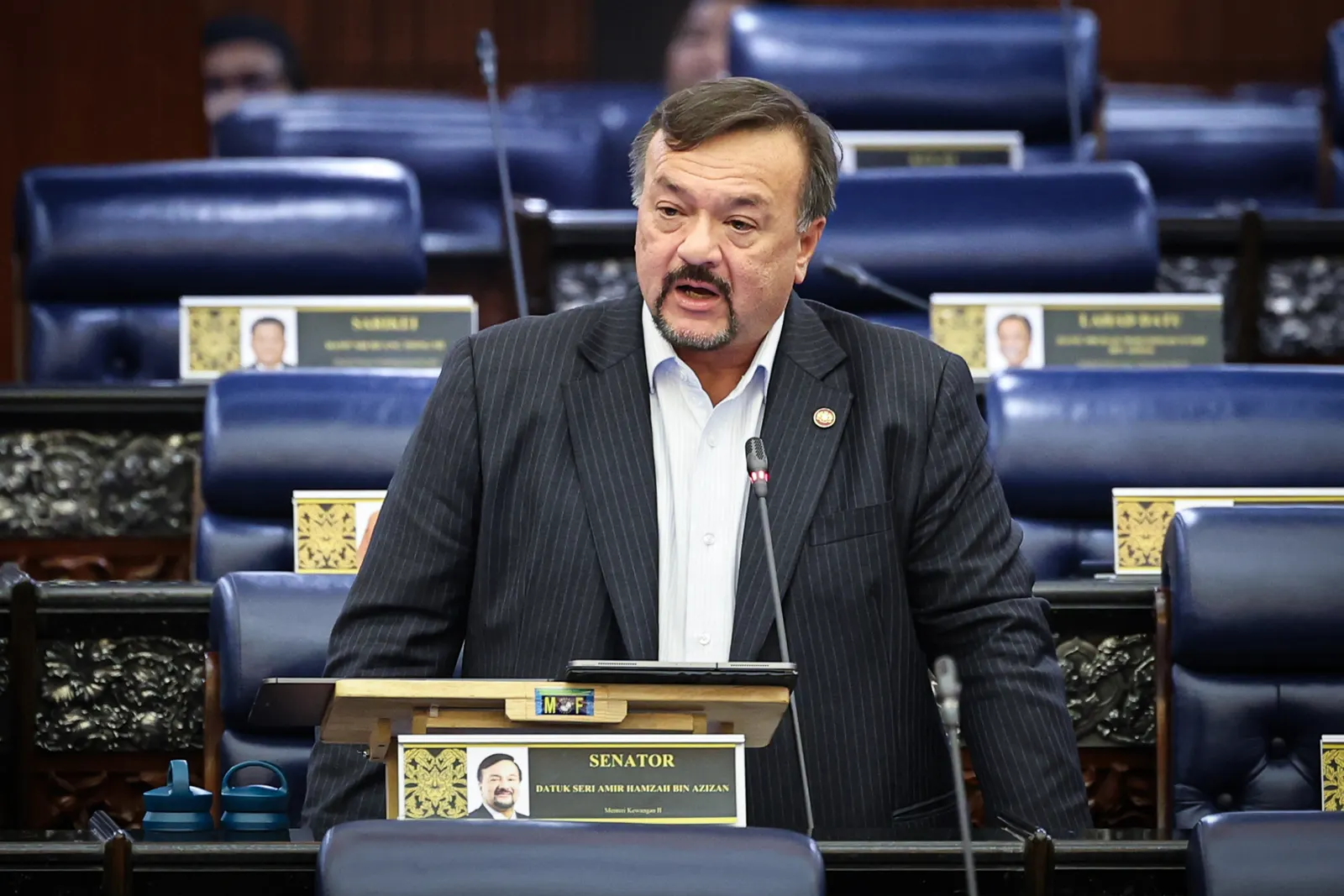
BANGKOK, Oct 13 — Malaysia aims to reduce its fiscal deficit to below three per cent of gross domestic product (GDP) within the next two years through fiscal consolidation, targeted subsidy reforms and stronger private-sector participation, said Finance Minister II Datuk Seri Amir Hamzah Azizan.
The country has reduced its fiscal deficit from 6.4 per cent of GDP about five years ago to 3.7 per cent last year, putting it on track to meet its target.
Speaking at the International Monetary Fund (IMF) High-Level Seminar on Mitigating Sovereign Risks in Market-Access Countries today, he said fiscal consolidation will create fiscal space, strengthen Malaysia’s standing in international debt markets, and improve its capacity to withstand future challenges.
Subsidy reforms are crucial to ensuring public funds are used efficiently, with assistance channelled to those who need it most.
“Untargeted subsidies actually wasted a lot of money. The key is identifying those groups and making sure your mechanism is robust enough to protect them, while freeing up space,” Amir said.
The savings from targeted subsidies can be redirected to more productive sectors, while digitalisation and improved systems will help the government identify eligible recipients more accurately.
Malaysia’s economic fundamentals remained supportive of its fiscal consolidation efforts, with GDP growth above five per cent, inflation below two per cent and unemployment at around three per cent.
However, he emphasised that reforms must protect vulnerable groups while sustaining growth and encouraging greater private-sector participation to reduce reliance on government spending.
Investment activity has strengthened, with foreign direct investment (FDI) and domestic investment contributing roughly equally to the country’s economic momentum.
On debt management, Amir said Malaysia is focused on deepening its domestic capital market to enhance financing flexibility, support sustainable growth, and create opportunities for private investors.
He also stressed the importance of maintaining adequate financial buffers to withstand potential economic and financial shocks.
Policy clarity and consistent implementation were essential to maintaining investor confidence and ensuring predictable access to capital markets.
Earlier, Amir led the Malaysian delegation to the 2026 IMF and World Bank Group Annual Meetings, held at the Queen Sirikit National Convention Centre from yesterday until Sunday (October 18).