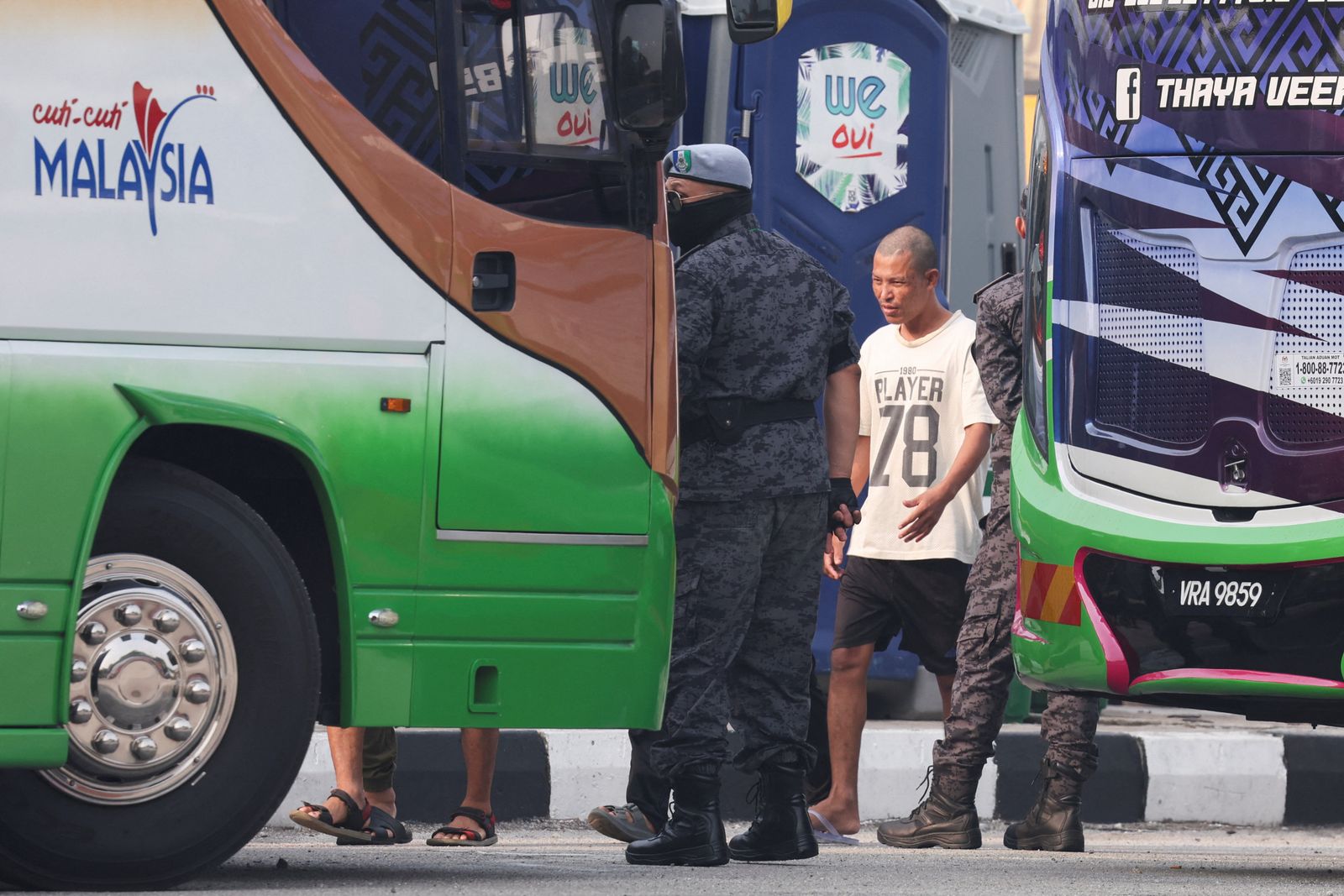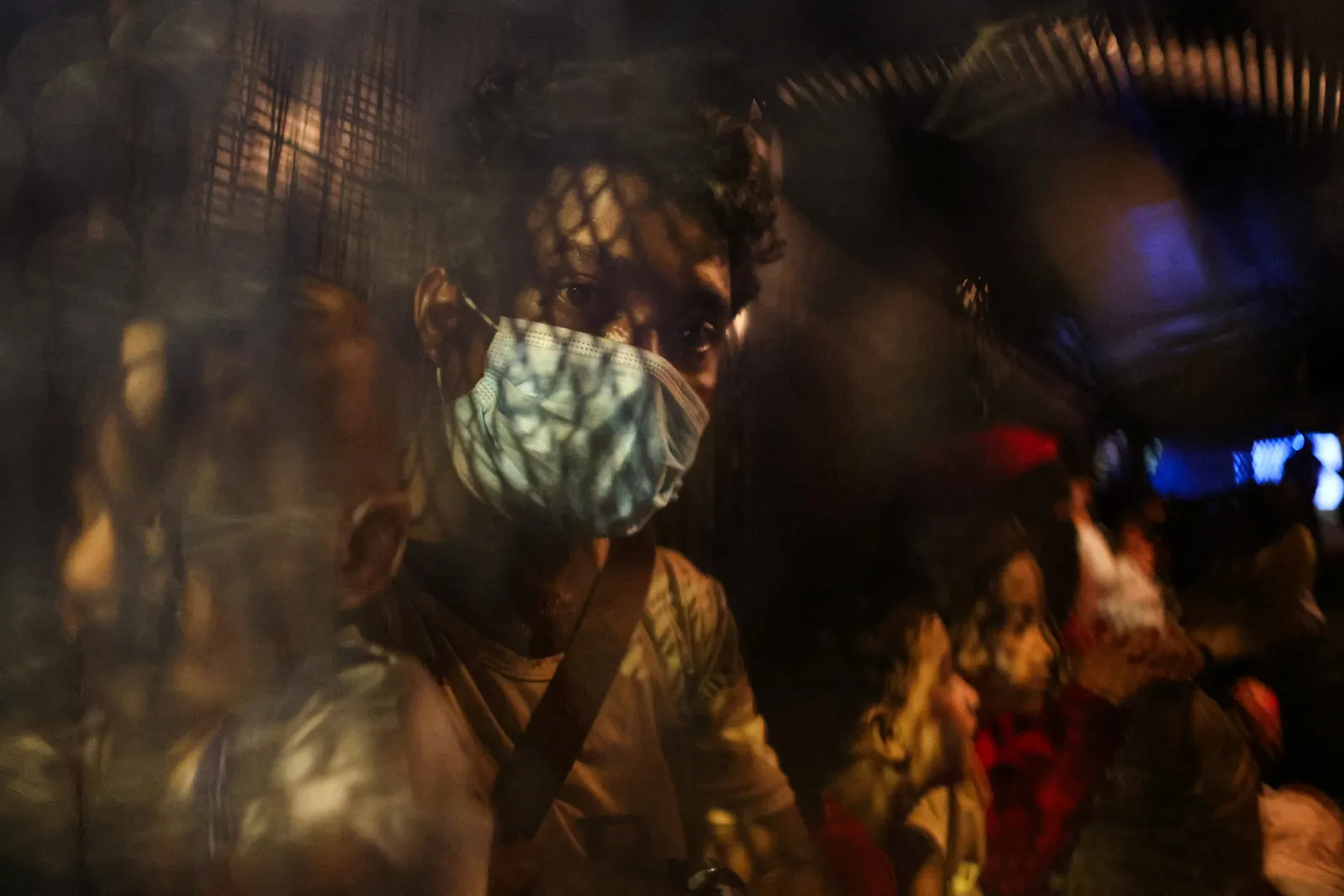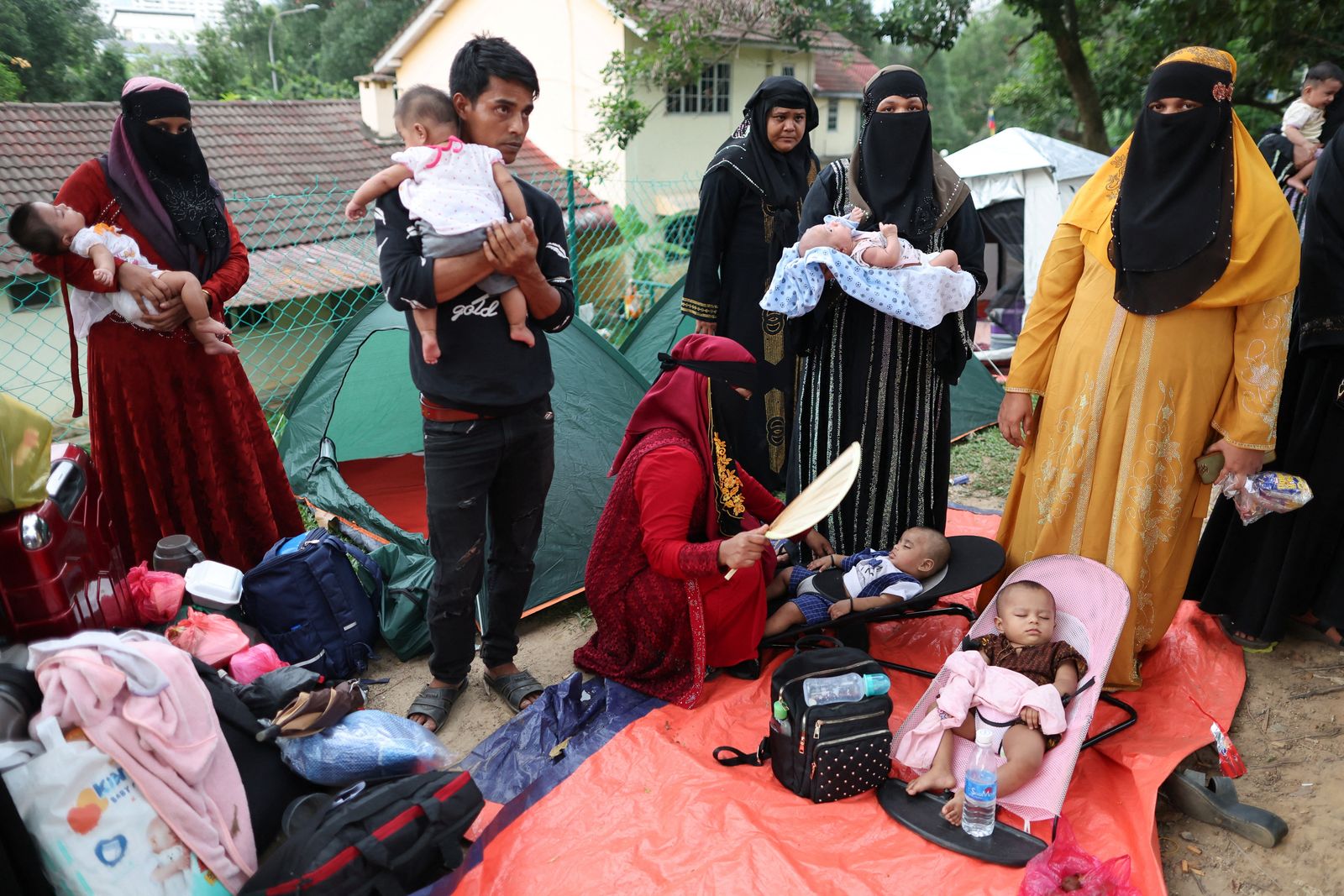

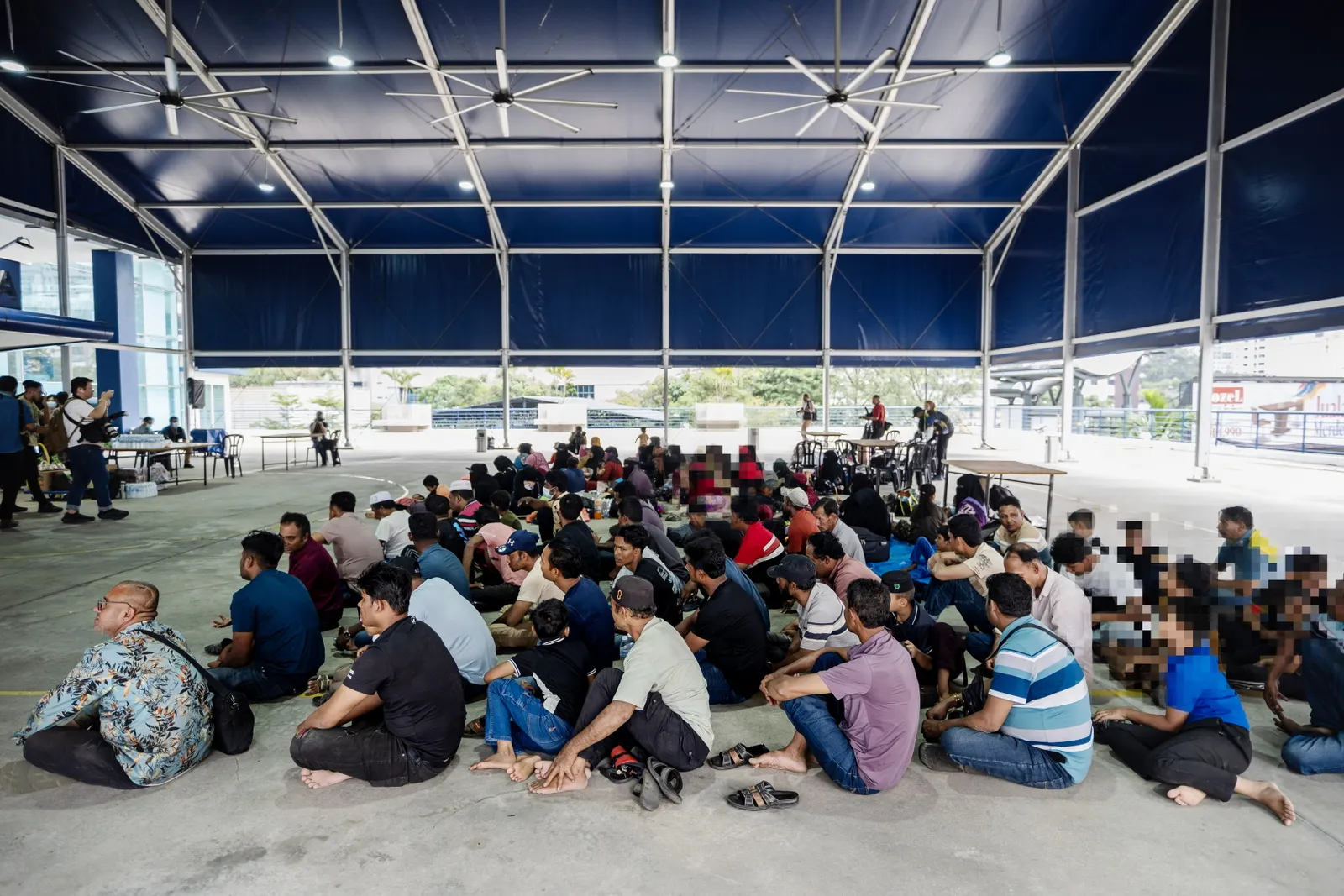
KUALA LUMPUR, Oct 13 — Refugees who entered Malaysia after January 2023 will not be eligible for consideration under the Refugee Registration Document (DPP) programme, to prevent it from becoming a pull factor for new arrivals, Home Minister Datuk Seri Saifuddin Nasution Ismail said.
The programme only covers existing refugees who entered the country on or before the cut-off date.
“When we announced the DPP as a registration mechanism, we set January 2023 as the cut-off date. This means refugees who entered the country after January 2023 will not be considered under the DPP.
“We are processing those who are already here...it will not become a pull factor, as the Yang Berhormat mentioned, as we have already anticipated this issue,” he said during the Minister’s Question Time in the Dewan Rakyat today.
Saifuddin was replying to Putrajaya MP Datuk Radzi Jidin's supplementary query on how the government would ensure that the DPP programme was not exploited by syndicates to facilitate new registrations for incoming refugees.
He added that the measure is important to enable the authorities to focus on compiling comprehensive profiles and building a database of some 225,000 refugees reported to be in Malaysia by the United Nations High Commissioner for Refugees (UNHCR).
The existing UNHCR data consisted of estimates without detailed information such as individuals' names, ages, locations, or security profiles.
Under the DPP programme, the Home Ministry is conducting comprehensive data collection, including registering personal details, conducting security screening by the Royal Malaysia Police and the Immigration Department, and collecting biometric data.
Saifuddin said this year's target is to collect data on about 4,000 refugees at Immigration detention depots under the first phase of the DPP, which began in January, and another 2,000 outside the depots. The target would be increased to 20,000 next year.
The data collection process is not taking place in a vacuum, as the ministry already holds about 30,000 complete refugee records, including names and employer details, from an initial phase launched by the previous administration.
“We are now expanding the process to ensure that our data is credible. Reliable data will help us formulate public policies that are more practical and measurable,” he said.
Responding to Tebrau MP Jimmy Puah Wee Tse's supplementary query on actions taken by some activists and non-governmental organisations (NGOs) against refugees on their own initiative, Saifuddin urged all parties not to take matters into their own hands or act outside the law.
The government understands public concerns, but any allegations of document misuse or irregular entry by refugees should be reported through official channels.
On whether refugees registered under the DPP would be allowed to work, he said the government did not rule out using data on registered refugees who had passed security screening to meet labour needs.
Meanwhile, the minister said the Myanmar government had agreed during previous bilateral negotiations under ASEAN mechanisms to accept the repatriation of its nationals from all ethnic groups, with Myanmar bearing the cost.