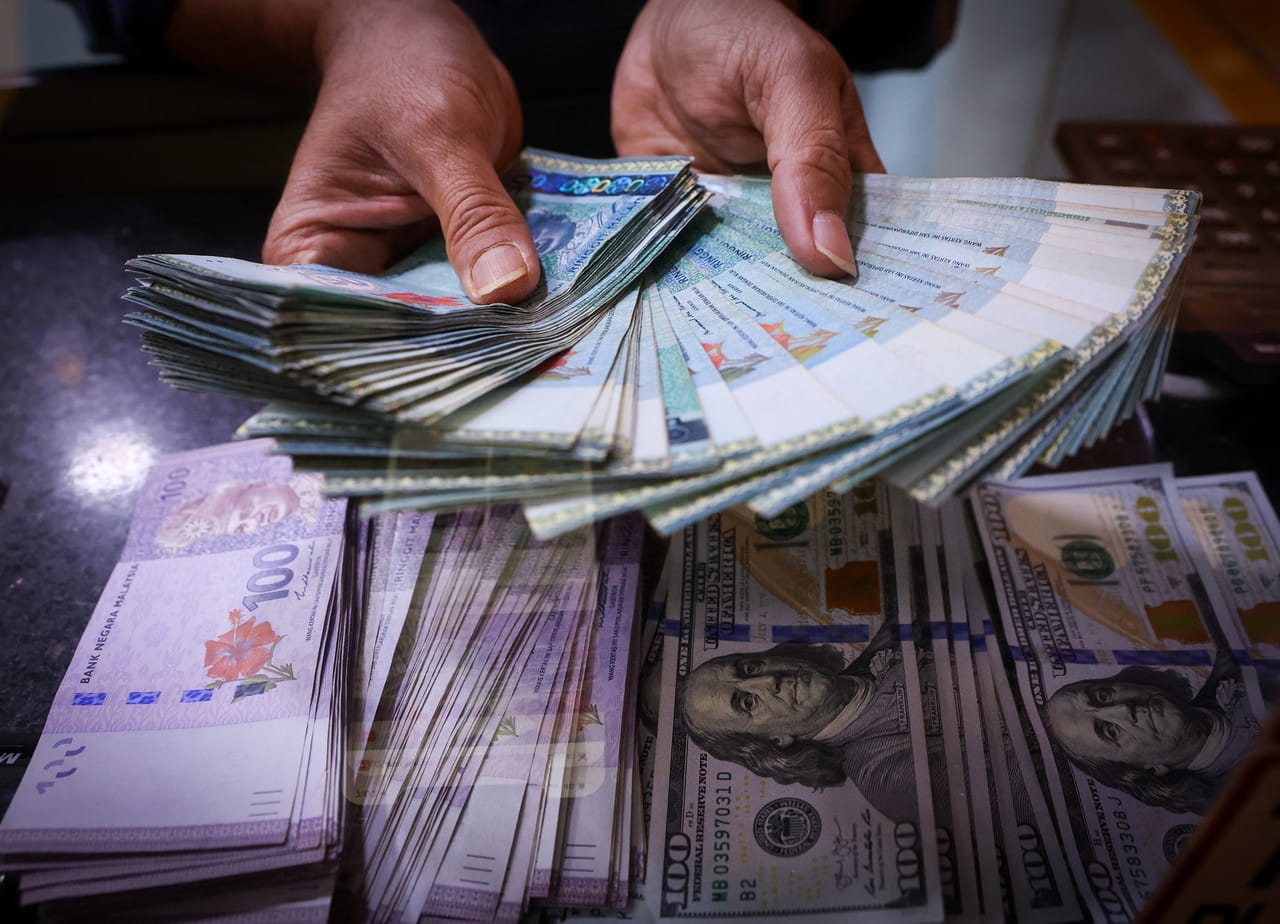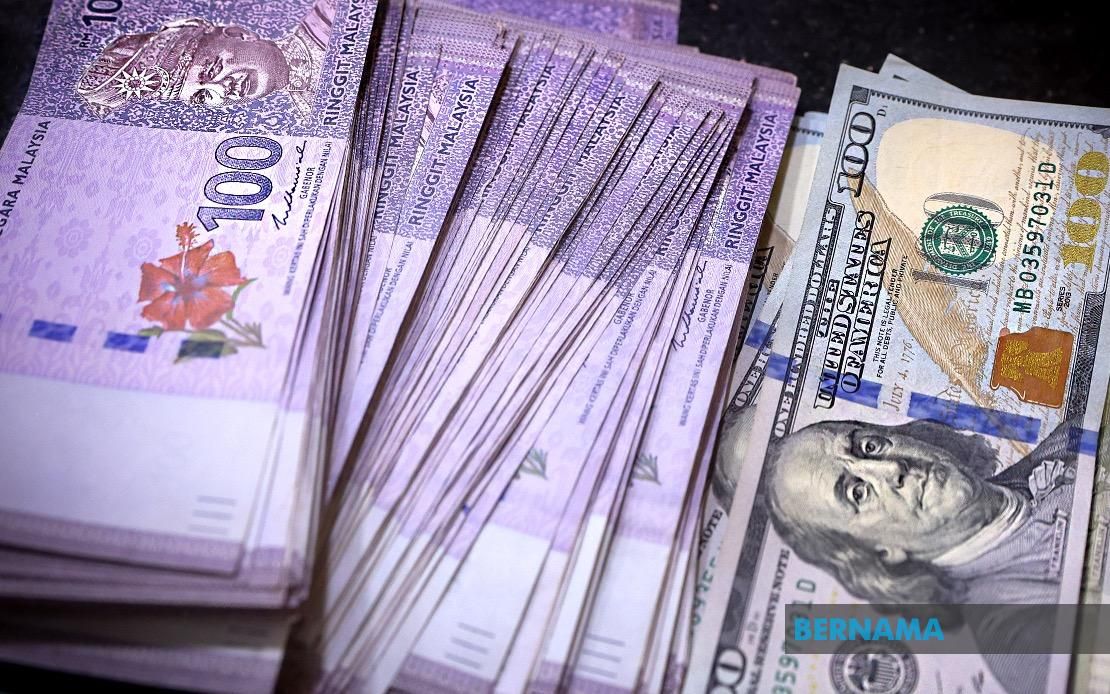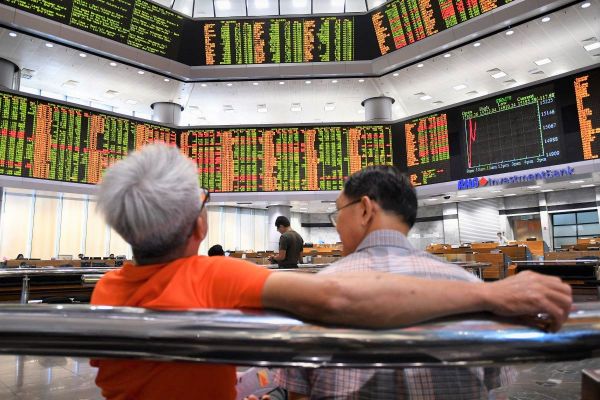
KUALA LUMPUR, Oct 12 — Budget 2027 can support the ringgit and Malaysian bond market by strengthening domestic demand and reinforcing fiscal discipline, while initiatives to encourage domestic investment may provide opportunities for the equity market.
OCBC Malaysia Interest Rate Derivatives global markets head Eric Lok said the budget did not fundamentally change the direction of Bank Negara Malaysia’s (BNM) monetary policy, and it could strengthen the domestic economy and support the currency over the medium term.
“In the medium term, I remain constructive on the ringgit as a currency. Over the medium term, the dollar-ringgit (exchange) should gradually trade below 4.0 in 2027,” he said during OCBC’s discussion on Malaysia 2027 Budget: Policy, Politics and Market Implications.
Lok opined that Malaysia has a solid growth path, given the measures undertaken to strengthen the domestic economy and incentives to attract foreign investment.
“This will help the government manage the fiscal side of finances much better,” he said.
However, the economist cautioned that external factors, including a stronger United States (US) dollar and elevated US yields, could weigh on the ringgit’s performance.
Expectations of further US interest rate increases could also affect the interest rate differential between the US dollar and the ringgit.
On monetary policy, Lok said Budget 2027 strengthened the case for BNM to remain patient, though the timing of any interest rate normalisation would depend on economic developments.
“I will say that the budget has not fundamentally changed the direction of BNM’s policy trajectory.
“The government’s measures, including tax relief and loan repayment deferments, were aimed at supporting disposable income and domestic demand,” he said.
Meanwhile, the government is expected to issue between RM180 billion and RM190 billion in gross Malaysian Government Securities (MGS) in 2027, and the market would likely absorb the supply.
Lok added that the recent bond market sell-off created opportunities for investors, particularly after the government reaffirmed its fiscal discipline in Budget 2027.
Commenting on the equity market, former investment, trade, and industry deputy minister and Taylor’s University Adjunct Prof Ong Kian Ming said the government’s GEAR-uP programme could help stimulate domestic investment in selected sectors.
It sought to encourage government-linked investment companies (GLICs) to invest more domestically, including in semiconductors and healthcare.
He noted that Bursa Malaysia’s My Value Up programme is another initiative to watch, particularly its plans to expand the FBM KLCI from 30 to 50 constituent stocks.
“The impact of these initiatives on the equity market would depend on whether they could generate stronger domestic investment momentum, while political uncertainties could weigh on investor sentiment,” Ong said.
Meanwhile, on the transition from the Kuala Lumpur Interbank Offered Rate (KLIBOR) to the Malaysia Overnight Rate (MYOR), Lok said Budget 2027 is unlikely to affect the transition timetable directly, although increased investment activity could support the development of MYOR-linked instruments.
Stronger investment inflows could generate greater demand for financing and hedging instruments and support activity in the MYOR market.