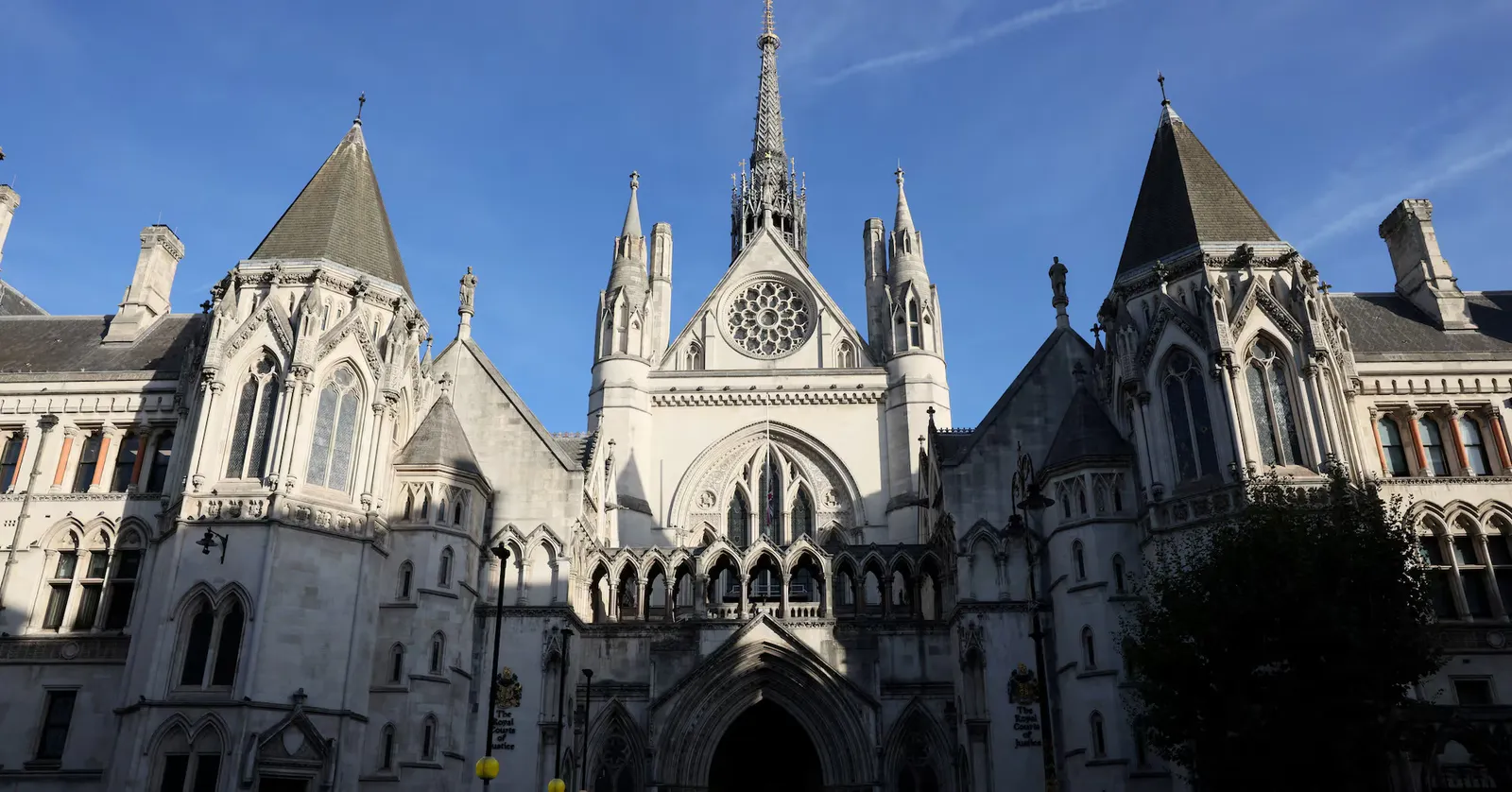
LONDON, Oct 4 — The United Kingdom (UK) will scrap plans to remove the historic right to trial by jury for defendants in less serious criminal cases, after sustained criticism of the proposals from many lawyers and politicians.
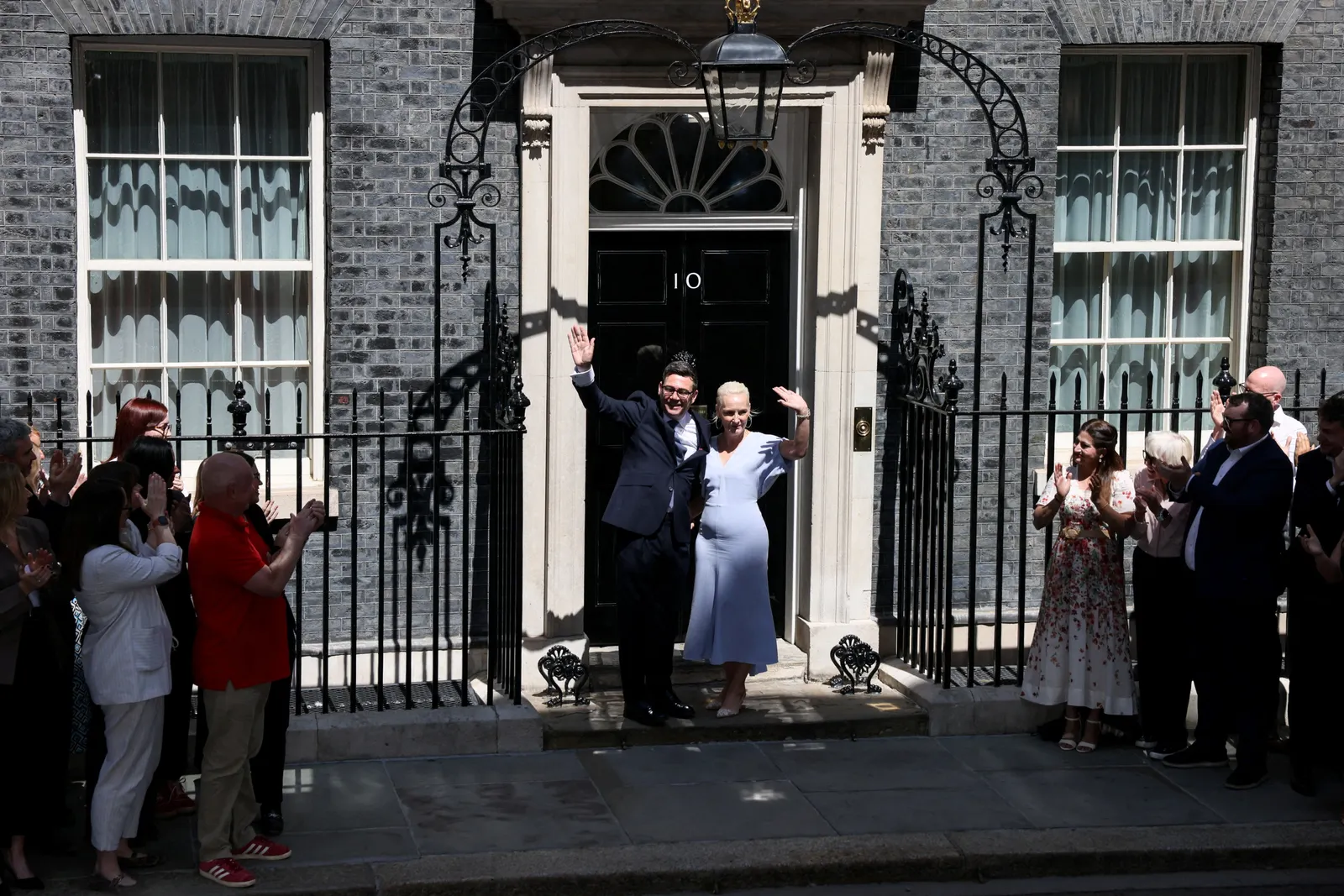
Andy Burnham, who became Prime Minister in July, decided to drop his predecessor Keir Starmer's policy, as hundreds of prisoners were released early to stop prisons from becoming full, in just one element of a criminal justice crisis.
On Sunday, the Justice Ministry (MOJ) said it would abandon plans to curb jury trials for cases where a jail sentence was likely to be less than three years, a move broadly welcomed by the Criminal Bar Association (CBA) and other groups.
But lawyers raised concerns over its decision to increase sentencing powers for magistrates — who hear trials for more minor offences without a jury — and the removal of defendants' right to elect trial by jury.
"I have heard the strength of feeling on the proposals for increasing the number of judge-alone trials in the Crown Court and have made the decision to change course," said Justice Secretary Alex Norris.
CBA chair Andrew Thomas thanked the government for "listening to the evidence and reaching the right verdict", though he said, "a severe threat to our trial by jury remains".

The Bar Council's chair Kirsty Brimelow agreed, saying that giving magistrates greater powers when the backlog in magistrates' courts is increasing could be counterproductive.
Victims waiting years for justice
The current backlog of cases awaiting trial by jury in Crown Courts in England and Wales was nearly 81,000 at the end of June, almost double the figure in 2020, and victims, defendants, and witnesses often wait years for trial.
Last year, Starmer's justice minister David Lammy said reducing jury trials would speed up justice, but met a furious backlash from lawyers who said it curtailed the fundamental right of defendants to be tried by a jury of their peers.
Critics also argued that years of neglect and under-investment by successive governments, rather than jury trials, were the root cause of delays, while the head of England's judiciary raised "grave security concerns" for judges.
The MOJ said it would maintain plans for complex fraud trials to be heard by a judge alone, a move long mooted to avoid jurors sitting on months-long cases, though a government-commissioned review this year rejected the idea.