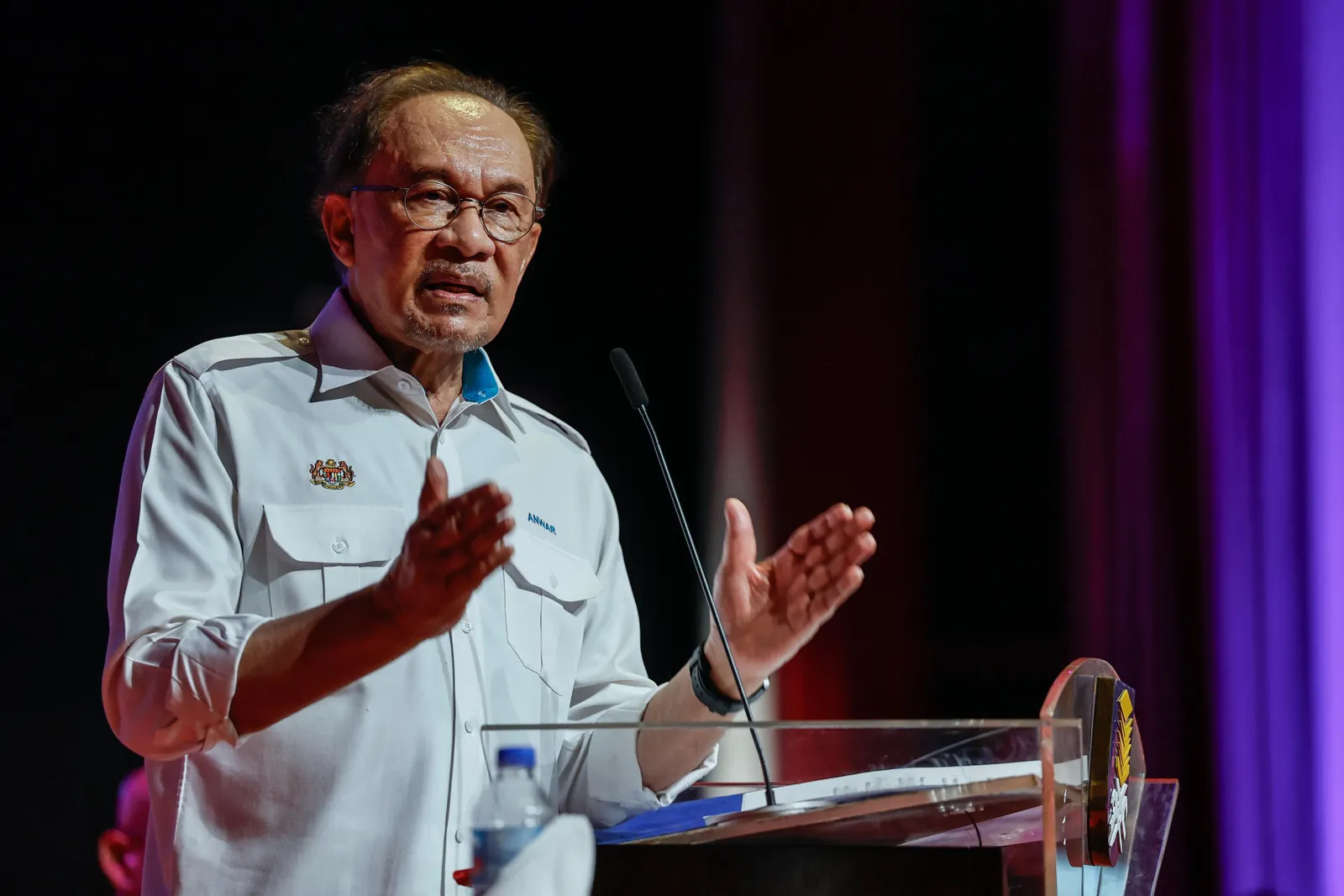

SUBANG JAYA, Sept 26 — The decision to abolish the 30 per cent Bumiputera equity requirement for private educational institutions (IPS) falls under the purview of the relevant ministry, in accordance with its jurisdiction, said Economy Minister Akmal Nasrullah Mohd Nasir.
He said the Economy Ministry is focusing on the Bumiputera Economic Transformation Plan 2035 (Putera35) to strengthen Bumiputera capabilities and ensure inclusive economic growth.
“Regulation and implementation of the requirement are under the respective ministry, and any decision is bound by the Cabinet decision made in 2009.
"Therefore, the Bumiputera empowerment agenda should be viewed positively to further enhance their capacity to grow and participate in the economy,” he told the media after attending the closing ceremony of the REHDA Institute Youth Initiative 2026 today.
On Monday (September 21), the Education Ministry announced that at least 30 per cent Bumiputera equity ownership would no longer be a requirement for private limited companies operating IPS under the ministry.
The change was made to meet the education sector's current needs and ensure participation in education remained open to all parties seeking to contribute to the development of the country's education sector.
In a separate development, Akmal said structural economic reforms were among the key measures to address stagnant wages and improve workers’ income levels in Malaysia.
“When we talk about stagnant wages and how we can further improve wage levels in this country, it is certainly a structural issue that has long plagued the country.
"Addressing this structural problem includes raising the ceiling of the country’s economy,” he said, adding that the government is also focused on raising the incomes of low-wage workers, including through the minimum wage mechanism.
The minimum wage mechanism has been in place for more than a decade and has increased minimum wages.
“The next challenge is how to prevent wage compression, particularly for semi-skilled workers and those in the middle-income wage group. This is to ensure they are not squeezed as employers, particularly micro, small and medium enterprises, bear the commitment of higher minimum wages,” Akmal said.