HANOI, Sept 25 — Vietnam-Malaysia trade is on track to top US$18 billion (RM73.34 billion) in 2026, putting the US$20 billion (RM81.49 billion) milestone within reach as both sides seek to unlock new export opportunities, particularly in the halal market.
Vietnam News Agency reported that two-way trade more than doubled from US$7.4 billion (RM30.15 billion) in 2015 to US$16.33 billion (RM66.53 billion) in 2025.
In the first half of 2026, it reached US$10.8 billion (RM44 billion), comprising US$3.4 billion (RM13.85 billion) in Vietnamese exports and US$7.4 billion (RM30.15 billion) in imports.
Vietnamese Trade Counsellor in Malaysia Phùng Văn Thành said that Malaysia remains one of Vietnam’s key trading partners in ASEAN and globally. However, Vietnam’s exports have lagged behind imports, resulting in a trade deficit of US$5.67 billion (RM23.10 billion) with Malaysia in 2025 and nearly US$4 billion (RM16.30 billion) in the first six months of 2026.
Vietnamese exports to Malaysia grew by an average of 3.89 per cent annually between 2015 and 2025, reaching US$5.33 billion (RM21.72 billion) last year. Key products include machinery, electrical equipment, mechanical products and production materials. No Vietnamese export item has yet reached US$1 billion (RM4.07 billion) in annual turnover in Malaysia.
By contrast, imports from Malaysia grew by an average of 11.48 per cent annually during the same period, reaching US$11 billion (RM44.82 billion) in 2025, mainly comprising machinery, equipment, petroleum products, computers, electronics, and components.
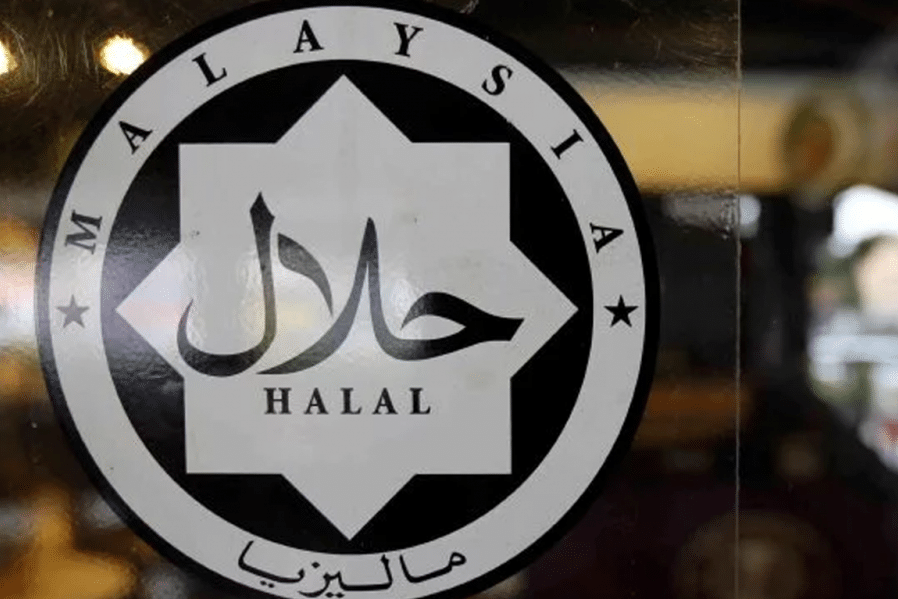
Thành identified halal certification as a major hurdle but also a significant opportunity for Vietnamese exporters.
Malaysia, with a population of about 34.2 million, of whom 60.4 per cent are Muslim, is a major halal food market and one of the five largest halal food importers among Organisation of Islamic Cooperation members, with annual imports exceeding US$20 billion.
Malaysia’s domestic halal food market is estimated at US$50 billion (RM203.7 billion), while its Halal Industry Master Plan targets domestic halal consumption of US$113 billion (RM460.4 billion) by 2030 and seeks to position the country as a global Islamic economy hub.
Vietnam has strong potential to tap into this market, ranking among the world’s top 10 exporters of key agricultural products such as rice, coffee, cashew nuts, pepper, and medicinal herbs. More than 80 per cent of Vietnam’s plant-based agricultural products inherently meet basic halal requirements.
Thanh said developing halal-compliant products could help Vietnamese businesses overcome export barriers and contribute to achieving the US$20 billion bilateral trade target, with US$25 billion (RM101.8 billion) a year as a longer-term goal.
However, businesses still face challenges in obtaining certification because of limited experience, a shortage of specialised consultancy services, and differing requirements across Muslim markets.
In Malaysia, the Islamic Development Department applies stringent certification procedures, including document reviews, on-site inspections of production facilities and supply chains, dedicated halal compliance personnel, and staff training. Foreign businesses must also cover inspection teams’ travel and accommodation costs, adding to certification expenses.
Strengthening halal certification capacity and helping Vietnamese businesses meet international standards could therefore help narrow the trade gap and unlock greater export potential in the Malaysian market.