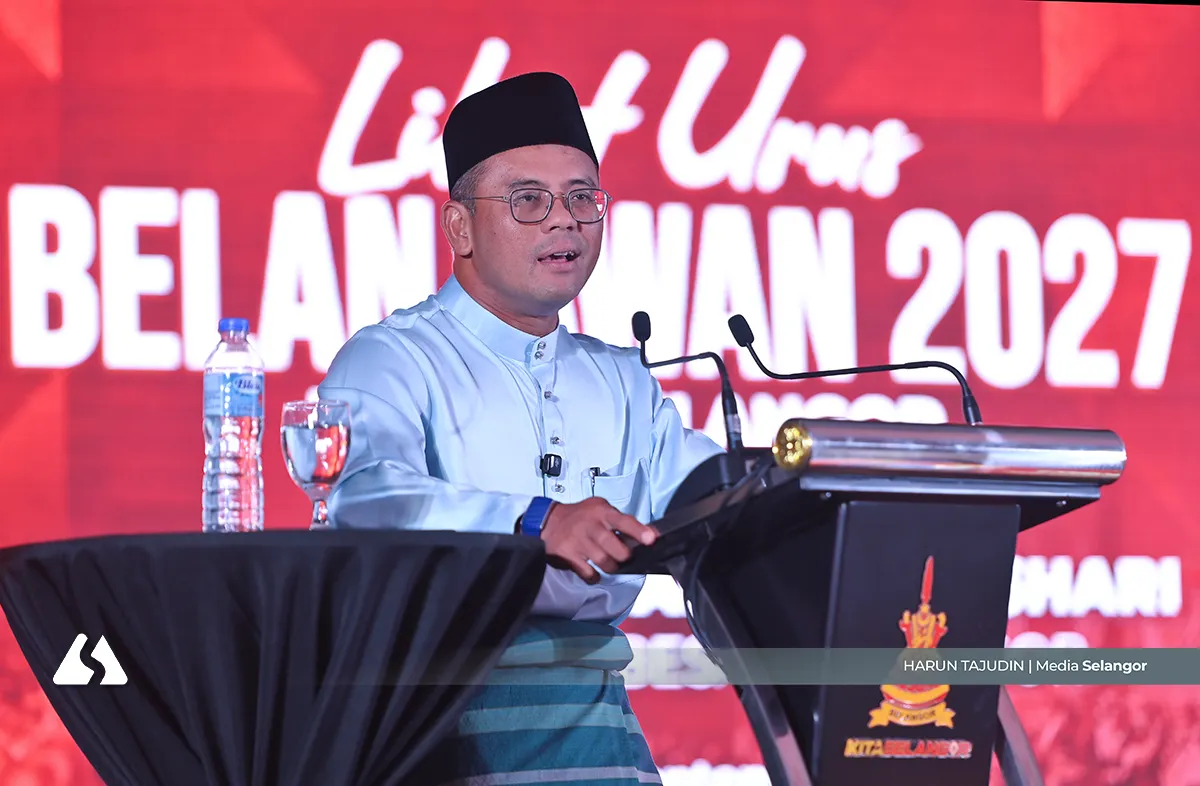
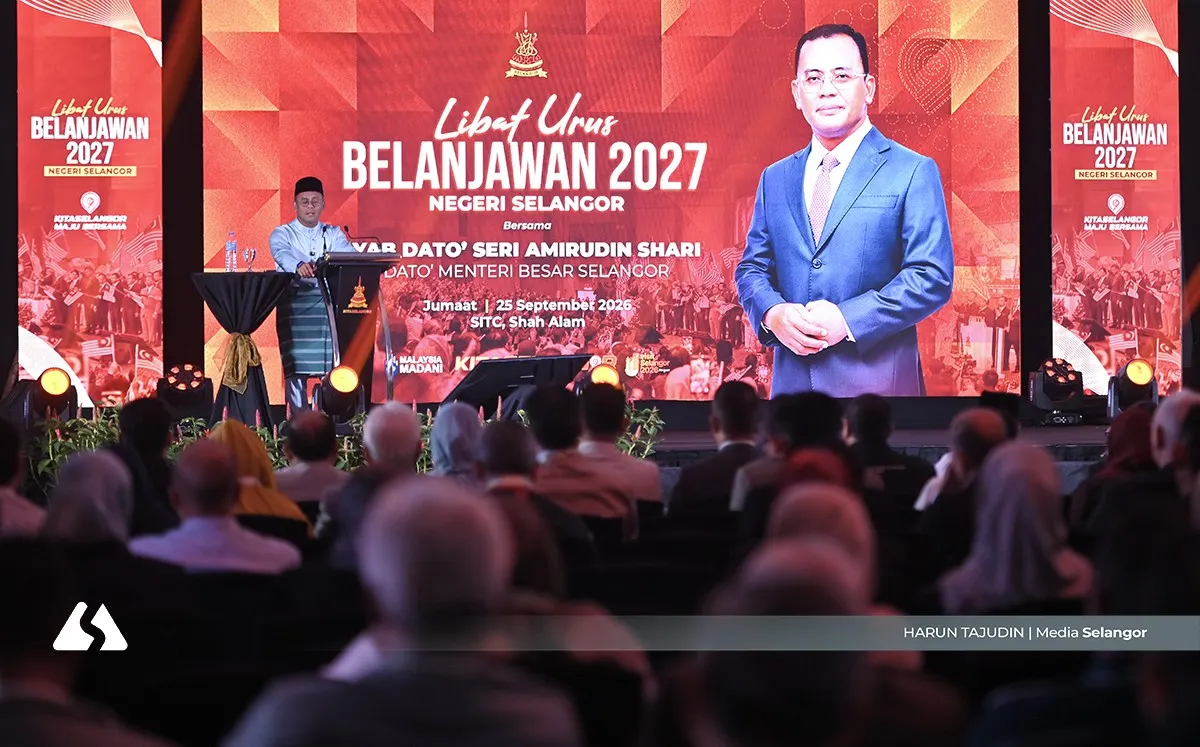
SHAH ALAM, Sept 25 — Selangor wants to explore a new approach to addressing poverty by assessing a decent standard of living based on local circumstances, rather than relying entirely on the poverty line.
Menteri Besar Dato' Seri Amirudin Shari said the approach could be considered under the Second Selangor Plan (RS-2) to ensure poverty measurements better reflect the realities of people’s lives in each area.
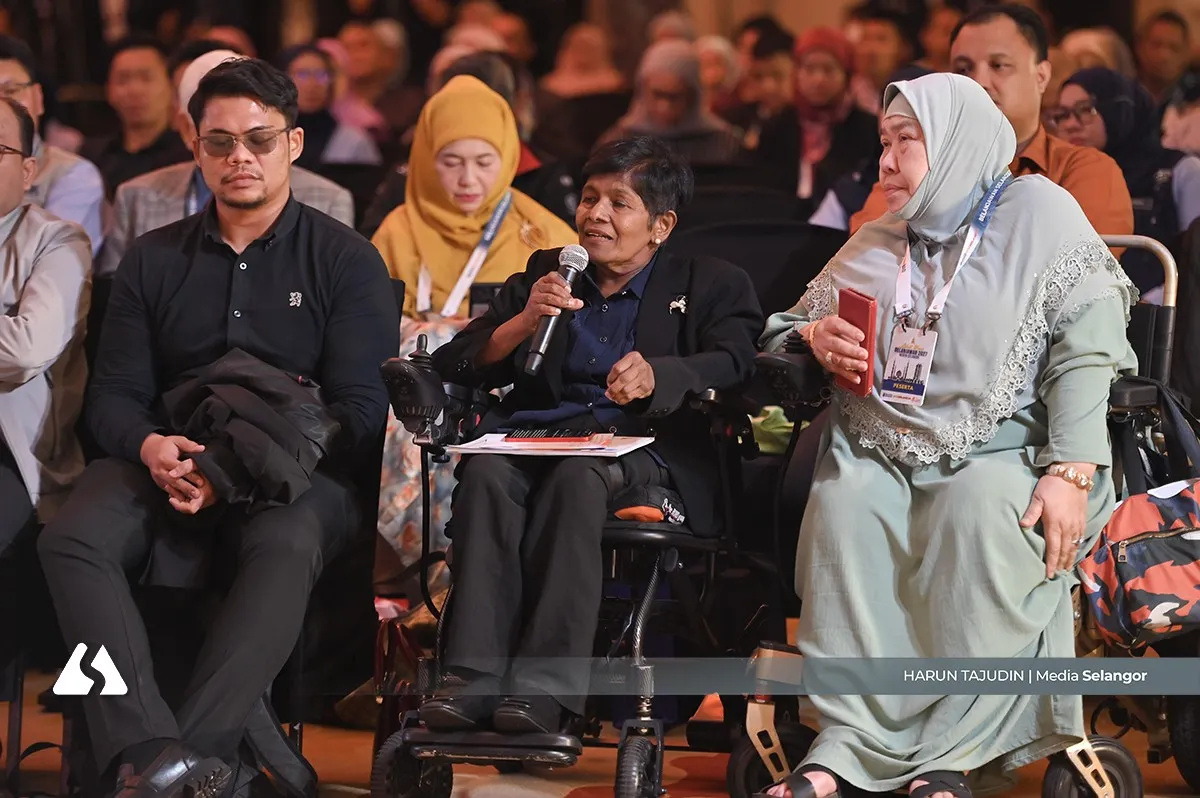
“I challenge ourselves in RS-2 not to rely solely on the poverty line. Instead, we should look at a decent standard of living, and this will have several levels depending on the locality and specific areas,” he said during the 2027 Selangor Budget engagement session at the Selangor International Trade Centre today.
Amirudin added that the approach might increase the state government’s financial commitments, but is also important to ensure that efforts to address poverty are not assessed solely based on figures and statistics.
Selangor’s achievement in reducing the poverty rate must be viewed alongside the realities faced by people on the ground.
He said that although hardcore poverty stands at around 0.8 to 0.9 per cent and relative poverty has fallen to single digits, there are still people who feel that their standards of living are not sufficiently comfortable and dignified.
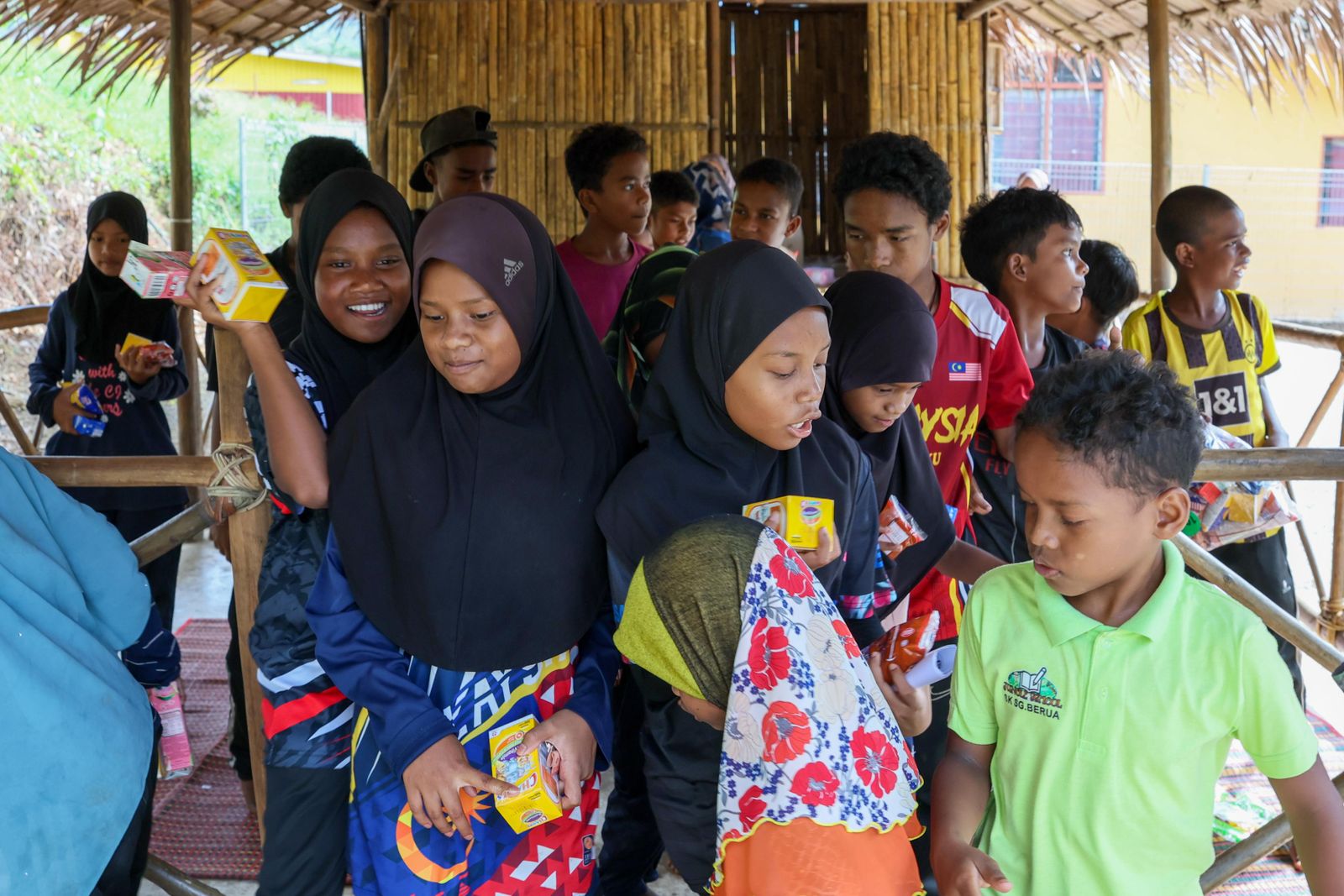
“In reality, at (state constituency community) service centres, on the ground, and in many places, there are still those who feel they have yet to attain a dignified life or are still living in hardship,” Amirudin said.
In this regard, the state government needs to restructure its forms of intervention, assistance, and support to better match people’s actual needs.
Areas that can be strengthened include entrepreneurial assistance and other support programmes that could help improve household living standards.
The Menteri Besar noted that an approach based on a decent standard of living will also enable the state government to view poverty from a broader perspective, including taking into account households' actual circumstances by locality.
In this respect, the main challenge is to ensure that the measures and forms of intervention used are genuinely capable of addressing people’s hardship, including those who are no longer categorised as poor under existing measurements.
This approach is among the matters that must be explored when formulating efforts to address poverty for Selangor’s next development phase.