BANGKOK, Sept 15 — Thailand has reaffirmed its commitment to international law and a peaceful resolution of its maritime boundary dispute with Cambodia, while stressing that it will firmly defend its sovereignty and maritime rights.
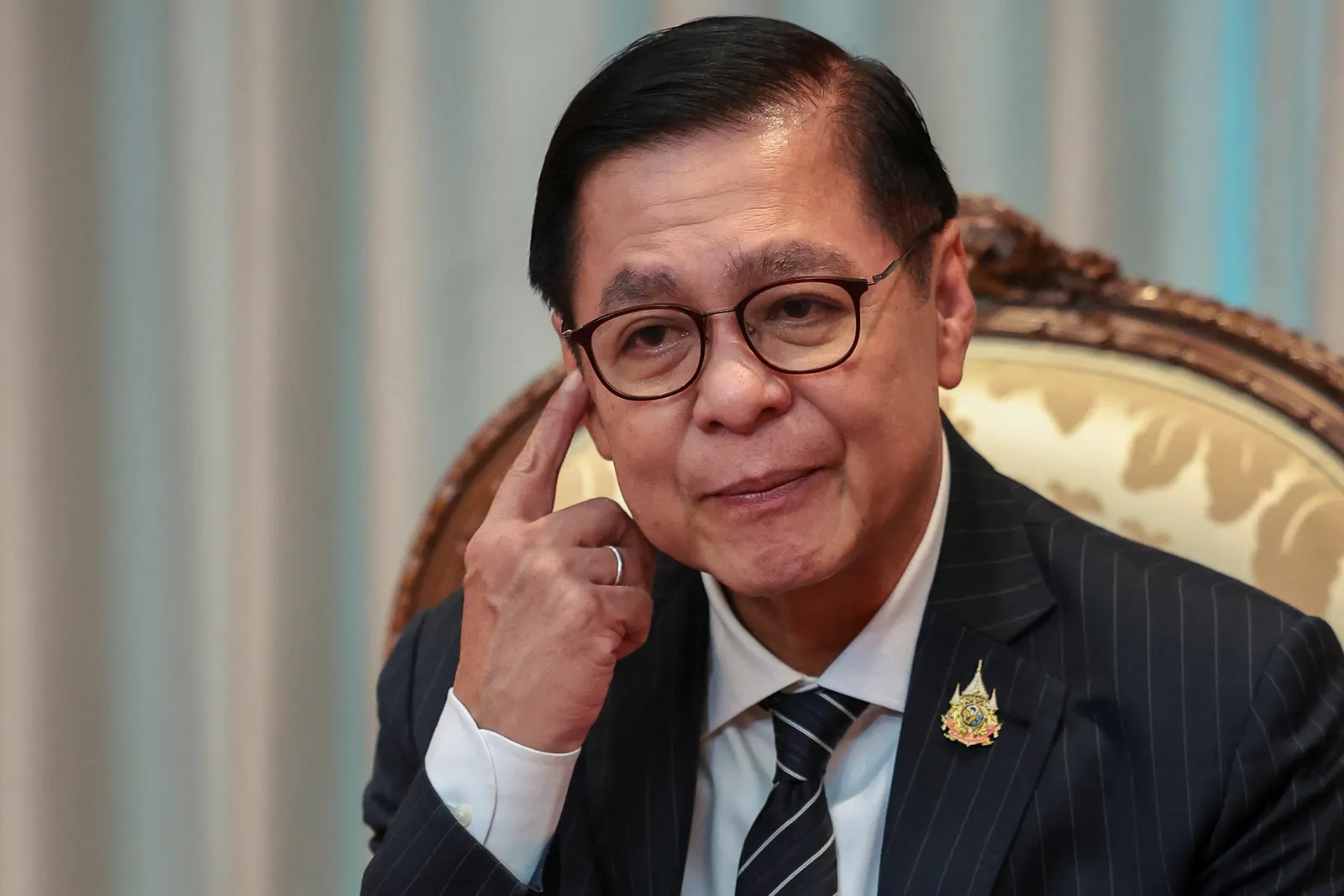
Thai Deputy Prime Minister and Foreign Minister Sihasak Phuangketkeow said Thailand entered the conciliation process in good faith and with full awareness of its obligations under the United Nations Convention on the Law of the Sea (UNCLOS).
“Thailand enters this conciliation in good faith, fully mindful of the provisions of UNCLOS, and with confidence in the independence, impartiality and collective expertise of this Commission,” he said in his opening speech at the first meeting of the UNCLOS Conciliation Commission in Singapore today.
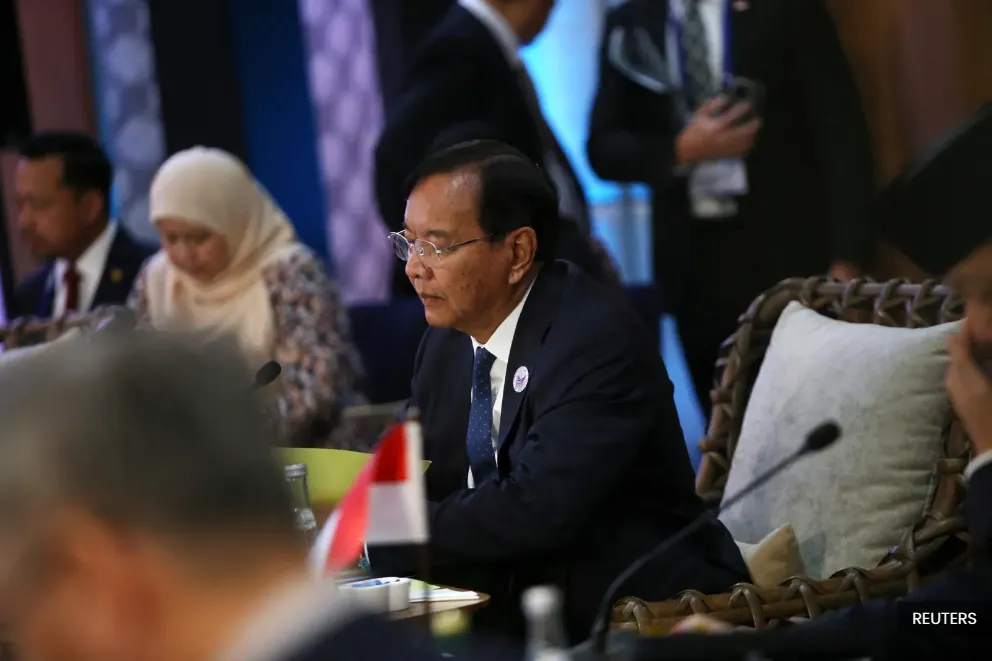
Sihasak led the Thai delegation, while Cambodia was led by Deputy Prime Minister and Foreign and International Cooperation Minister Prak Sokhonn.
The September 14 to 16 meeting marks the start of the compulsory conciliation process to address the longstanding maritime boundary dispute between the two countries.
Cambodia initiated the compulsory conciliation process after Thailand terminated a 2001 memorandum of understanding (MOU) on May 5 this year.
Sihasak said Thailand was ready to engage constructively in the process, aiming to reach a negotiated and equitable solution with the Commission’s assistance.
“Conciliation can help the parties to identify common ground, narrow divergent legal positions, and negotiate a way forward,” he said, expressing confidence that the process could lead to “an equitable, pragmatic, and lasting solution” on the delimitation of their maritime boundary.
He stressed that the process was not a zero-sum diplomatic exercise, saying Thailand was committed to upholding international law while protecting its sovereignty and maritime rights.
“This process is not an exercise in zero-sum diplomacy. Let there be no doubt that Thailand is fully committed to upholding international law. Let there be no doubt that Thailand defends its sovereignty and maritime rights firmly,” he said.
Sihasak stressed Thailand’s commitment to peace and prosperity with its neighbours, citing the country’s past support for efforts to bring peace to Cambodia and rebuild the country.
“Thailand stands firmly on the path of peace,” he said, adding that progress would require political will from both sides.
Sihasak said the outcome of the conciliation process would have implications not only for the maritime dispute but also for the future of Thai-Cambodian relations.
He added that both countries would remain neighbours after the proceedings, underscoring the need to ensure that the dispute was handled in a way that allowed future generations to benefit from peace and prosperity.
“The door for dialogue is open. In the end, the onus still rests on our two countries to find the way forward together, in earnest and in good faith,” said Sihasak.