SHAH ALAM, Sept 11 — Selangor needs more world-class infrastructure, quality investments, and a stronger network of supporting suppliers to complete its ecosystem and cement its position as a regional aerospace hub, National Aerospace Industry Corporation (NAICO) chief executive officer Shamsul Kamar Abu Samah said.
He said the state already has a strong foundation as it accounts for nearly 70 per cent of Malaysia’s aerospace activities, with major players and operations concentrated in Subang and Sepang, but added that there must be reinforcement to support the next phase of growth, especially as companies expand into higher-value activities such as manufacturing, maintenance, repair and overhaul (MRO), engineering and advanced aerospace technologies.
“We need more activities to be conducted in Selangor, as almost all of these companies are located either in Sepang or Subang,” he said in a phone interview with Media Selangor recently.
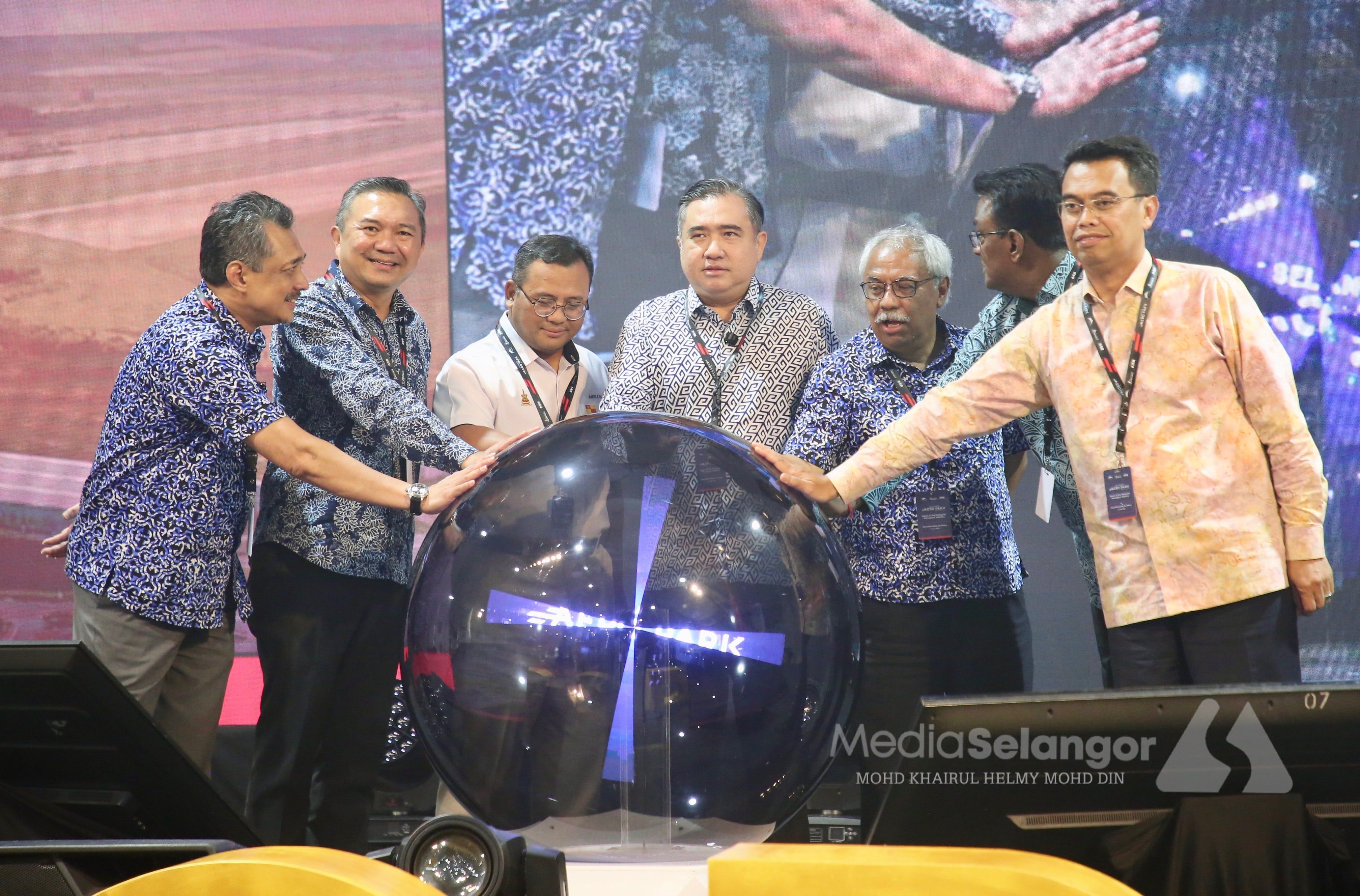
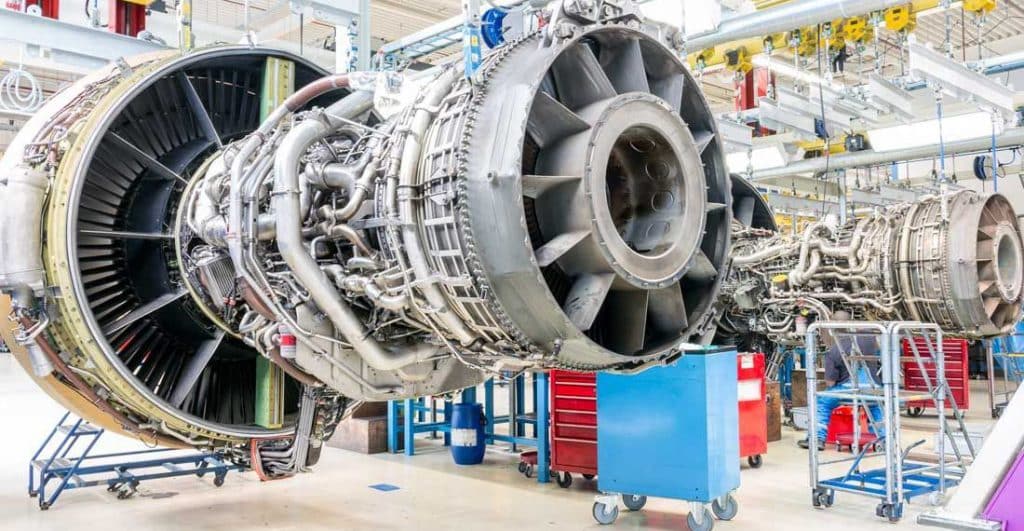
He said the Subang Airport Regeneration Plan (SARP), as well as the Selangor Aero Park (SAP) and KLIA Aeropolis developments, can provide the world-class infrastructure needed to attract investors and expand the aerospace cluster.
Shamsul was commenting on Selangor’s aerospace ambitions under the Second Selangor Plan (RS-2), which was tabled by Menteri Besar Dato’ Seri Amirudin Shari on August 7.
Under the RS-2, aerospace has been identified as one of 25 priority areas for the state, with the SAP@KLIA Aeropolis and SARP marked as key projects.
SAP is meant to create a comprehensive aerospace ecosystem by attracting global investments, driving productivity and fostering innovation, while SARP aims to transform Sultan Salahuddin Abdul Aziz Shah Airport into a regional aviation hub through the development of an integrated aerospace ecosystem.
Stronger aerospace supply chain
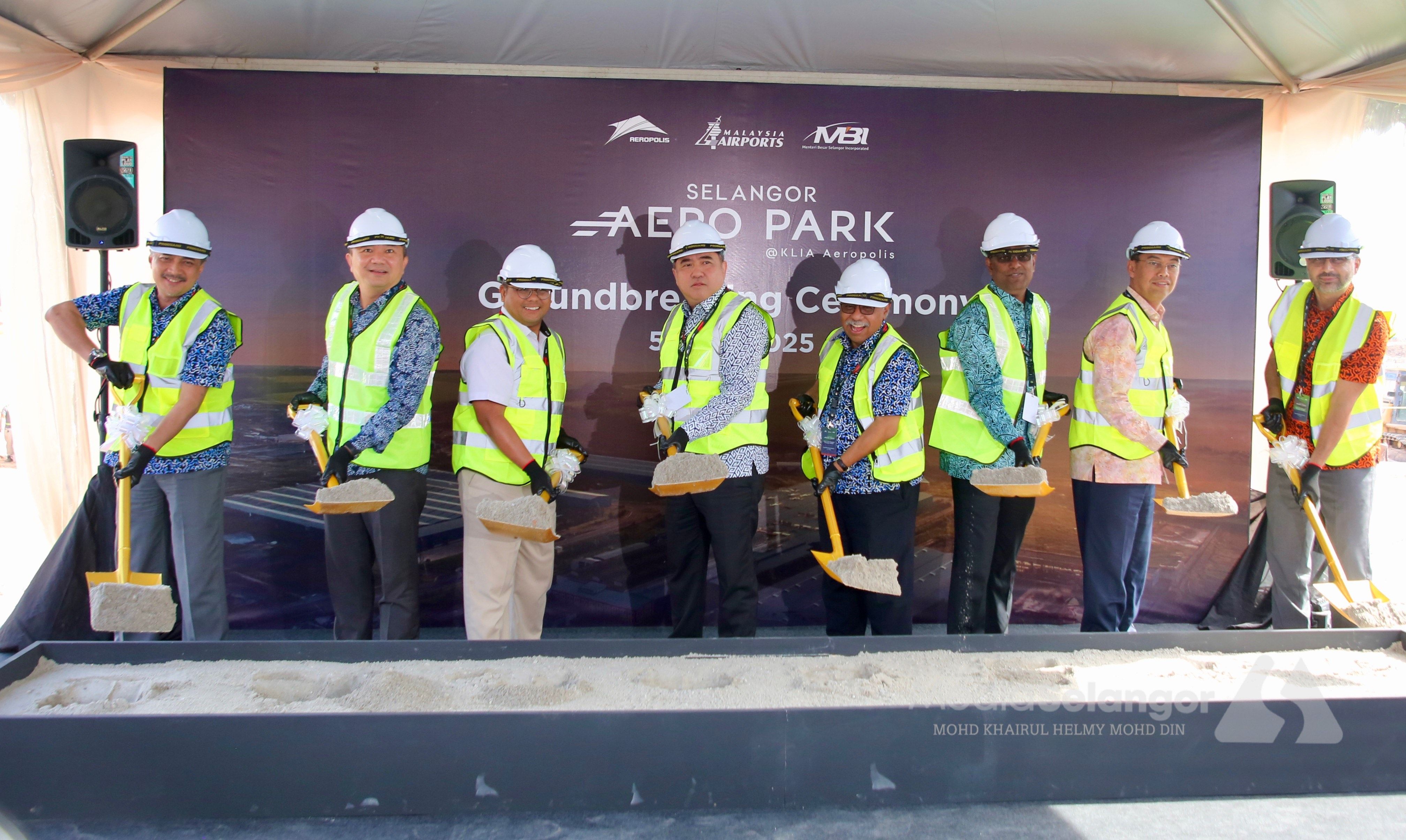
Shamsul said while Selangor’s existing aerospace activities gives it a strong competitive advantage, more quality investors and suppliers are needed to expand the ecosystem, both in Selangor and Malaysia.
“We already have Tier 1 companies, but what is most important is to complement them, including OEMs (original equipment manufacturers), with the support of small and medium enterprises (SMEs),” he said.
He added developing Tier 2, Tier 3, and Tier 4 suppliers would be crucial in creating a more complete and integrated aerospace manufacturing ecosystem.
Tier 1 companies refer to firms that supply major systems or components directly to aircraft manufacturers, while Tiers 2 to 4 suppliers provide increasingly smaller components, parts, materials and supporting services further down the aerospace supply chain.
Shamsul said these suppliers should not be limited to Malaysian companies, as foreign SMEs with specialised capabilities could also establish operations in Selangor and support the industry.
“We hope these people can also come to Malaysia or to Selangor, SAP or Subang to complement whatever is necessary for aerospace manufacturing,” he added.
He also said Selangor’s aerospace development must complement and remain aligned with federal policies, especially the Malaysian Aerospace Industry Blueprint 2030 and the New Industrial Master Plan 2030 (NIMP).
Modernising Selangor’s aerospace sector
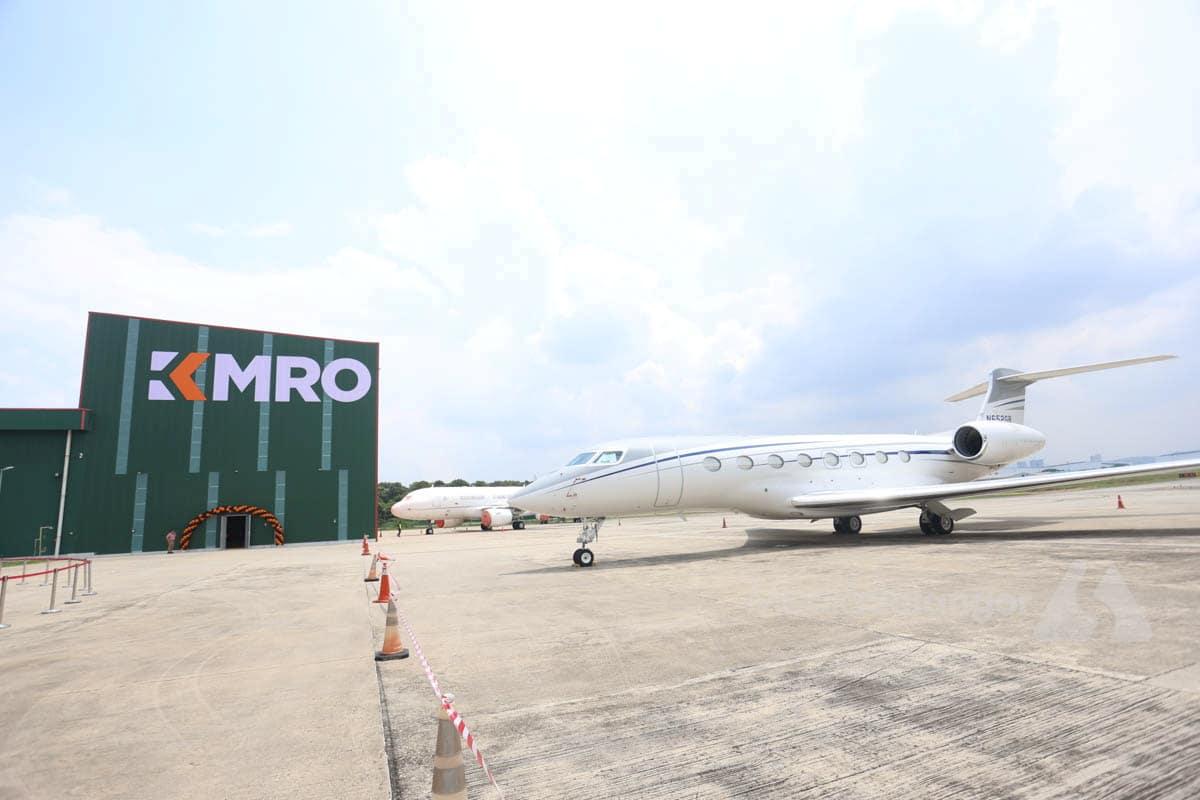
On manufacturing, Shamsul said Selangor should continue supporting major players such as UMW Aerospace and CTRM AeroSystems while developing more local SMEs capable of serving both domestic and international markets, which would let Selangor broaden its aerospace market beyond local firms.
“We cannot just depend on these two (UMW Aerospace and CTRM AeroSystems). If we can develop local SMEs alongside other (strategic) investors, they can also serve companies anywhere in the world.”
Shamsul said Selangor should attract investments that bring more advanced capabilities to its aerospace manufacturing sector, enabling the state to move beyond traditional activities towards higher-value ones.
“Most of the processes we implement are still traditional or hands-on, so we need to bring in more quality investors looking to modernise certain activities.
“If we can attract these investors, we can elevate our capabilities to the next level,” he said, adding that a stronger and more integrated aerospace cluster would allow companies in Selangor to leverage one another’s capabilities.