By Yasmin Ramlan
SHAH ALAM, Sept 7 — Science education should go beyond memorising formulas and passing examinations, with students encouraged to think critically, embrace new ideas and have the courage to experiment and learn from failure, Prime Minister Datuk Seri Anwar Ibrahim said.
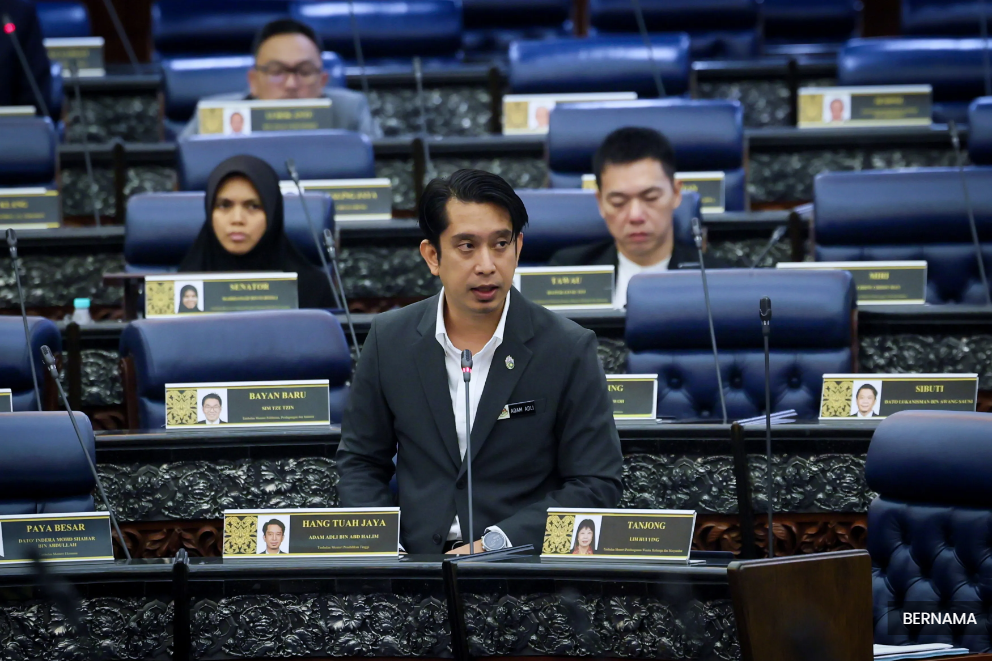
In a speech read by Science, Technology and Innovation Minister Chang Lih Kang, Anwar said science education must equip students with the ability to question, explore and solve problems rather than merely focus on academic results.
“Every challenge is also an opportunity to create something better. Every major solution begins with a small question: ‘Why does this problem happen, and what can I do to change it?’
“That is why science education cannot stop at memorising formulas and achieving good examination results.
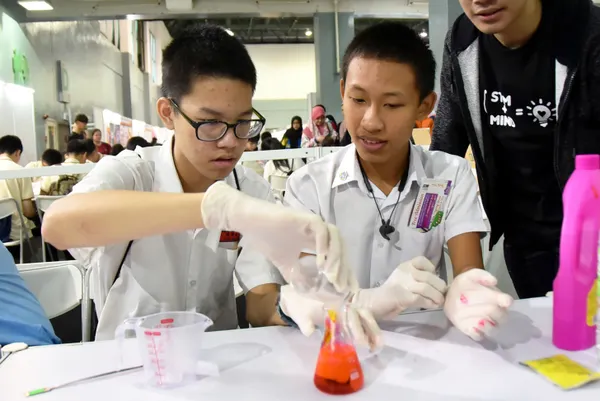
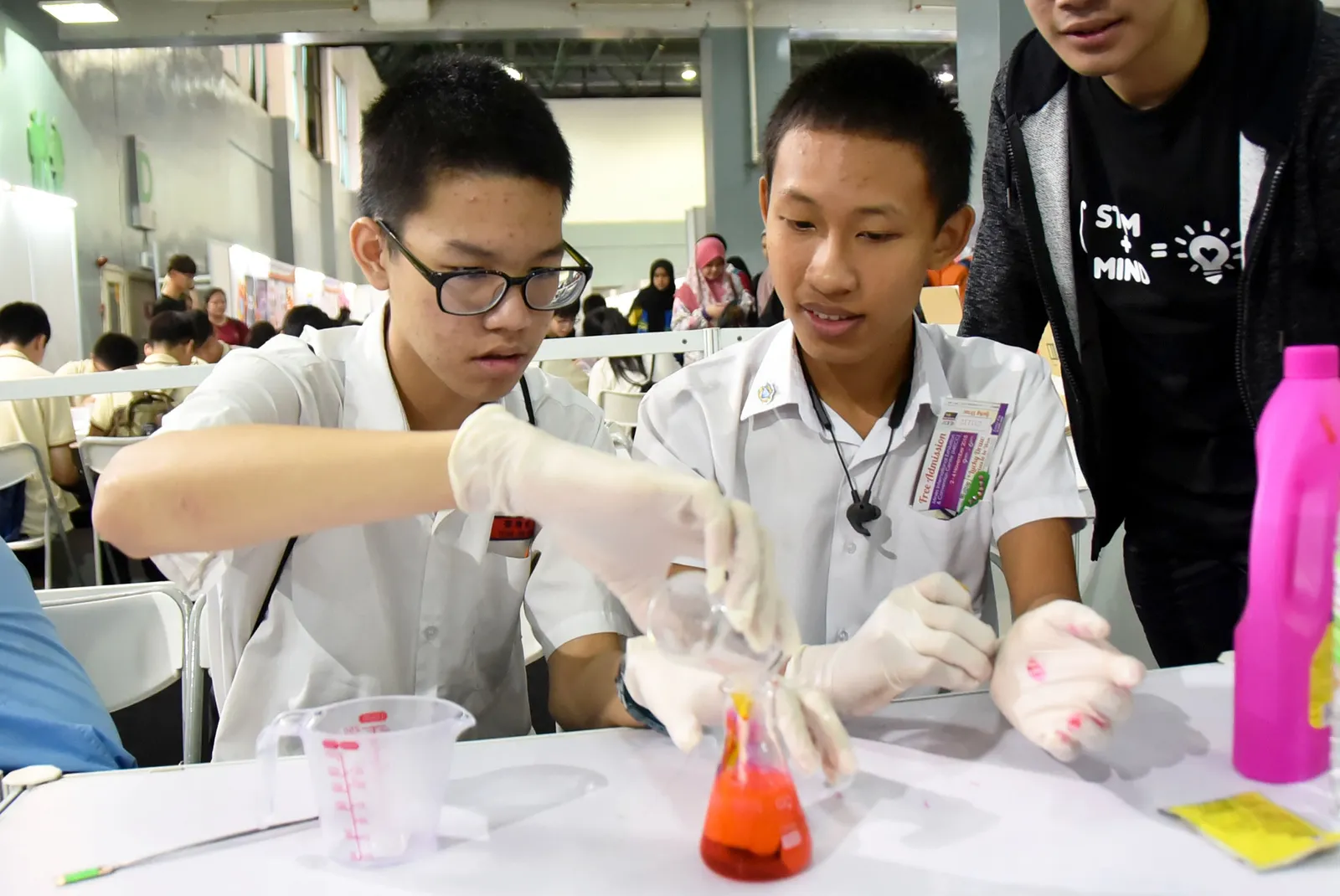
“Science must shape the way we think — to be critical of facts, open to new ideas, willing to experiment and honest when an experiment does not succeed,” he said at the National Science Challenge 2026 at the National Institutes of Health (NIH) in Setia Alam today.
He said students should be encouraged to experiment and accept failure as part of the learning process, as such experiences would help them develop the confidence and resilience needed to pursue science, technology and innovation.
According to Anwar, Malaysia needs to move beyond being a consumer of technology and instead develop the capability to create, own and master it.
He said this was increasingly important as the country faced complex challenges involving food security, energy, public health, water security, climate change and the responsible use of artificial intelligence.
From curiosity to research
Anwar said it was crucial for young people to prioritise curiosity, the courage to try and the responsibility to make a positive difference in whatever field they chose to pursue.
“Malaysia needs more STEM talent to build a more advanced, competitive and resilient future for the country.
“That is why we must continue strengthening an ecosystem that creates more opportunities for young people to grow through universities, research, industry and start-ups.
“We want ideas born in schools today to grow into research, technology, innovation and enterprises that can address the real problems faced by the people and enhance Malaysia’s competitiveness on the global stage,” he said.
Anwar said the National Science Challenge should be more than an annual competition, stressing that it should become a continuous platform for developing and nurturing young scientific talent.
He added that promising students should be given opportunities to connect with mentors, laboratories, scholarships and innovation networks so their potential could continue to be developed beyond the competition.
He also stressed the importance of making STEM education more inclusive by ensuring students from different backgrounds, including those in rural areas and low-income families, have access to opportunities to pursue science and technology.
According to Anwar, Malaysia has made progress in STEM participation, but greater attention is needed to encourage more students to pursue pure sciences.
Citing data from the Education Ministry (MOE), he said STEM enrolment increased from 40.95 per cent in 2021 to 50.83 per cent in 2024, while participation in pure sciences remained at about 15.8 per cent.
“This shows that there is still a gap that needs to be addressed, particularly in encouraging students to pursue pure sciences,” he said.

Anwar said developing the country’s science and technology talent could not be left to schools alone, but required collaboration among the government, educational institutions, industry and communities.
He also called for greater cooperation between the Science, Technology and Innovation Ministry (MOSTI), the Academy of Sciences Malaysia and MOE to strengthen the STEM talent pipeline.
He said the ultimate goal was to ensure ideas developed by students could eventually translate into research, innovation, technology and businesses capable of addressing real-world problems.
“Science and technology must ultimately benefit society and not leave anyone behind,” he said.