




For a mother who has just given birth, seeing her baby in good health is enough to bring relief.
However, that joy can turn into worry when screening results reveal something unexpected.
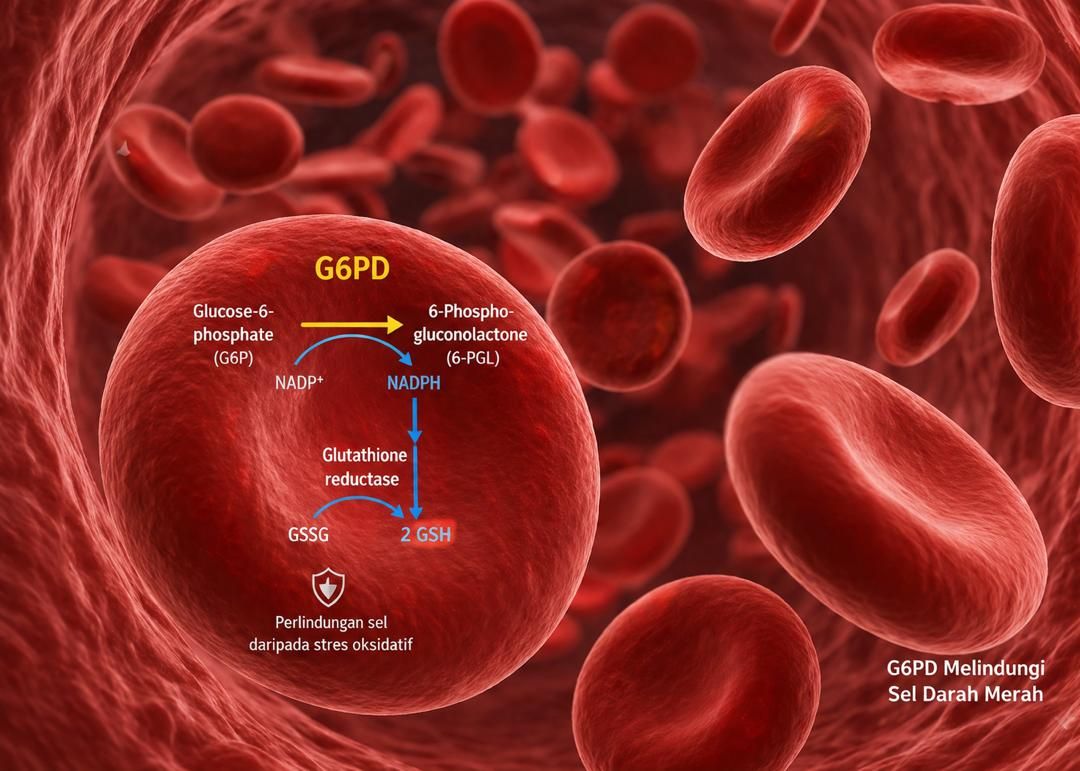
The term glucose-6-phosphate dehydrogenase, or G6PD, may sound unfamiliar.
Questions will begin to cross the mind, will the child always be sick, will their growth be affected, or will they have to live with various restrictions?
The same concerns were felt by Intan Azrenajwa Maznan when her third child was diagnosed with G6PD deficiency shortly after birth.
Even though she had heard of it before, Intan Azrenajwa admitted that she did not truly understand the condition until it was explained by a doctor.
“I was really panicked. I had just given birth and found out that my child had G6PD deficiency.
“When the doctor informed us about our child’s condition, we started looking for information and learning what G6PD was,” she said while sharing her experience on Media Selangor’s Bicara Semasa programme.
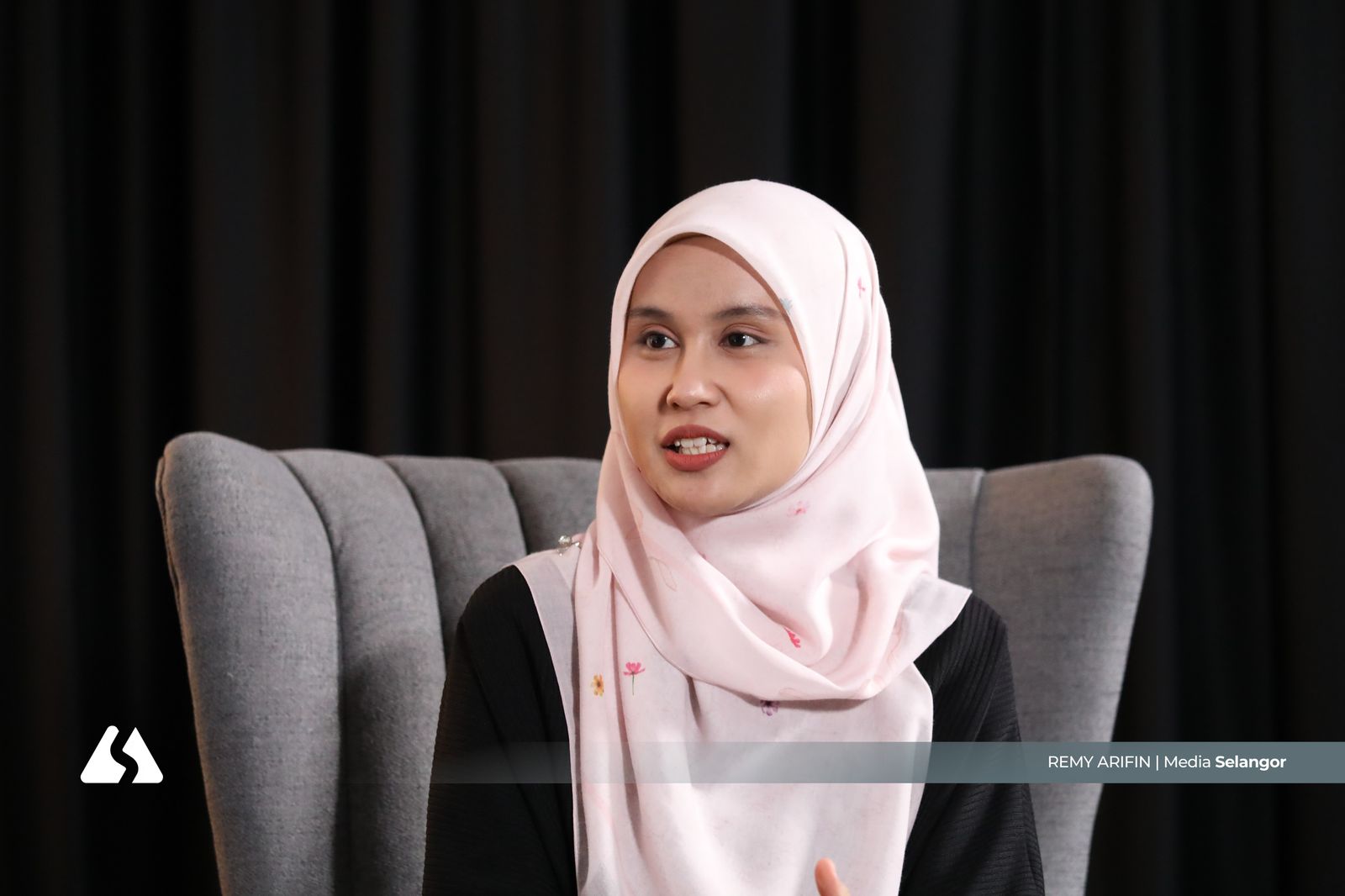
Dr Syed Nazir M.S. Kadir, who is a Consultant Paediatrician at MSU Medical Centre said a G6PD diagnosis should not cause excessive concern among parents.
He explained that G6PD is not an infectious disease, but a genetic condition in which a person is born with a deficiency of an enzyme that helps protect red blood cells from damage.
“Early screening is important so parents are aware of their baby’s condition and can avoid certain foods, medicines or substances that may trigger complications.
“If a baby has G6PD deficiency and the parents are unaware of it, complications can occur when they are exposed to certain foods, medicines or substances,” he said.
When exposed to triggers, red blood cells can break down faster than normal in a process known as haemolysis.
Signs to look out for include the child appearing pale, developing jaundice or having dark-coloured urine.
More serious cases can cause extreme weakness, difficulty breathing or a faster heartbeat.
However, Dr Syed Nazir stressed that the enzyme deficiency only affects red blood cells and does not interfere with a child’s growth and development.
“G6PD does not affect their development. The only thing that needs attention is anything that could trigger a problem,” he said.
They can still study, play, take part in sports and lead their lives like other children as long as their triggers are identified and avoided.
For Intan Azrenajwa, the five days her child spent in hospital after birth gave the family the time to understand what they needed to be aware of.
“One of the things we remember most is fava beans. I immediately told the family, especially my husband, because he really likes eating fava beans.
“Besides that, we also avoided using mothballs and mosquito coils at home. We tried to follow all the advice given by the doctor for our child’s safety,” she said.
The experience of raising her child eventually eased the concerns that had once troubled Intan Azrenajwa.
Her child is now growing up healthy and active, playing with his older brother and sister and living life like any other child.
The experience made Intan Azrenajwa realise that getting accurate information is far more helpful than allowing herself to be consumed by fear.