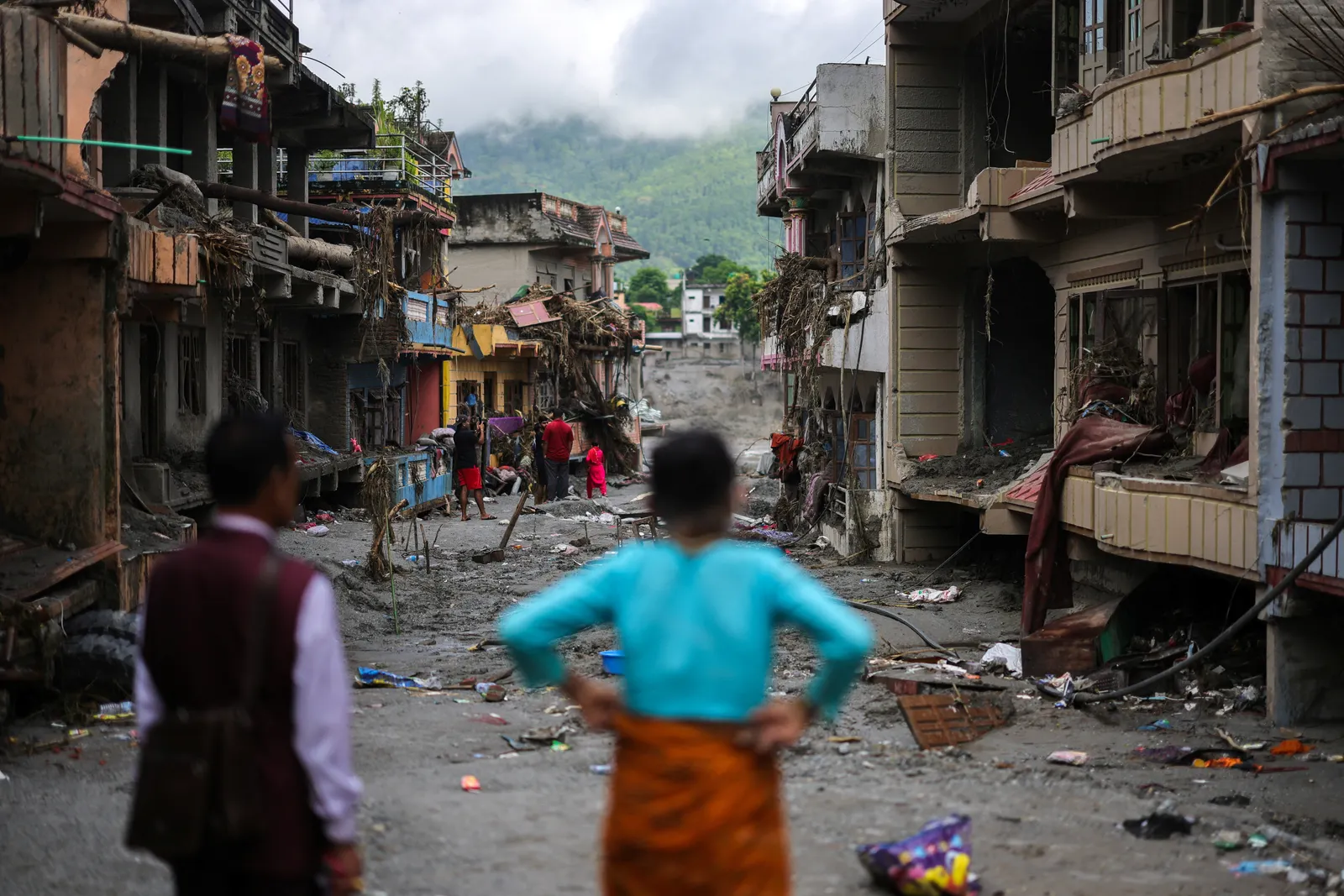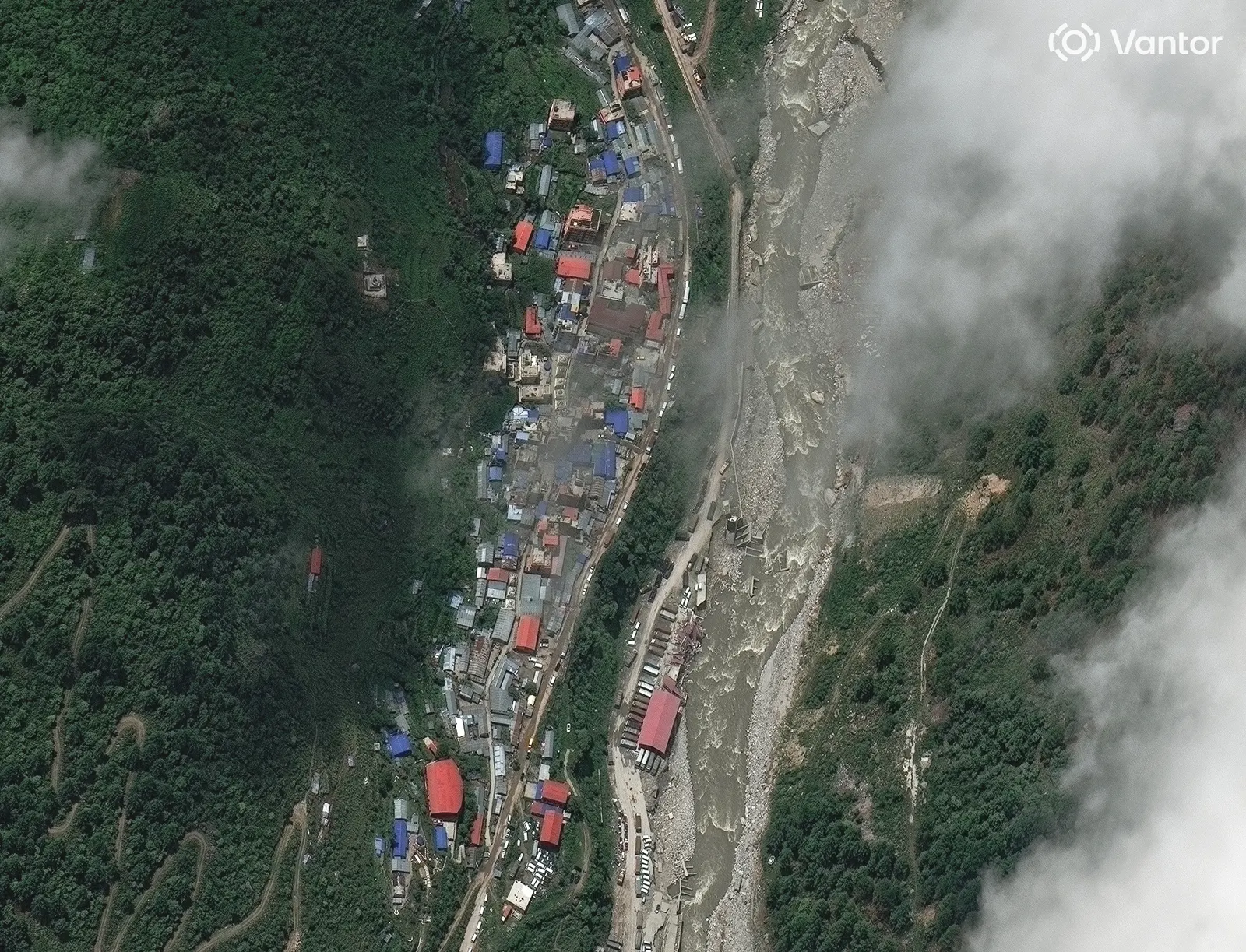
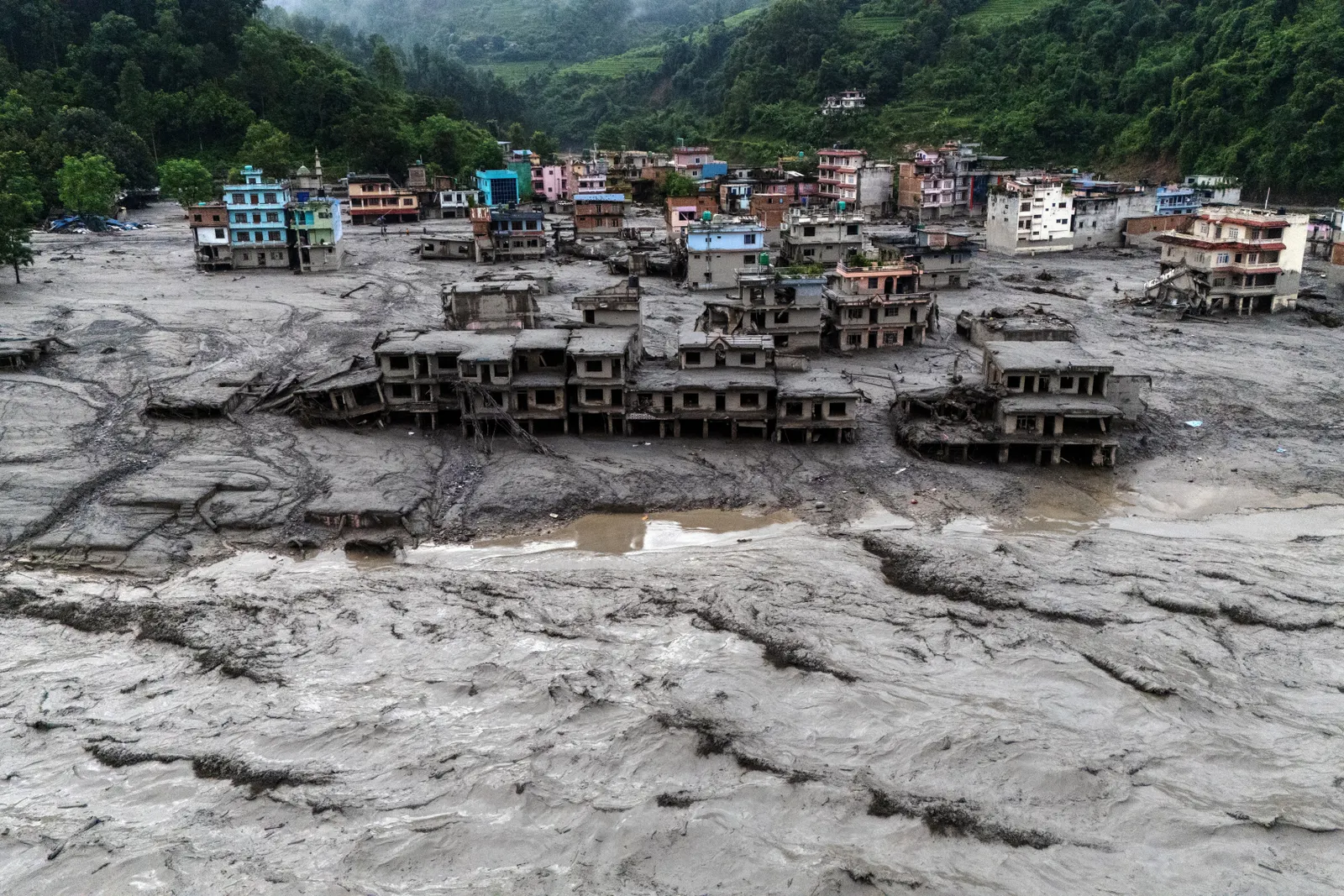
KATHMANDU, Sept 2 — Nepal plans to rebuild an early-warning system for landslides on part of its border with China, installing seismic sensors, cameras, and a satellite link, two Nepali government sources told Reuters, a week after a glacial flood killed more than 1,000.
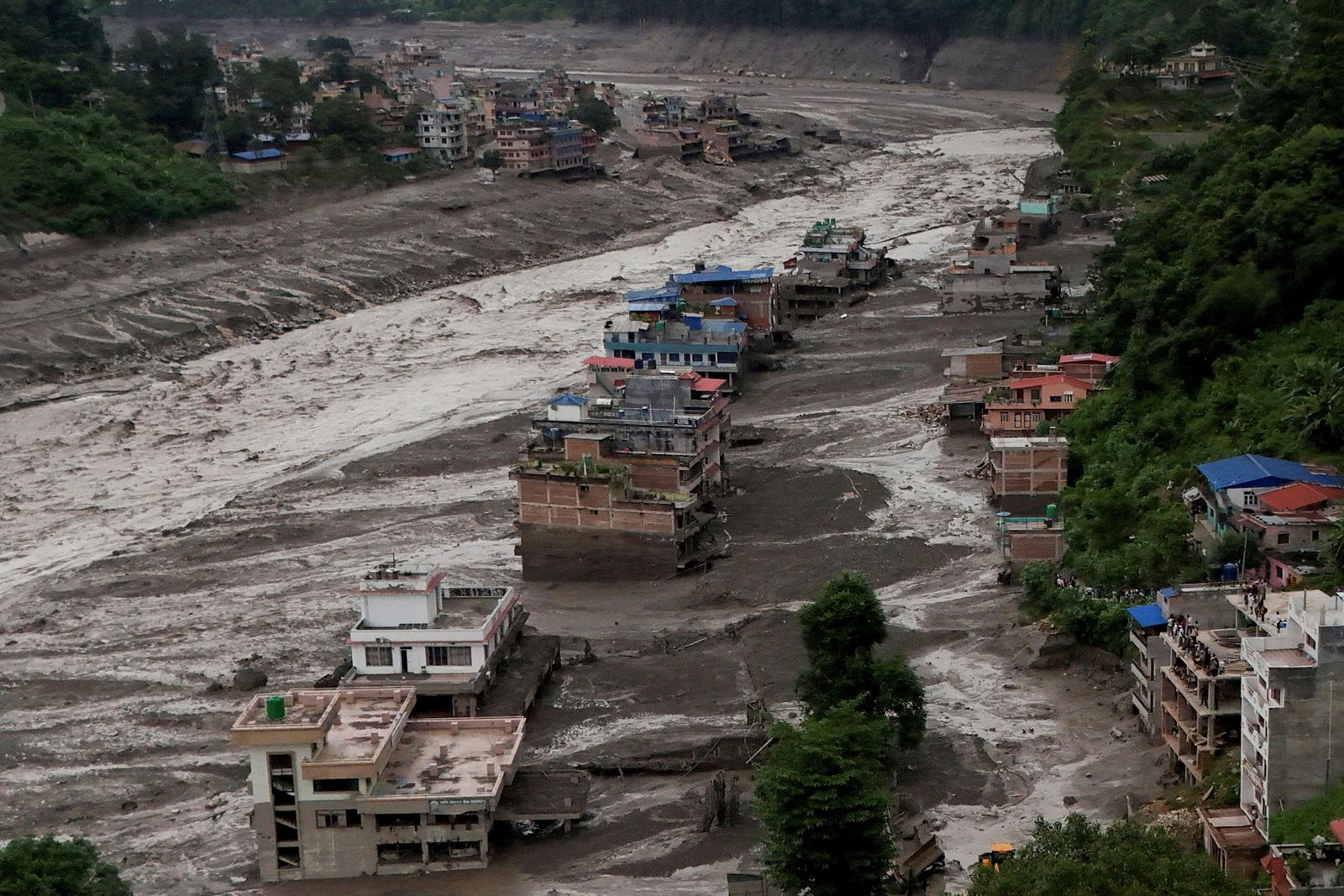
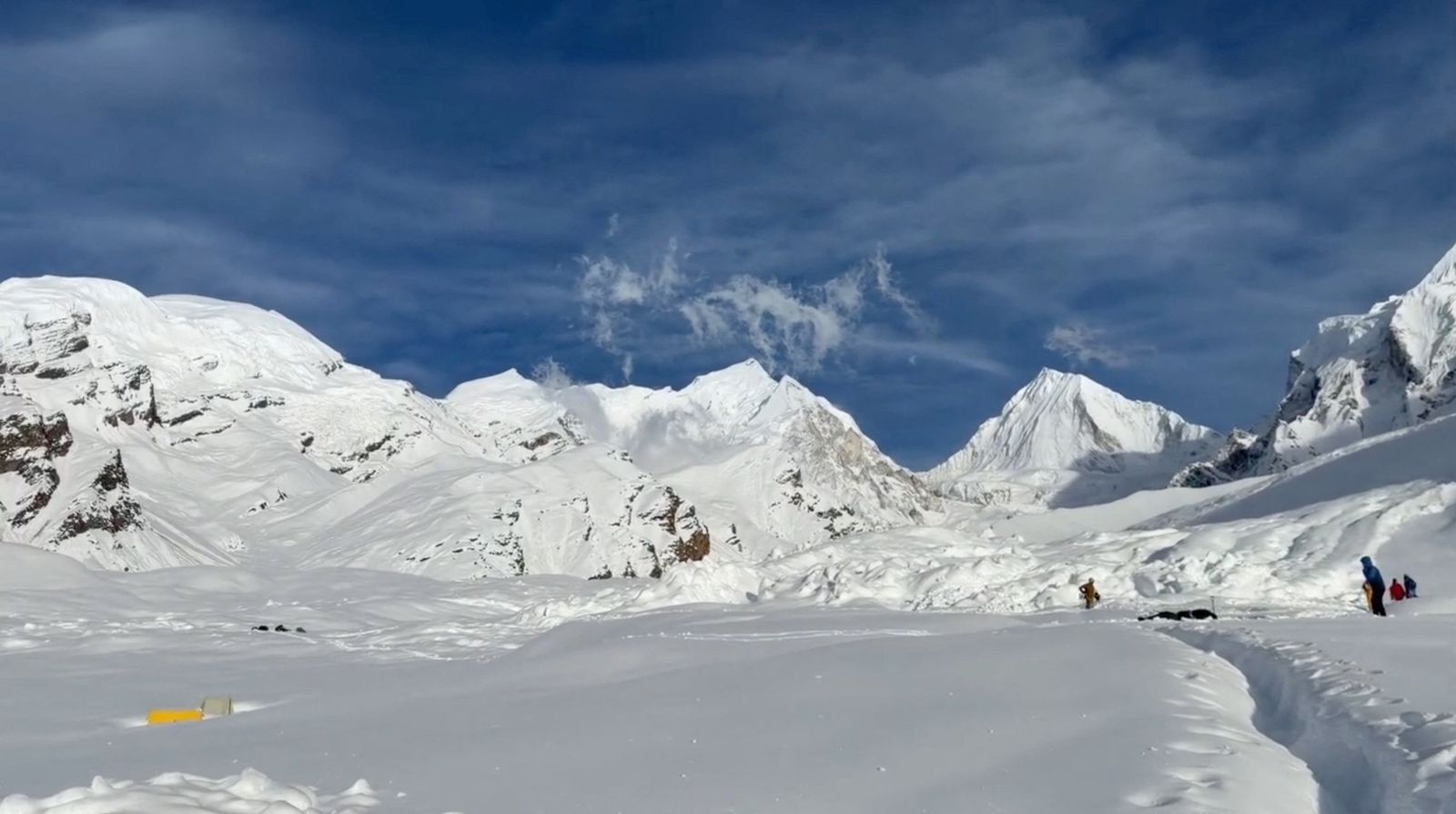
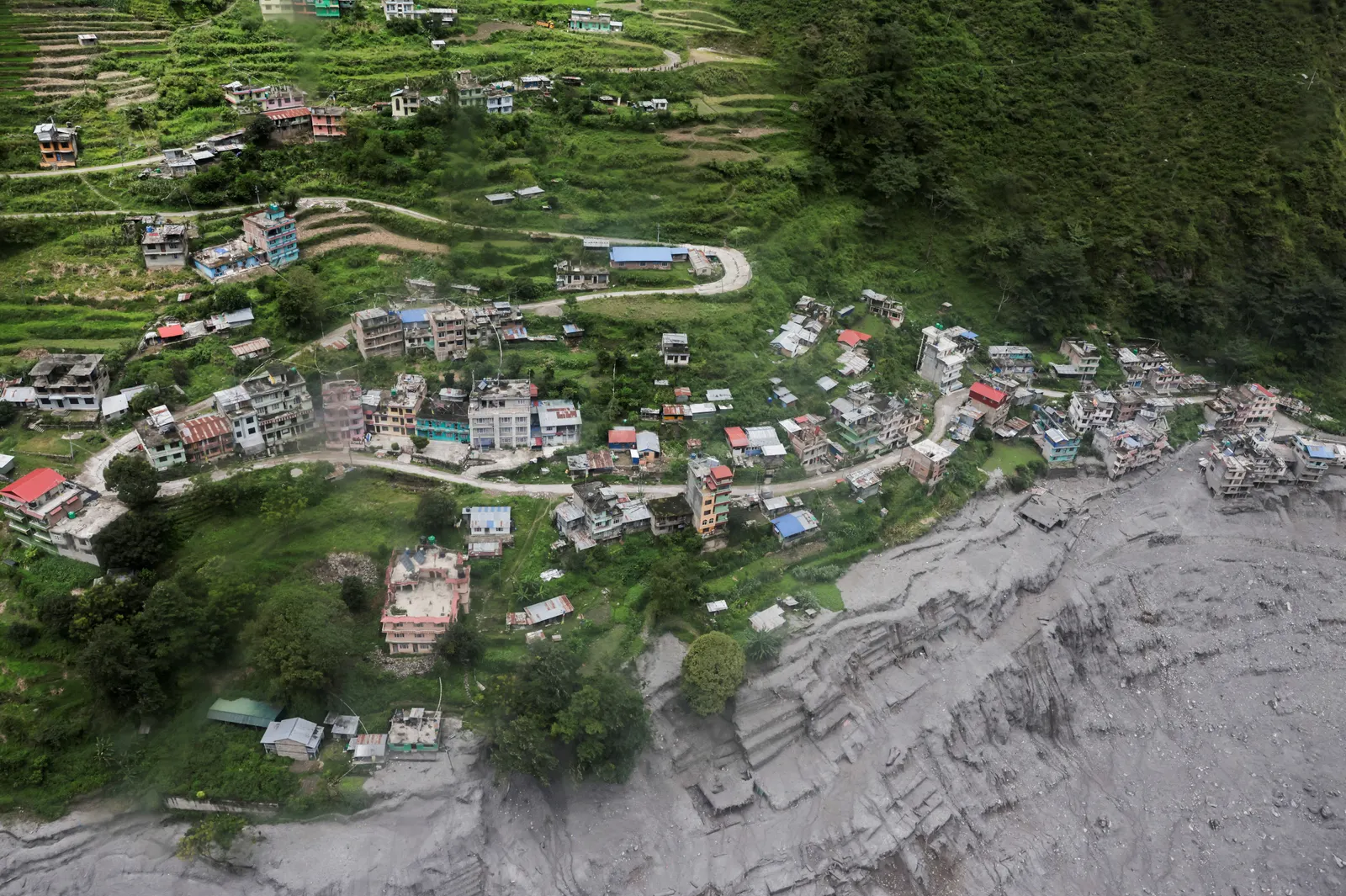
The equipment is being set up at Timure, a border settlement in Nepal's Rasuwa district on the same river corridor along the border with China where a collapsing glacier sent a gigantic wall of mud, water and rock hurtling through mountain valleys.
At least 1,114 people have died in both countries, the vast majority in Nepal, and nearly 4,000 are still missing.
The stretch of border where the instruments will be placed lies in one of the most sensitive parts of Nepal's frontier with China's Tibet region, a high-altitude area closely watched by Kathmandu, Beijing, and New Delhi.
Nepal has not formally announced the plans, and the two sources spoke on condition of anonymity because they were not authorised to discuss the issue.
The officials said there was a sense of urgency to act.
"The landscape is adjusting after the mega event, so [it] could trigger a few more landslides," one of the sources said.
Helicopter survey
Central to the plan is a satellite system known as Very Small Aperture Terminal (VSAT), meant to keep monitoring posts connected even when mobile networks go down, so they can spot fresh hazards and issue warnings quickly.
Such a blackout occurred when last week's flood knocked out at least four gauging stations near the border.
"We had sensors and monitoring stations, but they were not being monitored extensively," the source said, describing a previous early warning system that would send a message every few minutes but was swept away by Wednesday's floods.
"Because we were unaware, we could not check when they failed," it added.
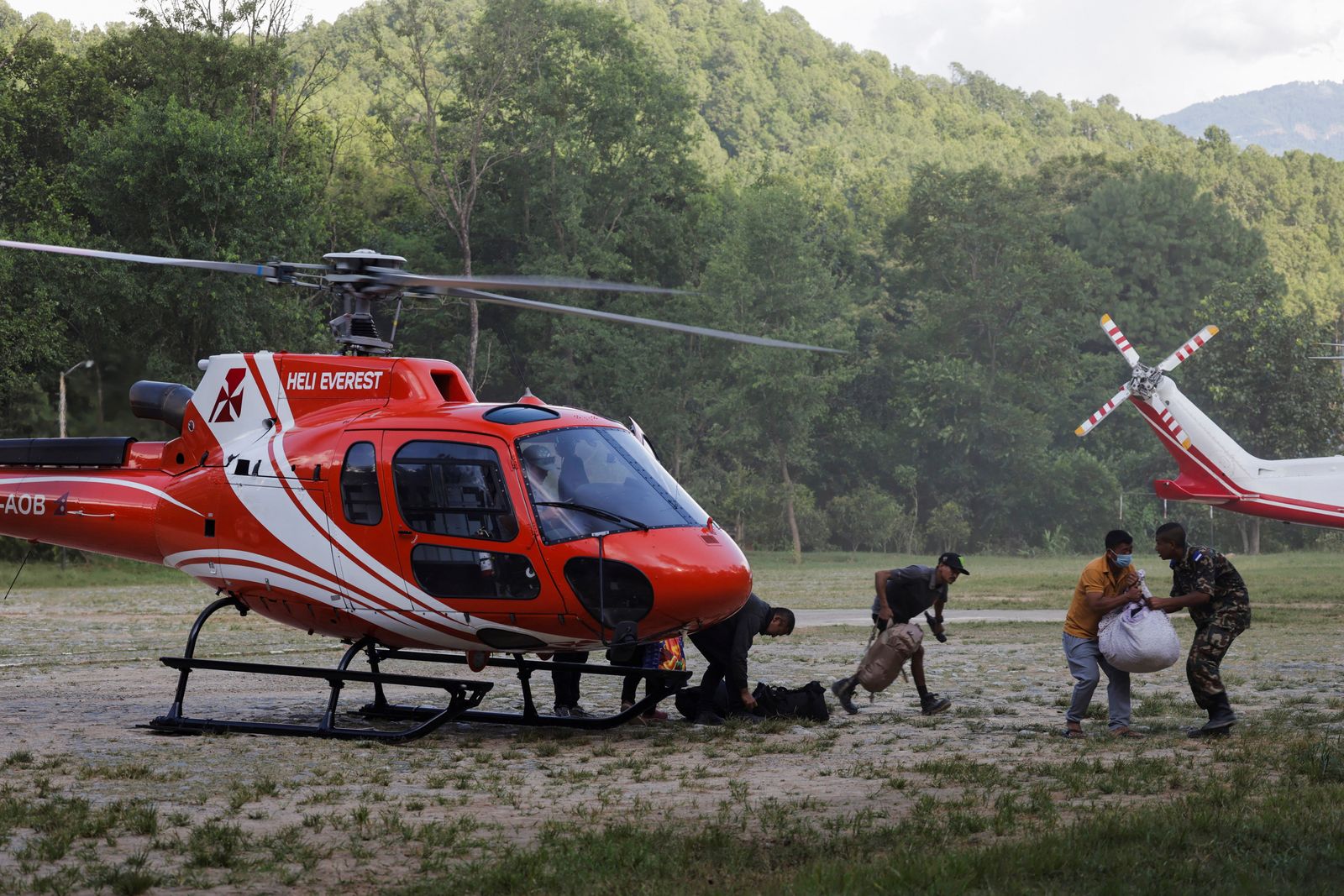
The second source said that for now, Nepal's National Disaster Risk Reduction and Management Authority (NDRRMA) will install cameras, sensors and the VSAT at a single site, with more to follow, adding that officials have already surveyed the area by helicopter to assess placement.
In response to questions from Reuters, NDRRMA chief executive officer Dharma Raj Upreti said that new monitoring stations are being set up to replace those swept away, along with a new camera installation.
"That would give the real-time river discharge information to the authorities, and accordingly, the authorities will disseminate SMS messages if any new floods are detected," he said.
China's Foreign Minister and the country's Embassy in Nepal did not immediately respond to a request for comment.
Since the disaster, Beijing said it has shared imagery of the affected areas, satellite and hydrological data, and early-warning information on upstream barrier lakes with Nepal.
Minutes to spare
The immediate danger from two barrier lakes near the border — formed after the glacial collapse — has passed after they drained. One source noted that the terrain remains unstable and is being closely watched.
An early-warning system for any landslide-triggered events would give authorities only a few minutes to alert downstream communities of another flood, a brief window that could still prove critical.
Reuters has reported that last week's flood struck a border crossing at 8.32am, but a public alert was not issued until 9.13am.
Nepal had pressed China for more detailed, real-time sharing of data on glacier movements and water levels in the months before the disaster, and Nepali officials now plan to deepen their cooperation.