NUWAKOT, Aug 28 — Nepal and China resumed rescue operations briefly suspended in the flood-hit Himalayas today after risks from an overflowing lake were found to be manageable, easing fears of fresh devastation.
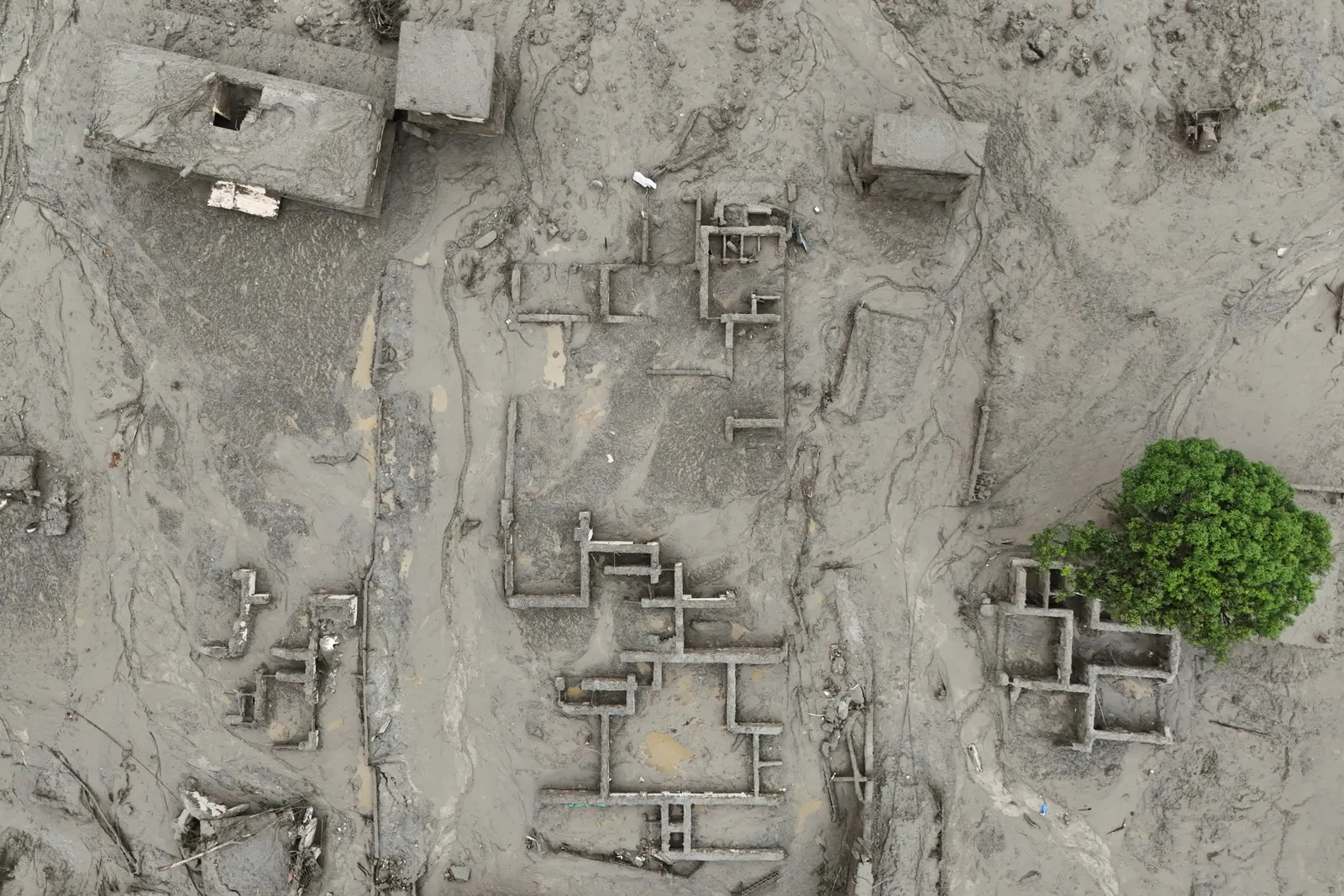
Wednesday's (August 26) catastrophic flood caused by a glacier collapse killed 547 people in Nepal and five in China's Tibet, with almost 1,000 more missing in the two countries.
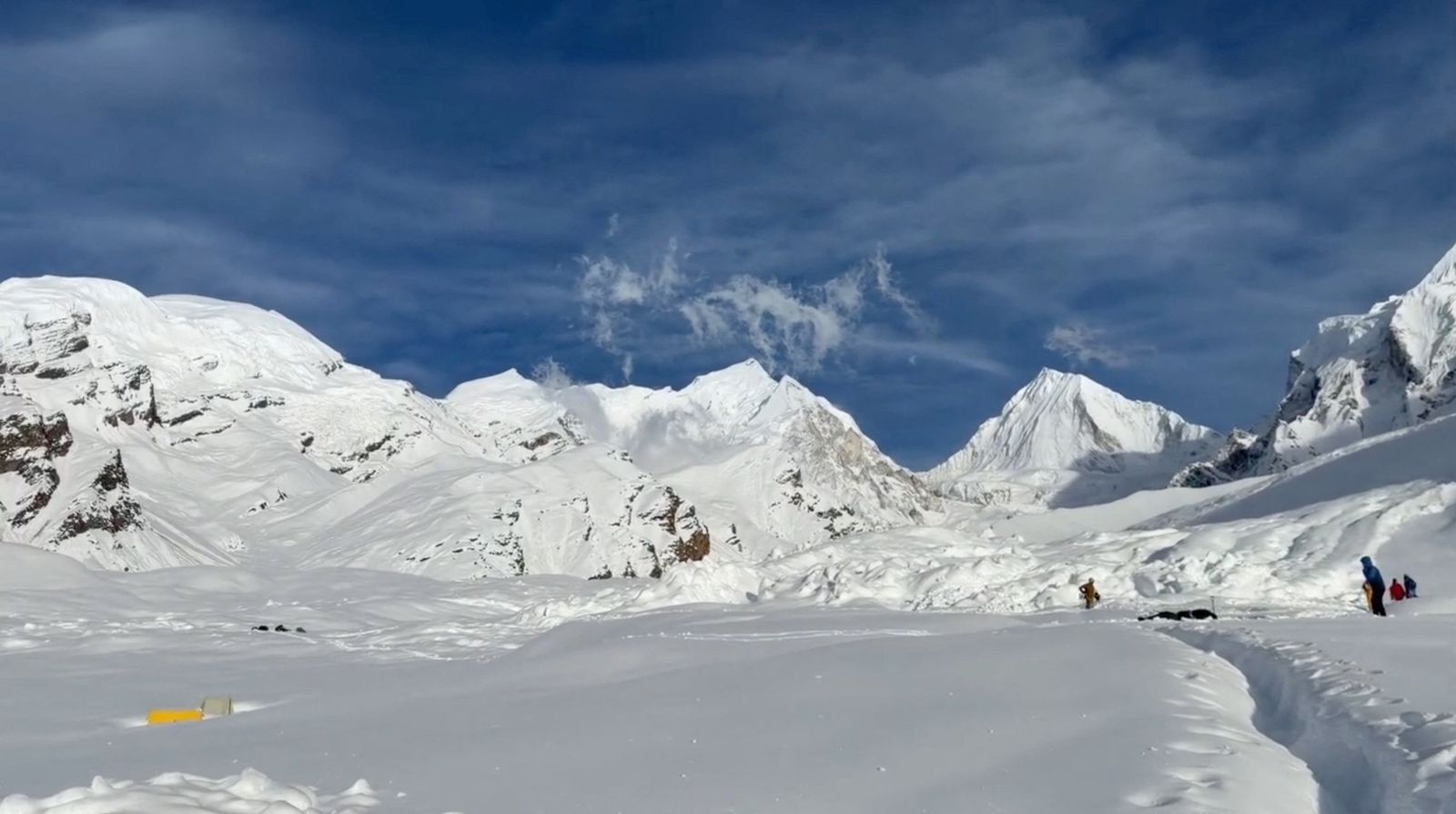
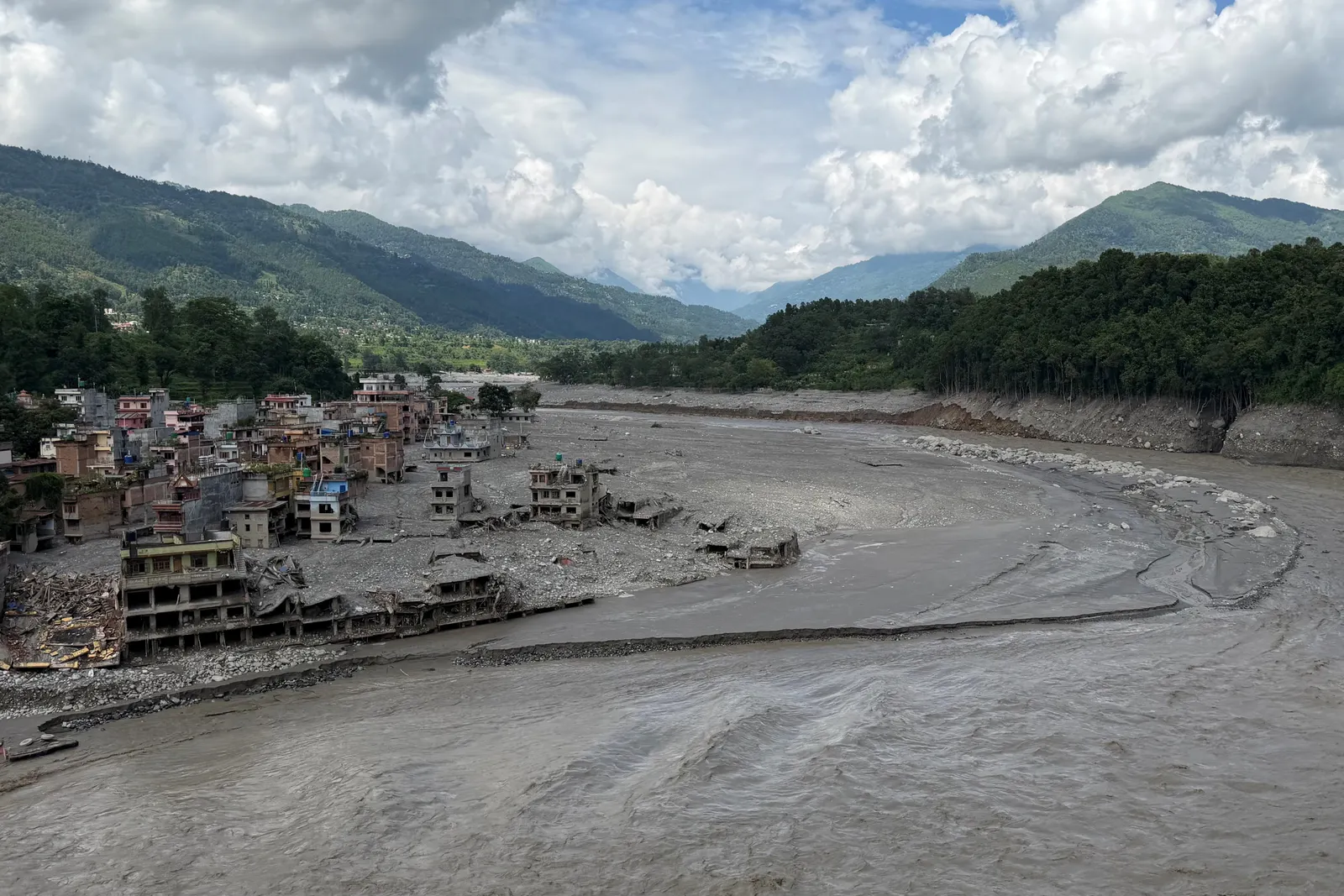
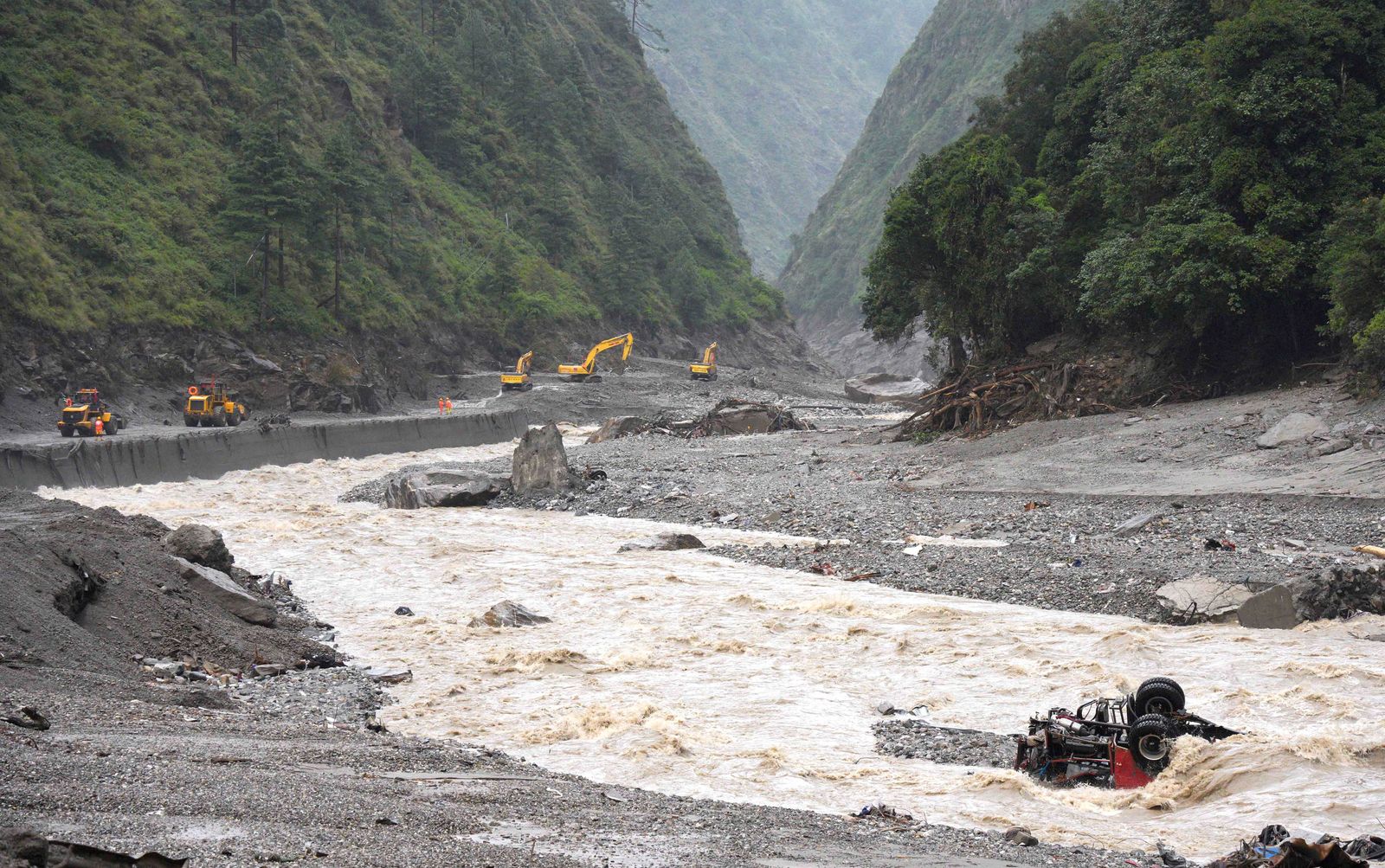
A huge torrent of rock, ice, mud, and debris cascaded through Himalayan mountain river systems after the collapse, and also led to the formation of a lake where water continued to collect and rise.

Overflow sparks fresh panic
Earlier today, authorities and witnesses in Nepal said that the lake's reservoir had topped 2.5 million cubic metres of water, up from the estimated 1.5 million to two million cubic metres recorded a day earlier, before overflowing into the Lhende Khola river and then into the Trishuli.
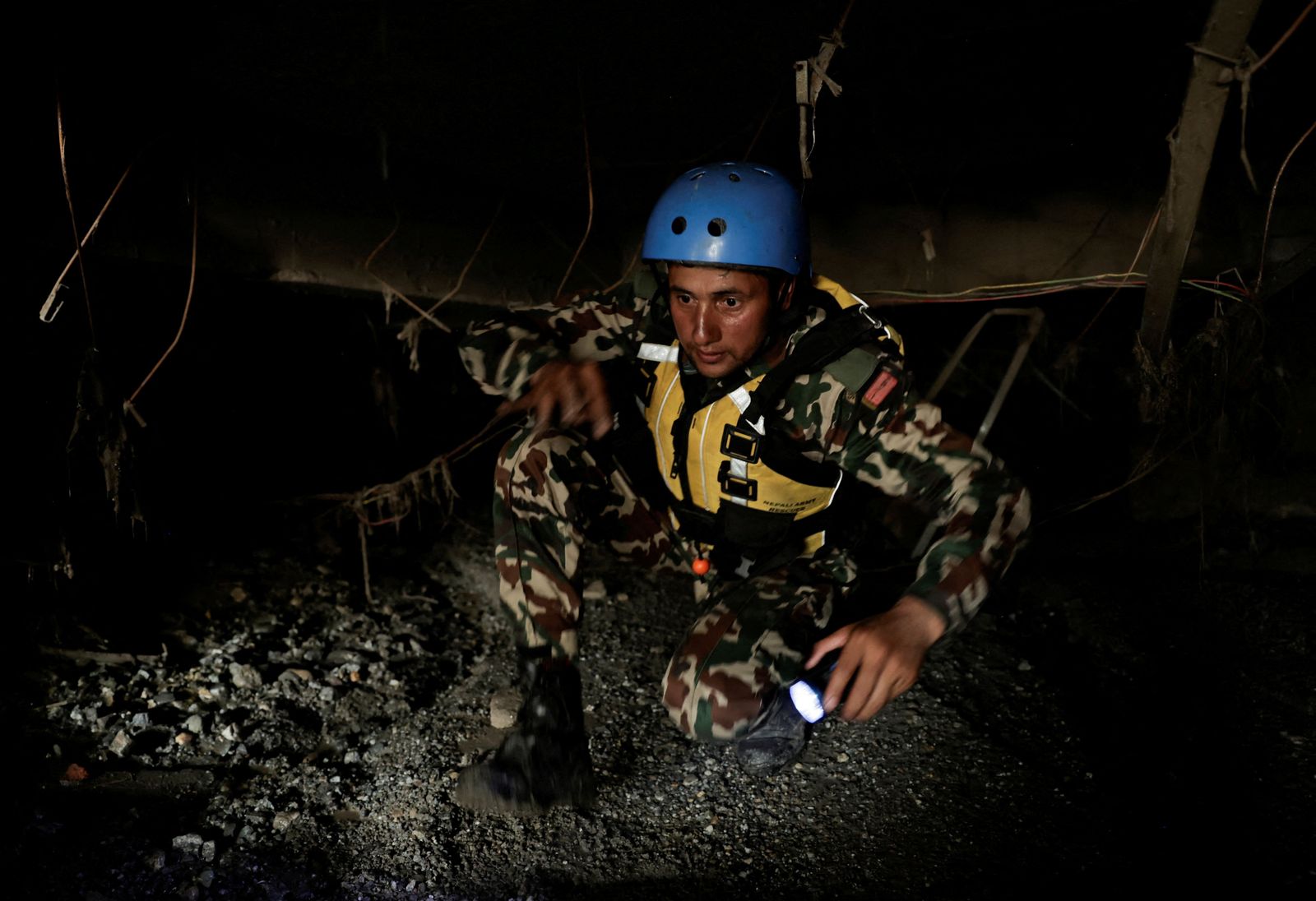
The overflow sparked panic and warnings from authorities in Nepal, leading to rescue operations being suspended for about three hours. Chinese state broadcaster CCTV reported that the risk of the lake bursting had prompted all Chinese rescue personnel and vehicles to withdraw on the Chinese side as well and stand by in a safe area.
Both resumed rescue operations after the threat eased.
"By noon, as the risk posed by the upstream dammed lake was deemed manageable, rescue operations for the Gyirong mudslide disaster quickly resumed and were stepped up," CCTV reported.
Nepal's Army spokesman Raja Ram Basnet told Reuters that rescue operations had been temporarily halted after the flood alert, but the water level had risen by only about two feet (0.6m).
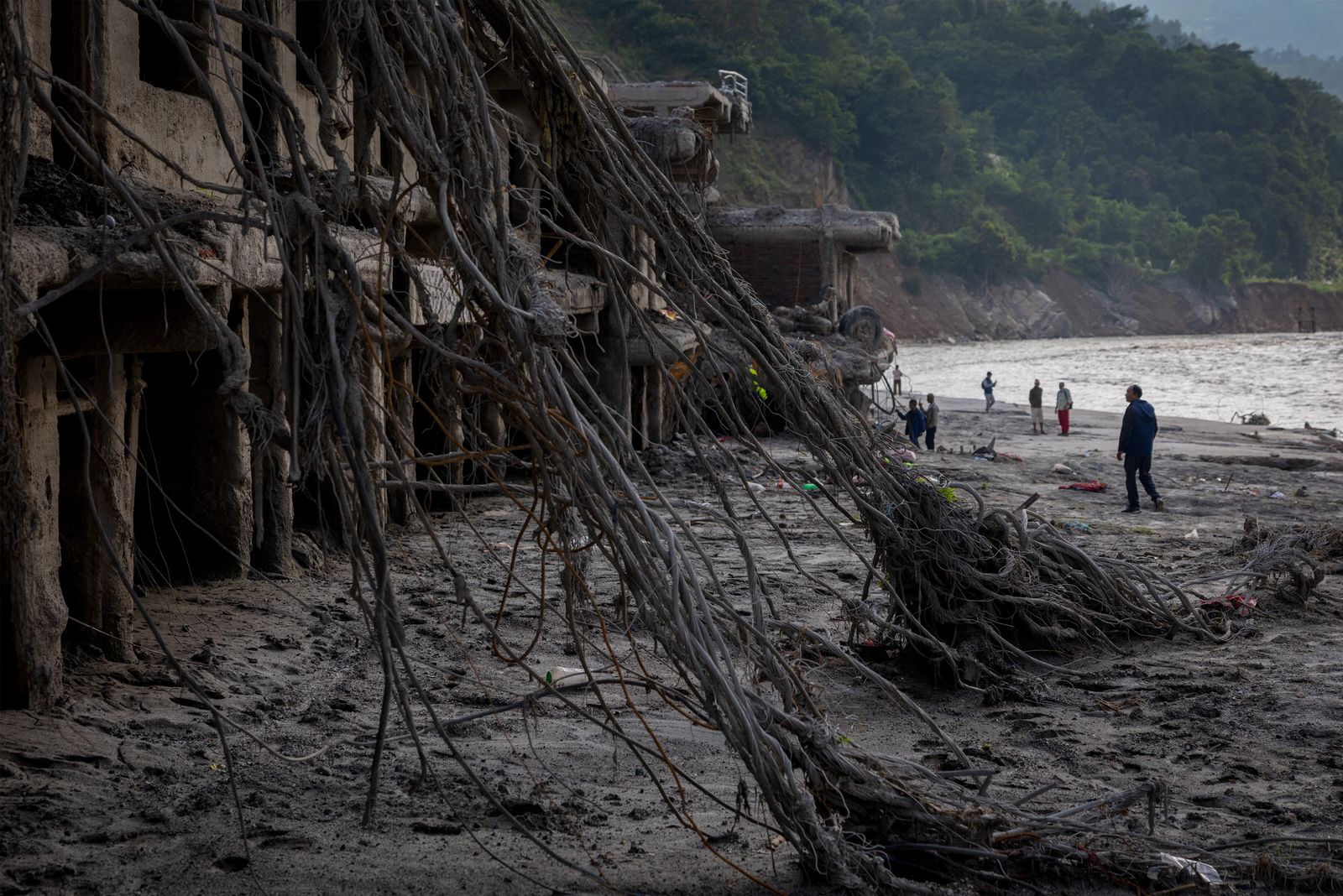
Wednesday's flood ripped through villages and valleys, destroying power stations, roads, and bridges along a route linking Kathmandu with Lhasa in Tibet that is popular with trekkers and pilgrims.
Of those missing, at least 540 are foreigners, many of them Hindu pilgrims from India headed to the holy Mount Kailash and Lake Mansarovar in Tibet.
The Red Cross estimates that over 90,000 people are estimated to be affected, as trucks with relief supplies were blocked after the barrier lake broke its banks.

China calls for stronger monitoring of glacier lakes
In Beijing, state media reported that China's Politburo met today to direct rescue work.
State news agency Xinhua reported that the meeting, chaired by President Xi Jinping, said that the authorities must "scientifically formulate search-and-rescue plans, make every effort to search for missing people from China and abroad.
It also called for stronger monitoring of glacier lakes, landslide risks, and barrier lakes, emergency aid to affected areas in Nepal, and closer international disaster cooperation.
China's Premier Li Qiang, the country's number-two official, arrived in the disaster-stricken area of Gyirong yesterday afternoon. The visit suggested Beijing was treating the disaster as a top national priority.
State media reports indicated that Chinese rescuers had yet to reach the worst-hit site on the Chinese side of the border, the Gyirong border crossing, by yesterday evening, as crews worked to clear debris from the key access road leading to the area.
Dramatic footage on Wednesday showed enormous torrents of muddy water and debris tearing through structures in the border crossing area within seconds and engulfing people trying to flee.
Yesterday, CCTV reported that the tally of missing in Tibet's Gyirong County was 558, including 260 foreign nationals. So far, just five people have been confirmed dead on the Chinese side.

'All of our people are gone'
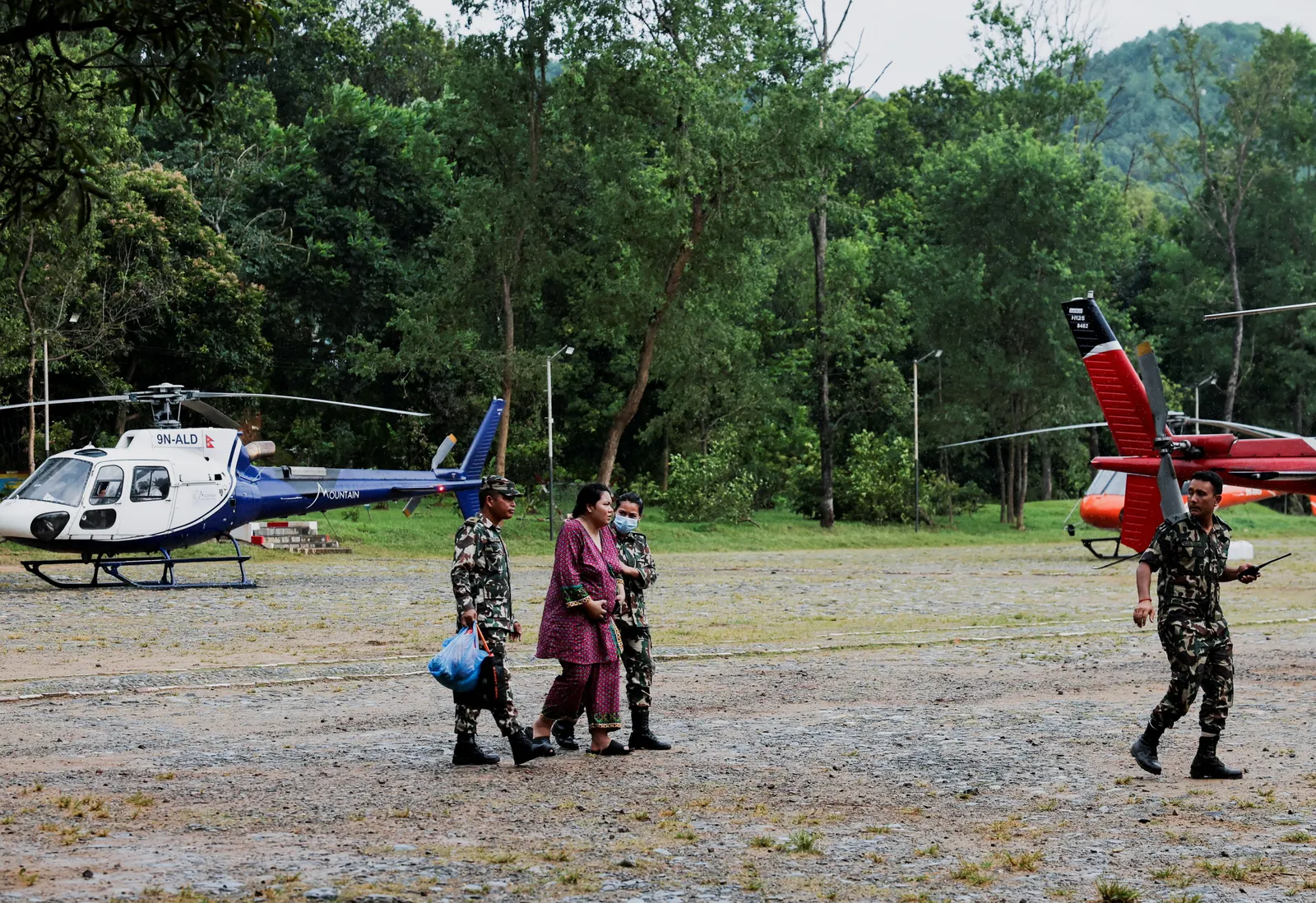
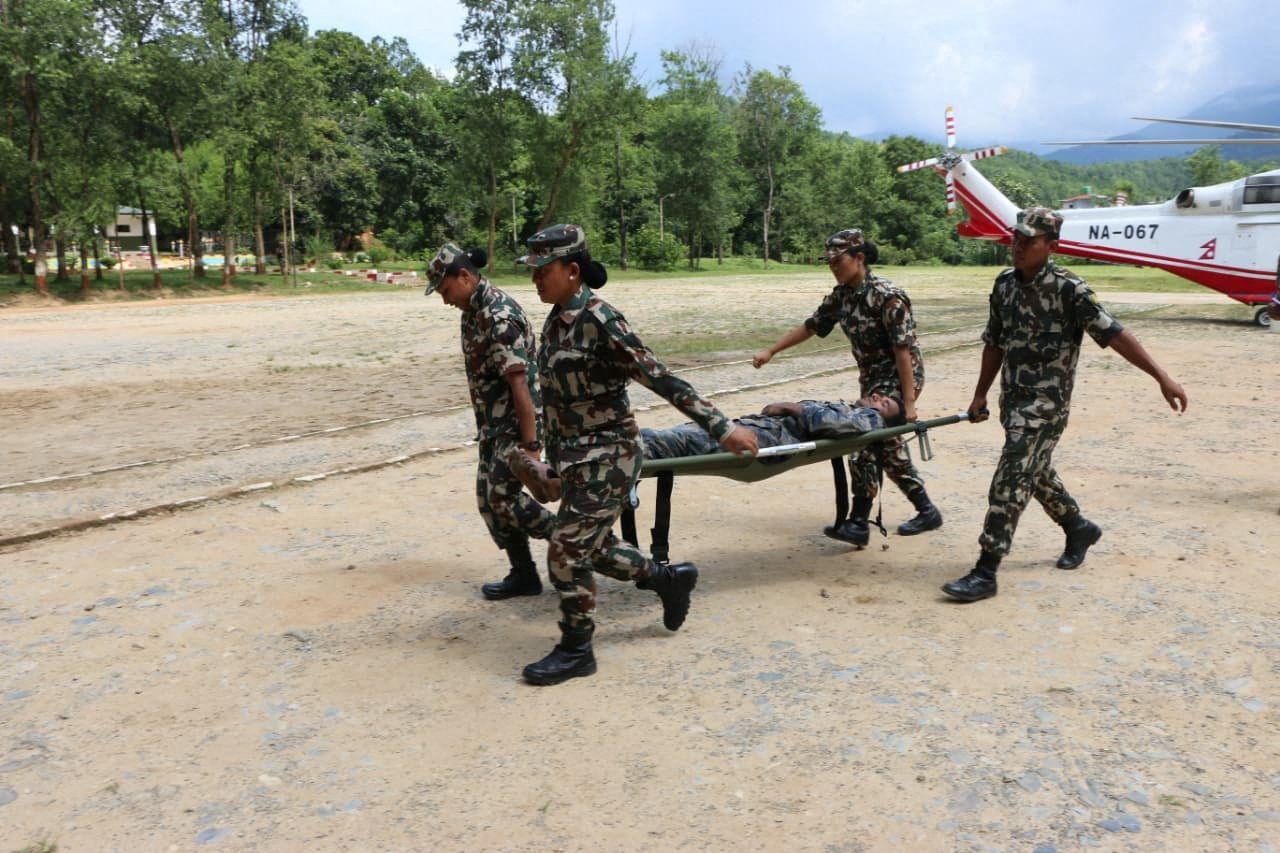
Earlier, Nepalese rescue teams used helicopters to search for survivors and drop emergency supplies to thousands cut off in towns and valleys, while emergency services — some using sniffer dogs — recovered dozens of bodies swept down into the plains.
Dibga Tamang was among the last people rescued from Rasuwa yesterday, airlifted along with three others to an army camp in Nuwakot.
"All of our people have gone; they are dead. I have no one left waiting for me, everything and everyone is gone. The end," he said.
A large number of people arrived at an army base in the area seeking information about missing and dead family members. Bodies were brought into the barracks and lists of rescued people were posted outside to help families find information.
Buildings 'wiped out like toothpicks'
Around the world, relatives of those missing were desperate for information about their whereabouts.
Sneha Sudhir was one of 10 women whose husbands had set out from Nepal on a trek to Tibet's Mount Kailash when disaster struck the region.
The men, all from northern Virginia, are among dozens of Americans missing.
"Where are they?" she said tearfully from her home in Chantilly, Virginia, on Thursday.
Sudhir added that the women were supporting each other and reaching out to officials, politicians and friends and family in the United States (US) and India, hoping for word.
"Everybody is taking turns in shedding their tears, wiping it off and getting back to work," she said.
President Donald Trump said the US had offered support to Nepal.
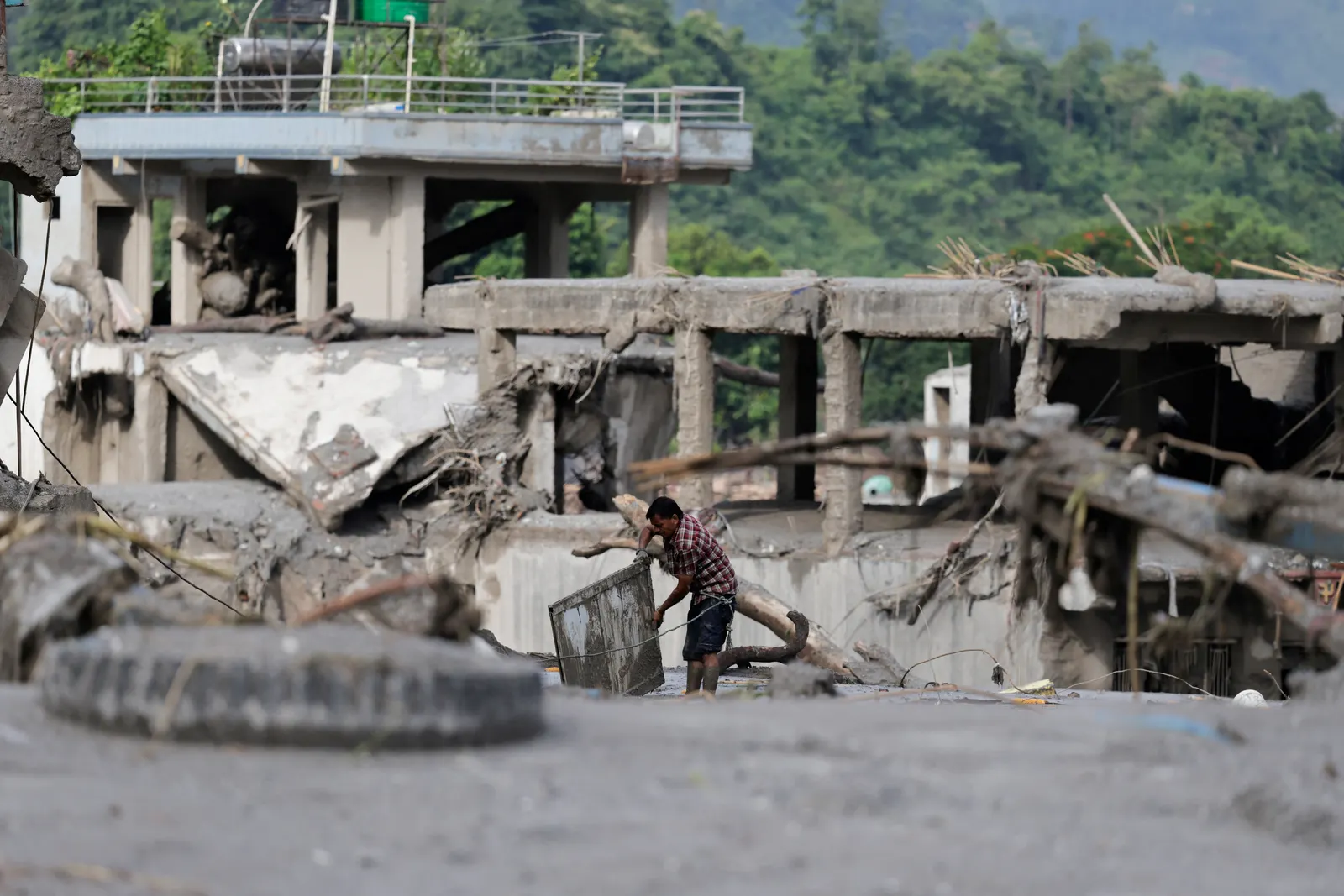
"Nobody has ever seen anything quite like that, where very powerful, strong, well-built buildings were wiped out like they were toothpicks. It is a terrible thing.
"We are sending aid, and we have spoken to the leadership, and we let them know anything they want, they will have," he said.
Nepal declines foreign rescue help
While offers of assistance are pouring in, Nepal said it does not need help from other nations in search and rescue missions.
The South Korean Foreign Ministry in Seoul said that a response team is already in Kathmandu but has not been deployed because the Nepali government has not yet planned to accept foreign rescue.
The Kathmandu Post reported that India, China, the US, the United Kingdom, Japan, South Korea, Sri Lanka, and Bangladesh have asked the government to allow their search-and-rescue teams to assist in the operation.