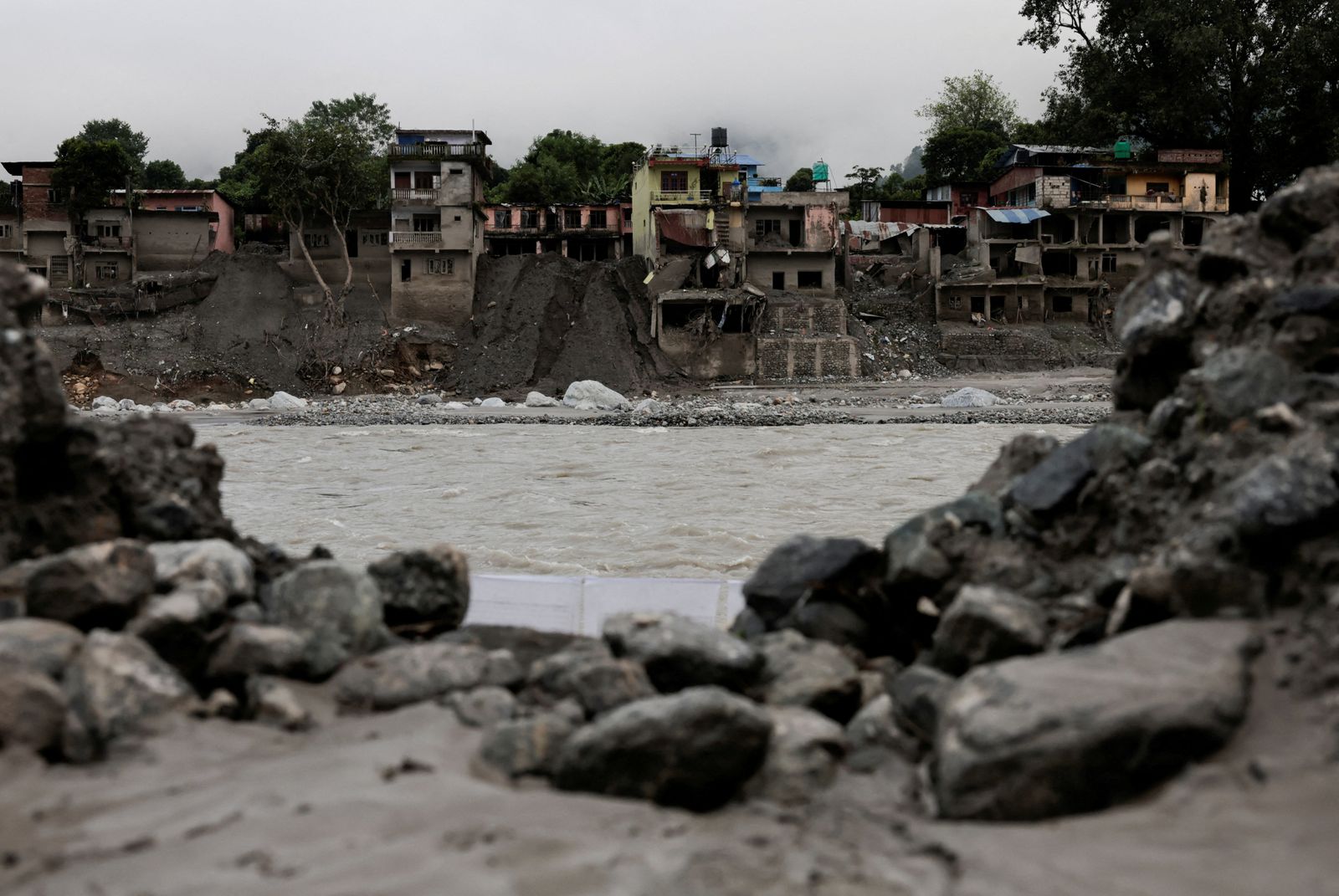
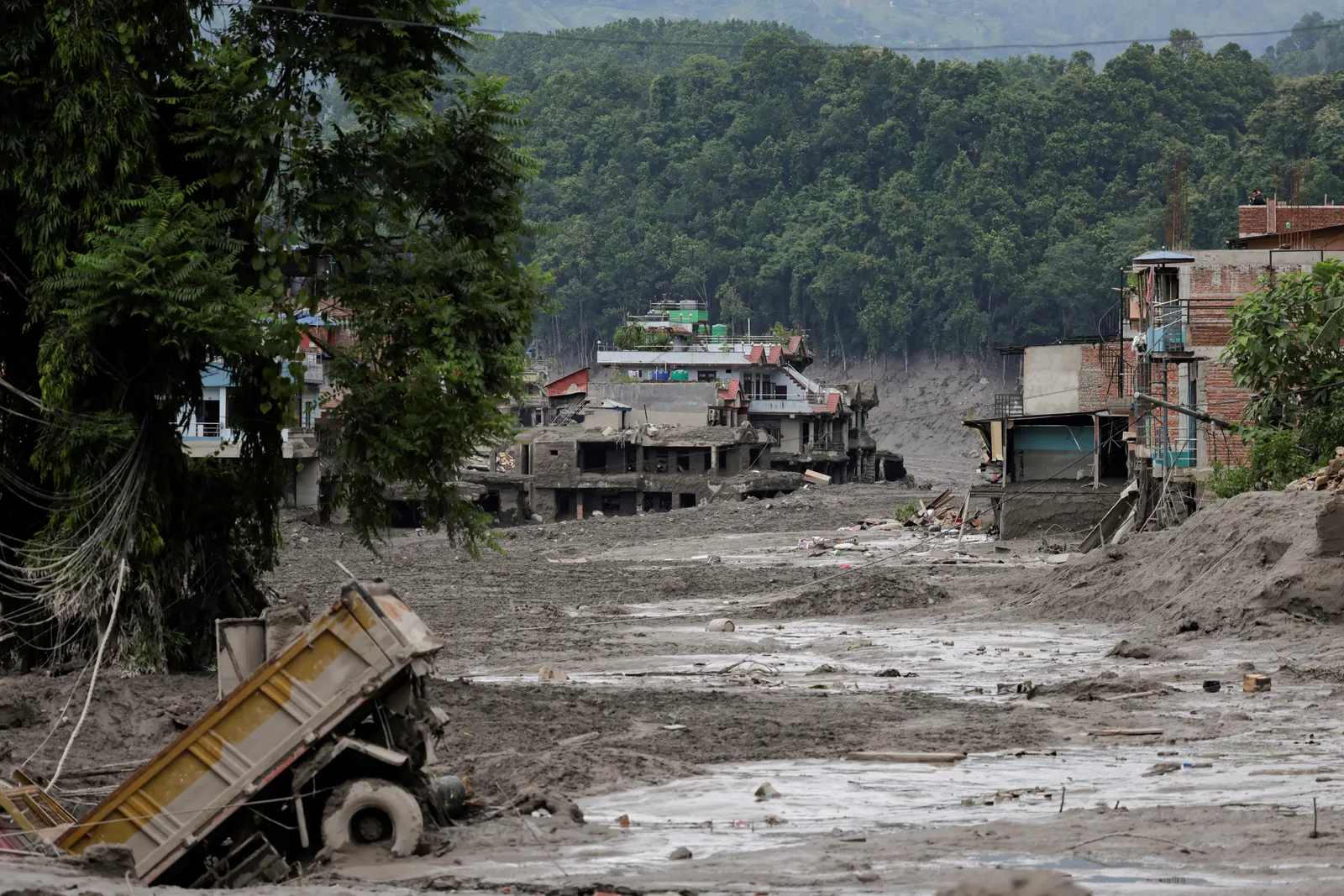
KATHMANDU, Aug 26 — At least nine people have been killed in massive floods that struck the Himalayan border region of Nepal and China's Tibet today.
Here is a look at what caused the calamity, and where things stand now.
What happened?
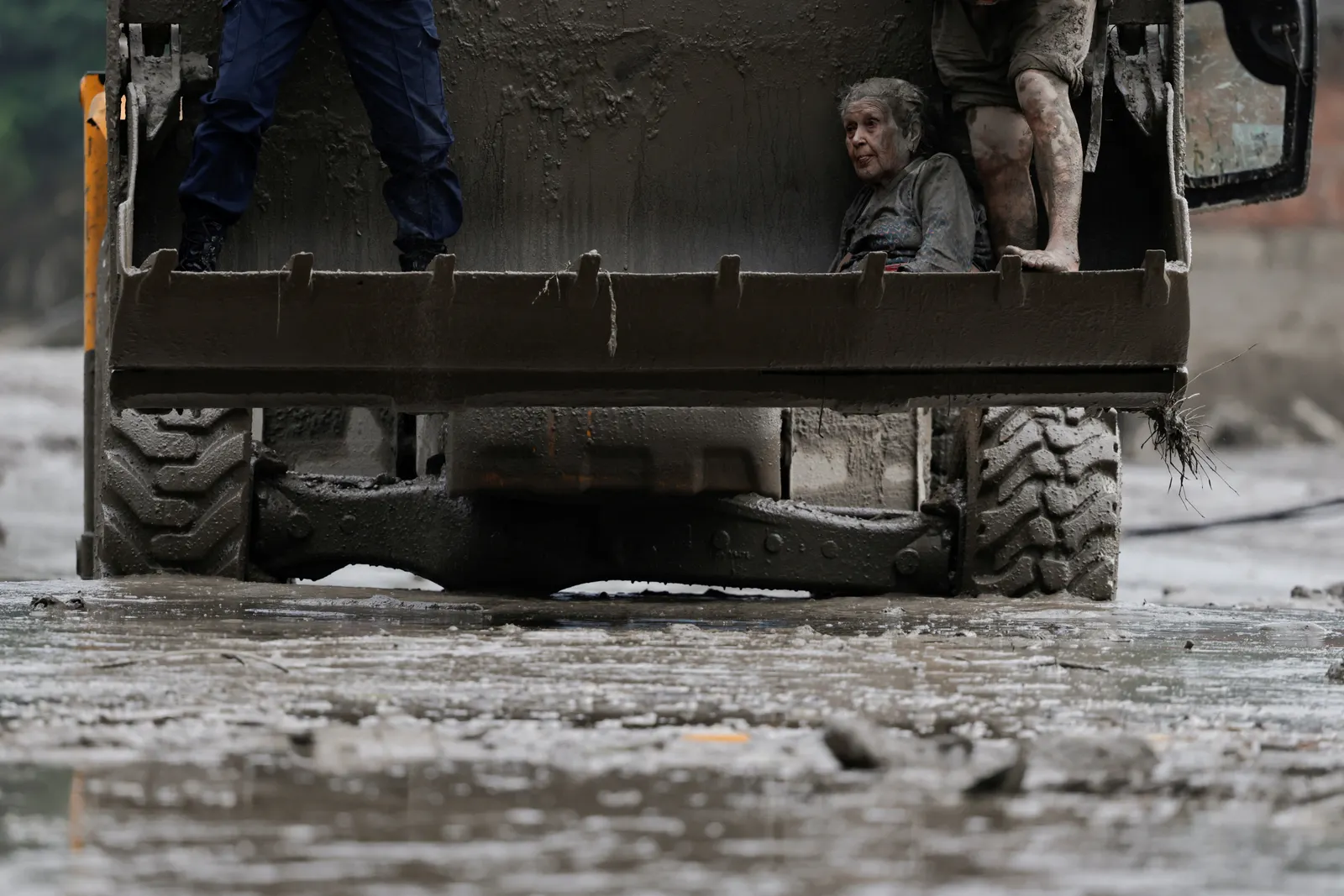
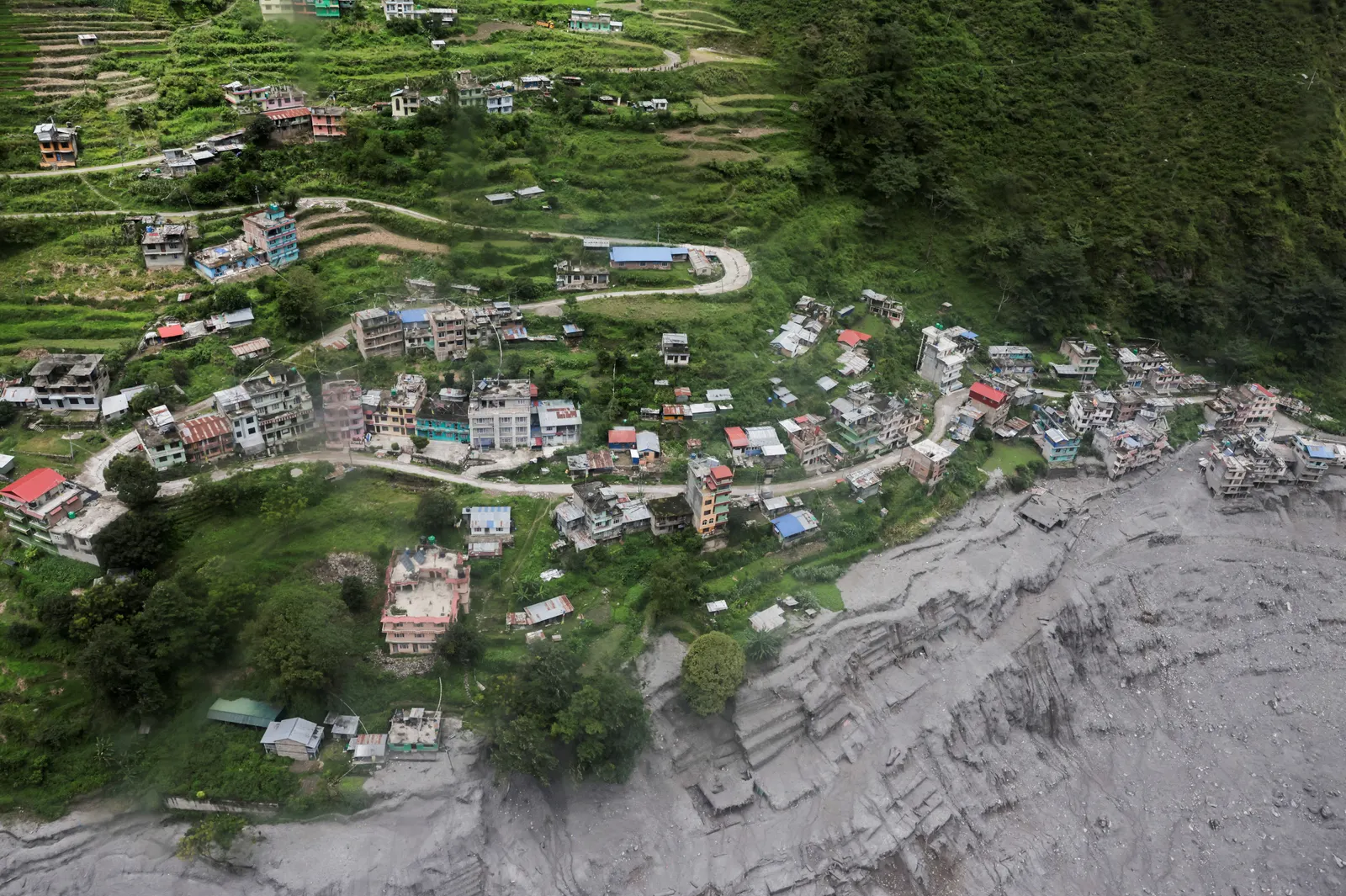
Torrential floods swallowed roads, bridges, houses, and power projects in Nepal's border areas and triggered a mudslide that hit Gyirong Port, a major land crossing with neighbouring Tibet, cutting roads, communications, and power links to the area.
Dozens of people have also been injured.
What caused the calamity?
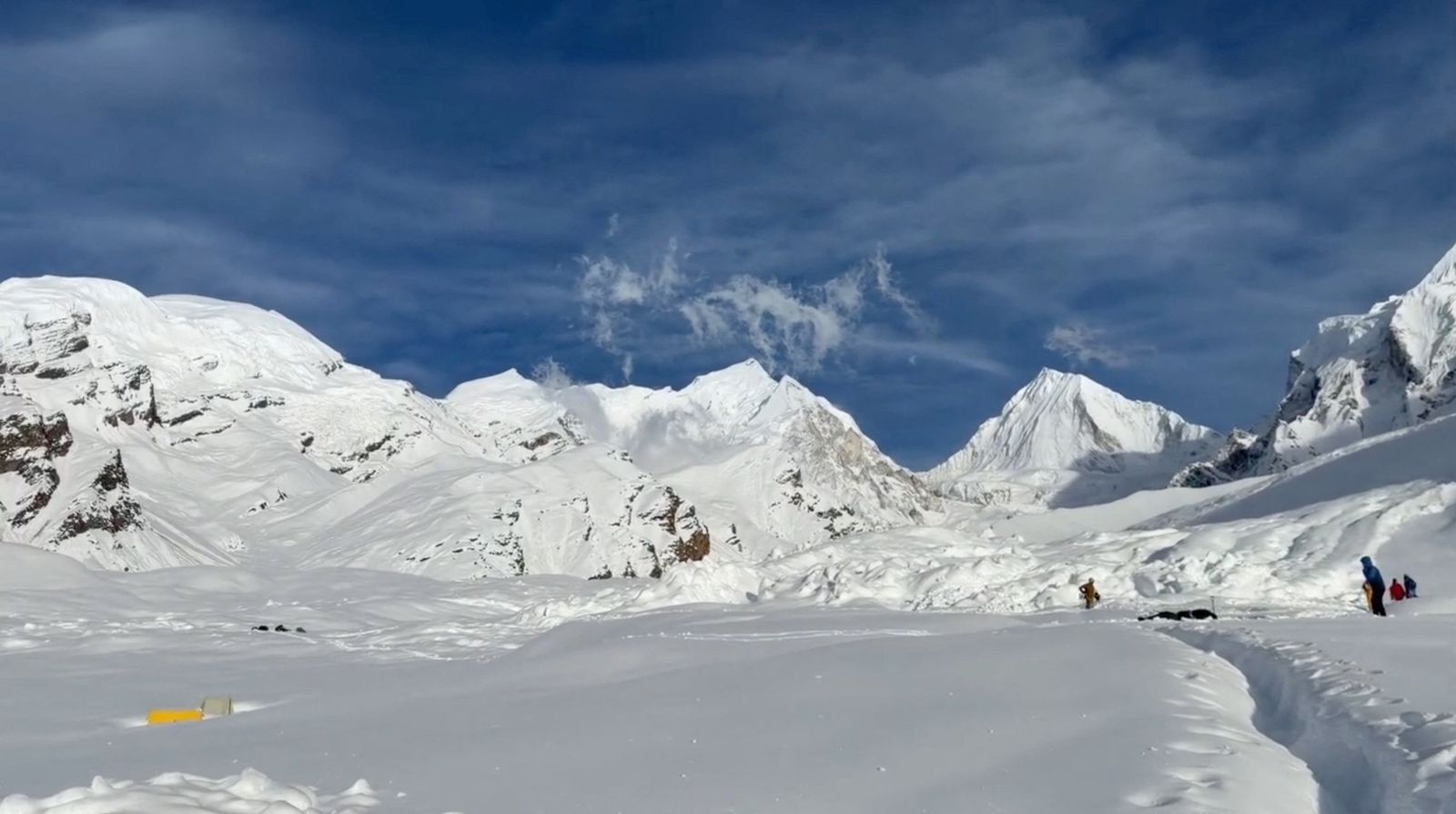
It is suspected that an earthquake struck the region and triggered an ice-rock avalanche on the Lhende Khola river in Nepal, causing the floods.
The river runs through both Nepal and Tibet.
Are any foreigners missing?
At least 348 travellers, including 105 Indians, 93 Nepalis, three United States citizens, and 12 United Kingdom citizens, have been reported missing.
Eight South Koreans working on a hydropower plant were also unaccounted for.
The other missing included 17 Malaysian nationals, four South Africans, and one person each from Australia and the Netherlands.

Has the danger passed?
Authorities have warned that a second flood may occur because a blockage remains upstream on the Lhende Khola river.
Flood alerts have also been issued in the Indian states of Bihar and Uttar Pradesh, which border Nepal, since several rivers flow down the Himalayas into their plains.
What is the situation now?
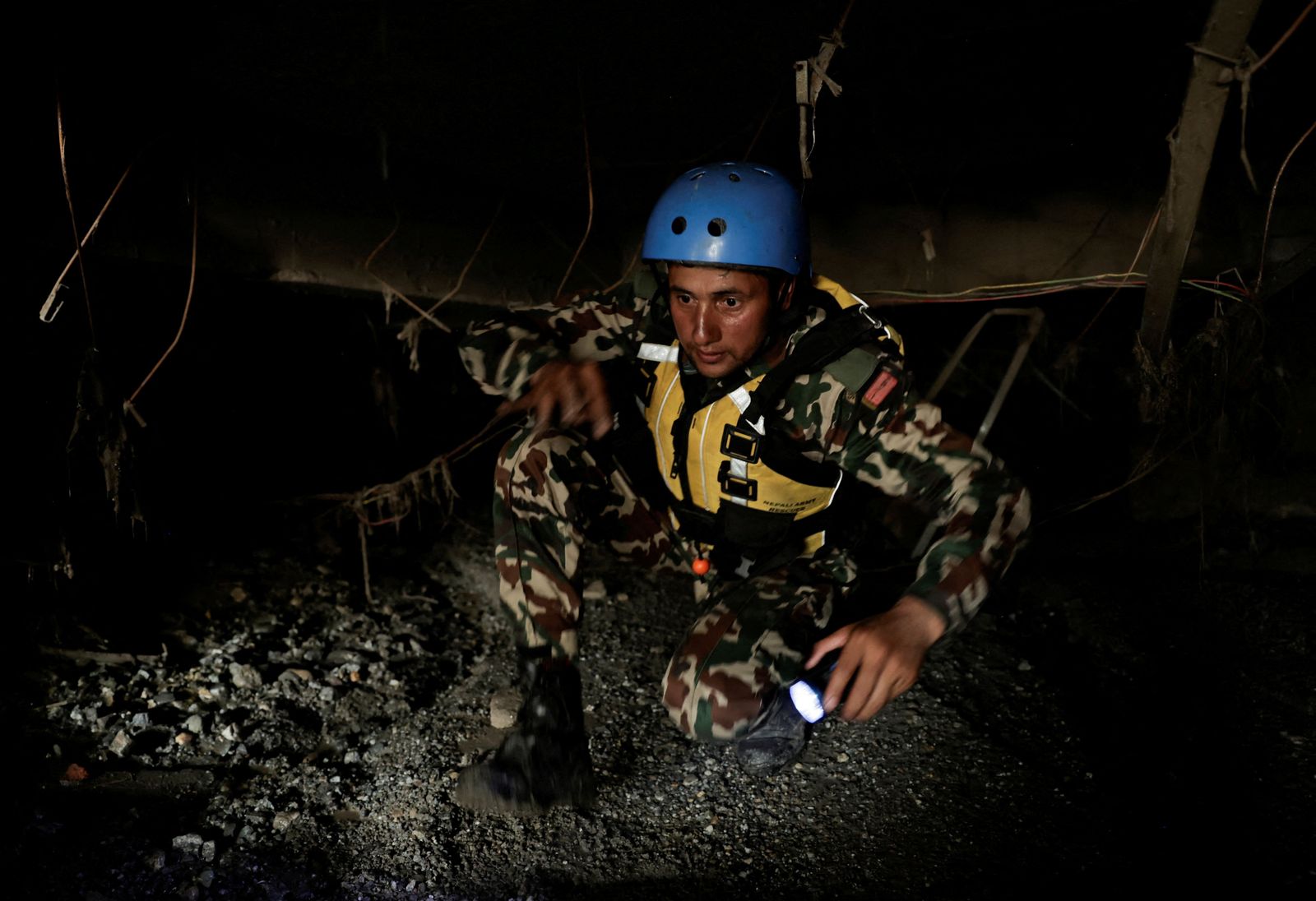
Police and military personnel are engaged in rescue efforts, although officials have said rescue helicopters cannot land in the affected areas until the waters recede.
People in low-lying regions were being moved to safer places, and those along the river were advised to remain alert.
How is the rescue effort progressing?
China has deployed at least 574 rescuers to the land crossing, but the flood sediment is posing a challenge.
Other countries have also offered to help.
Giant neighbour India said it was coordinating closely with Kathmandu on rescue and relief efforts. South Korea plans to send a rapid-response team comprising government officials and fire and police personnel.