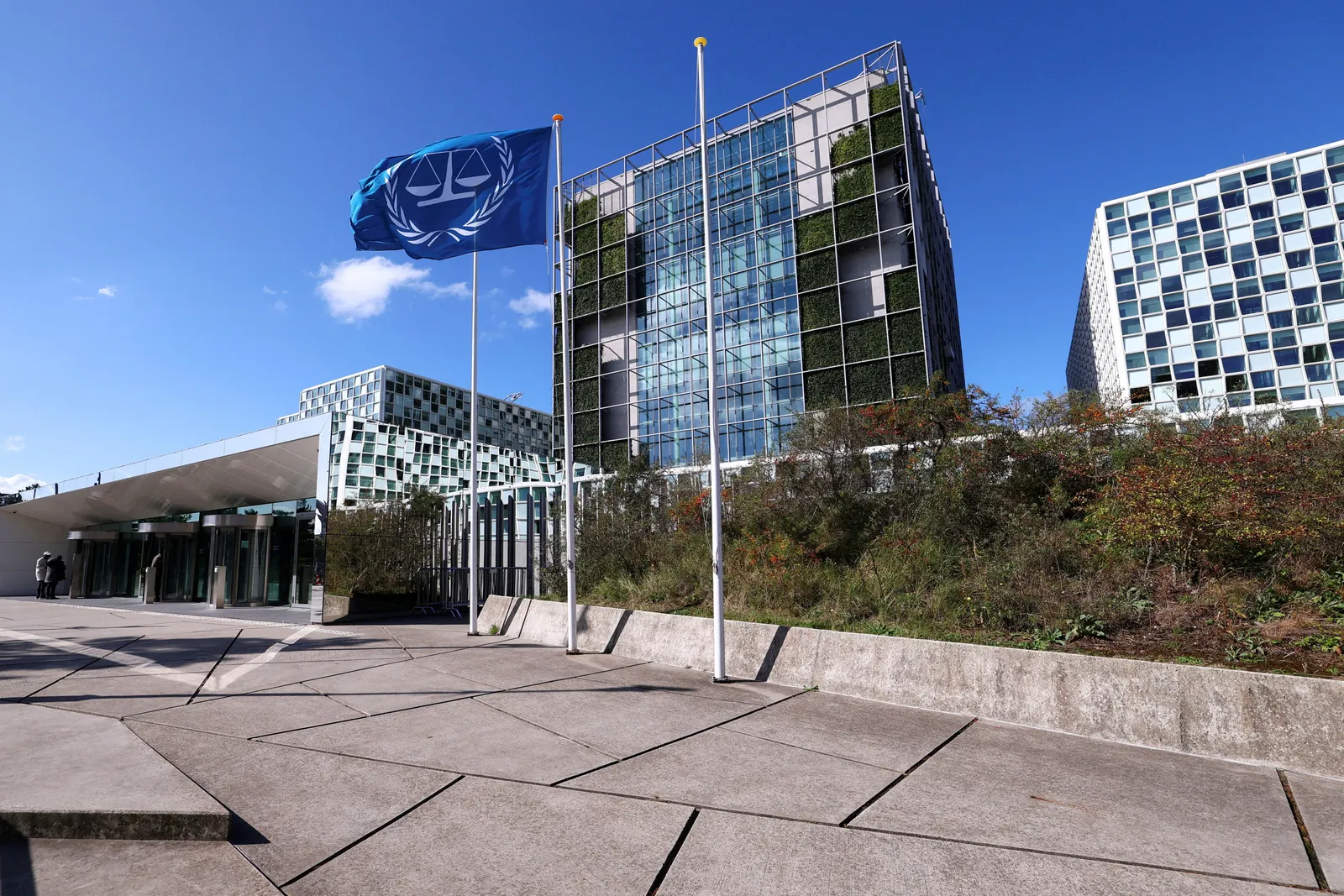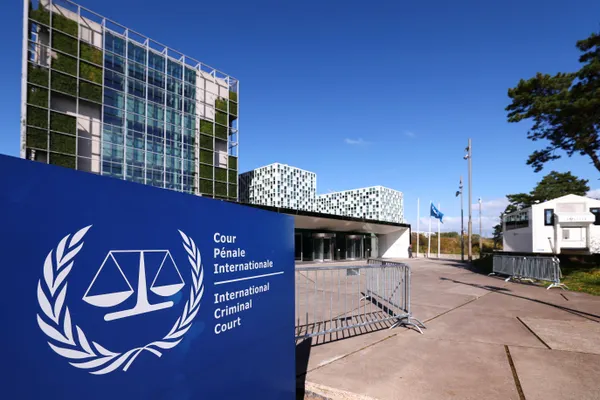
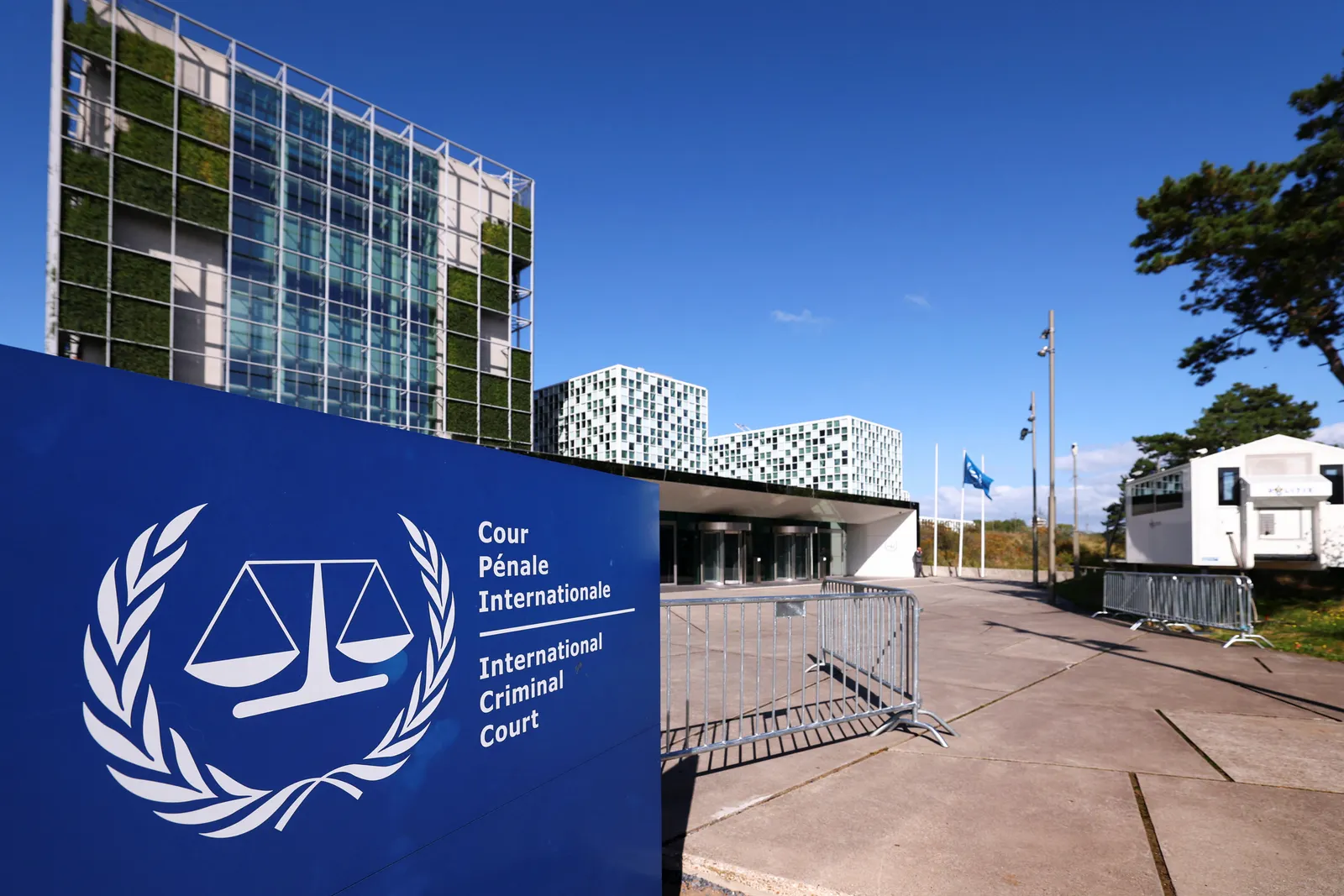
TOKYO, Aug 26 — Japan should try to counter the United States (US) efforts to pressure members of the International Criminal Court to quit the body, the Japanese head of the court said on Wednesday, adding that Tokyo's support was pivotal to ensuring the ICC's survival.
The Trump administration ratcheted up its campaign against the Hague-based court last week by sanctioning its President Tomoko Akane and a senior trial lawyer.
Washington has said it will also step up efforts to persuade other countries to quit the institution, a call that at least five countries have already heeded.
Japanese Prime Minister Sanae Takaichi initially described the latest move as "very unfortunate" but has faced criticism from the opposition, human rights groups, and some lawmakers from her own party for not defending the court more forcefully.
Speaking via a video link to the media in Tokyo, Akane called on Japan, the court's biggest financial backer, to help it in its hour of need.
'High expectations for Japan'
"Japan has long made the rule of law a cornerstone of its diplomacy. Consequently, the international community and I hold high expectations for Japan.
"Furthermore, I would like Japan to focus on supporting neighbouring countries that are ICC members, ensuring that they do not succumb to the new US campaign and decide to withdraw from the ICC," she said.
The ICC was established in 2002 by the international community to prosecute war crimes, genocide, and crimes against humanity.
The US is not a member. But the court's decision to seek an arrest warrant for Israeli Prime Minister Benjamin Netanyahu, a close US ally, as well as a past probe into US troops in Afghanistan, has drawn the ire of Washington.
Akane added that Japan, which joined the ICC in 2007, should leverage its close ties with the US to dissuade Washington from taking further escalatory measures.
"Countries, people, and media are saying this is a litmus test for their expectations of Japan...Japan's strong support for the ICC here will greatly contribute to its future survival.
"This is where the real challenge begins," she said.