
NEW YORK, Aug 21 — The wave of debt issuance funding the artificial intelligence (AI)buildout is testing the limits of investor demand, with some large bond buyers warning that the market is showing signs of indigestion.
While fund managers remain comfortable with the credit quality of companies such as Amazon and Alphabet, Google's parent company, they are increasingly demanding higher yields to accommodate the flood of issuance. This has raised concerns that a tipping point could emerge if AI spending continues to escalate.
"You have started to see the indigestion show up in tech spreads in particular," said Schroders' United States (US) fixed income head Neil Sutherland.
Tech corporate bond spreads are the extra yield investors demand to hold their debt over US Treasuries; wider spreads signal higher perceived risk, while tighter spreads reflect stronger investor confidence.
"It is not really a credit issue with higher-quality technology companies, such as Amazon and Google. But the more they have to issue bonds, the more investors are demanding a premium to absorb that debt," he said.
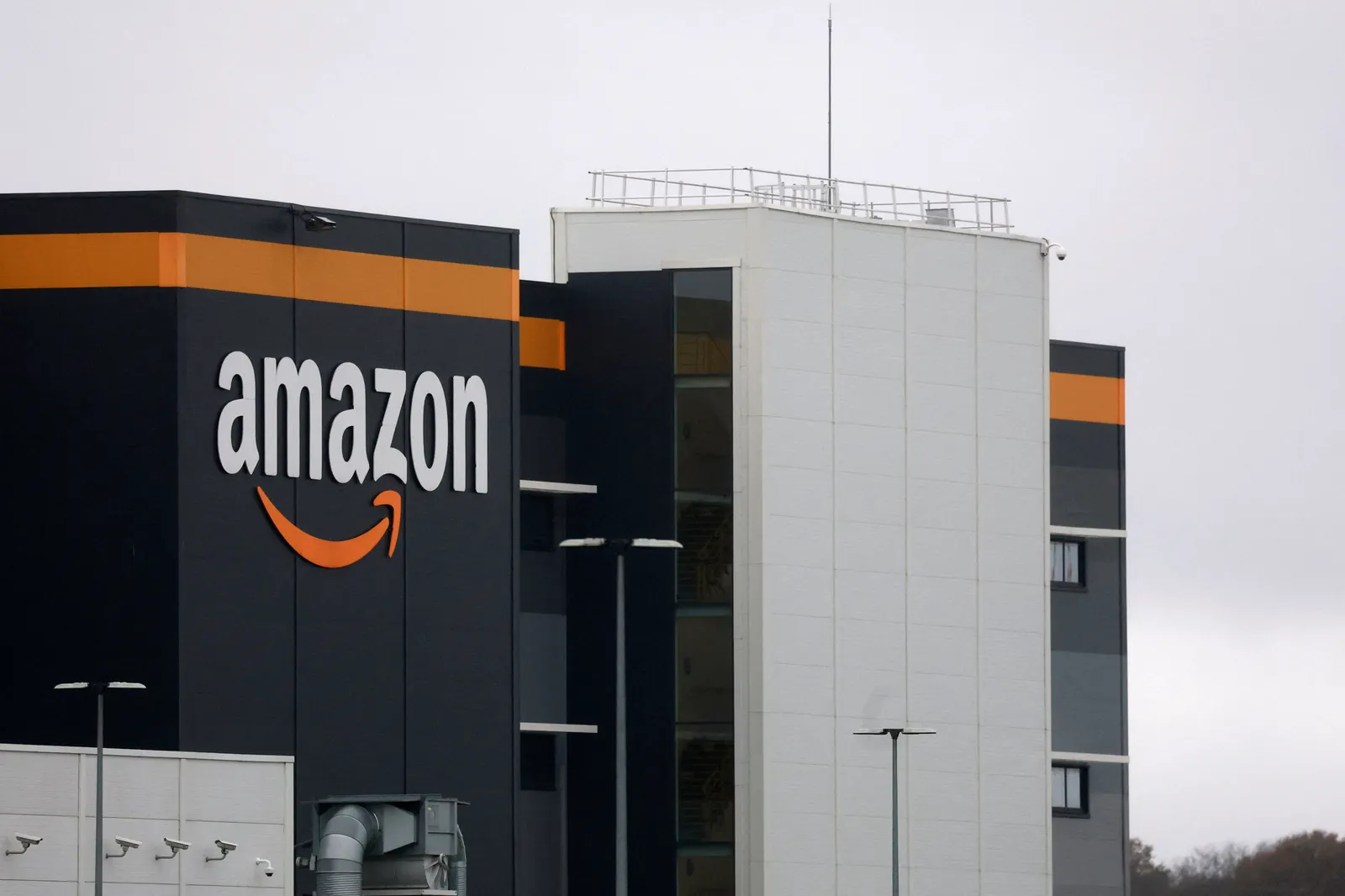
Analysts cited Amazon's recent long-dated US$25 billion (RM100.9 billion) bond sale, which priced at roughly 120 basis points over Treasuries. They noted that last year, the spread would have been roughly half of that.
"Tech has gone from trading materially through the market to actually trading wider than the market. The higher spreads...make other parts of the market look more expensive on a relative value basis," Sutherland said.
Alphabet declined to comment. Amazon did not respond to a request for comment.
Capital Group portfolio manager Karen Choi said that tech spreads are currently at 89 basis points, nine basis points wider than the overall investment grade market.
The widening reflects a major shift for a sector that historically enjoyed some of the tightest spreads in corporate credit because of strong balance sheets and relatively modest borrowing needs.
The surge in AI-related bonds, at a time when governments are still spending heavily, has been a leading factor pushing up Treasury yields, as buyers demand higher returns to keep purchasing the flood of bonds hitting markets. Any pullback in tech issuance could support longer-dated Treasuries.
Larger concessions
DWS' Americas fixed income head George Catrambone said that investors are beginning to demand larger concessions as issuance volumes reach record levels.
According to the latest BNP Paribas data as of August 10, AI hyperscalers' debt issuance has reached US$220 billion (RM888.4 billion) in 2026. That is roughly US$207 billion (RM835.9 billion) higher than in the comparable period last year, when it totaled US$12.5 billion (RM50.48 billion).
Analysts said that Alphabet's bond offering earlier this month was well received, but still required a concession of roughly 10 to 15 basis points relative to existing bonds.
"The issuance in January versus August looks different," Catrambone said, noting that fatigue is setting in.
Earlier in the year, AI‑linked deals were absorbed with little pushback from investors, but recent transactions have needed more yield to clear, suggesting that traditional investors have been cautious at current spreads and maturities.
He noted that the investment-grade bond market has undergone a major shift. Companies that once had smaller funding needs and issued mostly shorter-term debt are now taking on much larger borrowing and issuing more long-term bonds to finance AI-related spending.
That has created a wider range of bonds with different maturities. Still, investors say that it is not alarming just yet, as analysts have observed that hyperscalers continue to carry strong corporate ratings and have substantial cash flows.
However, supply dynamics are beginning to outweigh fundamentals, especially in bond pricing.
Capital Group's Choi said foreign investors, pension funds, and insurance companies have absorbed some of the AI-related issuance so far. The investment-grade corporate bond index currently yields around 5.4 per cent, in line with long-term averages, helping support demand.
Practical limits
Yet the bigger risk may be less about overall demand and more about the practical limits facing institutional portfolios.
"It really depends on how much debt this market will take," she said.
Many pension and insurance investors cap exposure to individual issuers at roughly two per cent to three per cent of assets. As the same handful of AI companies repeatedly issue debt, those limits become increasingly important.
The risk rises particularly if borrowing remains front-loaded. Choi said diversification matters to clients and that many "do not want to open a statement and find they own 10 per cent of one bond," highlighting portfolio constraints that could eventually limit demand.
After years of enjoying seemingly limitless demand from bond investors, tech companies are finding that the market is now questioning how much it is willing to pay to finance the AI race.
"It is not a blank check. If these companies keep tapping the market over and over again, concessions are going to get larger, and spreads are going to get wider," said DWS' Catrambone.