
SINGAPORE, Aug 21 — Plans to clear part of Singapore's dwindling secondary forests for high-density housing have sparked a rare public backlash in the city-state, prompting the government to adjust the proposal as it tries to boost housing capacity.
Singapore, roughly the size of New York City, said in July it was looking to clear two-thirds of the 23-hectare Maju Forest, a green expanse in the island's west, to build more public housing.
The announcement triggered an outcry.
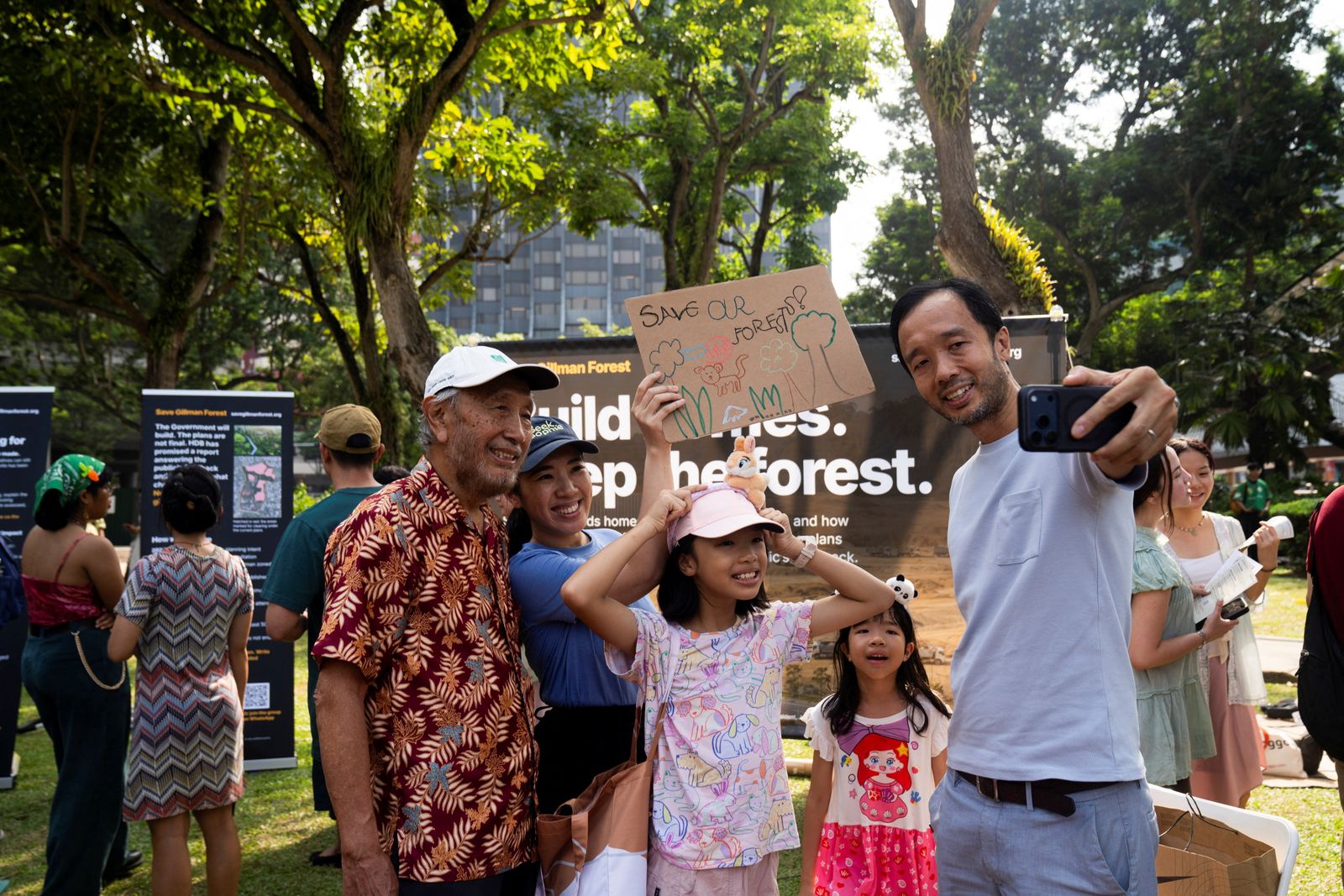
Over 49,000 people signed two petitions, urging the government to build on brownfield land, such as golf courses and former commercial and institutional sites, and redevelop older public housing estates at higher densities. More than 700 residents signed a letter to their MP, urging the government to save Maju Forest.
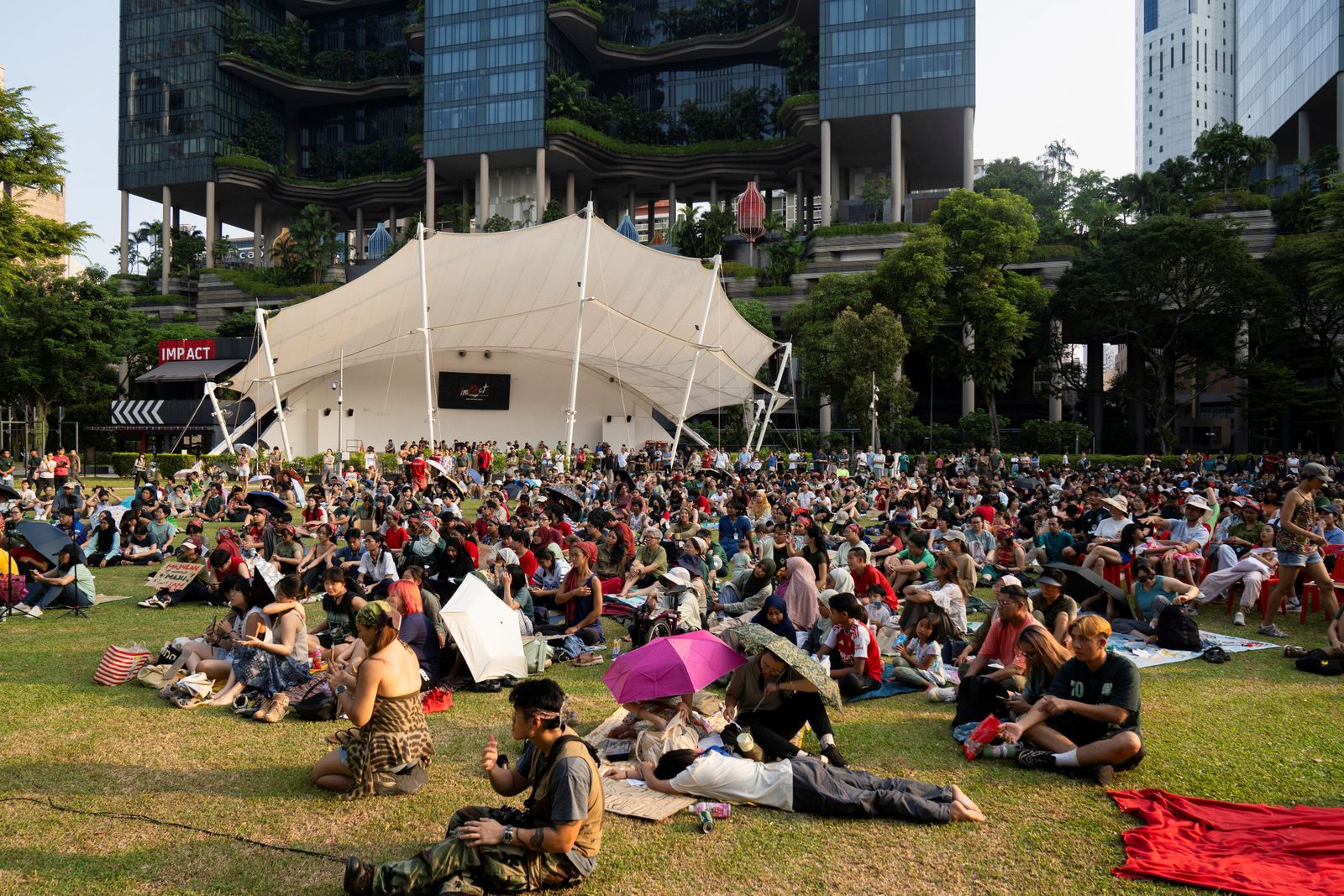
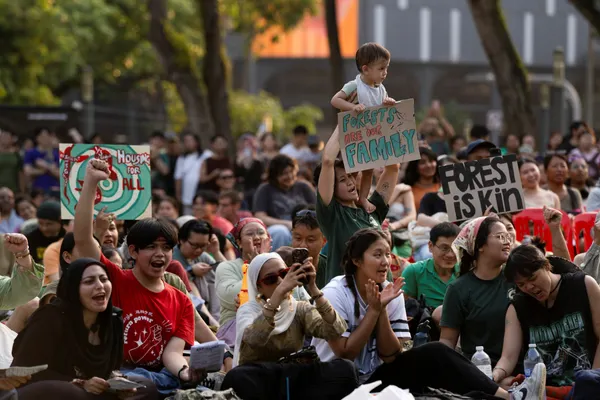
Organisers said that on Sunday (August 16), about 2,000 people joined a rally to show their support for nature and biodiversity.
"Stop spending the land (Singapore) can never get back," read one of the petitions.
On Friday (August 14), after closing a public feedback channel on the proposal, the government announced it would make adjustments to retain more greenery than originally planned, but did not provide details.
In a response to a Reuters request for further comments on the plan, the National Development Ministry shared an August 14 video of junior minister Alvin Tan.
"We will work out exactly how much more (greenery), but we will have to accept that this means we can build fewer homes," he said in the video.
Like densely populated cities from Hong Kong to London and Sydney, Singapore is grappling with how to meet its housing needs as property prices soar, but as an island of 744 square kilometres, it has no hinterland where it can expand.
Per the Urban Redevelopment Authority's data, as of 2020, 14 per cent of Singapore's land was used for housing, while 9.3 per cent was parks and nature reserves.
Singapore's population hit a record 6.11 million people as of June last year. It is projected to range from 6.5 million to 6.9 million by 2030.
'Conflicting messages'
Maju Forest was once home to a rubber plantation and fruit orchards. Later it was the site of a railway line carrying goods and heavy materials from a nearby shipyard to another station.
But since the train service ended in 1992, the jungle has reclaimed the land and trees have grown and matured, leaving a scenic hiking spot with abandoned rail tracks and a tunnel.
A government-commissioned environmental study shows the forest is home to 113 animal species. Among them are the critically endangered straw-headed bulbul — a bird that numbers just 600 to 1,700 worldwide, with one-third in Singapore — and the Sunda pangolin.
According to estimates based on the government's urban plans in a 2023 paper published in the science journal MDPI, Singapore is expected to clear 7,331 hectares of secondary forests for development, with the future loss of secondary forests 1.2 times the size of all parks and nature reserves in the city-state.
Singapore has styled itself as a garden city since 1967, with the city-state's founding father Lee Kuan Yew and political figures regularly planting trees.
Nature Society Singapore President Leong Kwok Peng said authorities gave conflicting messages: "They wanted to plant a million trees and yet at the same time they're removing hundreds and thousands of trees in wild areas."
The ministry did not respond to a request for comment.
National University of Singapore conservation researcher Rachel Oh said mature forests can reduce heat stress as climate change drives temperatures higher.
"Not all green spaces are equal. Mature forests are structurally complex; they are taller, they are bigger, and that is something that a newly planted park could become in maybe 40 to 50 years.
"So then when we think about the removal of forests, to me, it is also removal of public health infrastructures," she said.
Nearly 80 per cent of Singaporeans live in government-built flats.
"The overall demand for public housing remains strong...not all our housing needs can be met by developing brownfield sites alone," the Housing Board website said of the site.