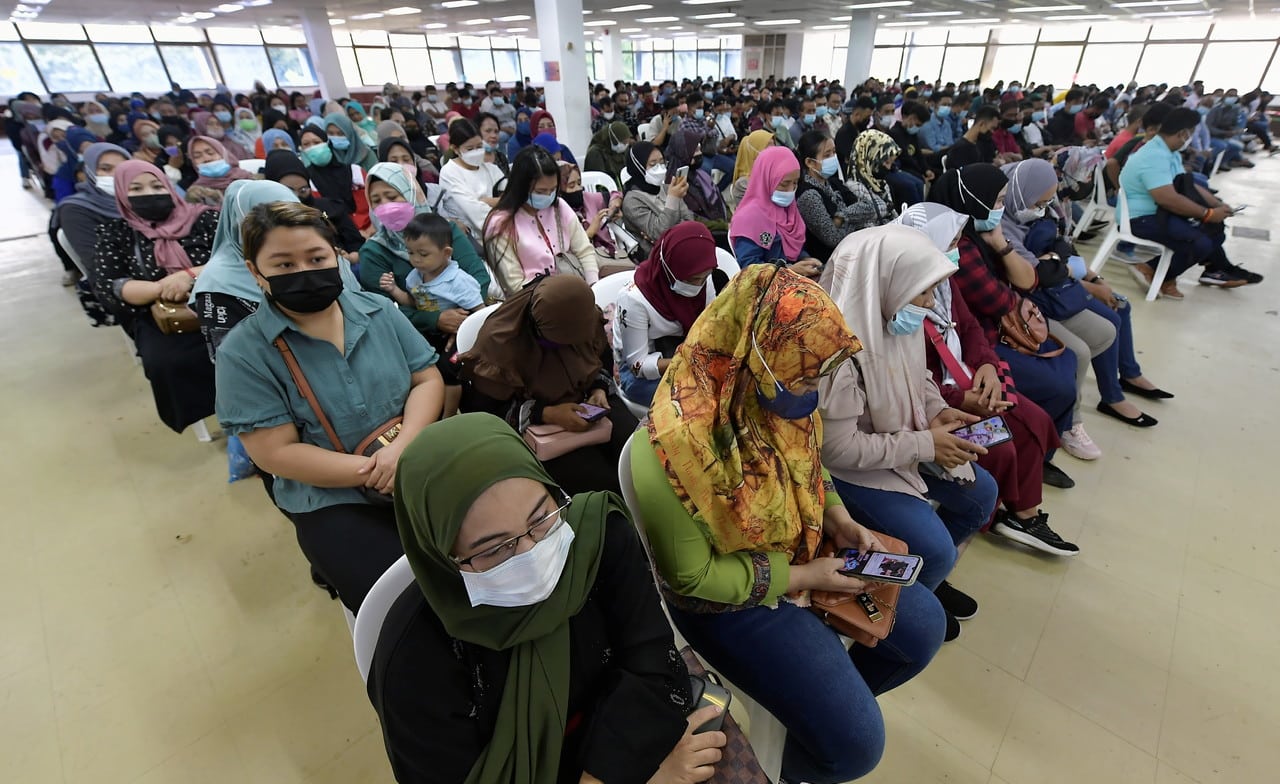
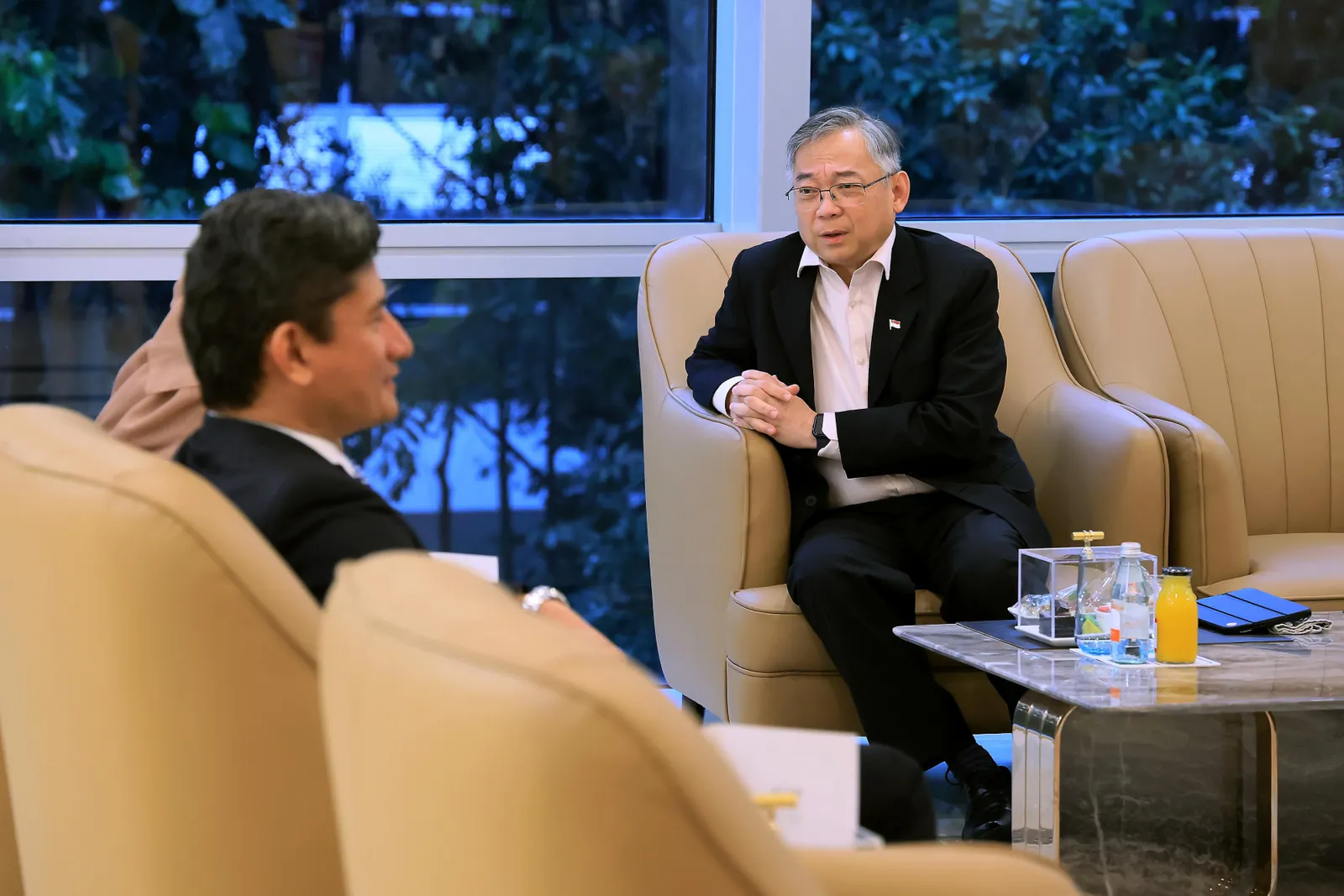
KUALA LUMPUR, Aug 20 — The government’s cap on foreign workers remains at 13 per cent of Malaysia’s total workforce, said Deputy Investment, Trade and Industry Minister Sim Tze Tzin.
He said the country reduced the country’s reliance on foreign labour from 15 per cent, and aims to lower it further to 10 per cent by 2030.
“It is a policy set in stone. We want businesses to understand the importance of automation, the importance of moving up the value chain, and improving their processes; they must make their company more efficient,” he told reporters at the 7th Asia KLEMS Conference 2026 here today.
He said once businesses rely on cheaper foreign labour, they are less likely to invest in technology and processes, achieve cost savings, or take the necessary steps to move up the value chain.
He added that Malaysia’s labour productivity in 2025 reached RM104,556 per employee, while productivity per employee grew by 4.3 per cent in the latest quarter of 2026, with productivity per hour equal to about RM45.50 per employee.
He said Malaysia aims to graduate from the middle-income trap and become a high-income nation within the next few years, expressing confidence that the country can achieve the target with the right policies and sustained economic growth.
“We continue the trajectory, and we continue to do the right policies; we will achieve high-income nation (status) in a few years. This is what we (the government) are working very hard on in terms of policies. We want to encourage and reduce reliance on foreign labour, while encouraging businesses to invest in the right technology, upgrade the value chain, conduct more research and development, and become export driven so they can meet high international standards for their products,” Sim said.
He highlighted that the government is also helping businesses move up the value chain and reduce their reliance on foreign workers with incentives for automation and process improvements, grants and soft loans, and support from various agencies to improve productivity.
Touching on Malaysia’s economy, which expanded by a robust 6 per cent on-year in the second quarter of 2026, Sim noted that the electrical and electronics (E&E) sector recorded strong profits, with multinational companies (MNCs) benefiting from robust exports driven by artificial intelligence and technology.
KLEMS Conference, held today and tomorrow, was jointly organised by the Asian Productivity Organisation (APO) and the Malaysia Productivity Corporation under the theme “Enhancing Regional Productivity and Competitiveness”.
The conference gathers about 200 participants from Malaysia and 12 APO member economies to exchange insights from 22 research papers and explore ways to translate research and evidence into practical policies.
Earlier, Sim launched the Malaysia Productivity Corporation’s Productivity Report 2026, themed “Advancing Structural Change for Sustainable Productivity Growth”.