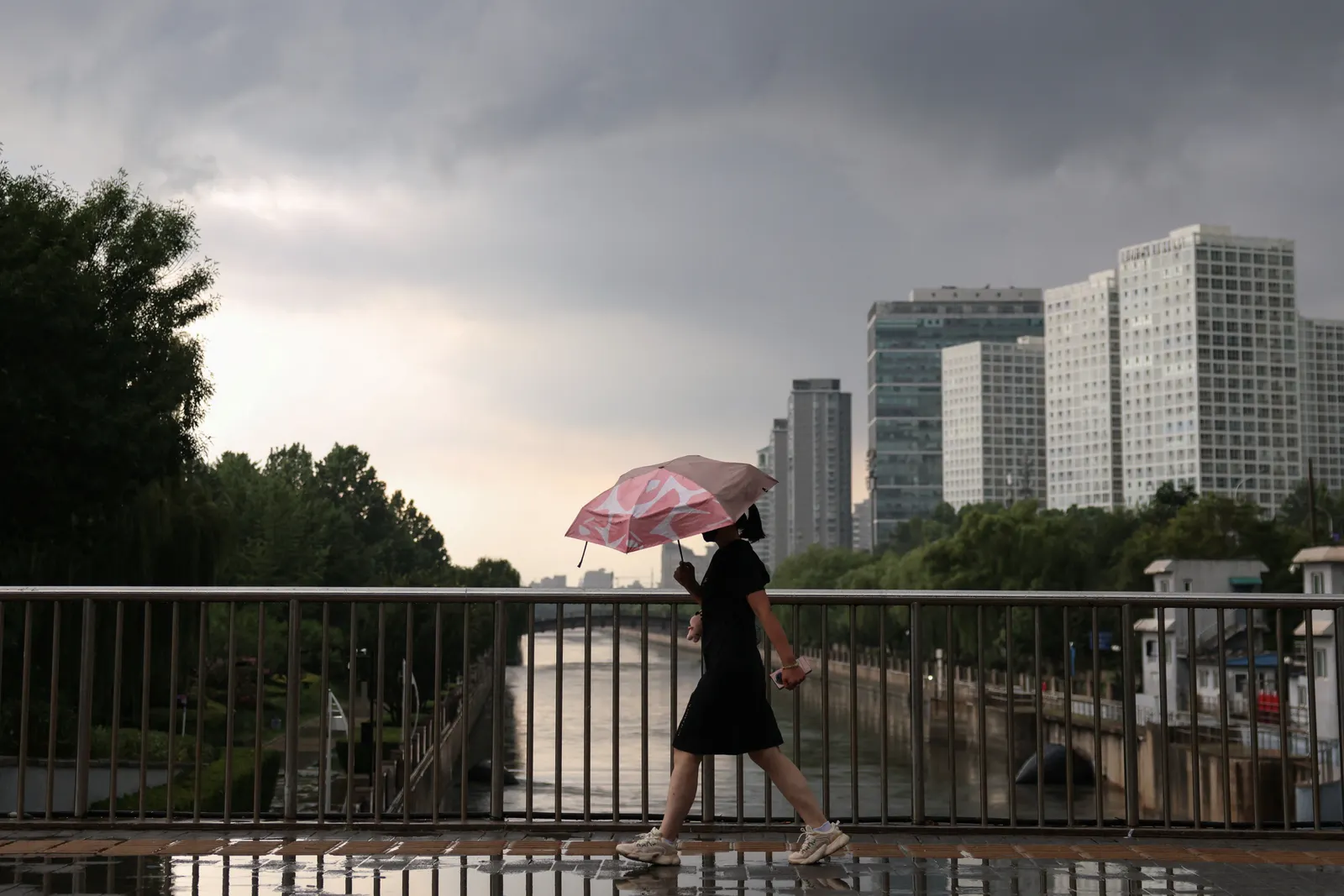

XIANGYANG, China, Aug 11 — Typhoon Dolphin churned deeper inland to the central Chinese province of Hubei today, flooding streets, forcing the closure of tourist areas and halting construction projects, as forecasters warned of extreme rainfall across a broad swathe of the country.
Parts of Beijing, including its Shunyi district, northeast of the main financial area, also saw severe flooding by this evening, with rains forecast to intensify overnight.
The strongest typhoon to hit China this year, Dolphin packed an unusually resilient storm system that travelled nearly 6,000km before making landfall over the weekend, drenching the country's eastern coast and bringing a sprawling cloud field.
Downgraded to a tropical depression this afternoon, the storm's reach extended as far as Beijing, more than 1,000km north of Hubei.
Four districts on the capital's outskirts activated the highest level of emergency flood response, as the city braced for the expected onset of more than one-third of its annual rainfall within 24 hours, starting late today.
Authorities said that Beijing's highest hourly rainfall occurred in Houshayu in Shunyi District, with 88.5mm of rainfall from 3pm to 4pm local time (0700 GMT to 0800 GMT).
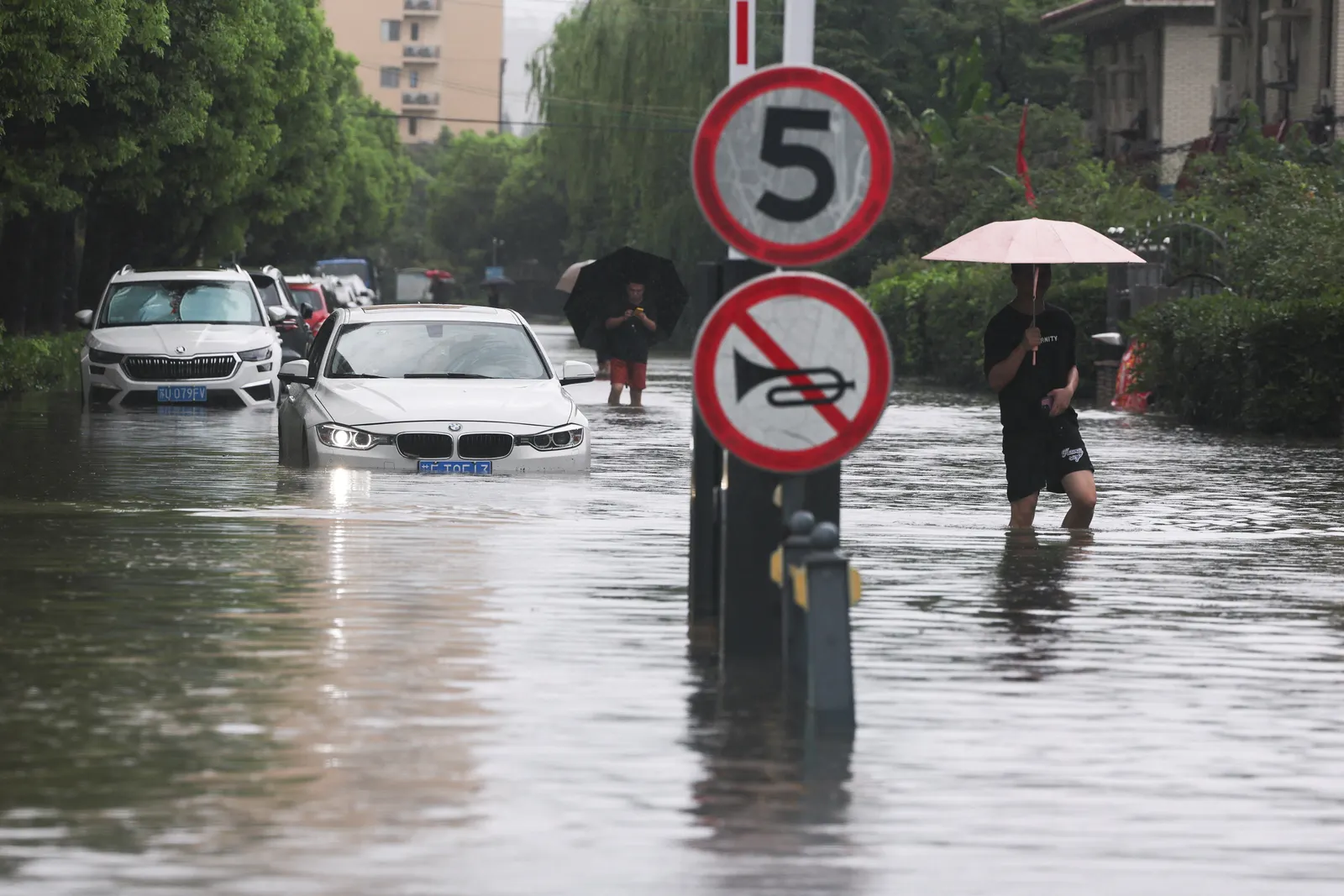
Images shared on China's Rednote showed large buses and cars partially submerged in Shunyi by flood waters. One image showed a delivery man wading through water, with only the motorbike's handlebars and the top of his delivery box visible.
The National Meteorological Centre renewed an orange alert for heavy rain, the second-highest warning level, with Hubei expected to receive up to 250mm of rain in a 24-hour period.
Hubei, a major auto and high-tech electronics manufacturing hub and home to more than 58 million people, was just recovering from two rare tornadoes last month in the wake of Typhoon Maysak, which killed at least 11 people.
In the city of Xiangyang, where Hubei authorities issued a yellow warning for landslides and floods, pedestrians waded through water-covered streets as shared electric scooters were partially submerged.
At a crossroads in heavy rain, drivers slowed down to get their vehicles through water more than 30cm deep, while others turned around.
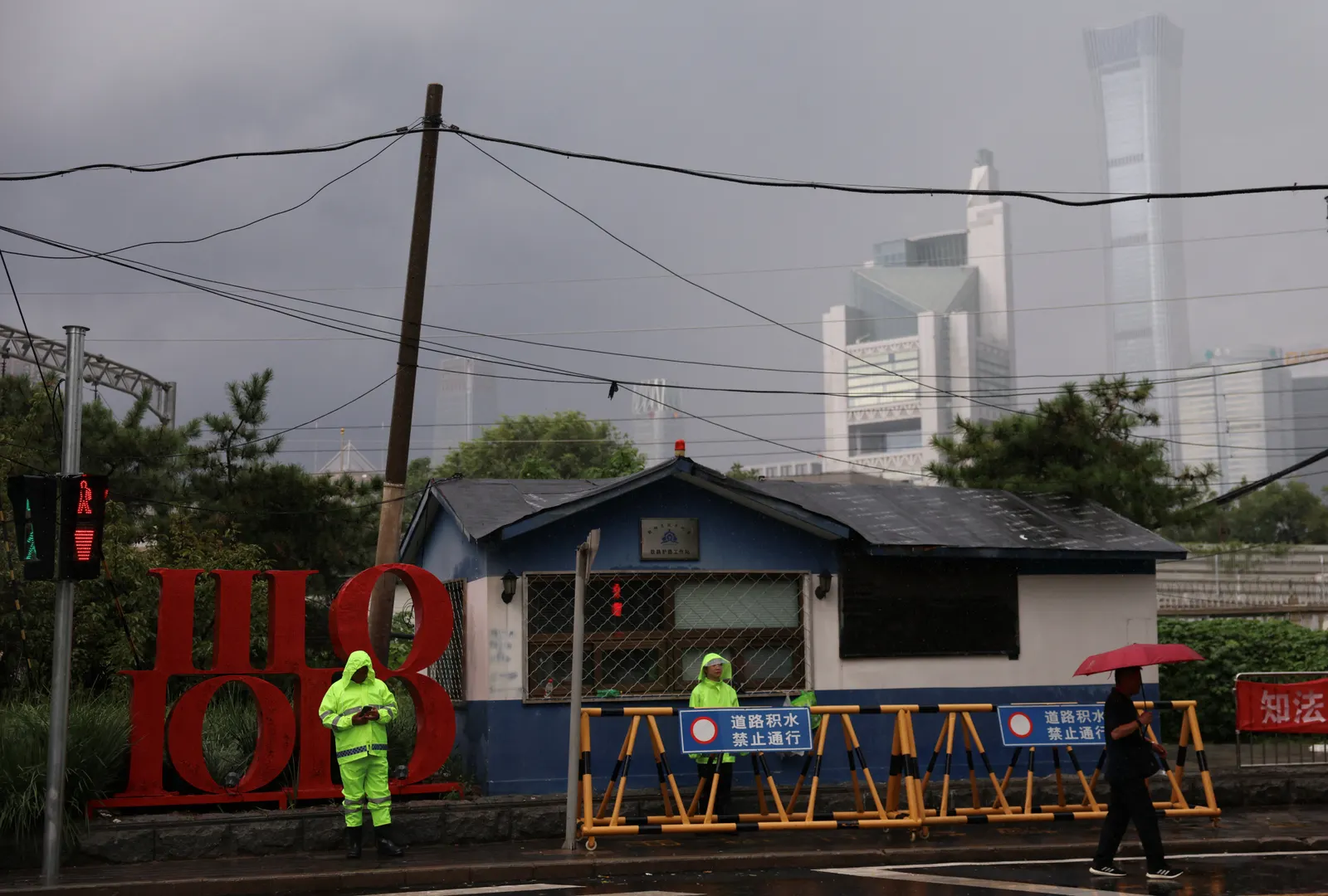
Sixty-year-old Huang, who had delayed her trip to buy groceries earlier in the morning due to the rain, looked at the waterlogged roads with concern. She was worried the floods could reach the compound of her apartment building a few hundred metres away.
"This area always gets flooded when it rains. If it continues like this, the waters could reach my home," Huang said.
Nearby, rainwater gushed onto a lower-lying highway from the elevated motorbike paths on either side of the road. Authorities deployed workers in neon safety gear to remove some of the concrete and allow the water to drain faster.
Widespread torrential rain
Hubei authorities also issued yellow warnings for cities including Huanggang and Suizhou.
As of this morning, water levels at 35 reservoirs in Xiangyang had exceeded flood-control thresholds, prompting authorities to relocate 9,705 people.
Scenic areas across the province have announced temporary closures, including the popular Three Gorges Dam tourist area in Yichang. All but two of Xiangyang's 59 major scenic spots were shut.
Of 107 major highway and waterway construction projects underway in the province, 26 projects deemed high-risk have been suspended.
Hubei's provincial meteorological observatory deputy director Wang Xiaoling told the local newspaper Hubei Daily that Dolphin's peripheral airflow will be forced to rise when it encounters the mountains in the province's western region, causing rainfall to intensify severalfold.
In neighbouring Henan province, authorities issued a red flash-flood alert as the storm continued to channel moisture northward. Forecasters said some areas could receive up to 350mm of rain through tomorrow afternoon.
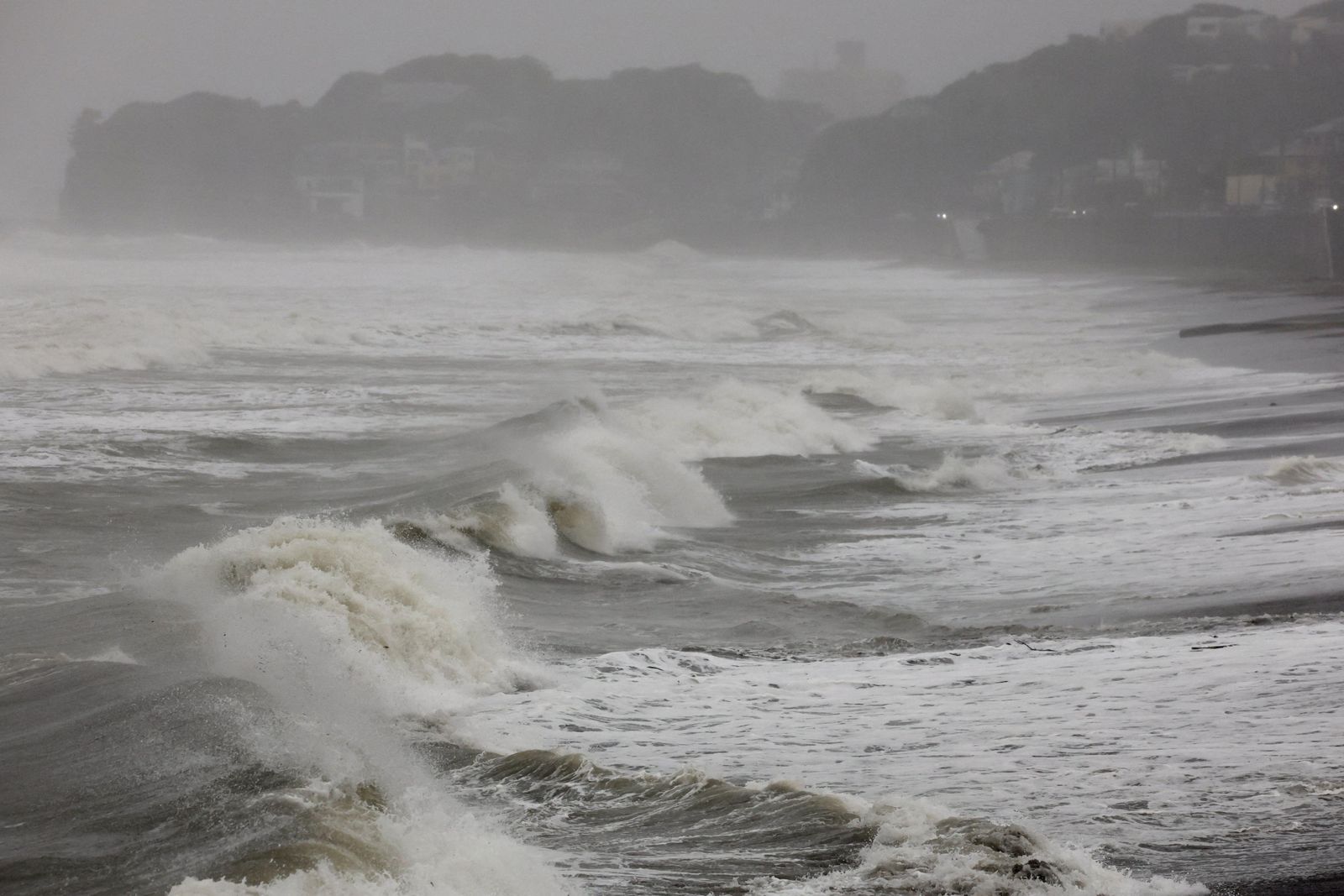
Japan, which was battered by Dolphin before the storm reached China, was also preparing for landslides, flooding and strong winds after the Japan Meteorological Agency said Typhoon No. 15, Chan-hom, could move across Japan's mainland later today.