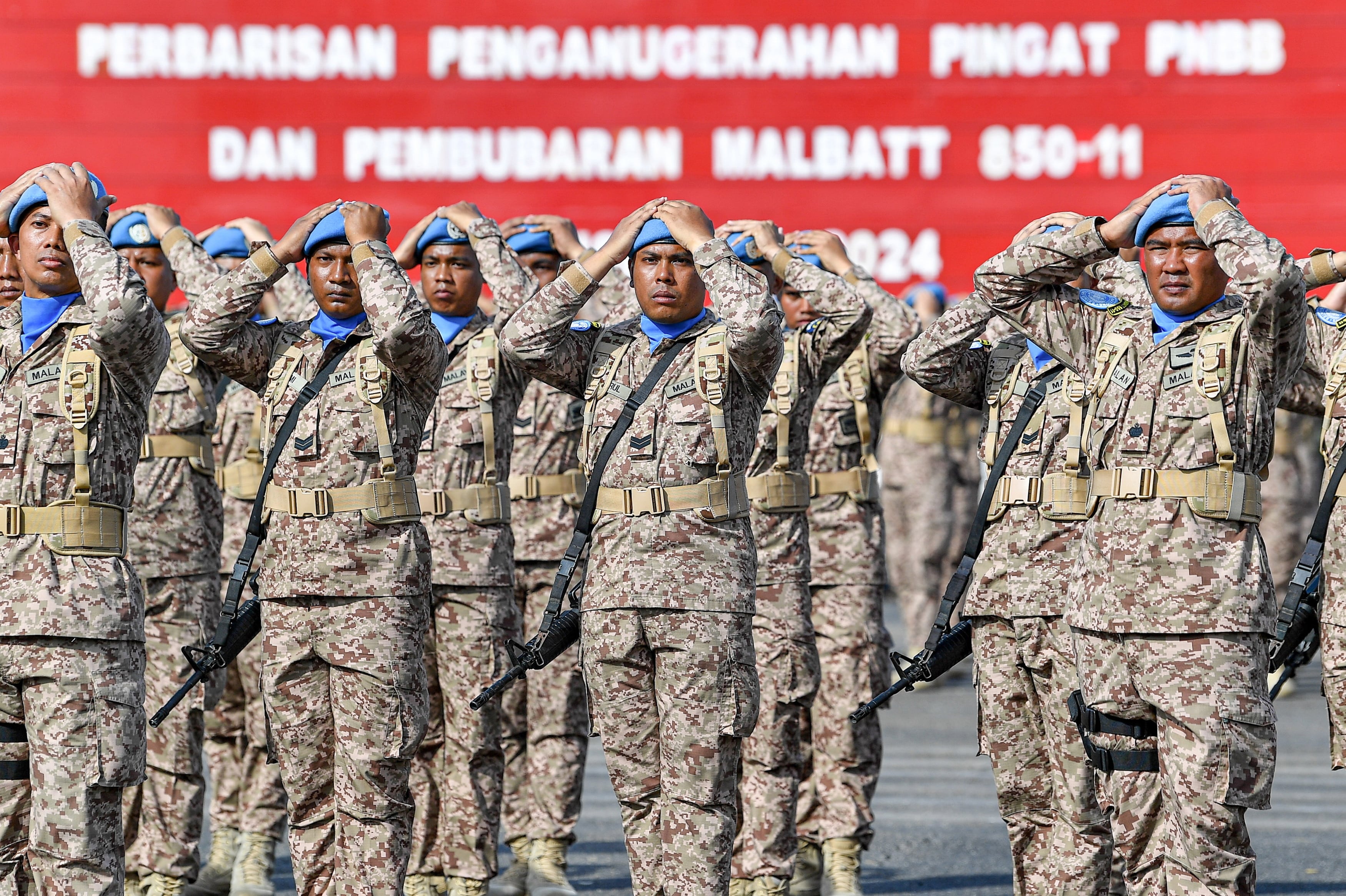
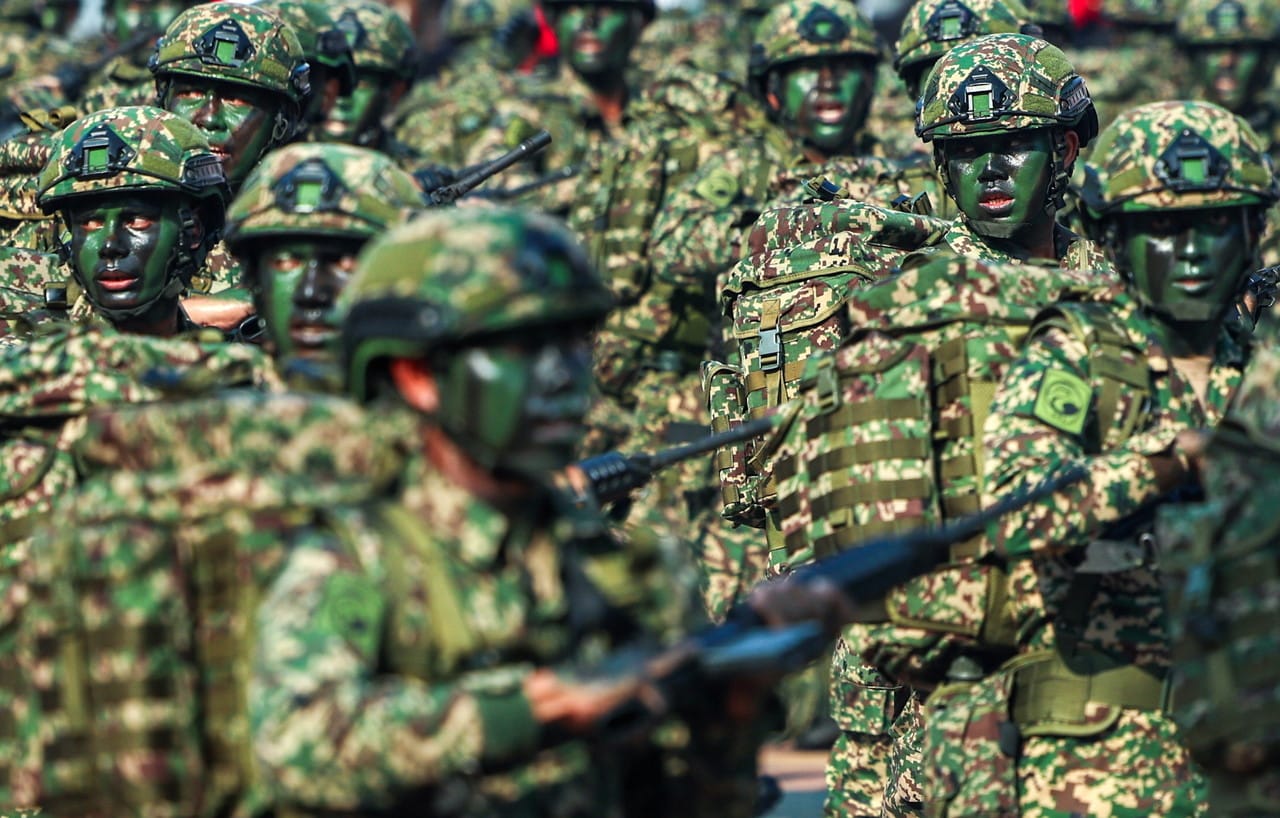
MELAKA, Aug 10 — The Defence Ministry (MINDEF) has channeled RM275.4 million, or 90 per cent, of the RM303.3 million allocated to the Malaysian Armed Forces (MAF) to the Armed Forces Veterans Affairs Department (JHEV) this year.
It said the funding will cover five main focus areas: welfare, health, housing, education, and socioeconomic empowerment.
In a statement today, MINDEF said that, under the welfare focus, several initiatives have been implemented as of June. These include expanding cost-of-living assistance from 15,000 to 33,655 recipients, providing medical equipment and disaster relief to over 281 veterans, and funeral management support to more than 1,600 veterans.
It has prioritised the health and well-being of veterans, benefiting over 4,738 recipients with expenditures exceeding RM38 million as of June.
The ministry also approved 34 new home construction projects and 323 home repair projects for MAF veterans to date.
MINDEF also confirmed that education support for veterans' children will continue. This includes school assistance and help for those entering higher education institutions.
It is also focusing on veteran socioeconomic empowerment through various strategic partnerships, including the Veteran Entrepreneur Empowerment Programme MAF Master Class, the IPR INTAN Programme in Kuala Kubu Baharu, Hulu Selangor; the MyHero Tani Programme, and second-career opportunities under the Veteran MyWira Programme, the PROWIRA-RTW Graduate Programme, and Work-Based Learning initiatives.
The ministry reiterated its commitment to honouring the service and sacrifices of MAF veterans, aiming to enhance their well-being as part of a broader effort to build a holistic and sustainable national defence ecosystem.
In a related development, MINDEF highlighted the MADANI Veteran Care Programme (PVM) in Merlimau, organised by JHEV.
The programme is designed to reach out to veterans and gain a closer understanding of their living conditions in the area.
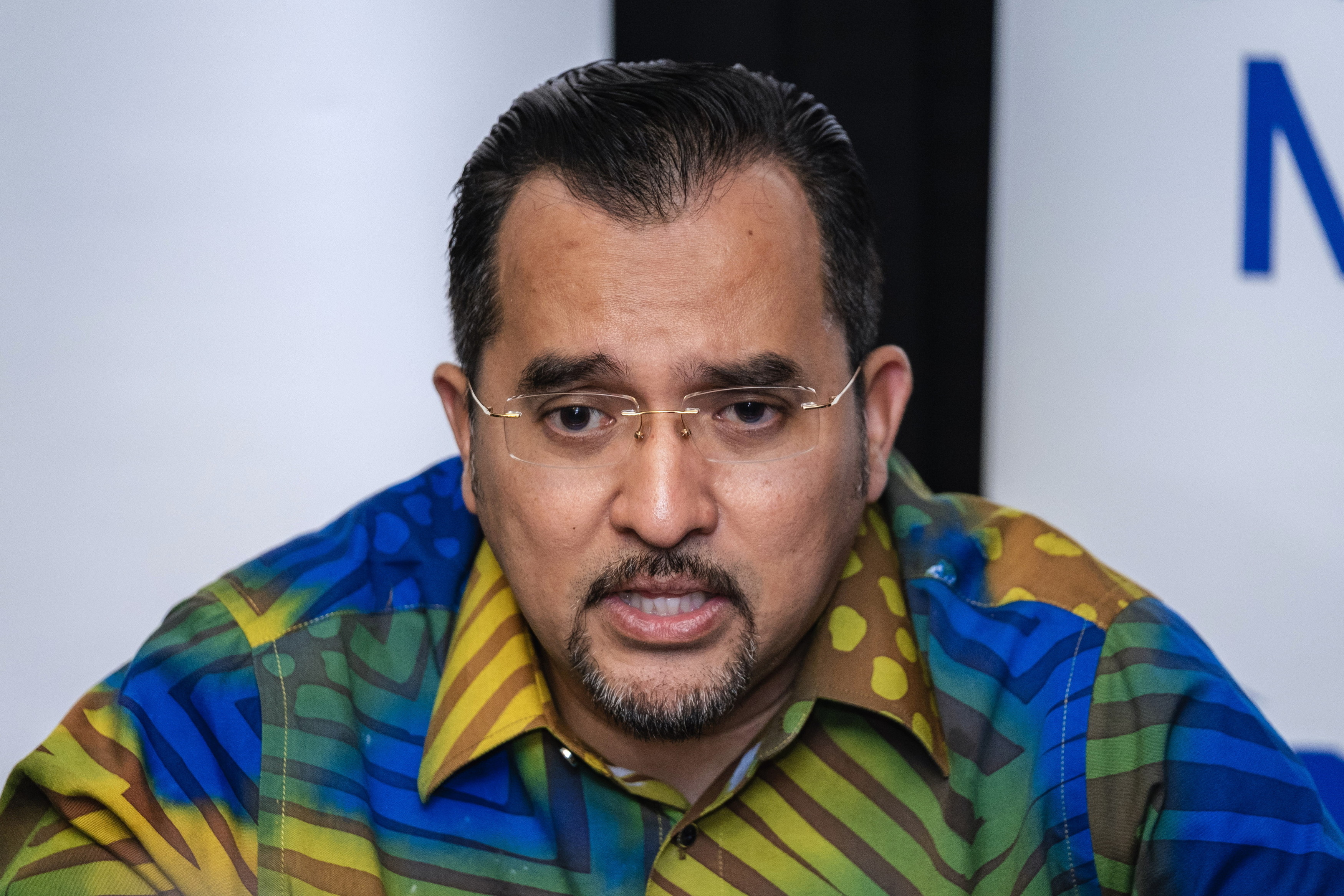
It was attended by Deputy Defence Minister Adly Zahari and JHEV deputy director-general Sophian Isswandy Ismail.
During the programme, the team visited 15 homes belonging to MAF veterans, widows of veterans, and families with disabled spouses or children.
These visits served both to assess the veterans' circumstances and to deliver targeted assistance based on individual needs, including home repairs, medical equipment, cost-of-living aid, and daily essentials.
The programme also acted as a two-way engagement platform, helping to strengthen ties between the ministry and the veteran community.
Feedback gathered during these visits will be used to refine and improve future policies and welfare programmes.