

NAYPYITAW, Aug 10 — Myanmar’s military-backed government has pushed back against ASEAN’s special envoy for the war-torn country, days after President Min Aung Hlaing made a landmark visit to Thailand, which is pushing for its neighbour’s full re-engagement with the bloc.
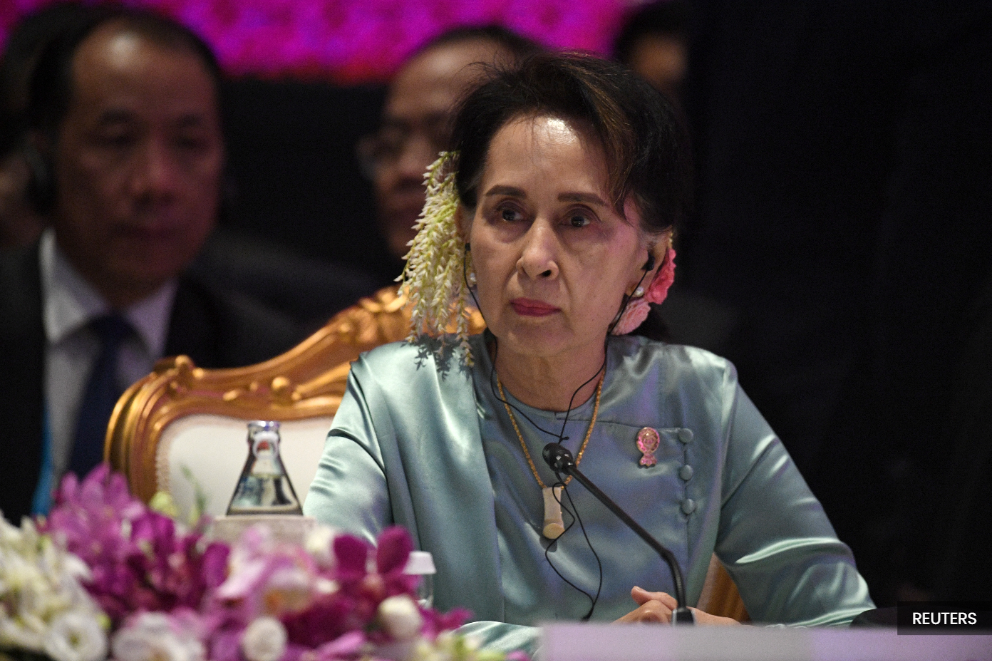
The relationship between Myanmar and ASEAN has been strained since early 2021 when the junta ousted an elected civilian government led by Aung San Suu Kyi, sparking a nationwide civil war that has killed an estimated 100,000 people and displaced millions.
Myanmar leaders have since been banned from major ASEAN meetings over their failure to implement the Five-Point Consensus (5PC) peace plan agreed with the bloc.
In a weekend statement, Myanmar’s Foreign Ministry said an ASEAN special envoy for Myanmar is no longer needed, pointing to an election held around the turn of the year.
“Myanmar is of the view that the appointment and the continued role of the new special envoy of the ASEAN chair are no longer necessary,” the statement read.
The widely criticised election held in December and January was won by a military-backed party in the absence of any substantial opposition, allowing Myanmar’s then junta leader Min Aung Hlaing to become president.
After talks with Min Aung Hlaing in Bangkok last week, Thai Foreign Minister Sihasak Phuangketkeow said Thailand wants peace and stability in Myanmar as part of ASEAN’s peace plan and is not abandoning regional concerns.
However, Myanmar’s pro-military parliament last month passed a motion rejecting ASEAN’s plan, calling it interference and adding that ASEAN should reassess its position on the country.
Suu Kyi detention
The Foreign Ministry statement followed one issued by ASEAN on August 7, which noted a meeting last week between Suu Kyi and an International Committee of the Red Cross (ICRC) official.
The ASEAN statement reiterated the bloc’s desire for its current envoy — Philippine Foreign Minister Maria Theresa Lazaro — to meet with Suu Kyi and called for her unconditional release, alongside other political prisoners.
The 81-year-old Nobel Peace Prize winner is serving an 18-year sentence for a series of offences she denies committing, with no foreign leader or envoy having publicly met her until last week’s meeting with the ICRC representative.
In response to ASEAN’s position on Suu Kyi, the Myanmar Foreign Ministry said: “Although the government has commuted her sentences based on humanitarian considerations, the matter of a full and unconditional release shall only be carried out in accordance with the law.”


