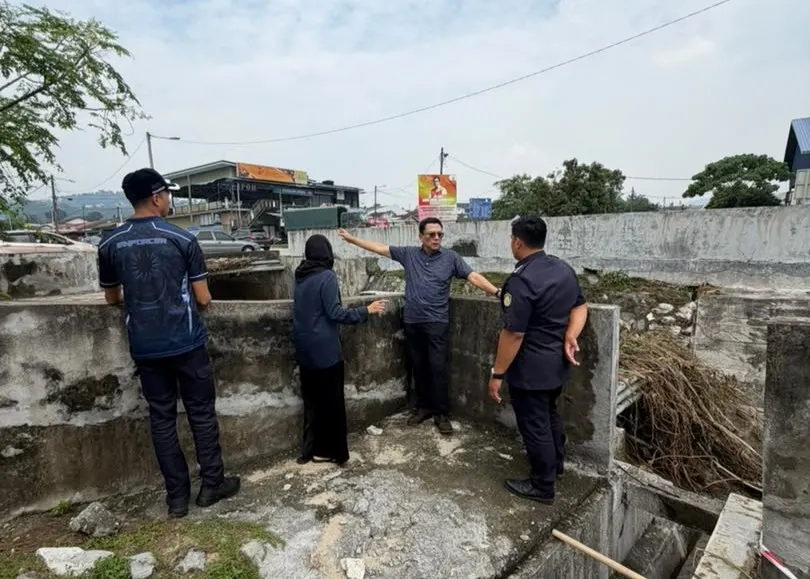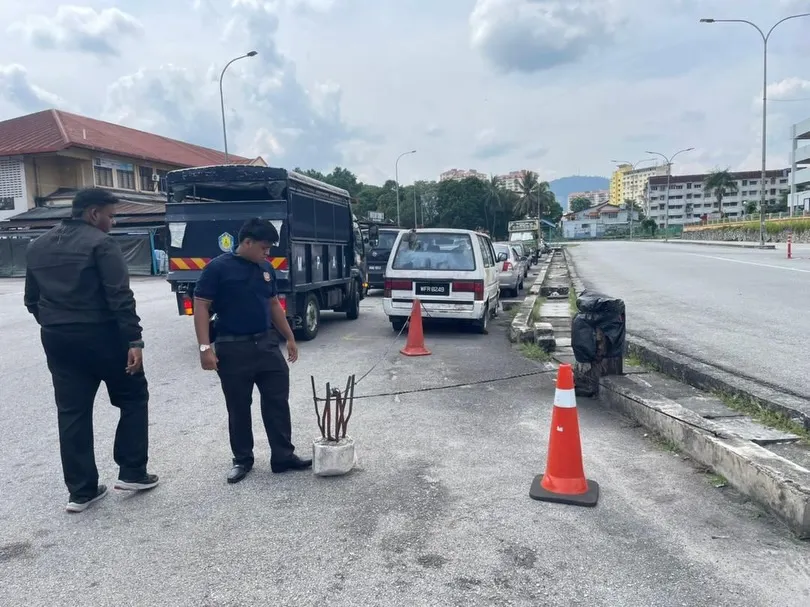


AMPANG JAYA, Aug 8 — Local authorities and government agencies have been urged to be more responsive to public complaints on social media and take immediate action without waiting for formal reports.
Menteri Besar Dato’ Seri Amirudin Shari said the approach should form part of a shift in government service delivery, given that social media has become one of the main channels through which people voice concerns about local issues.
"Thank you to the Ampang Jaya Municipal Council (MPAJ) for responding and not waiting for an official report.
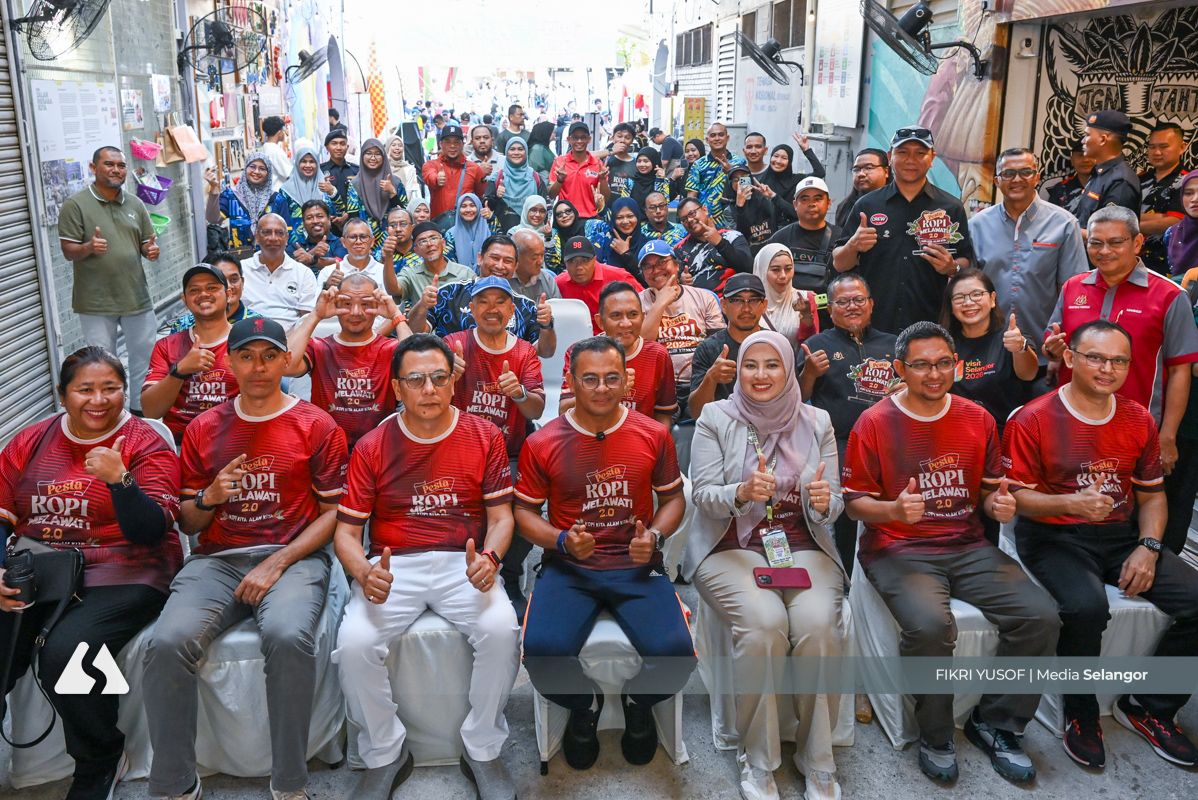
"Instead, they engaged with social media, and that is the change that our colleagues in government need to adopt," he told the media media after officiating Pesta Kopi Melawati 2.0 today.
Amirudin was commenting on MPAJ's swift action to repair a pothole after the issue was highlighted on social media.
He added that every complaint that goes viral or is submitted through social media should first be verified before appropriate action is taken.
If the information being circulated is inaccurate, the relevant agency should come forward to provide an explanation or correction to the public.
"Sometimes the report is accurate, and sometimes it may not be. But if it is inaccurate, it needs to be corrected or clarified.
"If action can be taken, then take action immediately," Amirudin said.
When tabling the Second Selangor Plan (RS-2) during the Selangor State Legislative Assembly sitting yesterday, the Menteri Besar urged all local authorities to continue improving the quality of service delivery by giving serious attention to every complaint and feedback received, whether through social media or official channels.
He said that local authorities need to be more proactive in addressing the challenges of urbanisation and meeting the needs of the people.
RS-2 serves as the main action plan for realising Selangor's aspiration to become an ASEAN Model State by 2030.
Amirudin noted that the policy document covering the 2026-2030 period will serve as the state government's official development direction and a reference compass for all federal agencies.
It will also serve as a reference for state agencies, including departments, local authorities, and state-owned companies, as well as stakeholders, in carrying out development initiatives.