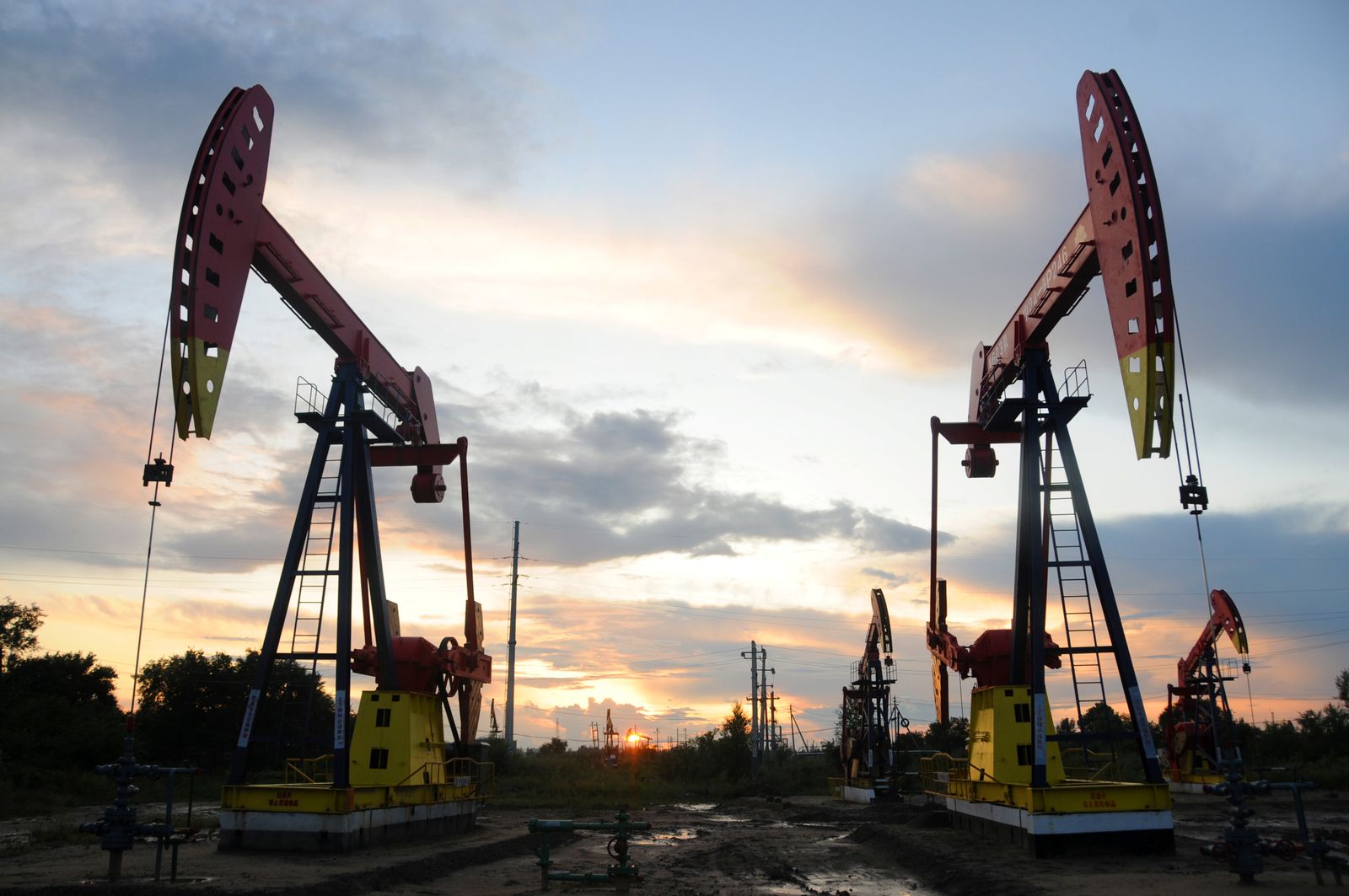
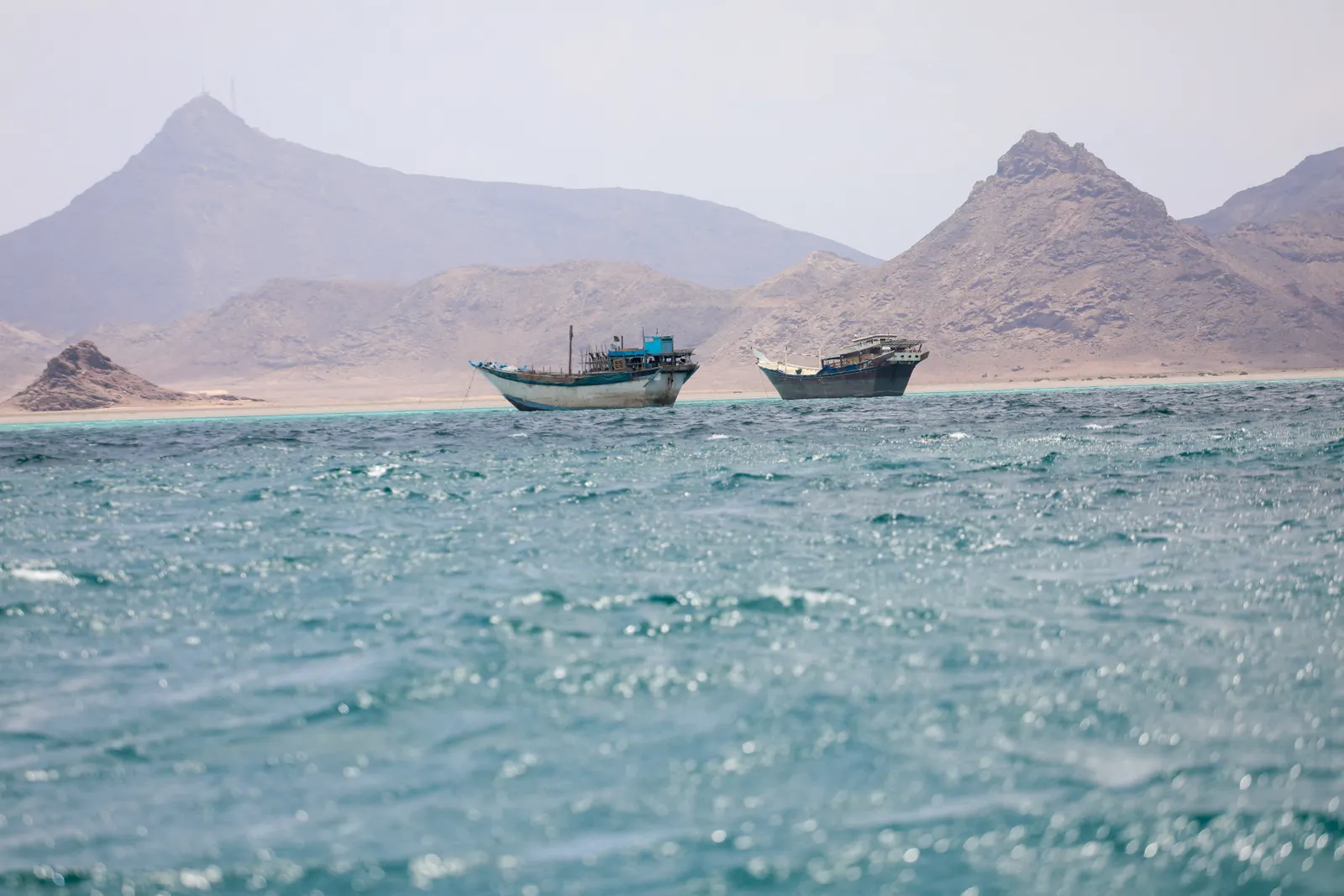
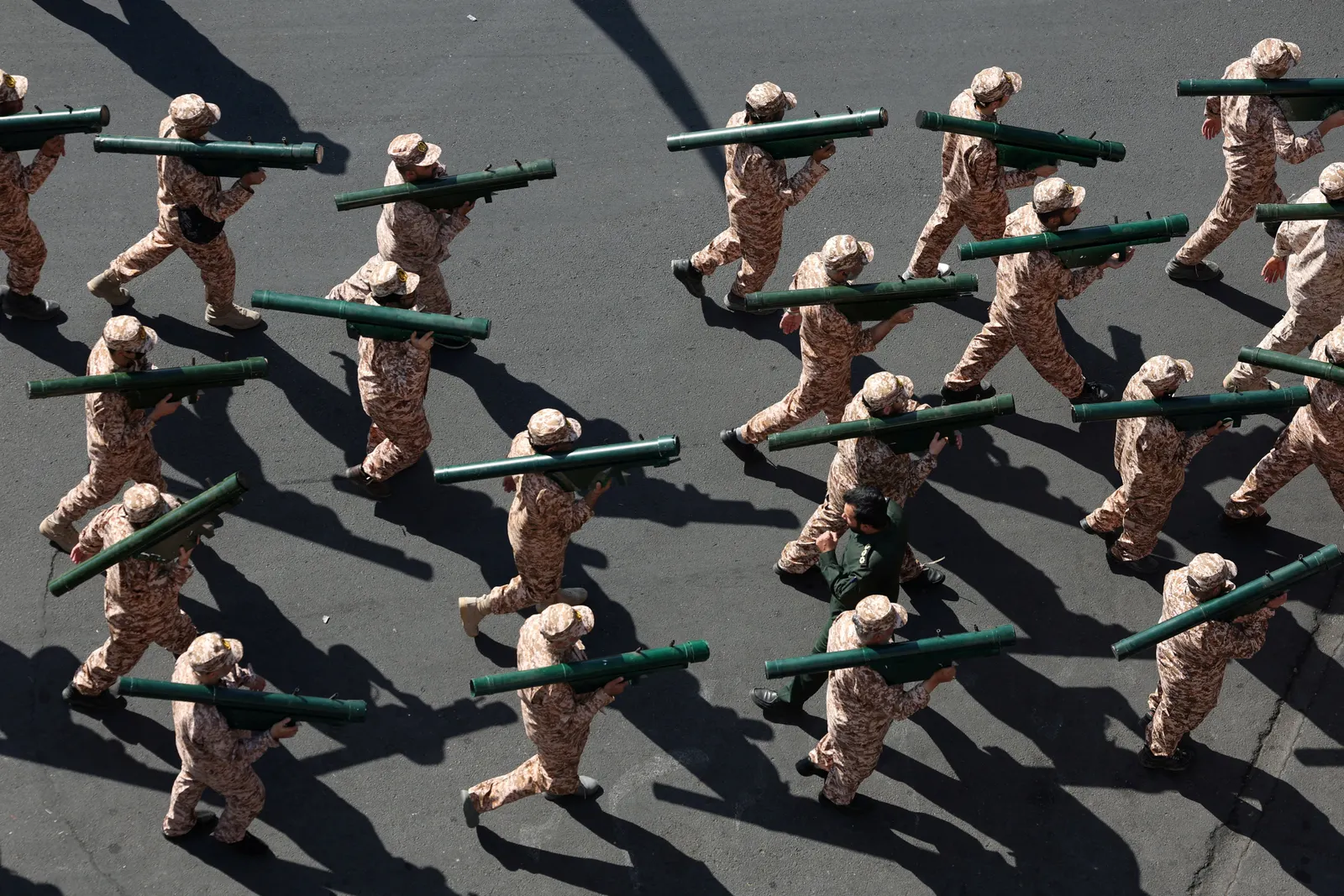
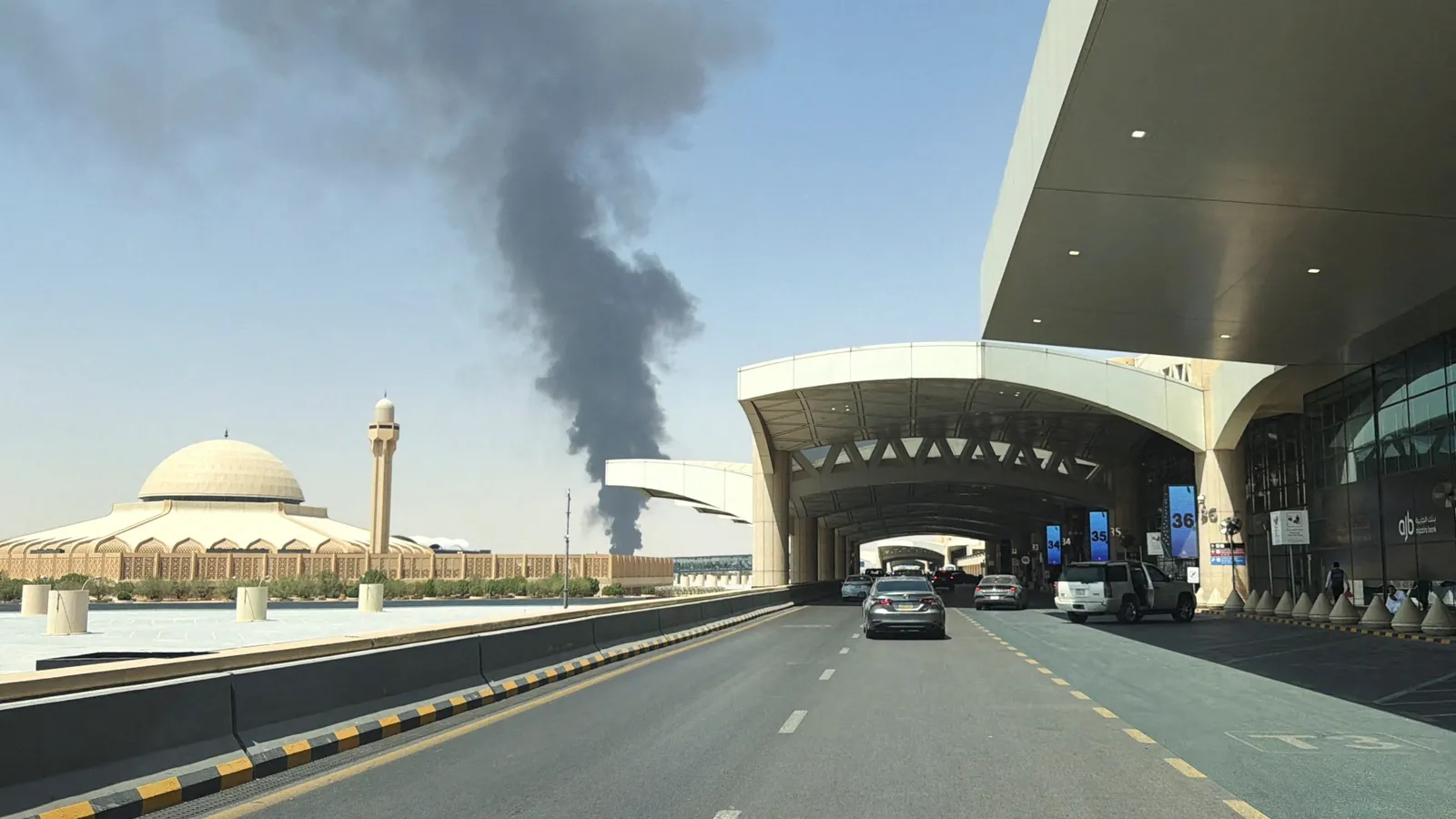
LONDON, Aug 5 — Oil prices rose today after Yemen’s Iran-aligned Houthi rebels said they attacked a Saudi oil tanker in the Red Sea, denting hopes of a de-escalation in Iran war hostilities that could restore shipping traffic and oil flows in West Asia.
Brent crude futures were up 74 cents, or 0.93 per cent, at US$80.10 a barrel by 1303 GMT. US West Texas Intermediate futures gained 16 cents, or 0.21 per cent, to US$75.93.
The Houthis said they had launched a missile attack on a Saudi oil tanker off the coast of Yanbu, a key port for Saudi crude oil exports. That drove oil prices higher today, UBS analyst Giovanni Staunovo said. Saudi officials did not respond immediately to a request for comment.
The reports of the attack dented investor hopes of a de-escalation in the West Asia conflict after Qatar said yesterday that mediators were making progress with efforts to end the war. That drove down oil prices by 5 per cent yesterday, with Brent closing below US$80 a barrel for the first time since July 13.
Tehran, meanwhile, denied that peace talks were under way, contrary to assertions by United States President Donald Trump.
"While the immediate geopolitical premium has unwound, the broader supply picture warrants caution," said Priyanka Sachdeva, head of market insights at Phillip Nova.
Before the war started, about 20 per cent of the world’s oil and liquefied natural gas passed through the Strait of Hormuz.
“The main sticking point appears to be whether Iran will continue to insist on a degree of control over the waterway, and whether the US will stand its ground and refuse that outcome,” IG analysts said in a note.
US crude and gasoline inventories rose while distillate stocks fell last week, market sources said yesterday, citing data from the American Petroleum Institute.
Crude stocks rose by about 2.7 million barrels in the week to July 31, the sources said.
Elsewhere, China further relaxed controls on fuel exports in August.
The Caspian Pipeline Consortium has repeatedly suspended operations this week because of safety concerns and a lack of tankers, numerous trading sources said, as the main export route for Kazakh crude oil struggles to recover from drone attacks.