JAKARTA, Aug 5 — Indonesia's annual economic growth slowed to its weakest pace in three quarters in the second quarter as household and government spending eased, although the figure topped expectations.
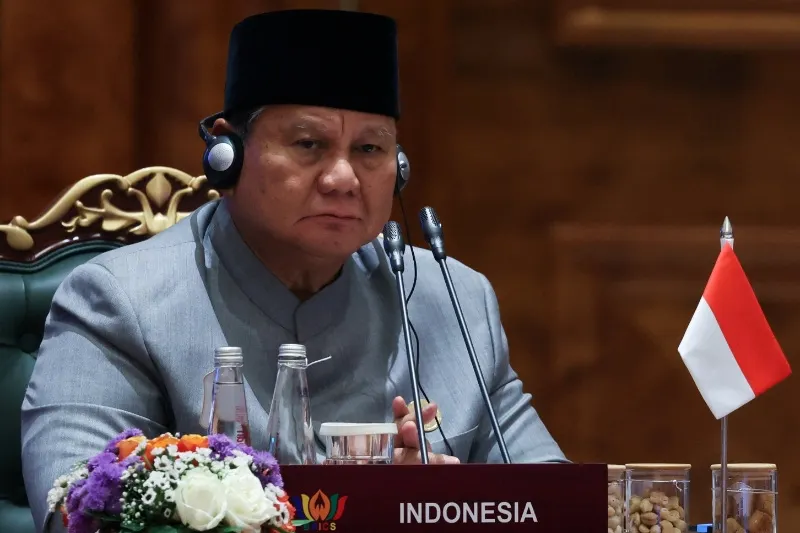
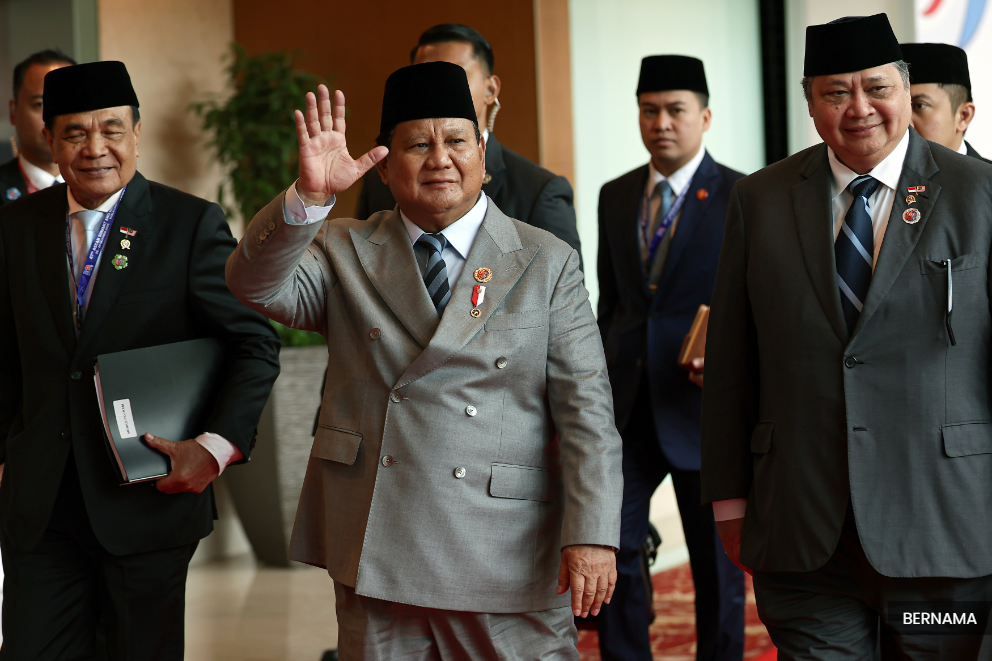
Southeast Asia's largest economy has faced a crisis of investor confidence this year, fuelled by concerns over government spending as President Prabowo Subianto pushes to achieve eight per cent economic growth before 2030.
Earlier today, Statistics Indonesia said that gross domestic product grew 5.29 per cent in the April to June quarter from a year earlier, above the 5.1 per cent median forecast in a Reuters poll. Growth was 5.61 per cent in January to March.
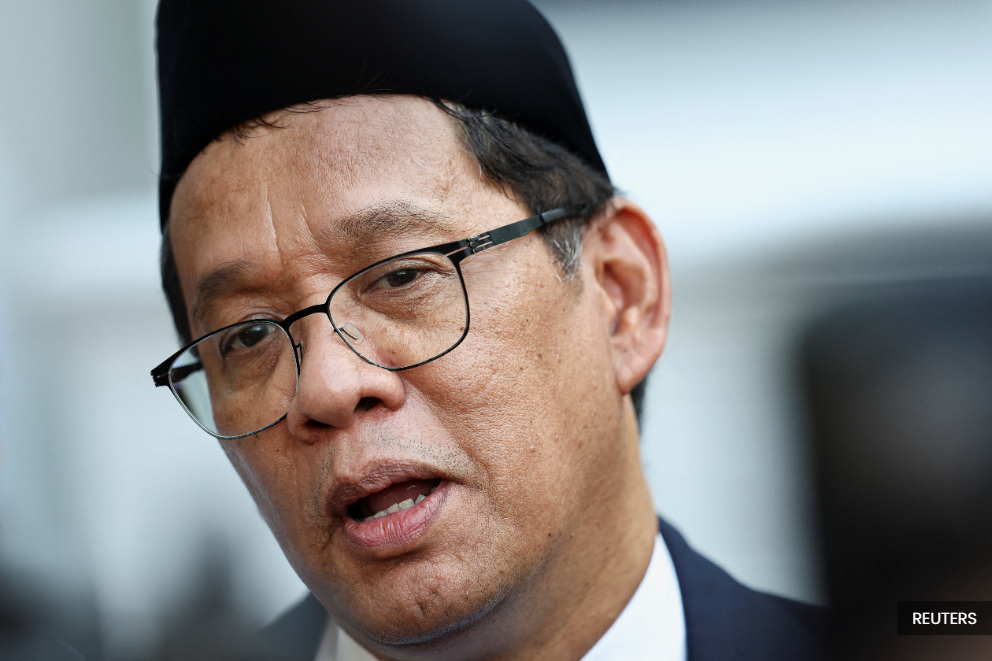
Finance Minister Purbaya Yudhi Sadewa told the media that 5.29 per cent was "not strong enough yet" and that the government aimed to accelerate expansion.
The 2026 state budget targets growth of 5.4 per cent, while he is aiming for up to six per cent this year.
Government spending posts strongest growth
Government spending jumped 15.97 per cent in the quarter, driven by expenditure on civil servants, although that was down from 21.81 per cent in the first quarter.
"A sharp pick-up in public spending was a key contributor, while consumption received a hand from stimulus measures and limited pass-through of elevated global energy prices," said DBS Bank economist Radhika Rao.
Indonesia, a major commodities producer, has recorded annual growth of around five per cent in most quarters since the COVID-19 pandemic. Growth is typically supported by spending around the Idul Fitri holiday season, which fell in the first quarter this year.
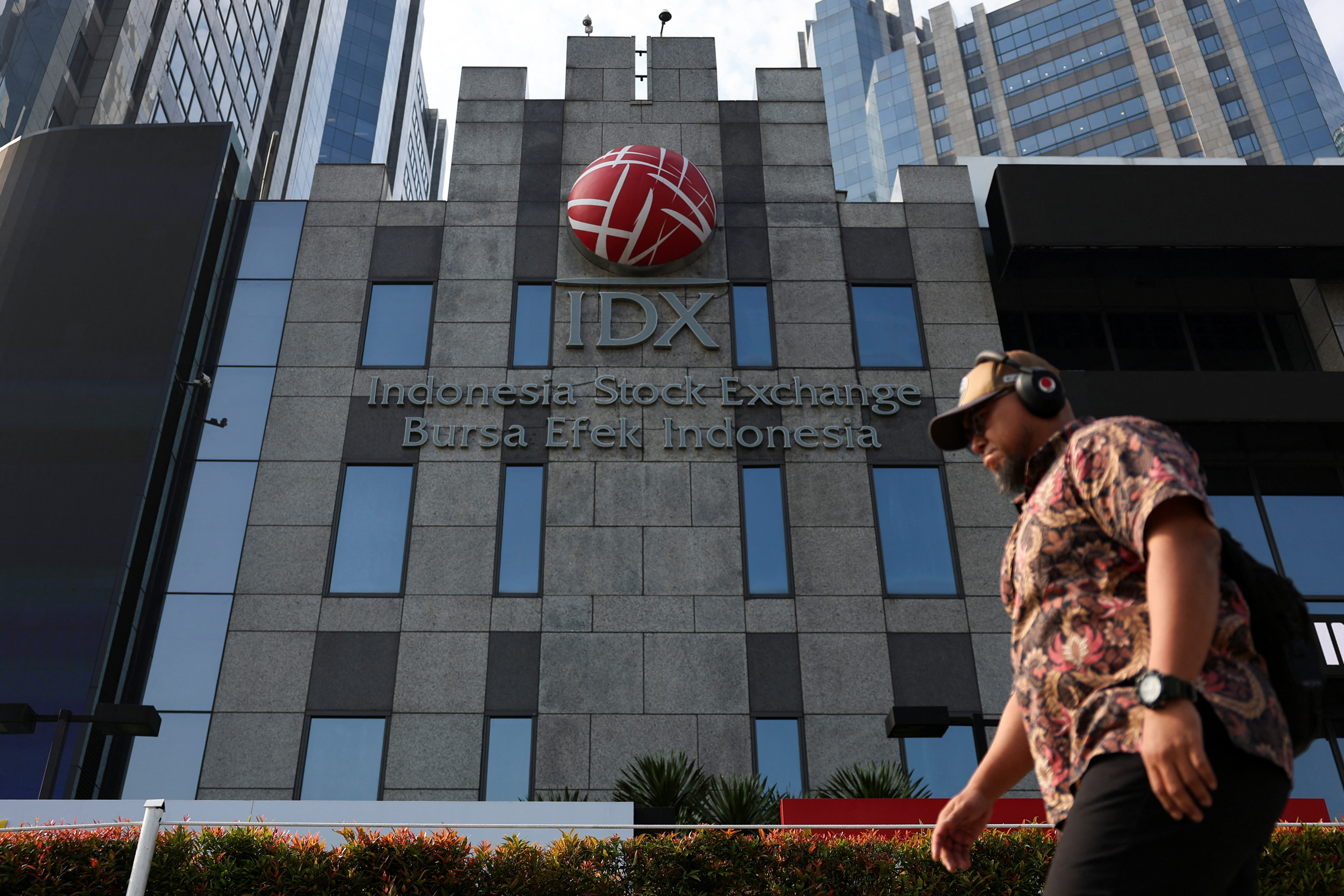
Investors are also watching the risk of a downgrade to Indonesia's equity market status by index provider MSCI, as well as concerns over central bank independence following last week's surprise resignation of Bank Indonesia Governor Perry Warjiyo.
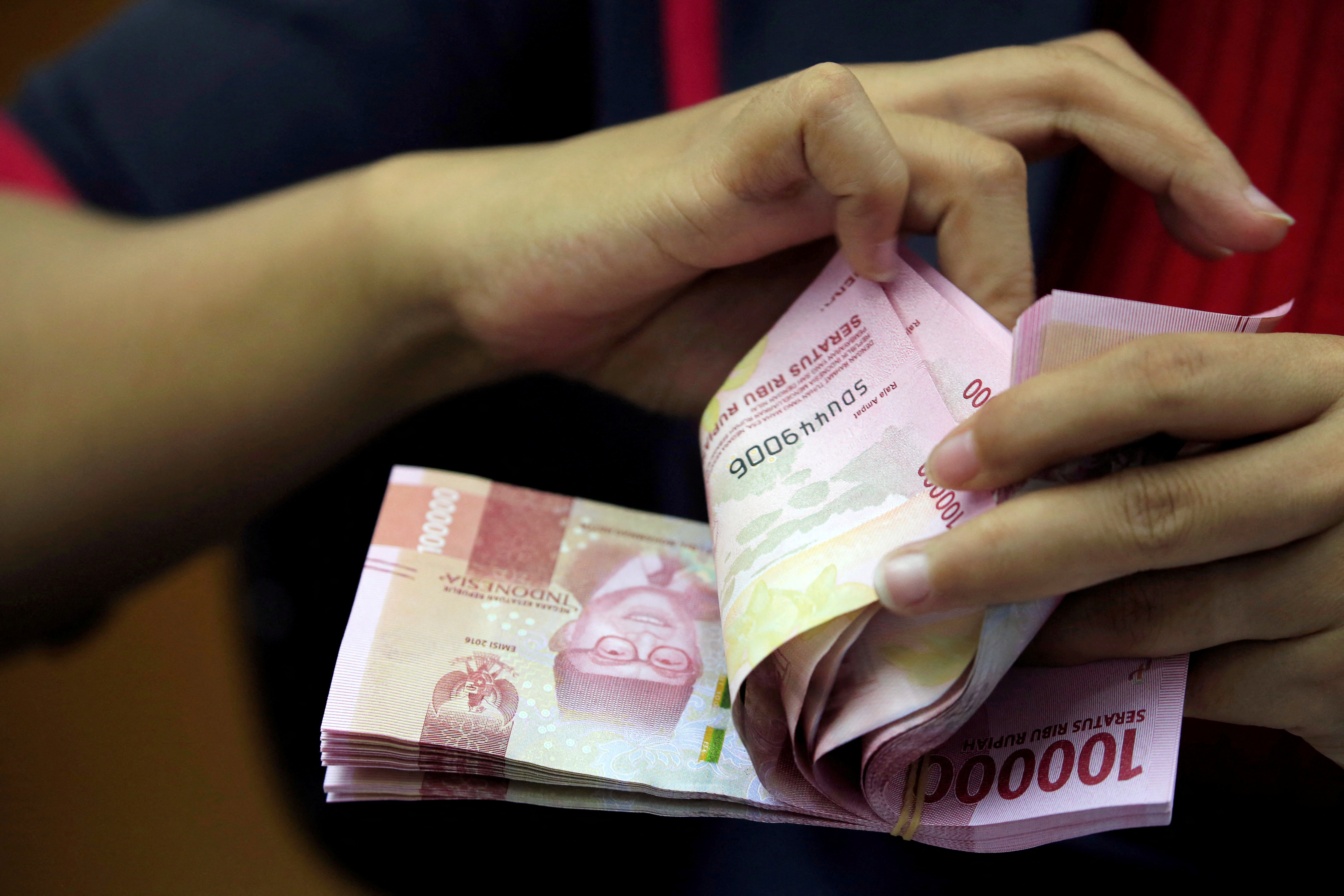
The rupiah is trading near record lows against the dollar, while the stock market has lost nearly 30 per cent this year.
Government efforts to cushion consumers from higher energy prices linked to the war in Iran also boosted spending on fuel subsidies.
Household spending slows
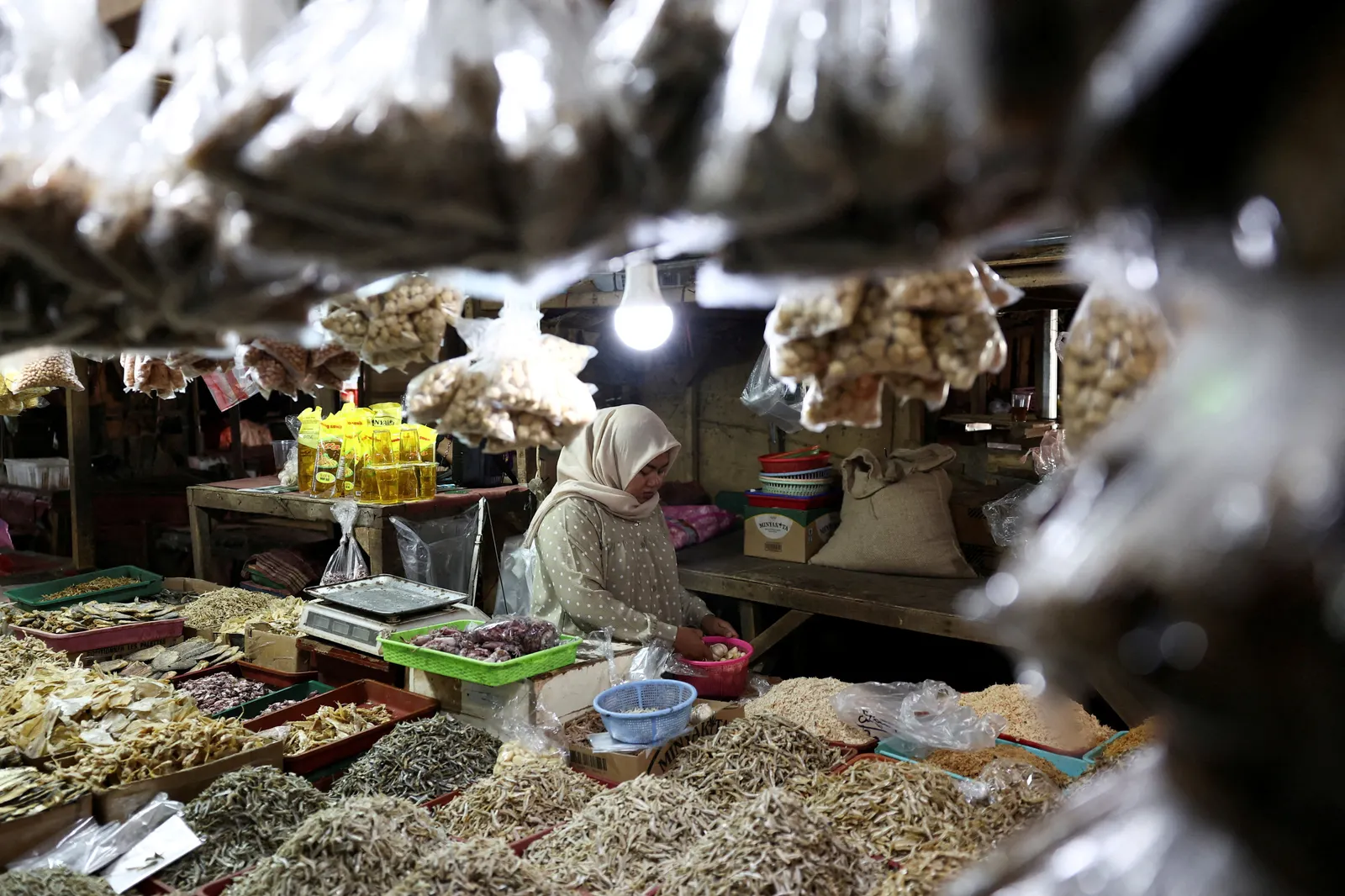
Household spending, which accounts for about half of Indonesia's gross domestic product (GDP), grew 5.06 per cent in the quarter, supported by spending on transport and hotels during school holidays. However, that was below the 5.52 per cent growth recorded in the first quarter.
To support consumption and purchasing power, Purbaya said he planned to delay the collection of a new income tax on sellers using e-commerce platforms, which took effect this month.
Investment growth accelerated to 6.87 per cent in the quarter, its fastest pace in a year. Meanwhile, imports again outpaced exports, as they did in the first quarter, weighing on GDP growth.
In terms of industries, manufacturing growth slowed, while mining output contracted because of quota restrictions.
Construction recorded its strongest growth in almost two years, supported by infrastructure investment, development in industrial estates and buildings linked to Prabowo's village cooperative programme.
Economic activity could come under pressure in coming quarters after Bank Indonesia raised interest rates by 100 basis points in May and June to attract capital inflows to support the rupiah.
"We believe both the government and Bank Indonesia will need to strike a delicate balance between supporting growth and maintaining macroeconomic stability.
"Persistent external pressures could widen Indonesia's twin deficits, which may trigger renewed risk-off sentiment, capital outflows, and pressure on the rupiah," said Bank Permata economist Faisal Rachman, referring to the fiscal and current account deficits.
"These risks are likely to constrain the economy's ability to sustain stronger growth momentum going forward," he added.