
SHAH ALAM, Aug 3 — Selangor’s local authorities have been ordered to take action against individuals who assist or abet those violating local laws, including the sale and rental of business licences and premises to foreign immigrants.
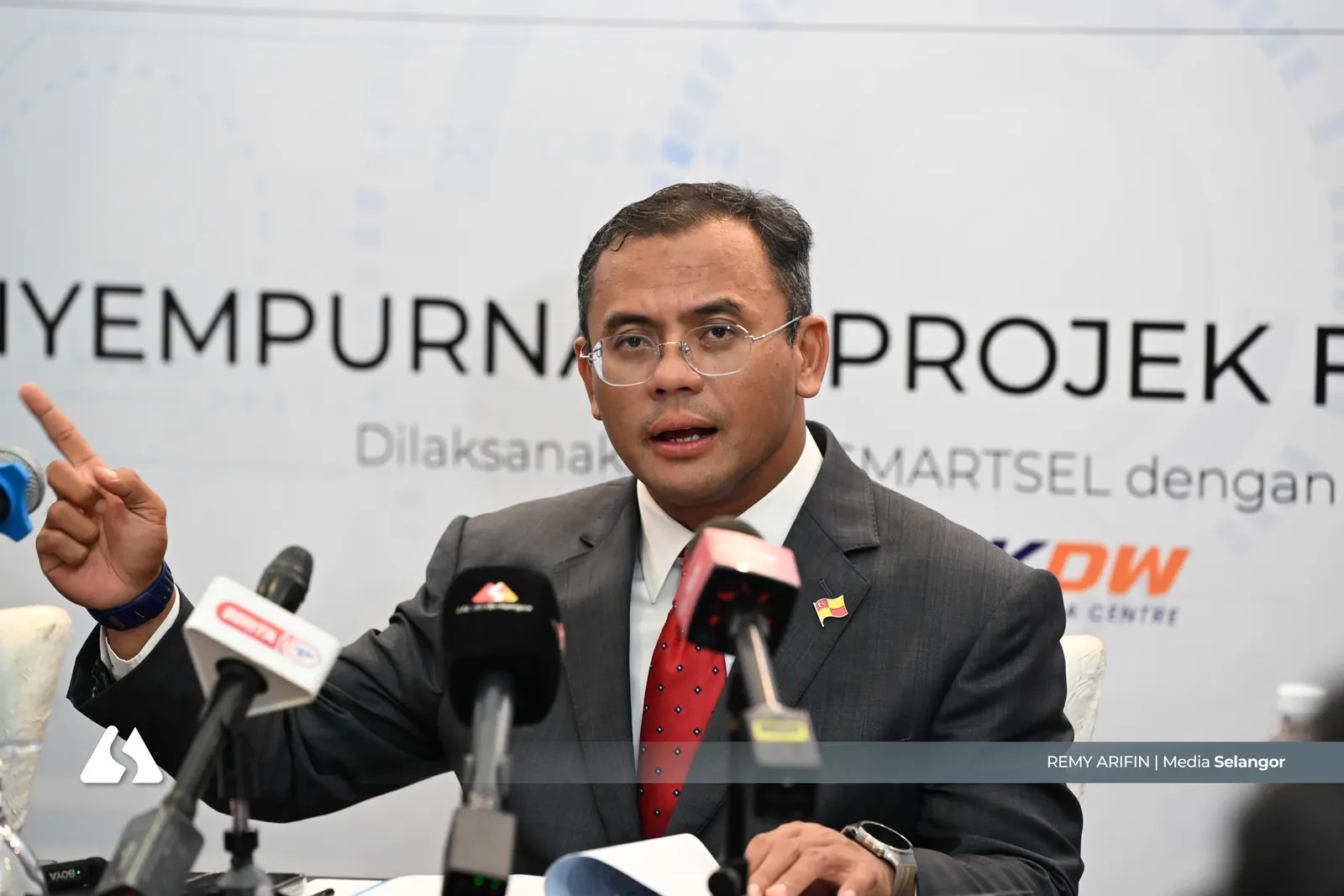
Menteri Besar Dato’ Seri Amirudin Shari said issues involving the Rohingya community in Malaysia were exacerbated by the involvement of locals who enabled such activities.
To address this, enforcement should not only target undocumented foreigners violating the law but also those who assist in committing the offences.
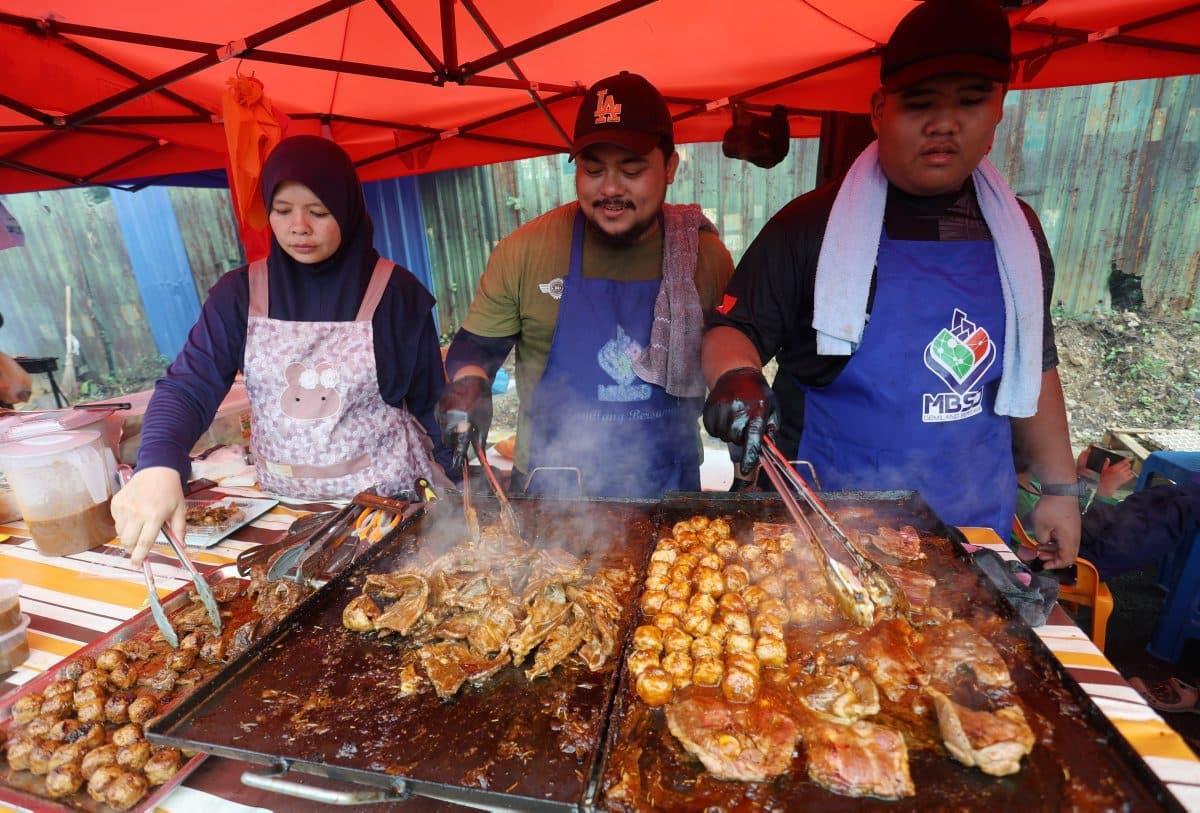
"We still have people who sympathise with them (foreigners). They buy goods sold by them and even rent out or sell their business licences to them.
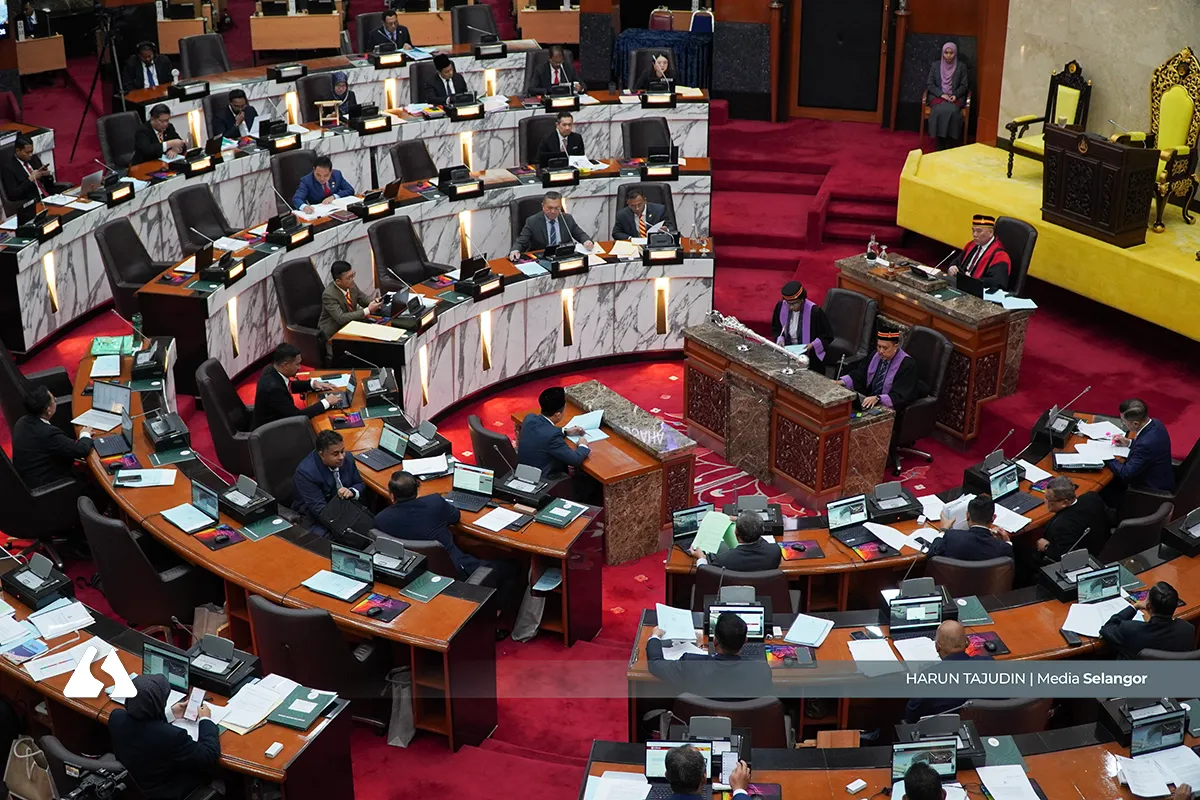
"I ask that local governments take action against those selling (licences), or that they be blacklisted immediately, because this has caused great public concern and problems in our country and state,” he said in the question-and-answer session during the Selangor State Legislative Assembly sitting today.
Amirudin was responding to Dusun Tua state assemblyman Datuk Johan Abdul Aziz’s query about the government's stand on whether the current compound imposed on landlords found renting licences to undocumented individuals is sufficient.
Johan noted that some offenders were able to repeatedly pay fines of up to RM250,000 without being deterred.
The Menteri Besar, who is also the Sungai Tua state assemblyman, said the issue was also driven by members of the public who exploited the group for their own benefit, while some continue to sympathise with them instead.
This has undermined enforcement efforts and contributed to growing public unease.
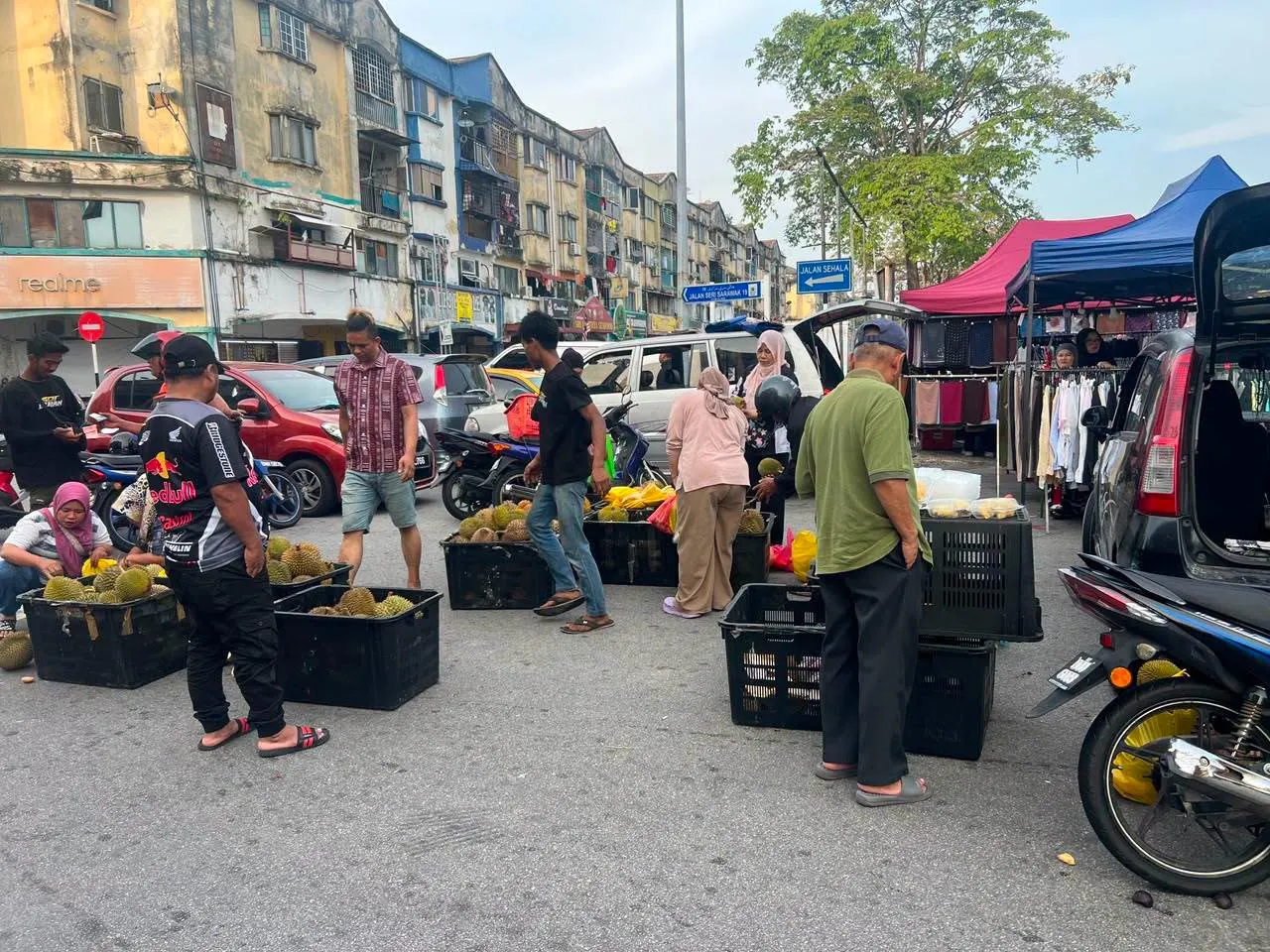
“In my constituency, we have conducted several raids. There are unlicensed traders at the market, and other traders have complained about it.
“When we take action, there is always a local element that defends and protects them, and this remains the biggest challenge.
“So, enforcement should also extend to those who abet these activities and take advantage of refugees’ urgency to stay and survive. That urgency has pushed some of them into 3D jobs — dirty, dangerous, and difficult work — which mostly takes place in markets and other areas,” he said.
Amirudin emphasised that while immigration matters remained under the federal government's jurisdiction, local authorities in Selangor did not permit business activities owned by foreign nationals and would continue enforcing existing by-laws within their areas of authority.
Over 9,000 Rohingyas in Hulu Langat
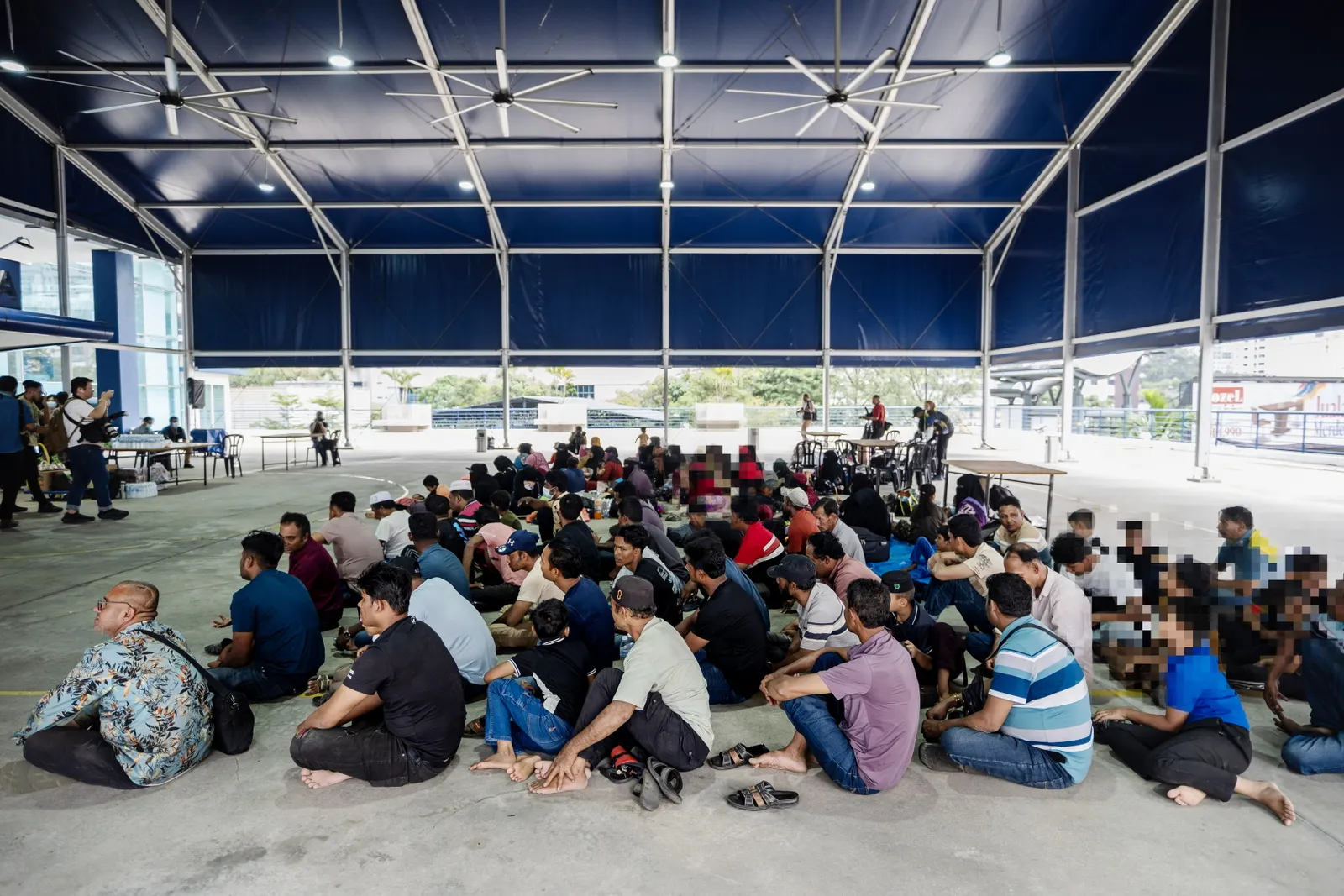
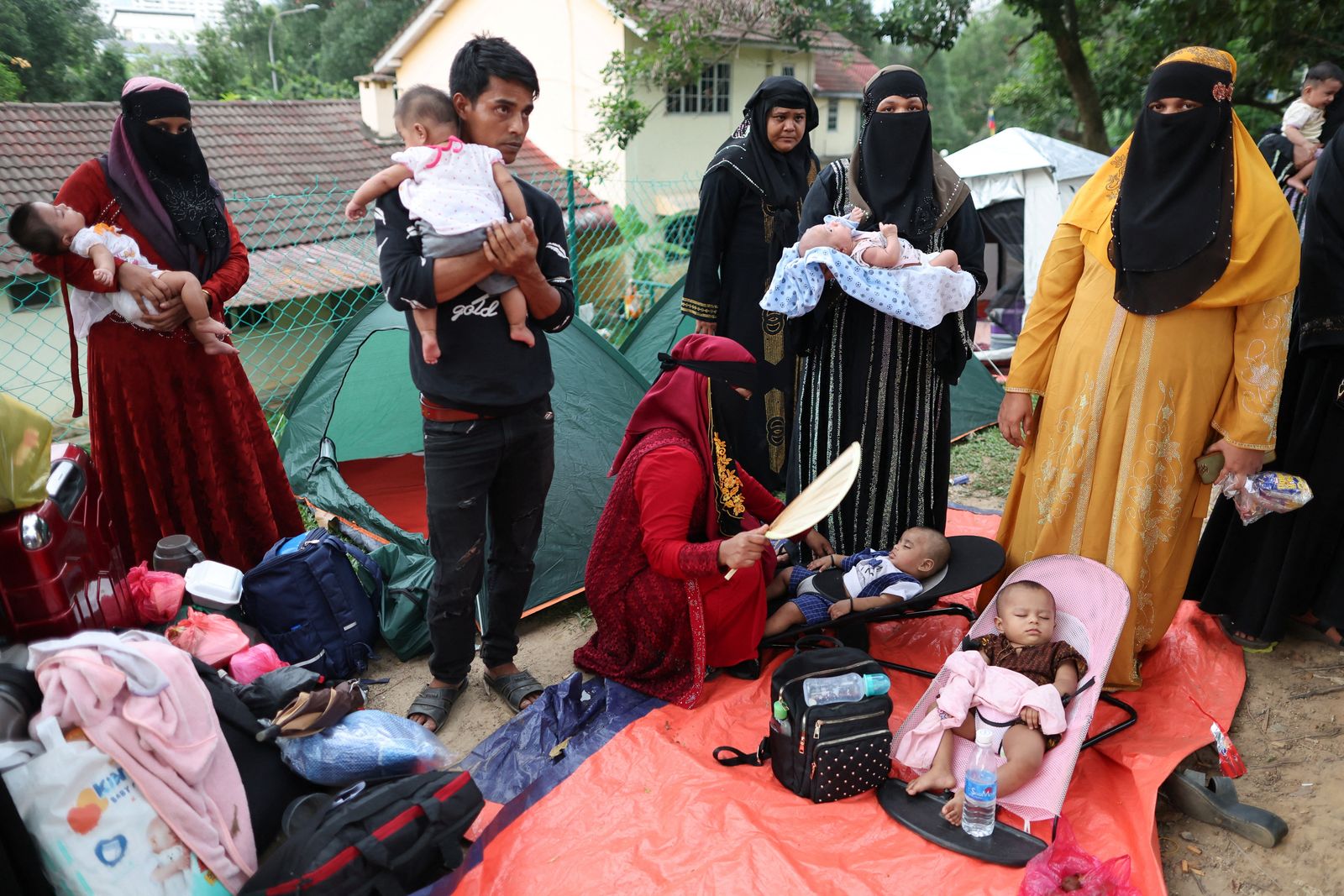
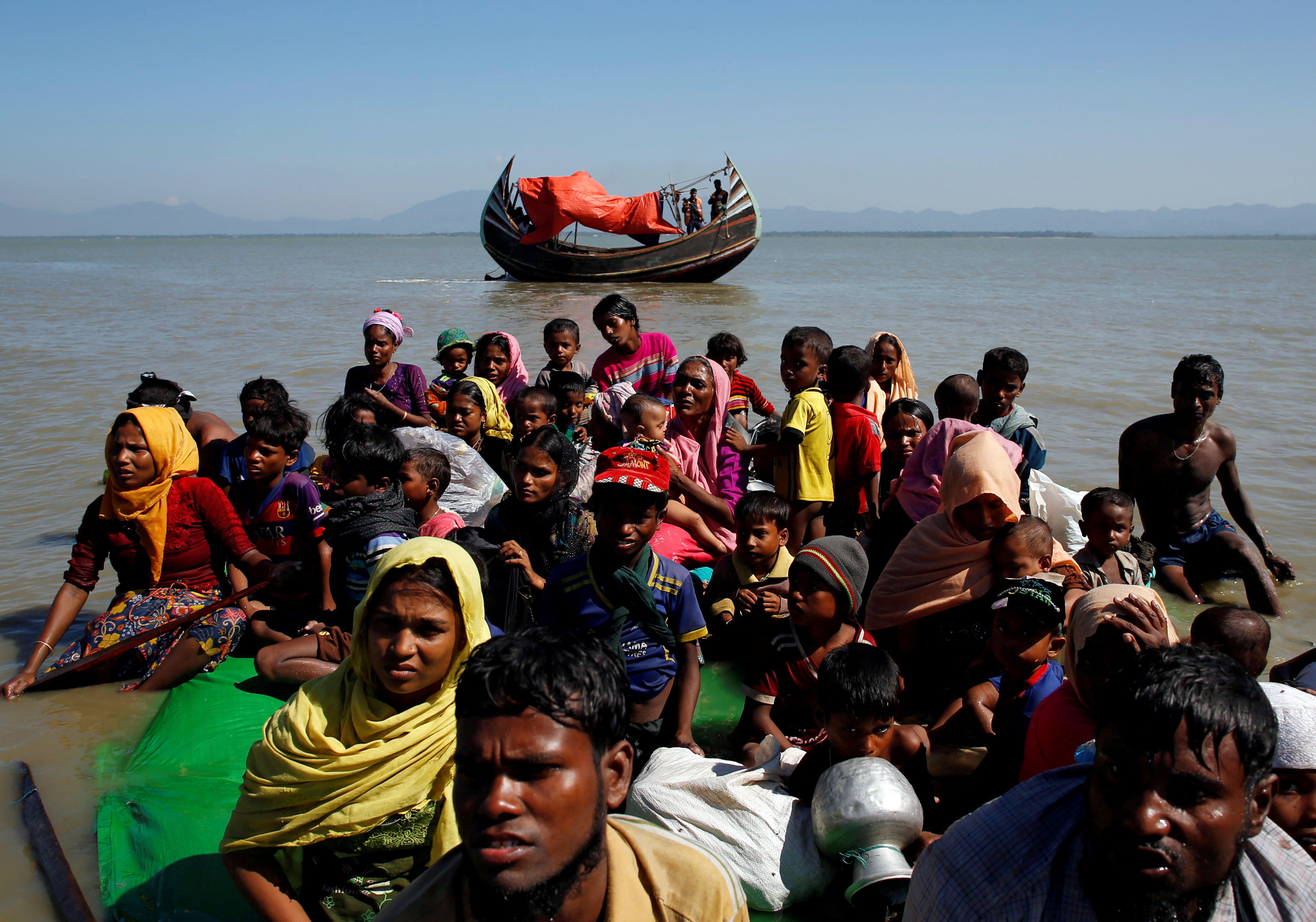
Meanwhile, he said that 9,515 Rohingya refugees have been identified across several locations in the Hulu Langat district, with the largest concentrations recorded in urban areas such as Ampang, Kajang, and Cheras.
The state government viewed public concerns over the presence of undocumented individuals, including the Rohingya refugees, seriously.
Checks and assessments conducted by the Hulu Langat District and Land Office together with relevant agencies found that the refugees were spread across several localities, with population sizes varying significantly.
"In rural areas such as Hulu Langat and Beranang, the numbers are relatively small, with around 20 to 30 people in some locations.
"However, the figures increased to several hundred in urban areas such as Kajang. For example, there are about 400 Rohingya in Kampung Sungai Sekamat, while Taman Kantan Permai has around 50," Amirudin said.
The numbers have increased significantly in other urban centres, particularly in Cheras and Ampang.
"In certain localities such as Cheras, there are between 200 and 300 people. In Ampang, the numbers are much higher, with almost 2,000 in Tasik Tambahan and nearly 1,500 in Pandan Mewah.
"Areas such as Taman Bandar Baru Ampang and (Taman) Kosas each have about 300 people. Based on district records compiled with information from the relevant departments, there are 9,515 Rohingya in Hulu Langat overall," he said.
In response, the district had implemented coordinated enforcement measures through the Hulu Langat District Security Committee, involving the District and Land Office, local authorities, the police, the Immigration Department, and other relevant agencies.
"Among the measures undertaken are continuous monitoring and updating of settlement data, integrated enforcement operations with the Immigration Department, the police, and local authorities, as well as coordination through the District Security Committee to facilitate information-sharing and joint operations,” Amirudin said.