WASHINGTON, July 26 — The Iran war broadened over the weekend despite a pause in the United States’ strikes, as Yemen’s Iran-aligned Houthis attacked Saudi oil installations along the Red Sea coast and Iran accused Ukraine of targeting one of its vessels in the Caspian Sea.
The US military yesterday said its naval blockade against Iran “remains in full effect” but did not explain why it halted a streak of 13 nights of escalating strikes.
There were also no weekend reports of attacks by Iran on neighbours, similar to its daily rejoinders to the US attacks.
Asked about the pause, a senior official in US President Donald Trump’s administration said Trump “has always been clear that his preference is diplomacy, but he has shown Iran what will happen if they fail to come to the table in a serious way”.
Trump has decided, for now, to back away from plans to ramp up attacks on Iran, the New York Times said yesterday, citing two people briefed on the discussion.
The president and his advisers, the newspaper said, have concerns about expanding the conflict, depleting defence stockpiles, alienating Gulf allies and affecting energy supplies and the global economy.
US Vice-President JD Vance and Joint Chiefs of Staff chairman Dan Caine both raised concerns about Washington’s munitions stockpile with Trump during a White House meeting on Friday, a US official told CNN.
Operations are “on a hold”, a Defence Department source told the broadcaster yesterday.
Despite the Gulf lull, yesterday’s fighting between Iran’s Houthi allies and Saudi Arabia showed that the war, which has already disrupted energy supplies through the Strait of Hormuz, could affect a second major shipping route and reignite Yemen’s civil war.
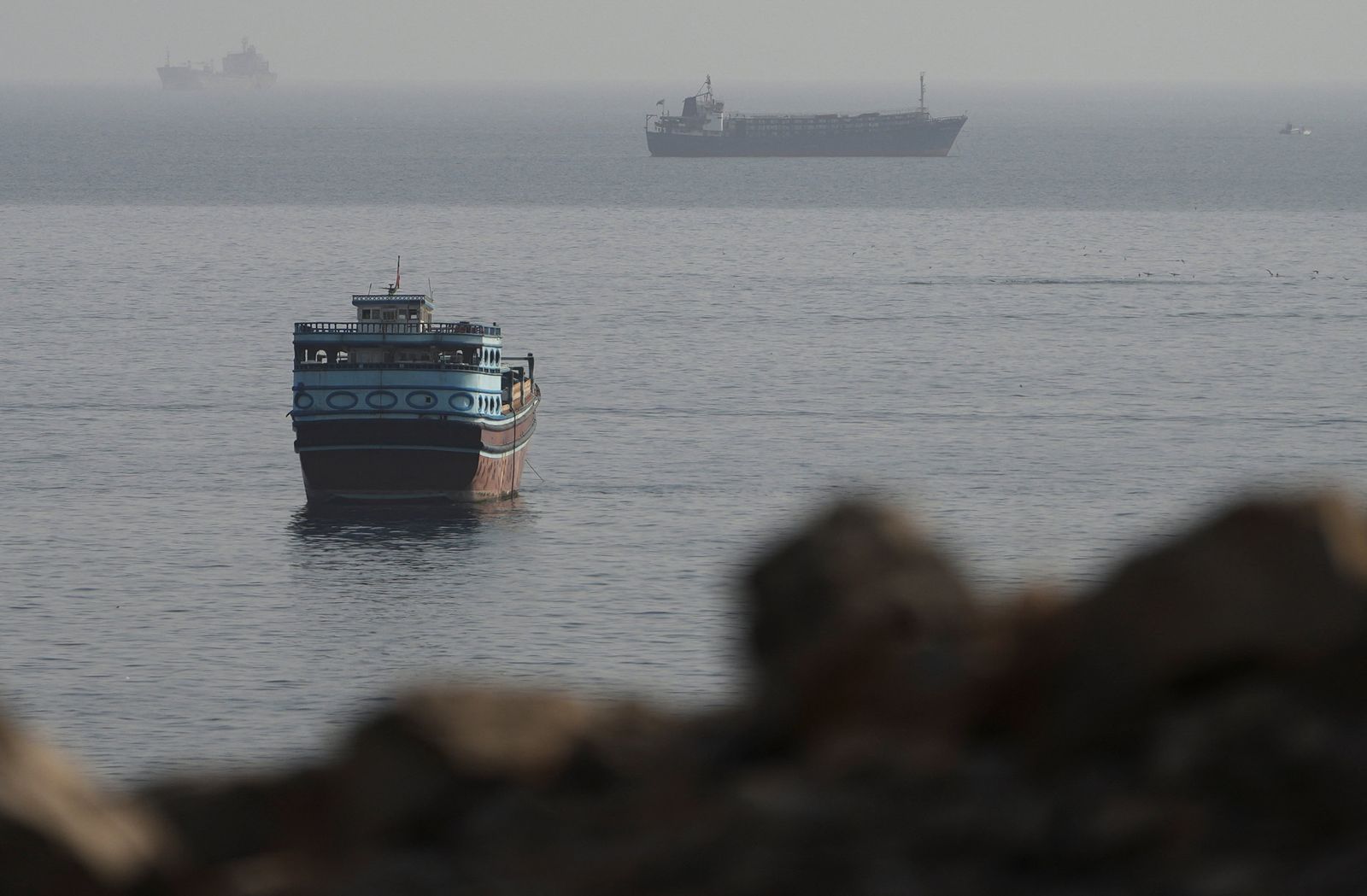
Separately, Iran’s Foreign Ministry accused Ukraine of attacking an Iranian commercial vessel in the Caspian Sea, saying one sailor was killed and another injured.
The ministry summoned Ukraine’s chargé d’affaires in Tehran to protest over an attack it described as “hostile and criminal”, state news agency IRNA said.
The Iranian denunciation coincided with comments by Ukrainian President Volodymyr Zelenskiy that Kyiv had noted Russia is passing on to Iran its satellite observations in West Asia, to enable it to direct strikes in the region.
War threatens to spread to yemen
Houthi military spokesperson Yahya Saree said the group struck sites belonging to Saudi state oil company Aramco in the cities of Jizan and Yanbu yesterday.
A large column of smoke rose from the direction of the Aramco refinery in Jizan, near the Yemeni border, video on social media verified by Reuters showed. The refinery can process up to 400,000 barrels of crude oil daily.
Two Asia-based trading sources said they had been informed of potential damage to fuel and oil storage sites at Jizan. Aramco did not respond to requests for comment.
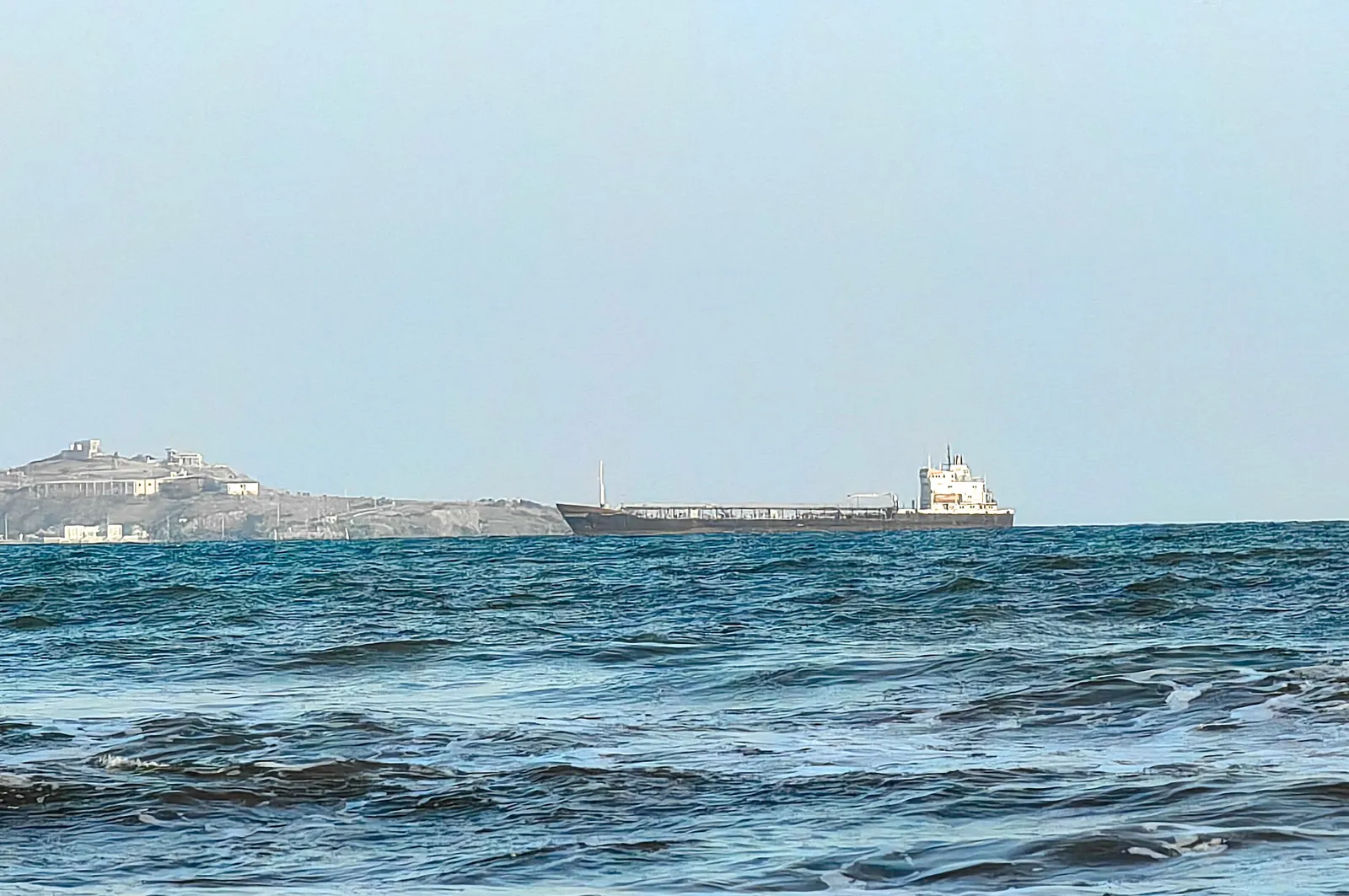
In Saudi Arabia’s main Red Sea oil port of Yanbu, two missiles aimed at oil installations were intercepted. Yanbu has become a key route for Saudi oil skirting the Strait of Hormuz, which Iran has blockaded.
Saudi-led coalition strikes Houthi sites
In Yemen, officials said the air force of the Saudi-backed, internationally recognised government, which has opposed the Houthis for more than a decade, struck Houthi sites in the Marib and al-Jawf provinces.
The officials said both sides in Yemen’s civil war are mobilising forces along the front.
Saudi Arabia has led an Arab coalition to battle the Houthis since the Iran-aligned fighters captured Yemen’s capital Sanaa.
The civil war, in which famine and fighting killed hundreds of thousands, has been paused by a ceasefire since 2022, but that truce broke down this month with the Houthis effectively joining the wider war their Iranian allies have waged since being attacked by the US and Israel five months ago.
The Houthis have declared a naval blockade of Saudi Arabia over the past week, and Houthi leader Abdul Malik al-Houthi said all Saudi oil facilities could be targets.