
SINGAPORE, July 24 — Asia spot liquefied natural gas prices rose for a fifth consecutive week to their highest in four months on fears of wider shipping disruptions, as Houthi attacks on Saudi oil tankers extended the West Asia war to a second major chokepoint.
The average price for September delivery into northeast Asia was estimated at US$22 per million British thermal units (mmBtu), up from US$20.10/mmBtu last week, industry sources said.
“Asian LNG prices continued their upward trajectory week-on-week on tit-for-tat attacks between the US and Iran,” said Energy Aspects analyst Kesher Sumeet, adding that Strait of Hormuz shipping has fallen to extremely low levels.
“Many of the shippers previously willing to do dark transits have paused… Transit condition is in an ‘ebb and flow’ situation, with no immediate path to de-escalation, keeping volatility and risk premiums firmly supported.”
Risks spread to Red Sea
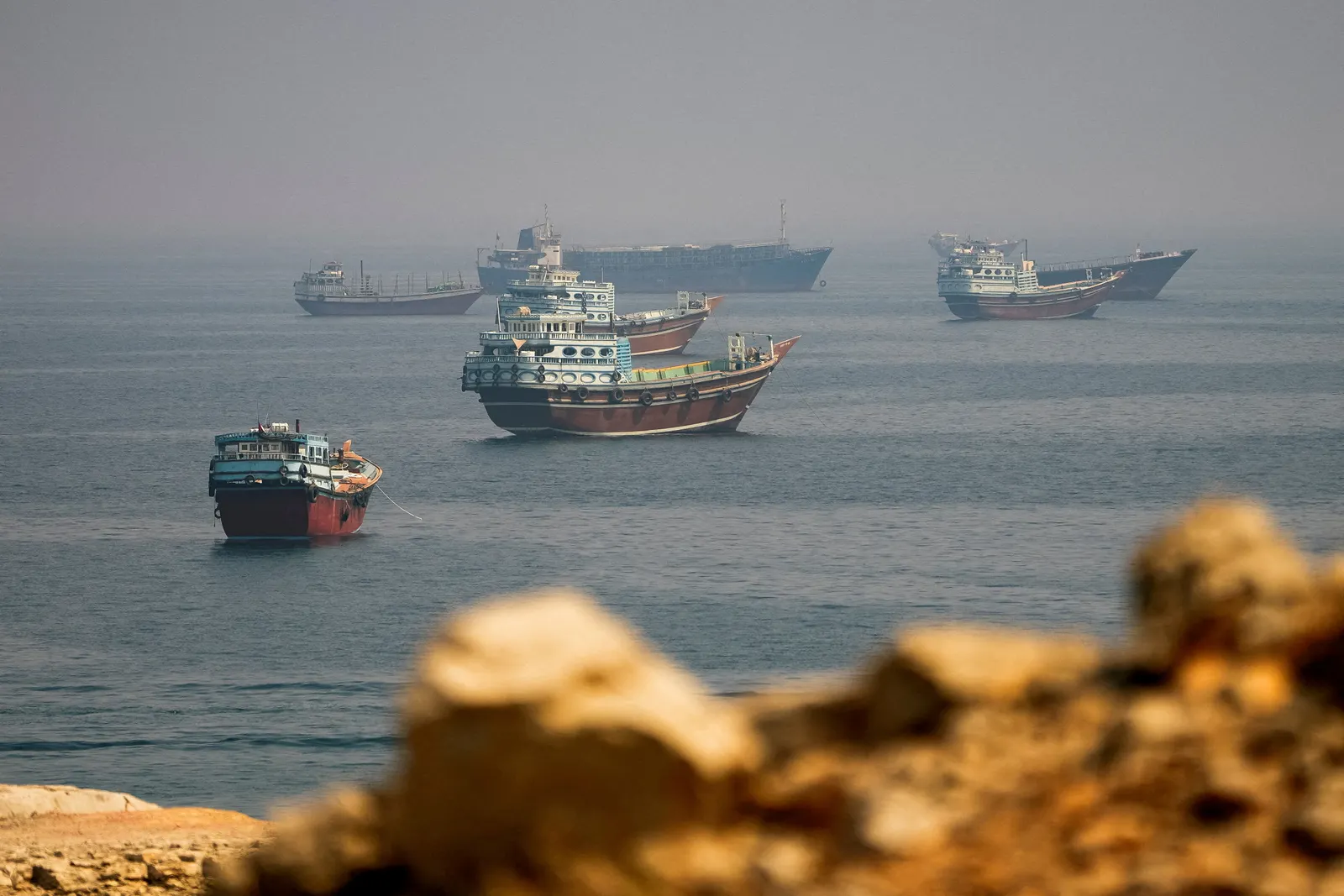
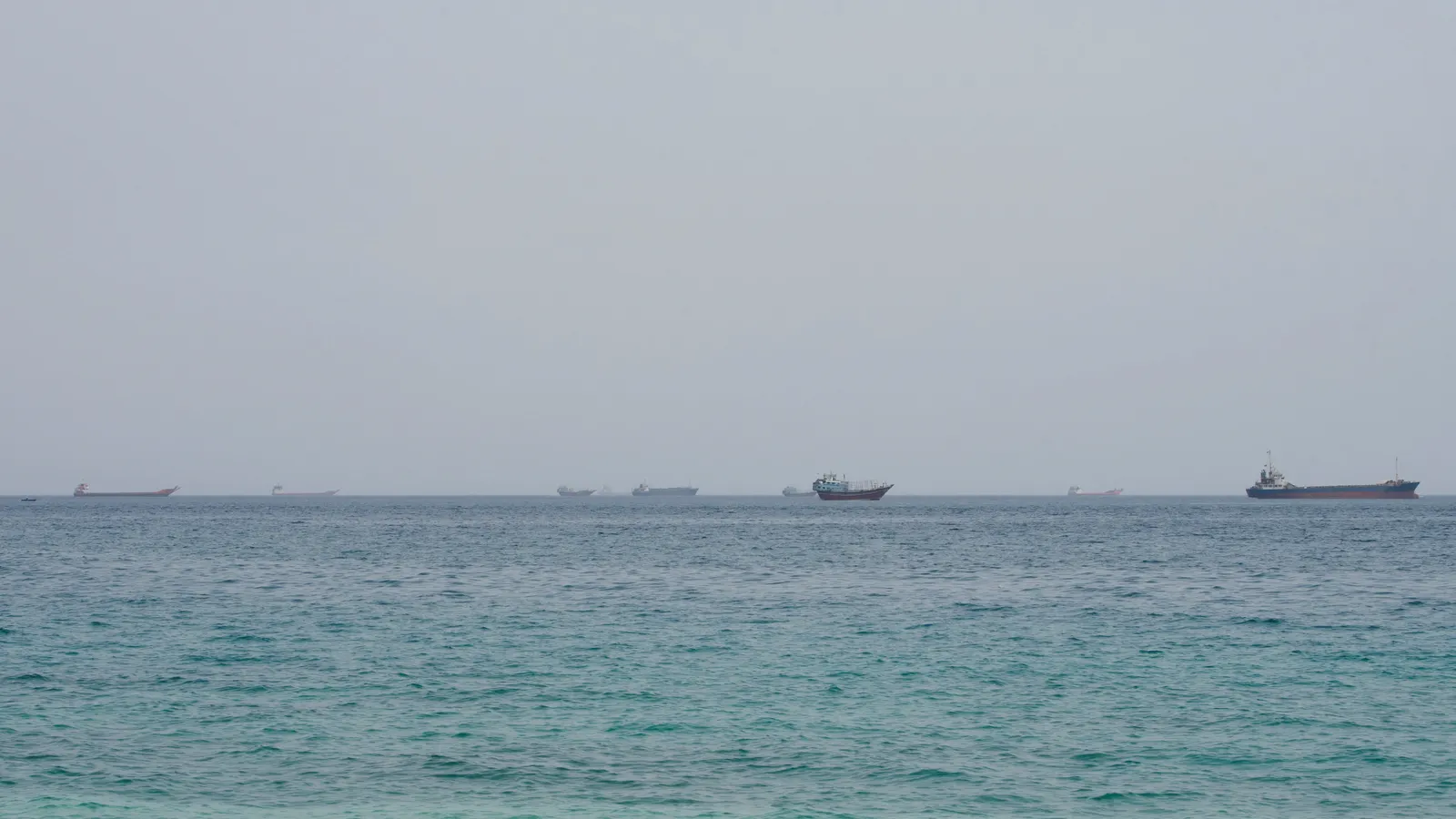
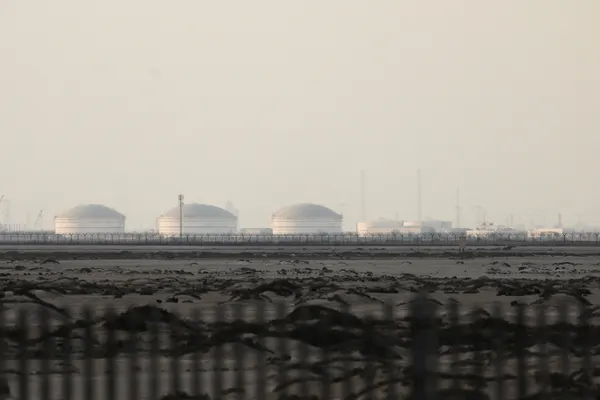
The US-Iran war has severely curtailed Gulf shipments and tanker traffic through Hormuz, which had carried a fifth of global LNG flows. Risks have now spread to the Red Sea after attacks by Yemen’s Houthis near the Bab el-Mandeb strait, through which Saudi Arabia had redirected some of its oil shipments.
Analytics firm Kpler revised its base case view on Hormuz from de-escalation to a prolonged crisis scenario, forecasting Qatar’s LNG exports to fall below 27 million metric tonnes in 2026. Kpler had pegged Qatar’s 2025 LNG exports at about 80 million tonnes.
“The resulting impact is that we will see higher prices for longer, with JKM prices now expected to average US$19.50/mmBtu in the second half of 2026, up from US$14.60/mmBtu in our previous de-escalation scenario,” said Laura Page, Kpler’s insight manager for LNG and natural gas, referring to the Japan-Korea LNG marker.
Europe stocks need to rise
S&P Global Energy assessed its daily northwest Europe LNG price benchmark for cargoes delivered in September on an ex-ship (DES) basis at US$20.362/mmBtu yesterday, a US$0.265/mmBtu discount to the price at the TTF hub.
Argus assessed it at US$20.30/mmBtu, while Spark Commodities assessed the August price at US$20.518/mmBtu.
“Although European gas stocks are rising slowly, they remain well below a reassuring level,” said Hans Van Cleef, head of energy research at EqoLibrium.
The gas market remains tight and volatile amid prolonged supply uncertainty, he said, while risks of potential shortages increase in Europe and Asia.
While inventories initially provided market flexibility and helped contain prices, Europe must now bid for spot LNG cargoes to improve storage levels ahead of winter, increasing competition with Asia for Atlantic basin cargoes, said Martin Senior, Argus head of LNG pricing.
“But the inter-basin arbitrage for August delivery in Europe is still closed, with eight cargoes removed from French LNG schedules this week, and a slot being re-offered in Germany, highlighting unprofitable regasification economics,” he said.
Atlantic LNG freight rates fell to US$94,000/day, while Pacific rates were flat at US$73,750/day, Spark Commodities analyst Qasim Afghan said.
The US front-month arbitrage to Northeast Asia via the Cape of Good Hope and Panama is firmly pointing to Europe and Asia respectively, he added.